Knowledge Test- WA
Warning Signs- Yellow with Black lettering or symbols and most are diamond shaped
Winding Road
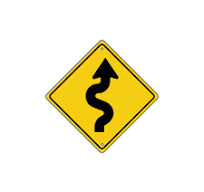
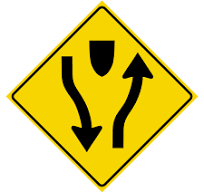
Divided Highway Begins
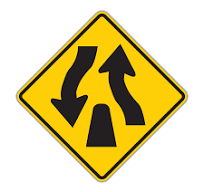
Divided Highway Ends
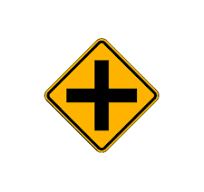
Cross Road
Merging Traffic
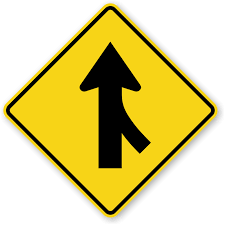
Land ends, Merge Left
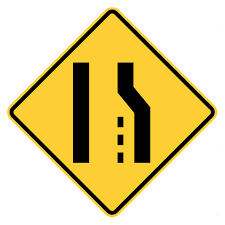
Slippery when wet
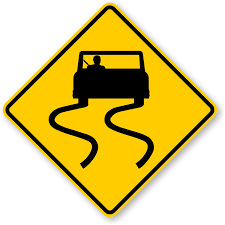
signal ahead
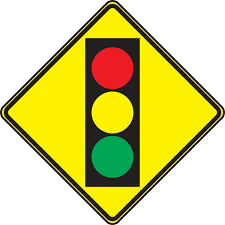
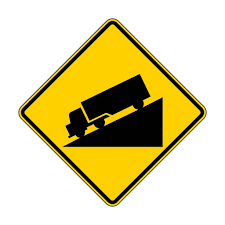
Hill
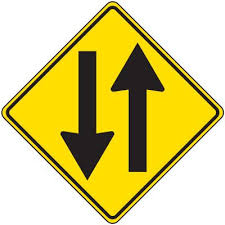
Two-Way Traffic
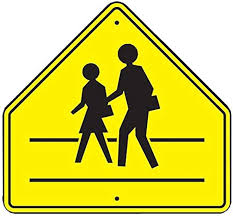
School Crossing
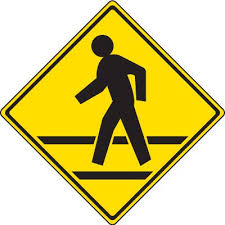
Pedestrian crossing
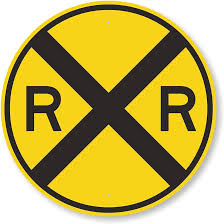
Railroad crossing
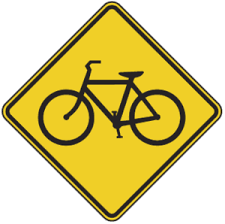
Advance Warning Bicycles
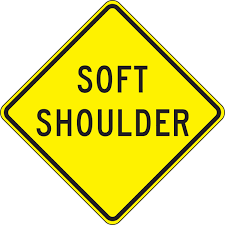
Soft Shoulder
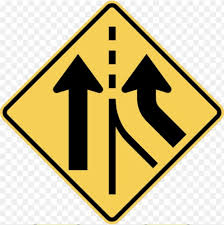
Added lane from right
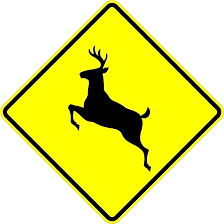
Deer Crossing
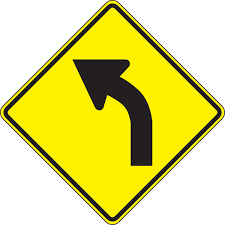
Curve left-35 miles per hour or less
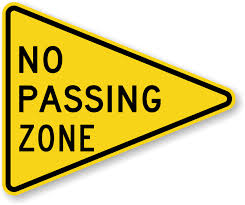
no passing zone
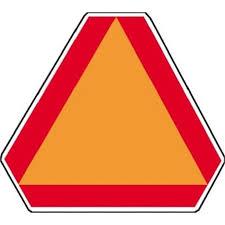
slow moving vehicle
Regulatory Signs- square, rectangle, special shape. White. Red, or black with black, red, white, or green letters and symbols.
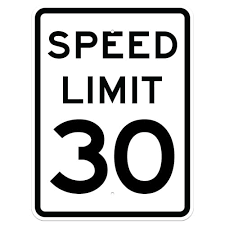
Speed Limit
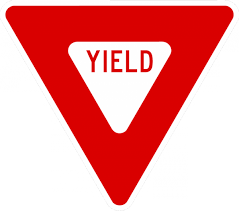
Yield
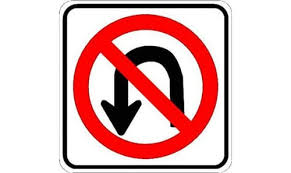
No U-Turn
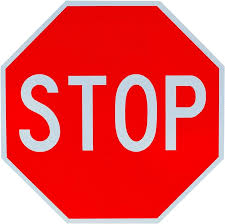
Stop
Do not Enter
Do not Pass
Wrong Way
Keep Right Except to Pass
Slower Traffic Keep to Right
Disabled Parking
No Right Turn
School
Work Area Signs- Orange with black lettering and usually diamond or rectangle
Detour
Flagger
Destination Signs- square or rectangular, green or brown with white lettering
City and Mileage
Exit only/optional exit
Service Signs- square or rectangular, blue or brown with white lettering or symbols
Hospital
Phone
Medians
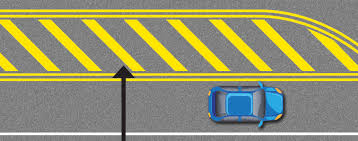
Can be an open space, a highway divider, or a median island. Can also be a 18 inch solid yellow line or yellow crosshatching between two solid yellow lines.
Reversible Lanes
Marked by double-dashed yellow lines.
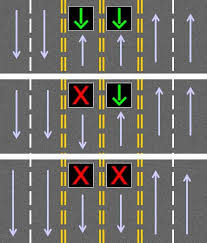
Flashing yellow X- lane only for turning
Steady Yellow X- use of lane is changing, move over
Emergency Zones
Adjacent lanes of the roadway 200 ft before and after a stationary emergency vehicles with a siren or flashing lights.
Improper passing results in a doubled fine and possible 60-day suspension.
Ocean Driving
Grays Harbor and Pacific Counties
25 mph
Traffic Cameras
If you break the law, maximum fine for any parking infraction is 250 dollars
Neighborhood Electric Vehicles (NEV)- 20-25 mph
Medium Electric Vehicles (MEV)- 30-35 mph
Permitted on roads with a 35 mph posted speed limit unless otherwise prohibited. (45 mph in San Juan County only)
Motorized Foot Scooters (MFS)- must have handlebars
Golf carts- be 16 and be in a golf cart zone
Electric Vehicle Charging Station- if not charging in the station, 124 dollar fine.
Stopping for a School Bus
Have to stop UNLESS-
its stopped on the opposite side of the roadway (in a different direction)
Has three or more marked traffic lanes
is separated by a median, or a physical barrier
Fines are doubled
Do Not Park
within 30 ft of a traffic control device
within 20 ft of a pedestrian safety zone
within 15 feet of a fire hydrant
within 50 feet of a railroad crossing
more than 12 inches from the curb
withing 20 ft of a fire station driveway on the same side of the street.
75ft on the opposite side
Withing 5 ft of a driveway, alley, private road, or area of the curb removed or lowered
On the wrong side of the street
White indicates short stops are permitted
yellow/red indicates a loading zone or some other restriction
Speed Limits unless otherwise posted-
20 mph School Zones
25 mph streets of cities and towns
50 mph on country roads
60 mph state highways
Distracted Driving
Also called inattentional blindness.
124 dollar fine. Second time offenders and on its doubled.
Dangerously Distracted Driving is when the driver is engaged in any activity not related to operating the vehicle
Scan 15 seconds ahead of the car
Signal 100 ft before you turn
Before merging in front of a commercial be one car length of space for every 10 miles of speed being used.
When stopped on the side of the road, place emergency flares 200 to 300 ft behind your vehicle.
On a wet road, slow down by 10 mph
On packed snow, slow down by half your speed
Hydroplaning
Speeds up to 35 mph are safe
Tires can lose all traction by 50 mph
If you are Hydroplaning
east foot off the gas
Keep wheel straight. Turn slowly if necessary
Do not stop until tires are gripping the road again
At 50 mph it can take 400 ft to react to something you see
At 30 mph it can take 200 ft to react and stop
Your head lights can see 400 ft ahead. Drive at most around 50 mph
When traveling 30 mph or less, following time 2-3 seconds
Higher speeds, 4 seconds
Do not follow closer than 500 feet to a fire truck
Space to Pass
At 55 mph you need 10 seconds. You need 1600 ft to pass safely
Bicycles
May use the shoulder of freeways and other highways unless otherwise prohibited
Use hand signals when turning
Can only carry the number people its designed for
When operating on a roadway of less than the normal rate, be as close to the right side as safe
When more than five vehicles are behind you, move over to let them pass
Have the choice to ride on the road but can also ride on the sidewalk, bike lane, or shoulder of the road
MUST have a steady white headlight visible for 500 ft and a red reflector visible for 600 ft on the rear, at night.
Preventing Fatigue
Get a normal night’s sleep
do not leave if already tired
do not take medicine that makes you drowsy
eat lightly
take breaks
Try not to drive late at night
Never drive if sleepy
Alcohol
A drug that depresses the central nervous system
Affects
Judgment
Vision
COncentration
Understanding
Feelings
Reaction Time
BAC- Blood Alcohol Content- Percentage of alcohol in your blood.
Over 21- .08 BAC, 5.00 nanograms per milliliter THC
Under 21- .02 BAC, 0.00 nanograms per milliliter THC
If a child under 13 is present, CPS is called.
Child under 16 is present, the driver will also face additional IIR
Implied Consent Law- you agree to a BAC breath test if asked. If you refuse, you lose your license for at least one year
PENALTIES FOR DRIVING IMPAIRED
First arrest within seven years. 21 or older
License suspended for 90 days
Same if under 21.
May be able to get a restricted license or a ignition interlock device
More than once in the past seven years
Revoked for two years
Under 21, revoked for one year or until age 21, whichever is longer
Alcohol/Drug offenses appear on record for life.
Fined up to $5000
Juvenile Alcohol/Drug/Firearms Violations
13-17 and convicted first time- license revoked for one year or until seventeen, whatever is longer
Second time- two years or until 18. Whatever is longer
Brake Failure
Pump the brake
IF that doesn’t work, use the parking brake slowly
If that doesn’t work, shift to lower gears
Tire Blowout
Hold the wheel tightly
Slow down gradually
Do not stop on the road
Power Failure
Keep a strong grip on the wheel
Pull off the roadway
Headlight Failure
Try the headlight switch
Doesn’t work? Put on the emergency flashers. turn signals, or fog lights
Pull off the road
Gas Pedals
Keep eyes on road
Shift to neutral
Pull off
Turn off engine
Stopping Quickly
With ABS
Press on brake as hard as possible
do not let it go
Without ABS
Apply brakes as hard as you can without locking them
IF they lock up, let go
resume breaking once you gain control again
Turning quickly
ABS
Turn while breaking
Without
Step on the brake, let go, then turn
Skidding
Stay off the brake
Steer
Continue to stear