week 7 abiotic factors
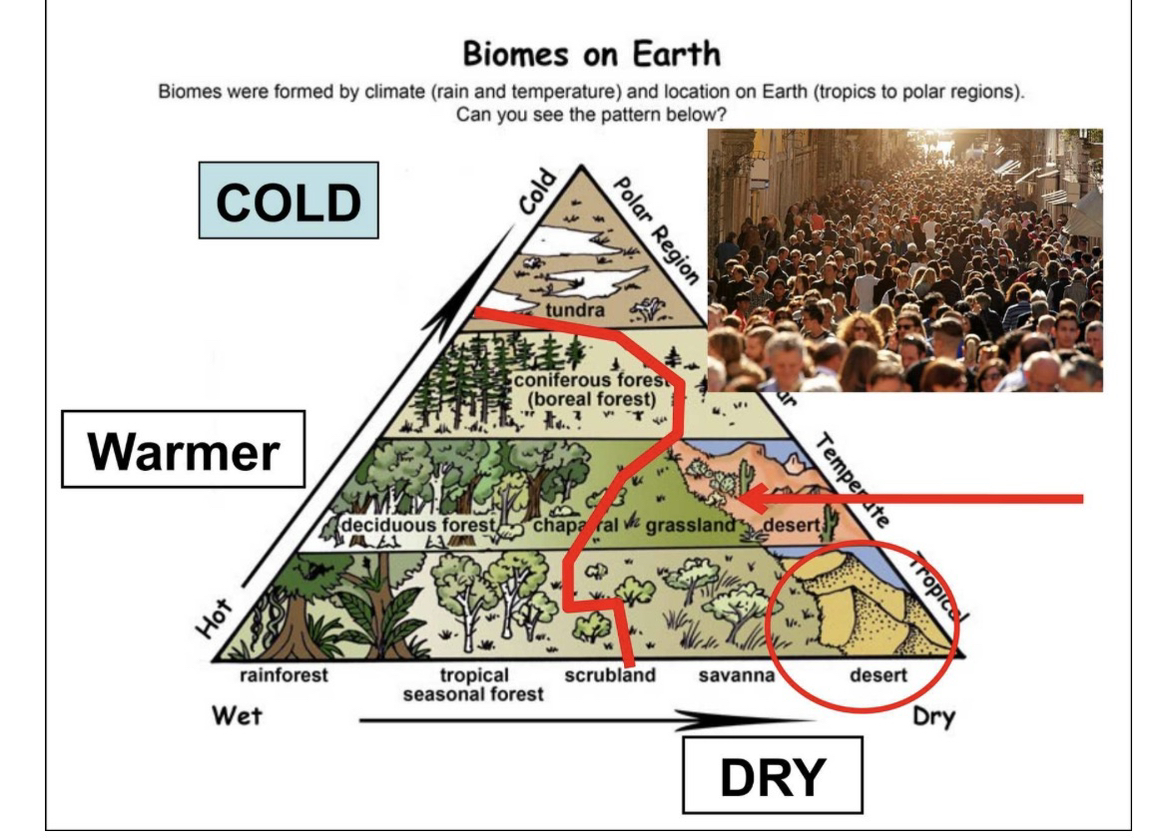
What are the factors that determine the distribution of biomes?
•Global scale hydro- meteorological processes
•Key:
Temperature
Wetness/dryness
Plus - people
The abiotic factors behind the biogeographic realms and biomes
What drives the global distribution of environments, habitats, species…?
Humid tropical environments (low latitudes)
Distribution and key characteristics of abiotic elements of this biome
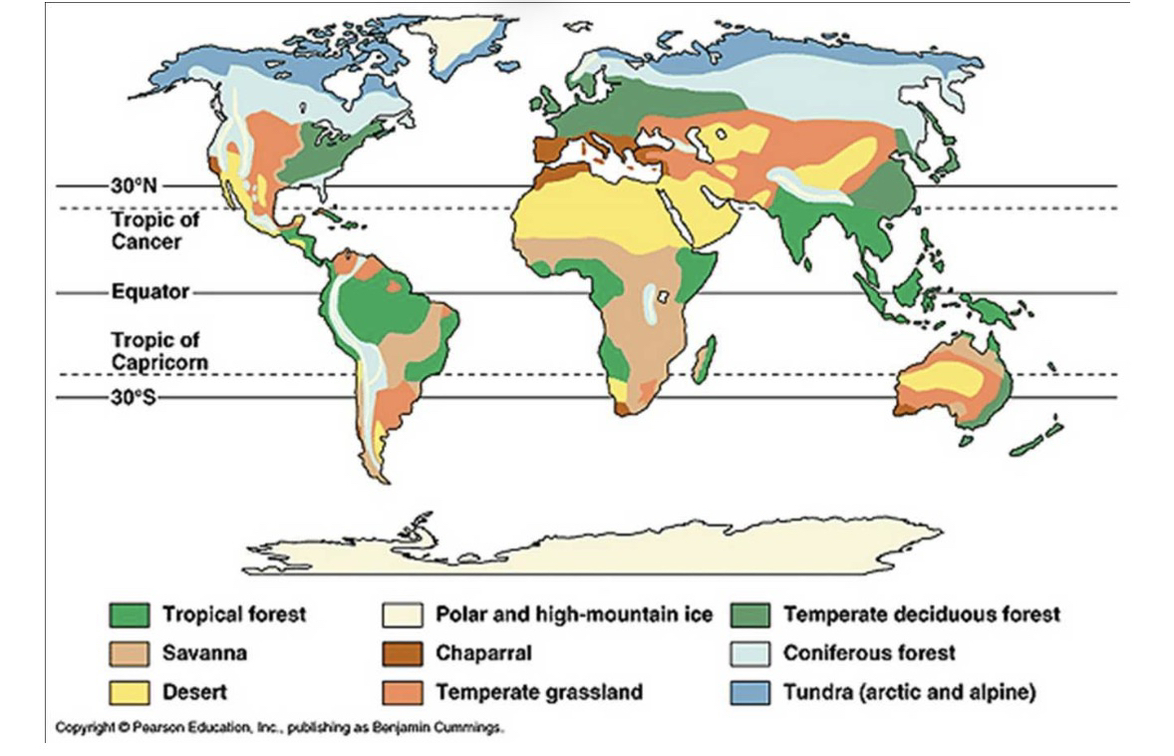
Distribution - found worldwide around the equator
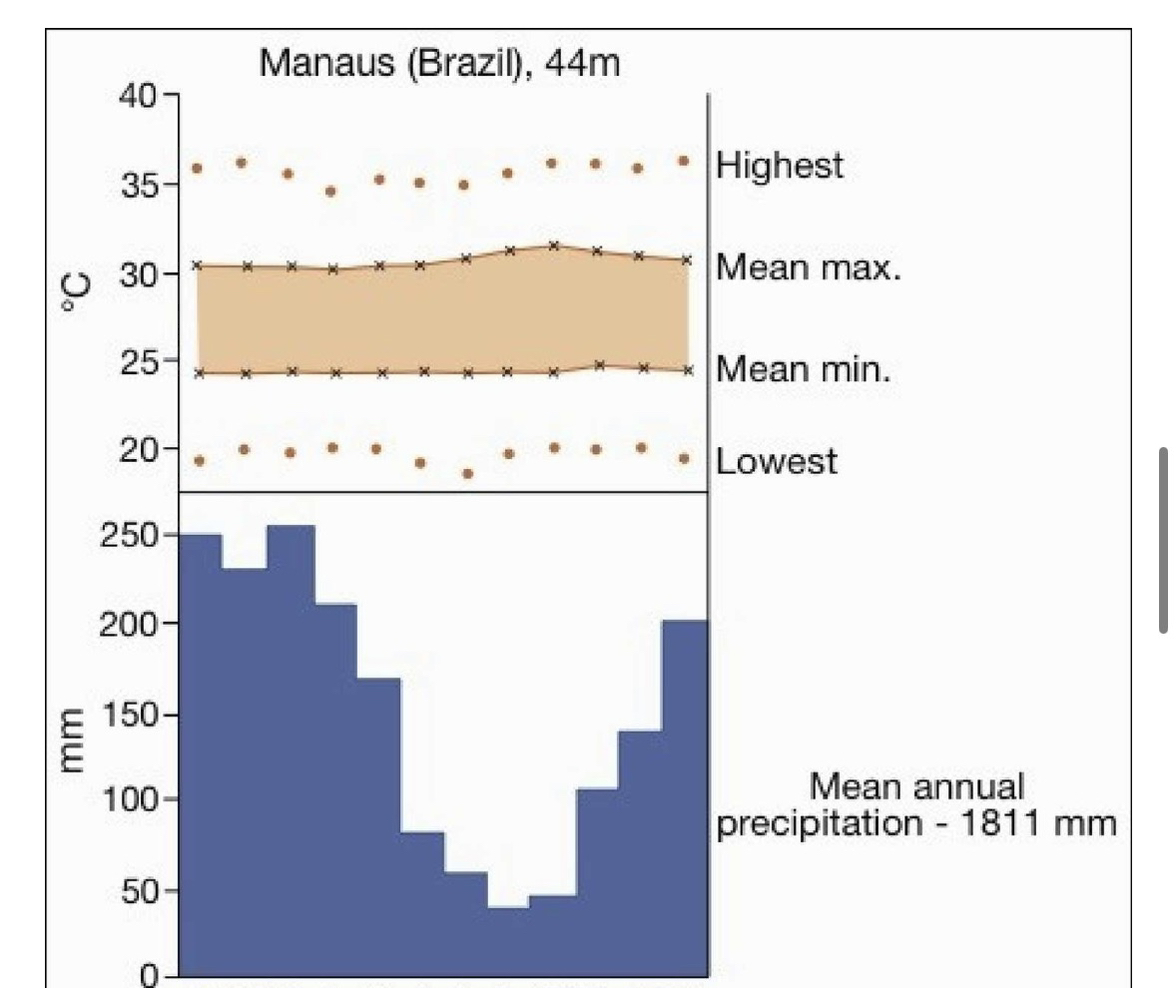
Extremely high levels of rainfall
Poor nutrient content in soils due to high levels of rainfall
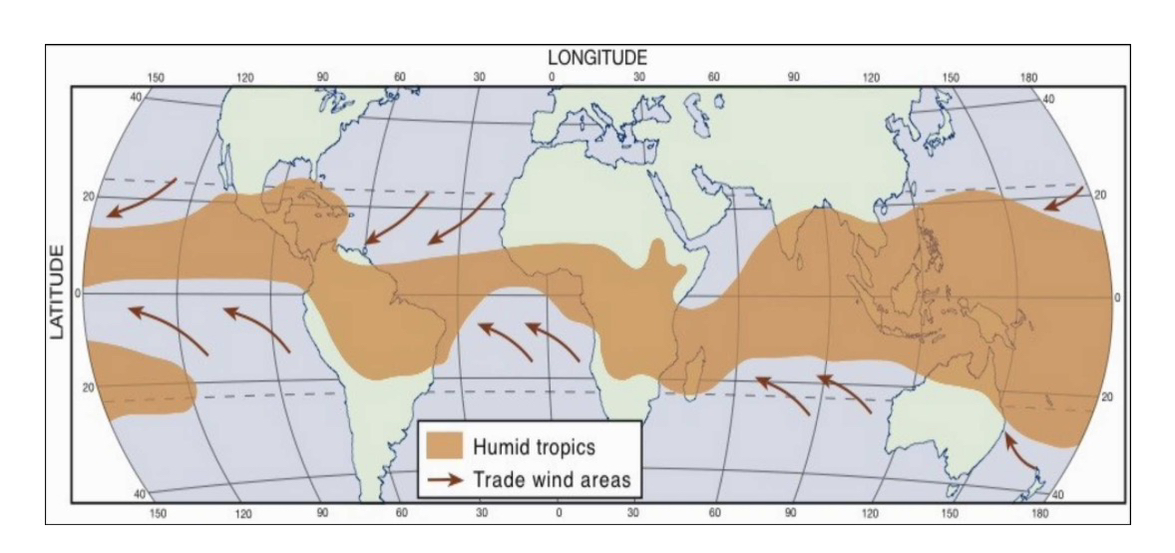
There are three main climatic zones of the humid tropics:
the equatorial trough zone
the monsoon areas
the trade-wind zones.
Climate
Much of the sun’s energy is absorbed in the tropics - acts as a source for heat transfer to energy-deficit regions.
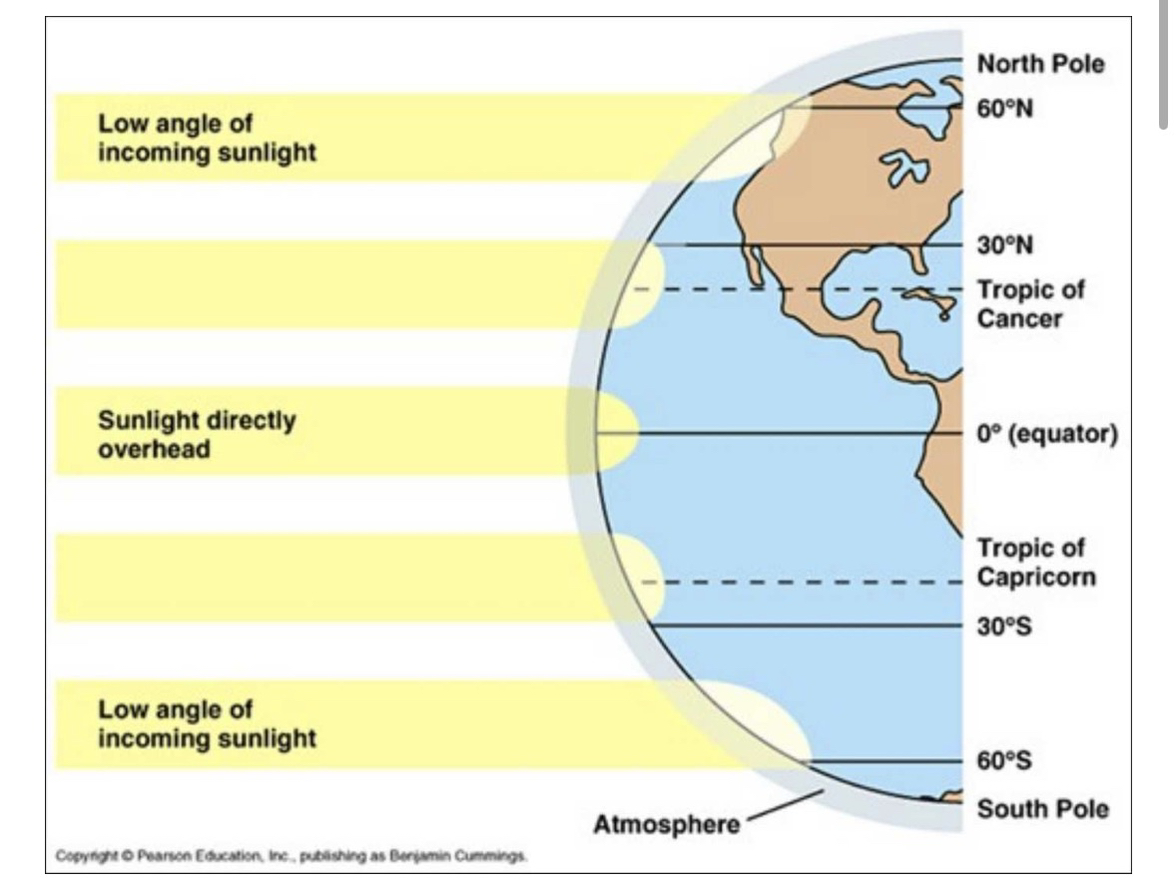
In the
equatorial trough zone, temperatures are uniformly high, with a greater diurnal than annual variation.
Precipitation occurs throughout the year, though most areas have a drier season.
Huge plant diversity;
large trees have shallow root systems evolved to be able to quickly absorb nutrients as soon as they become available (rapid decay of dead things), before the rains wash them away.
Very dense plant growth and very high level of productivity.
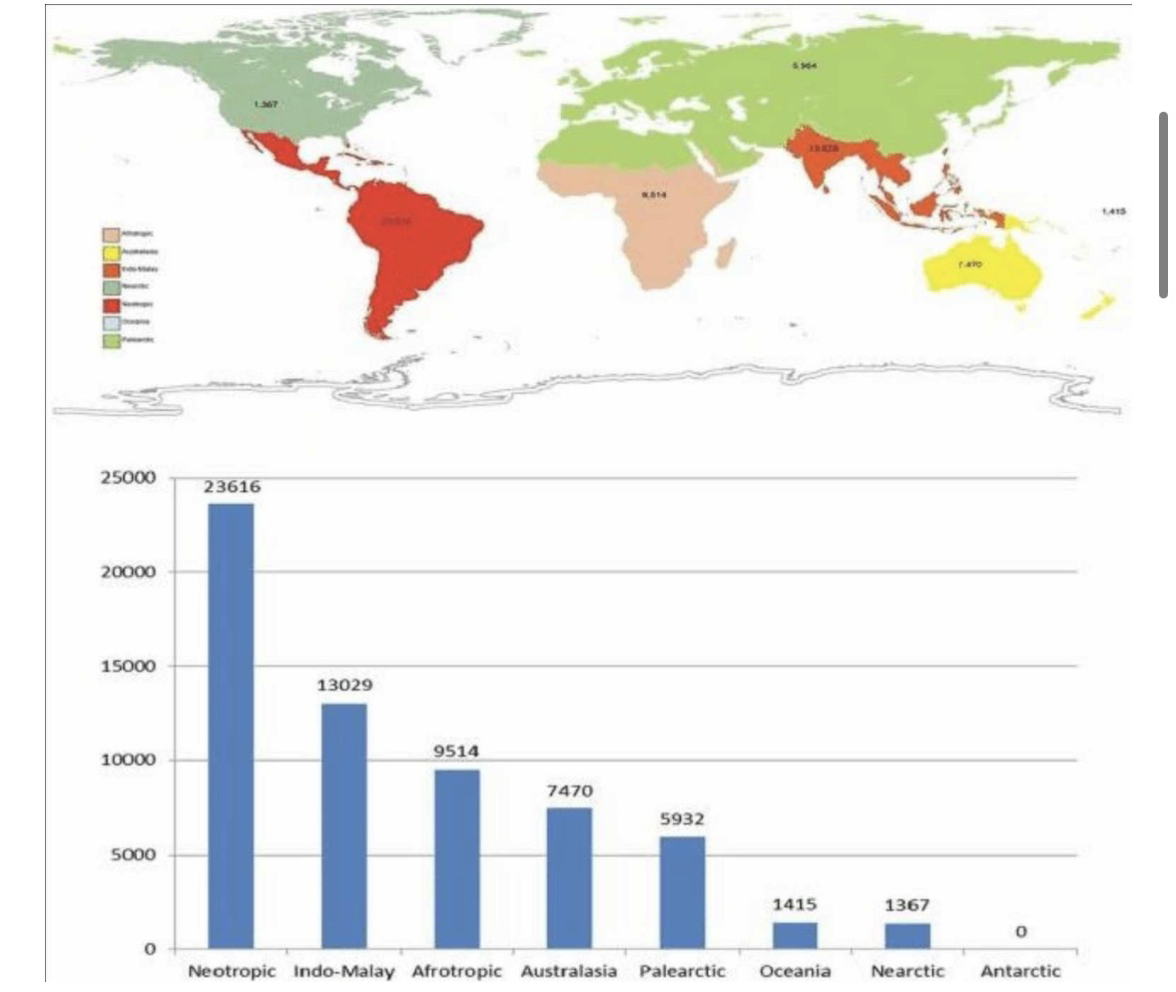
E. Beech, M. Rivers, S. Oldfield & P. P. Smith (2017) GlobalTreeSearch:
The first complete global database of tree species and country distributions,
Journal of Sustainable
Geomorphology
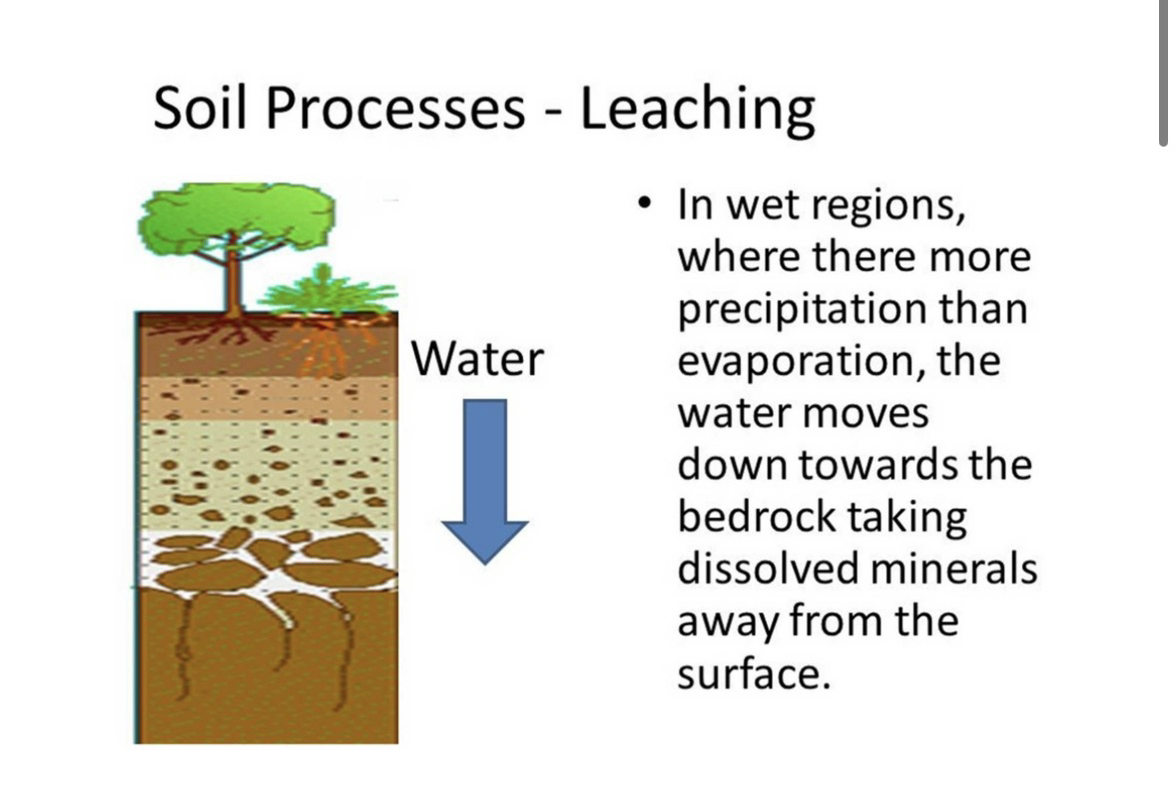
The humid tropics are associated with deep weathering caused by the higher activity rates of chemical processes at warmer temperatures when moisture is available.
In steeper areas mass movement is the main process operating on the landscape.
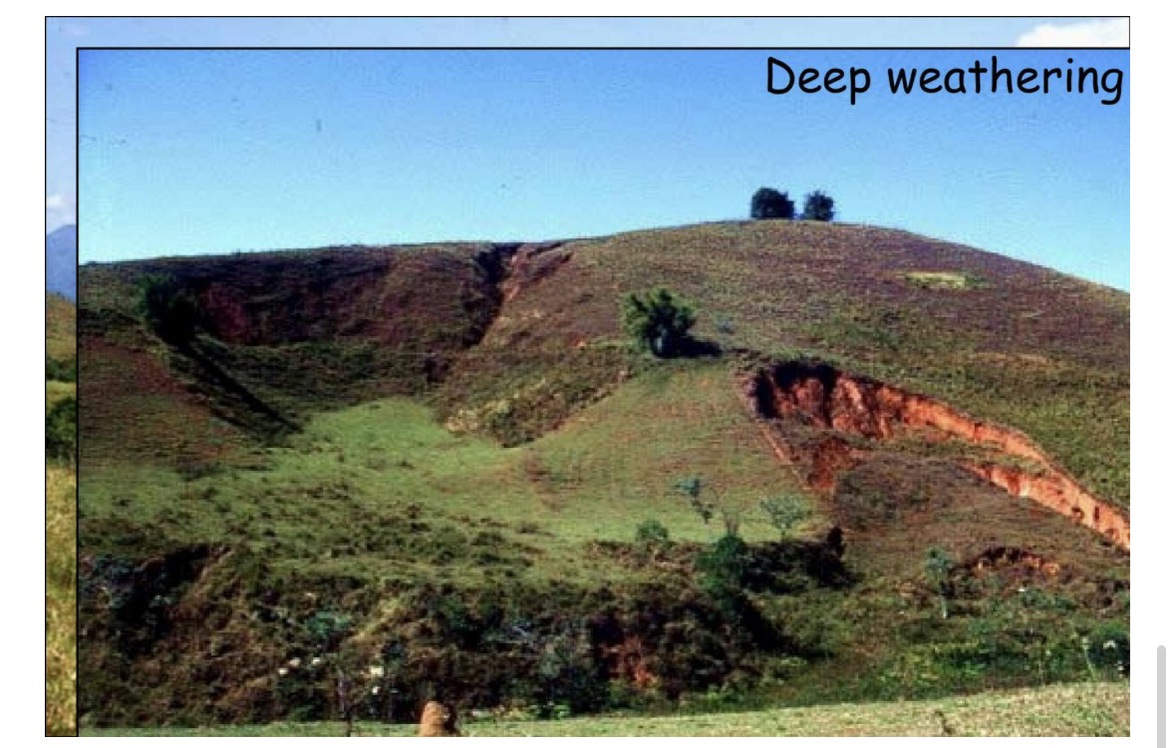
Deep weathering (20 m)
Slope failure (x2)
Soils
Tropical soils are the products of rapid weathering and strong leaching.
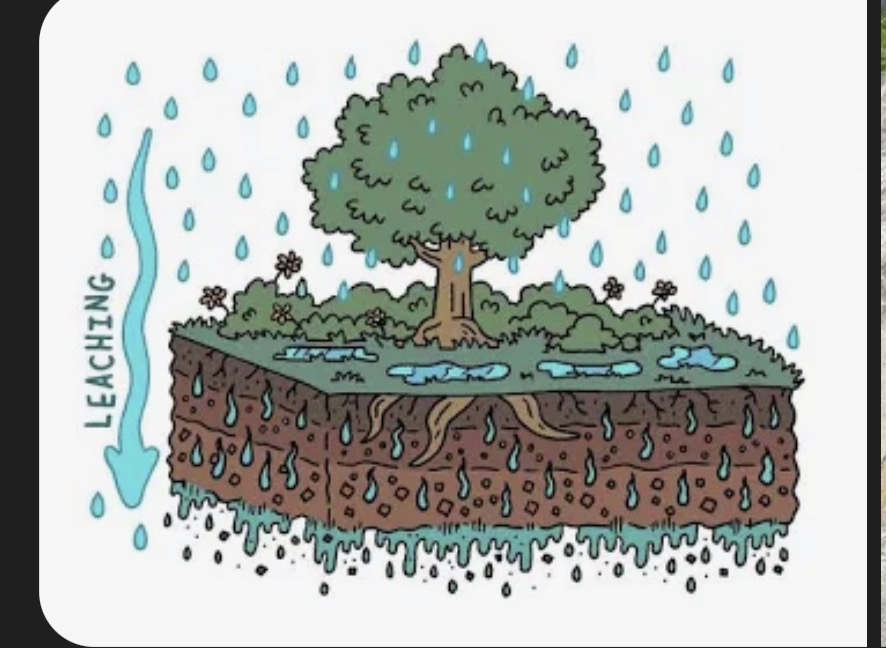
nutrients goes down onto bedrock
They are dominated by kaolinitic clays.
Organic matter is rapidly decomposed under tropical conditions.
-Maintaining organic matter at levels suitable for agriculture is a major problem.
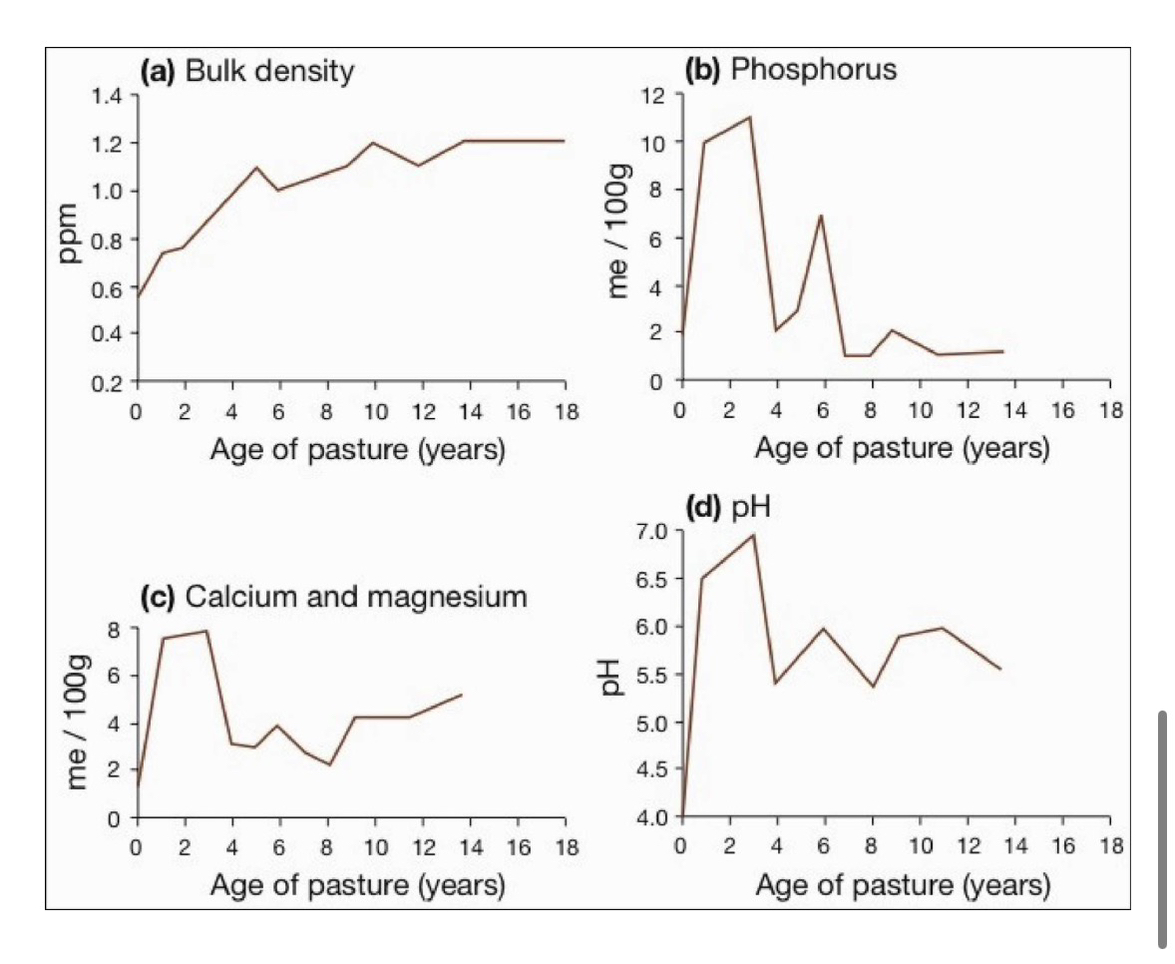
An ‘active’ abiotic environment
Huge biodiversity / highly sensitive to (human) impact
The Supposedly Pristine, Untouched Amazon Rainforest Was Actually Shaped By Humans
Over thousands of years, native people played a strong role in molding the ecology of this vast wilderness.
What drives the global distribution of environments, habitats, species…?
Mid to lower latitudes:
Mediterranean to arid environments
Distribution and key characteristics:
Key issue – people!
-The Anthropocene
Mediterranean environments
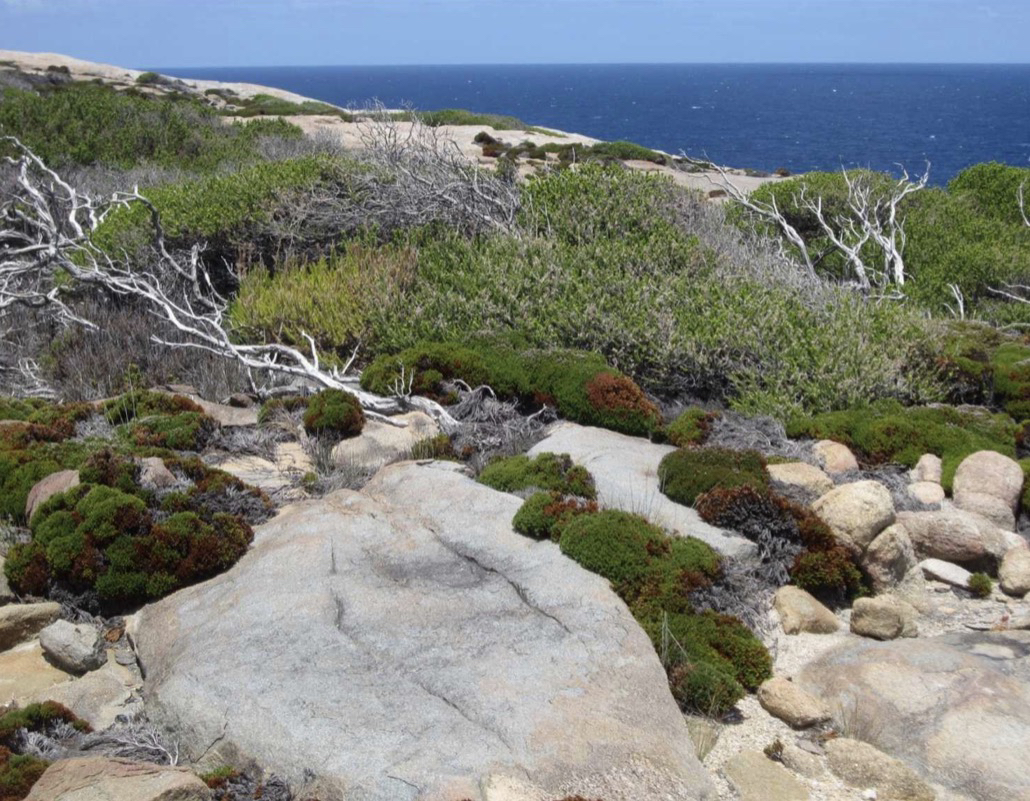
Found in arid regions with Mediterranean climate
e.g., European and African areas bordering the Mediterranean Sea; southern California, southern tip of Africa, southwestern tip of Australia.
Winters are rainy and mild;
summer days are long, hot, and very dry.
The stresses imposed by the heat and aridity of the summer months have striking influences on Mediterranean ecosystems
-vegetation, soils and wildlife.
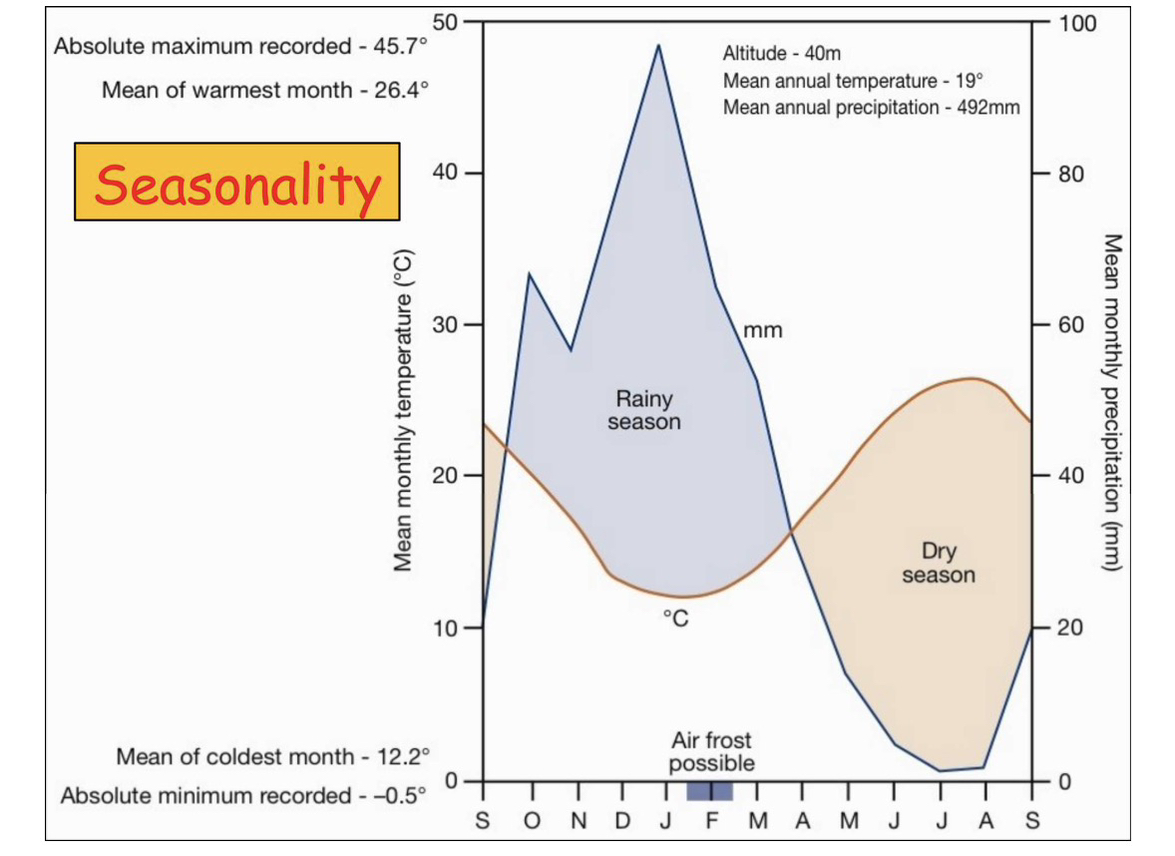
Seasonality
Physical and ecological processes are active in the winter months, when winter precipitation provides the moisture necessary for:
A. Landscape processes
-e.g. weathering, erosion of soils and hill slopes, river action
B. Soil processes
-e.g., humification, leaching, clay translocation and clay mineral formation in soils; and the net primary productivity of vegetation.
By contrast, the summer is a season of desiccation, drought and relative inactivity in landscape processes
Major plant forms: Dense, spiny, evergreen shrubs (some of these produce seeds that will germinate and grow only after they've been through a fire.) 🌳
-Characterised by periodic, seasonal fires.
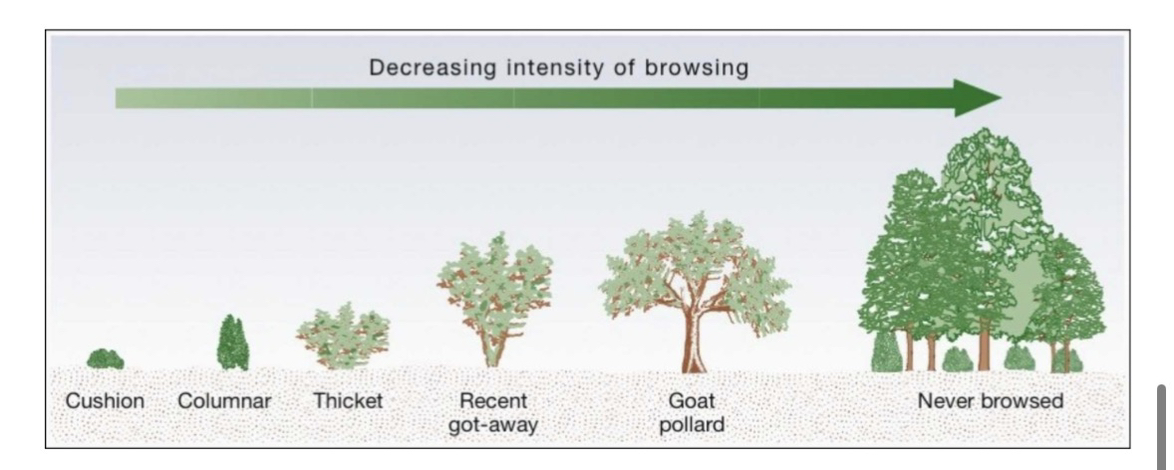
Human activities have had a major impact on regions with Mediterranean environments;
Long history of human modification of the natural landscape, stretching back into prehistoric times.
impacts from agriculture and non agricultural industries have continued to increase
—🔥
Fires are caused by natural means, by deliberate land management, by accident or by arson.
Afforestation of Mediterranean lands has greatly increased the fire risk, owing to the widespread planting of pine and eucalyptus.
Afforestation: establishing new forest on lands that were not forest before
Semi arid to arid environment
Deserts
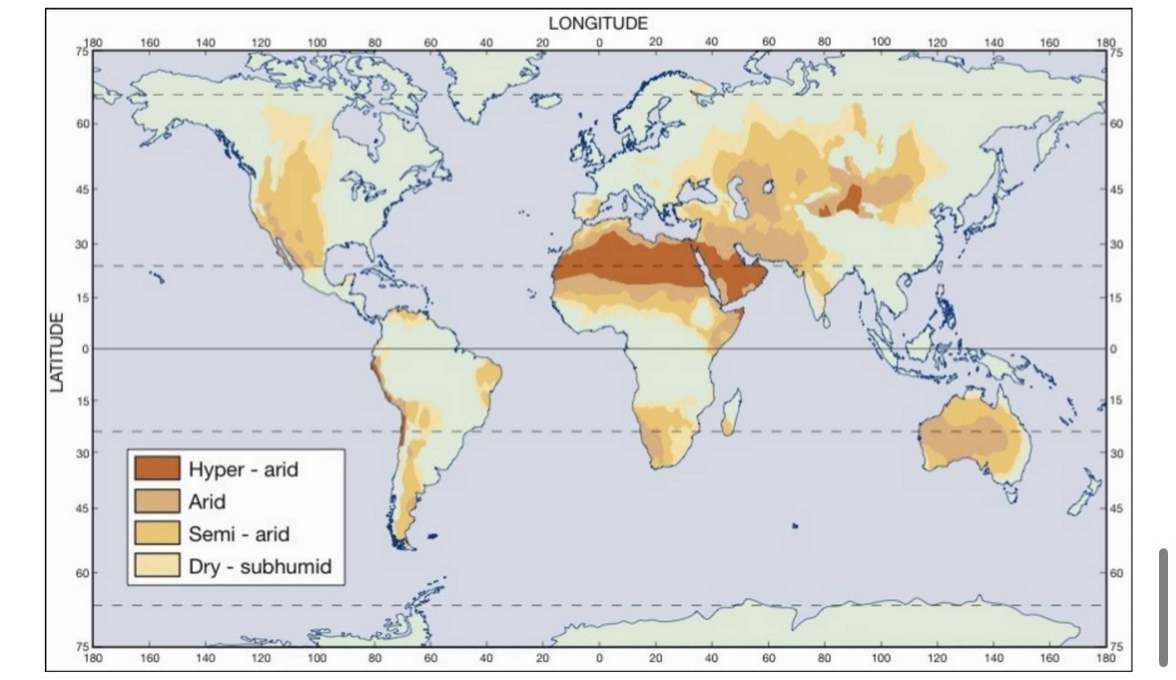
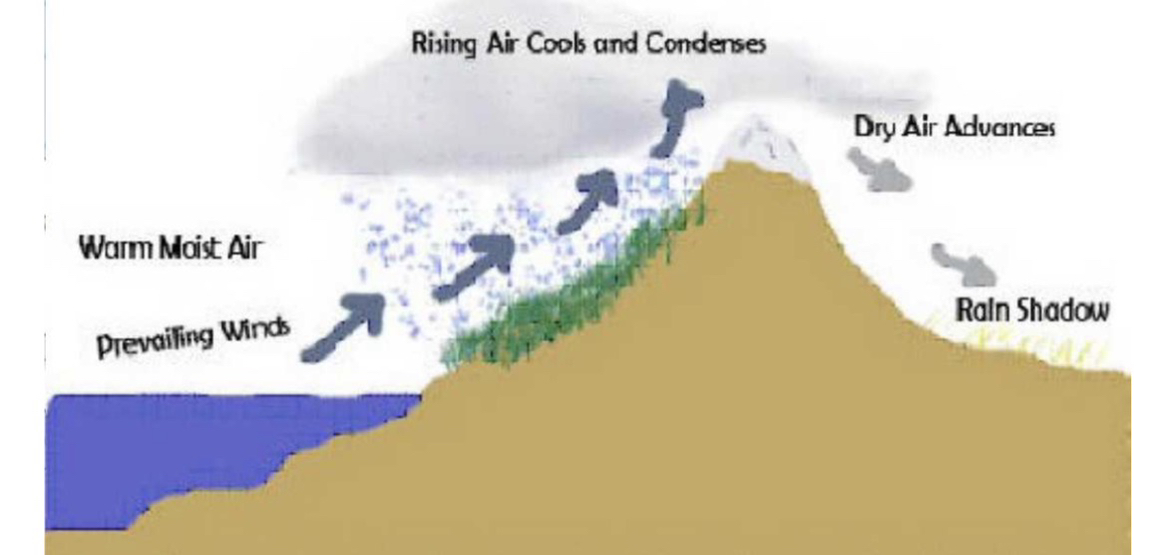
The subtropical anticyclone belt is the main area of the drylands.
Where the high pressures are stable in position, we find the main desert areas of the world.
On their margins, areas of seasonal rainfall occur, with annual rainfall totals gradually increasing away from the desert cores.
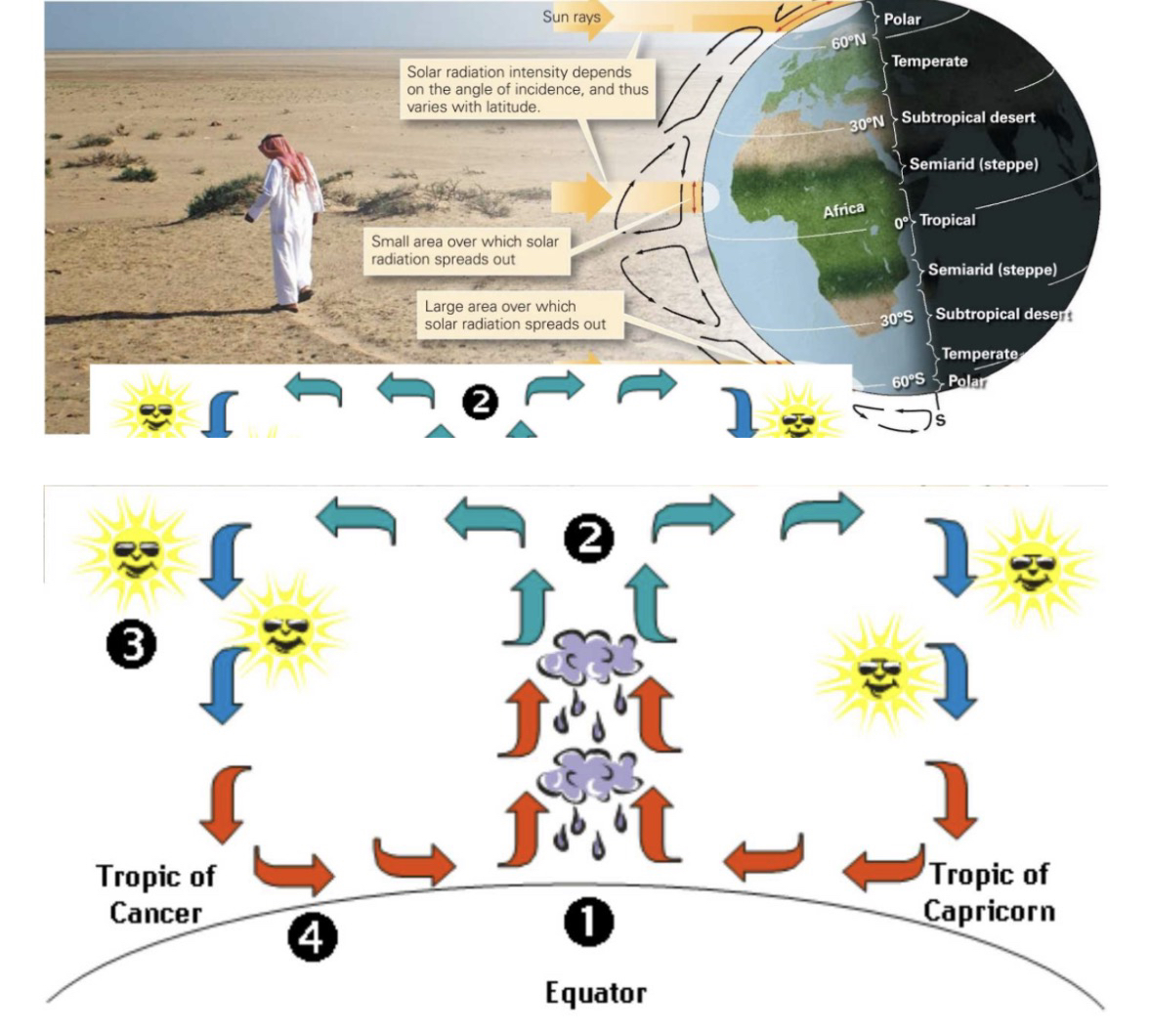
-At higher levels, dry, subsiding air and a stable atmosphere prevent precipitation forming.
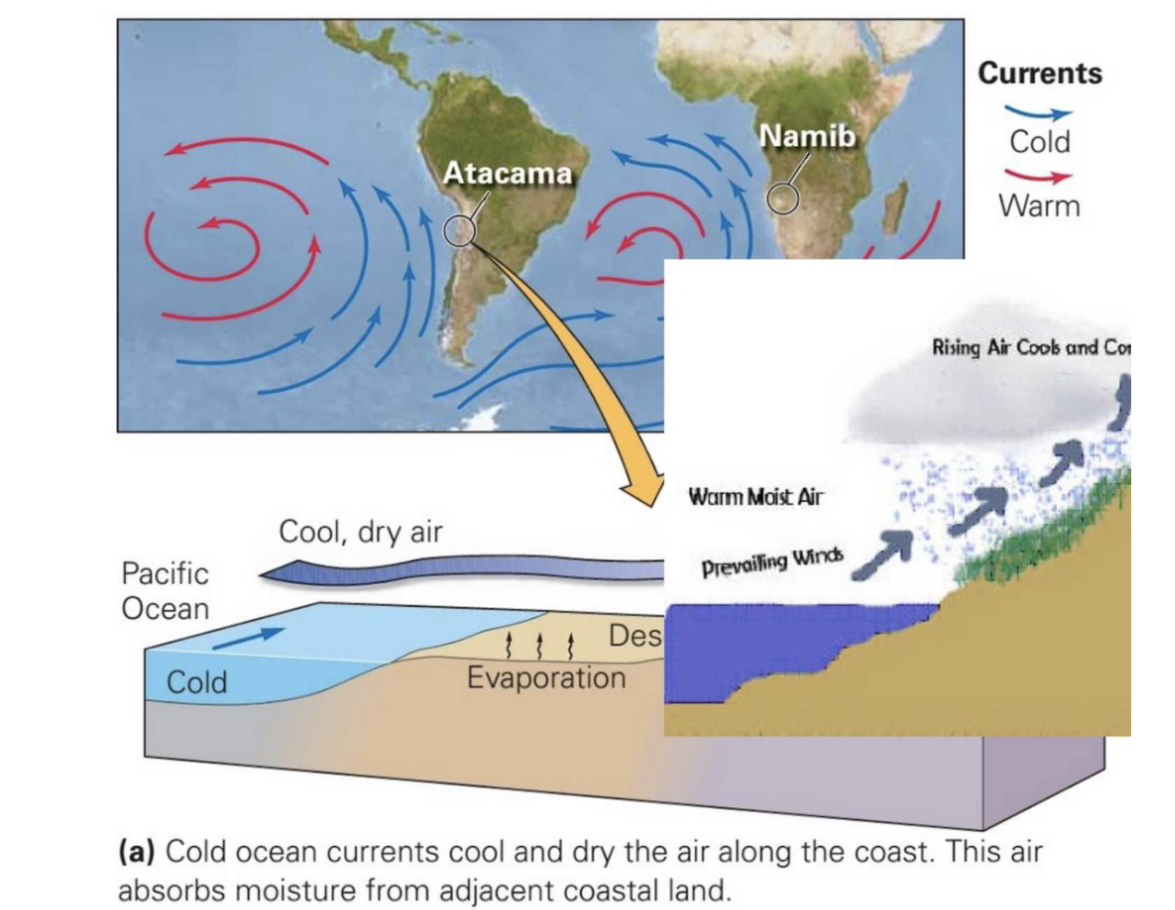
Cold oceanic currents can increase the aridity along some coastal areas.
Dryland environments may also be found in continental interiors, far removed from sources of moist, rising air.
Approximately one-third of the Earth's land surface is desert, arid land with meager rainfall that supports only sparse vegetation and a limited population of people and animals.
10% is tundra
Sudan
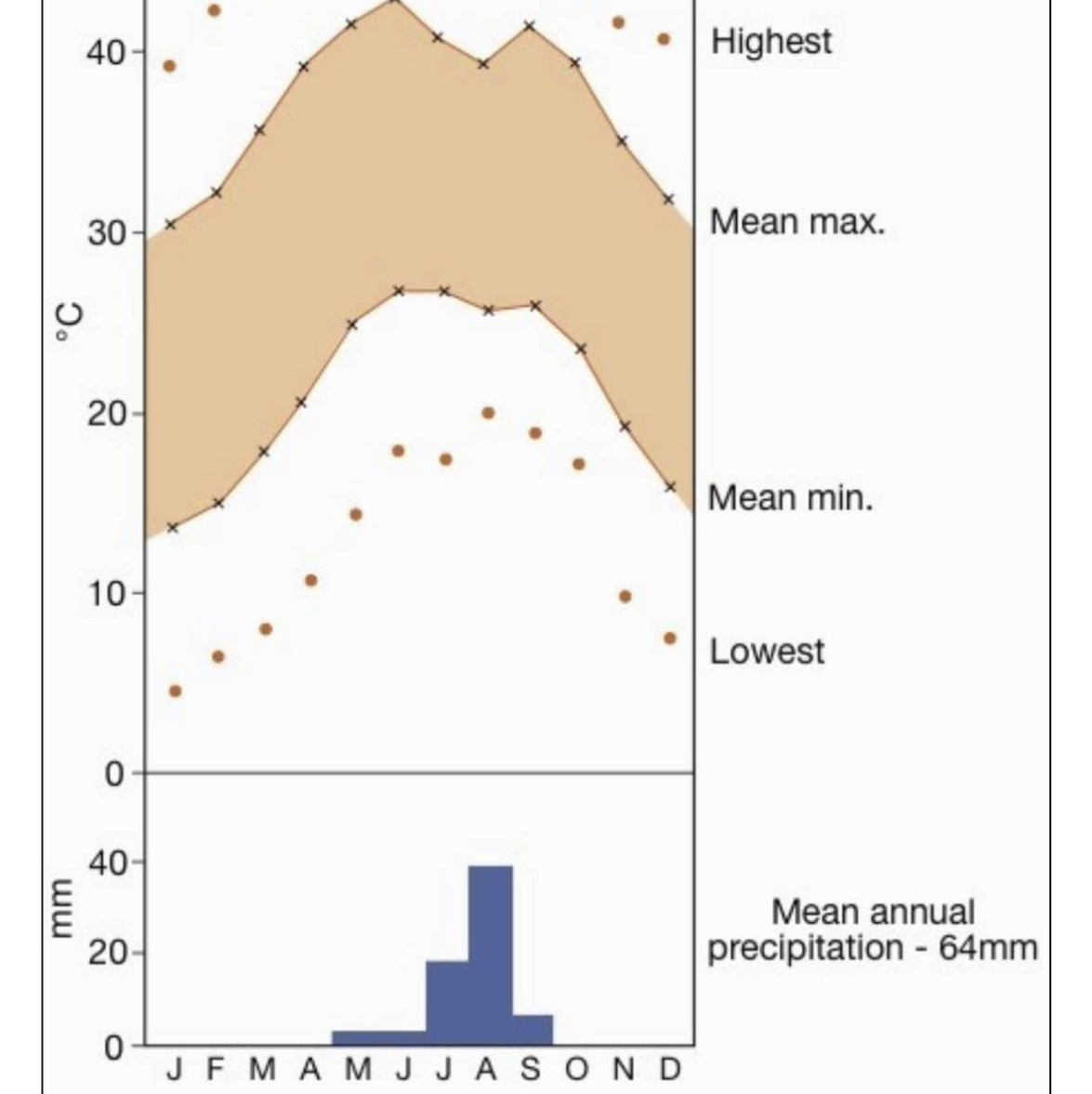
Most deserts and semi-deserts support widespread but relatively sparse vegetation.
Many species have evolved methods of coping with lack of water and extreme heat.
Desert soils are typically little weathered and lacking in humus.
-humus: decomposed material, basically good soil
Saline accumulation (salt) may be a problem in some areas.
Water demand is increasing in most parts of the world;
increasing population PLUS greater demands of increased hygiene and greater prosperity
\/
THUS water use per head and total volume are BOTH factors In some parts of the world the problem has been compounded by decreases in precipitation.
—
Saudi Arabia has been drilling for a resource more precious than oil - tapped hidden reserves of water to grow grains, fruits, and vegetables in the desert.
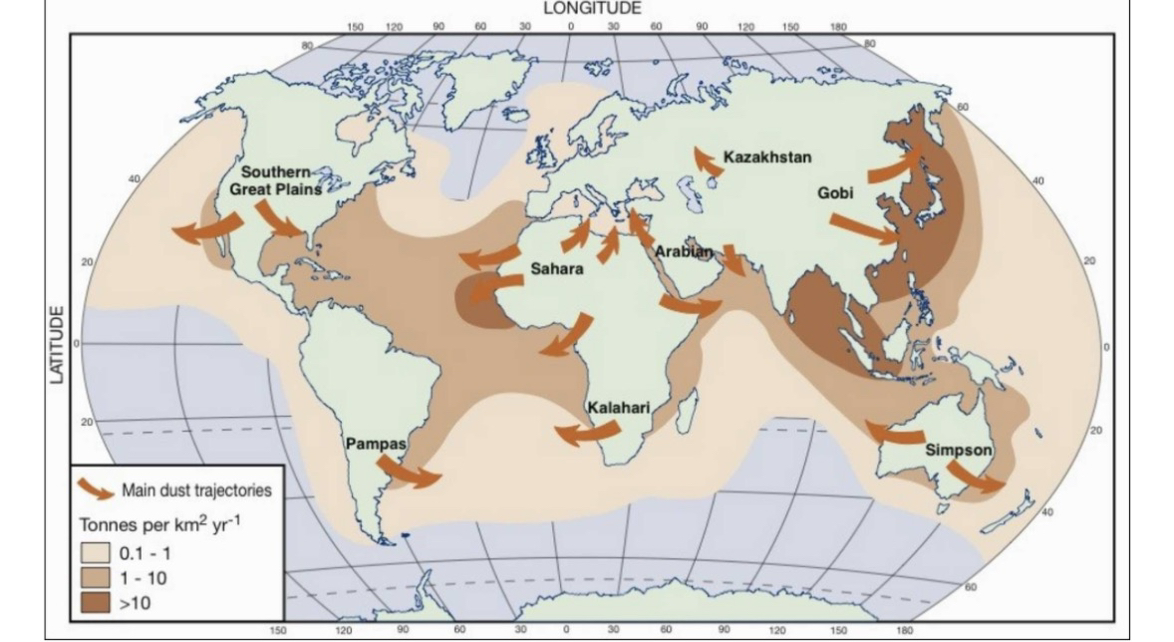
Wider environmental / ecological importance – IMPORTANT (It’s a question of rate and threshold)
Characteristics of polar and alpine biomes
Aka: High latitude and elevation environments
Bird’s eye view of the North Pole:
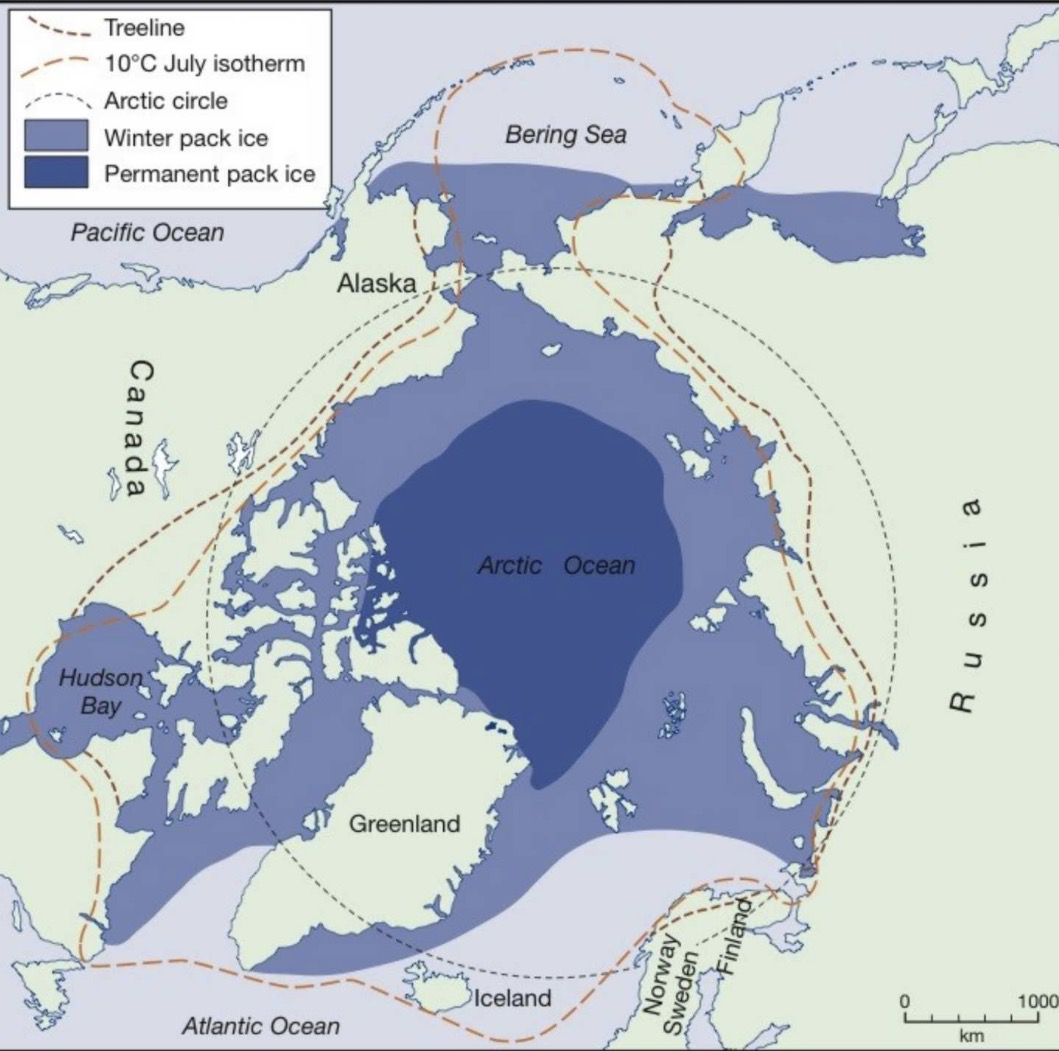
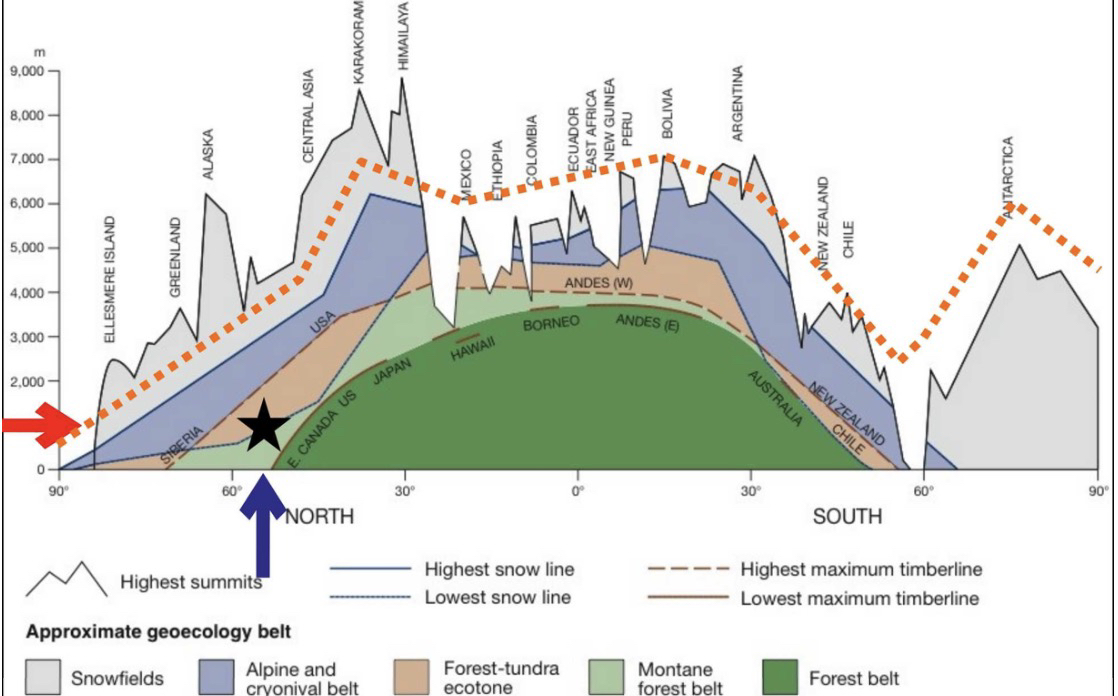
Transect form North to South Pole
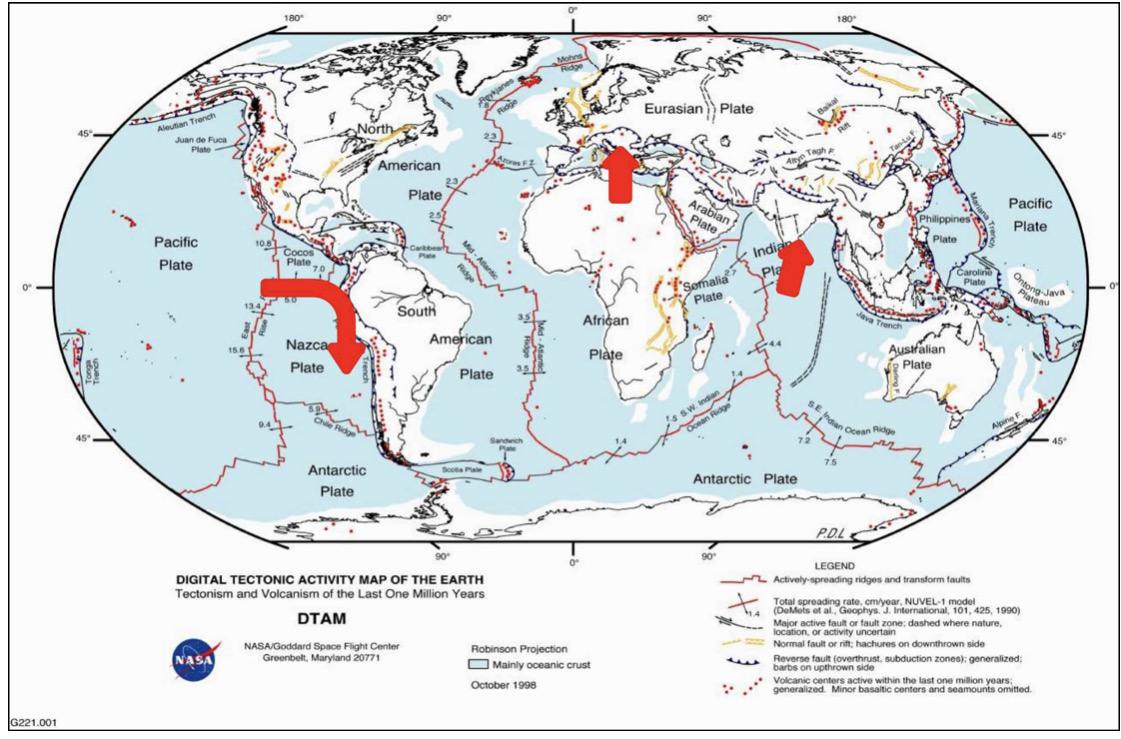
Formation of mountains
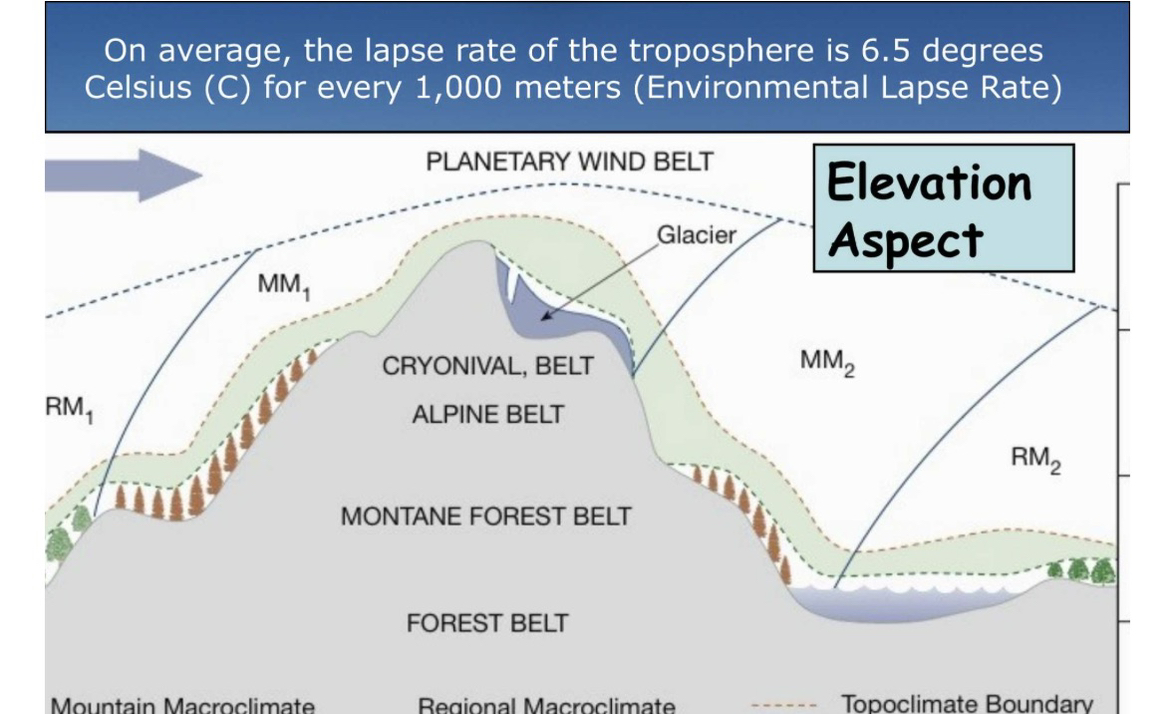
Elevation Aspect
On average, the lapse rate of the troposphere is 6.5 degrees Celsius (C) for every 1,000 meters (Environmental Lapse Rate)
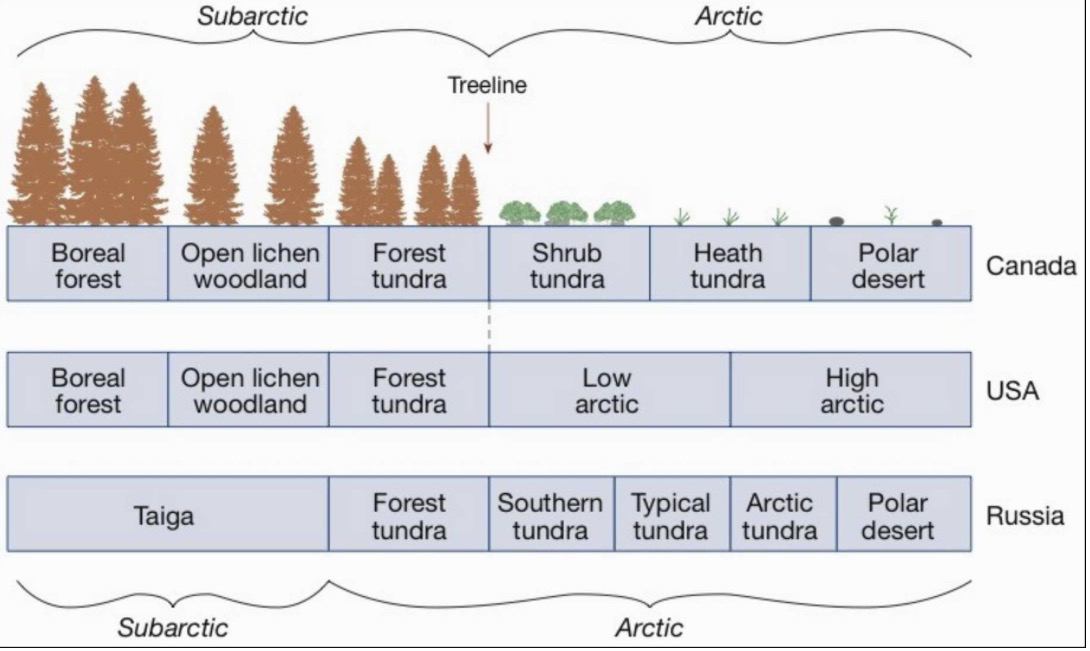
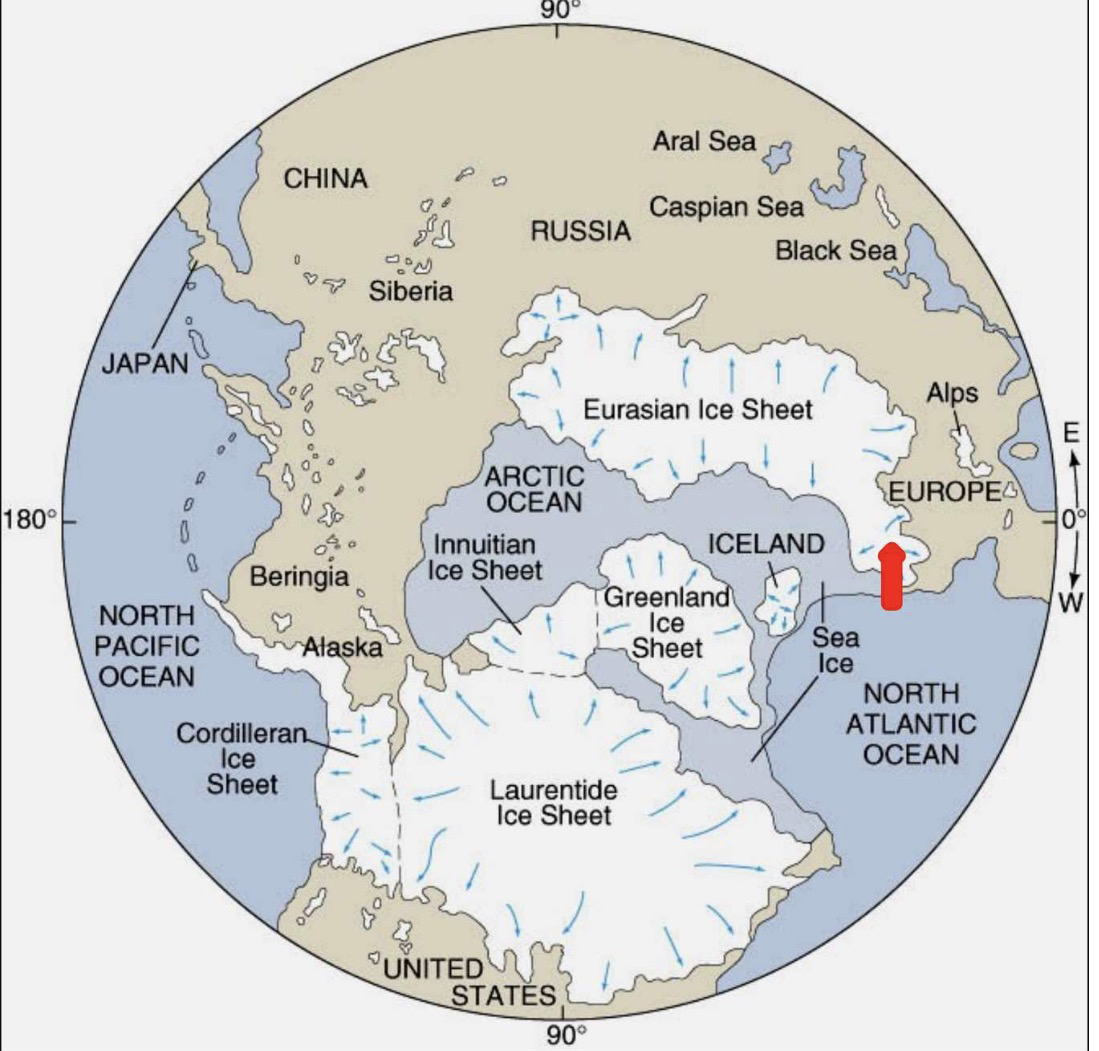
Quaternary max. ice cover; north pole view
Periglacial environments
Regions-N. hemisphere
-polar regions
Short summer, harsh winter Vegetation-sparse, low Ground exposed, frozen
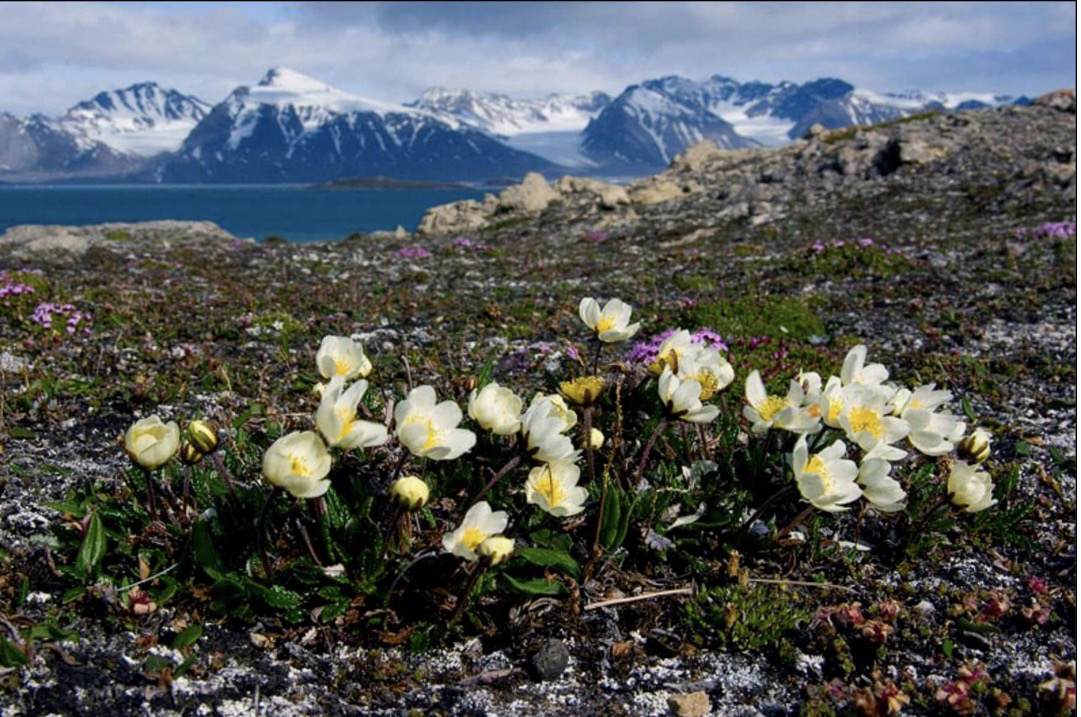
Mountain avens (Dryas octopetala; JA)
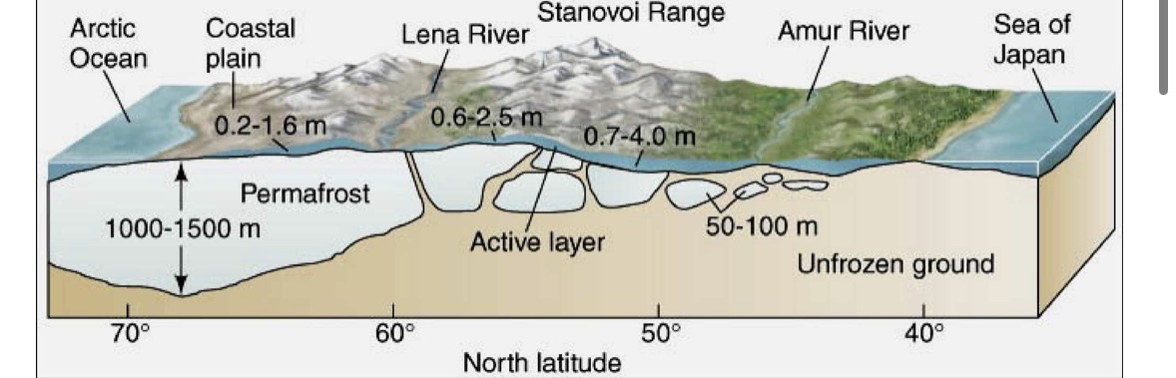
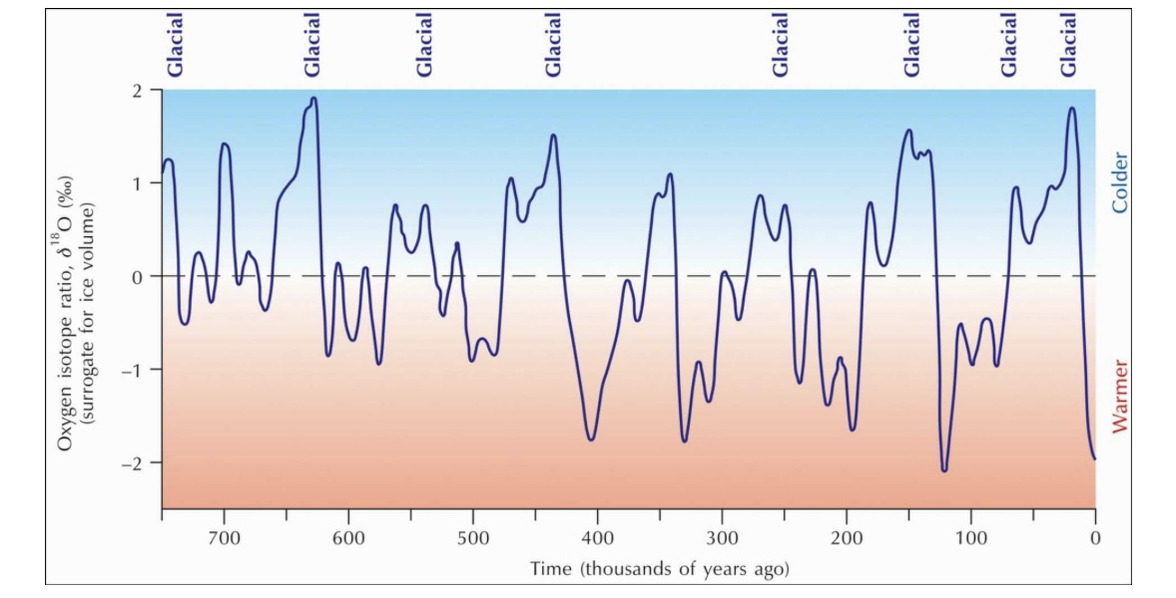
Quaternary environmental change; fossil landforms important – environmental management
and European mountains; climate change – any more snow? Habitats?
Contemporary problems – pros and cons?
Solifluction terraces
Recent Plant Diversity Changes on Europe’s Mountain Summits
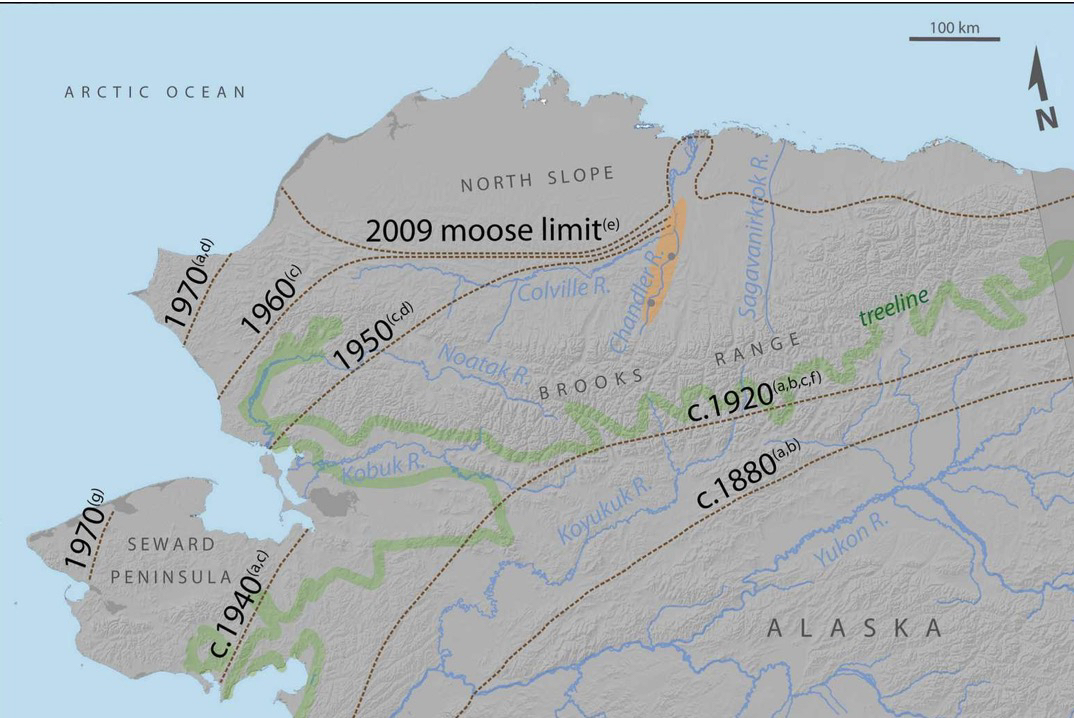
Range Expansion of Moose in Arctic Alaska Linked to Warming and Increased Shrub Habitat