lecture 14: Metamorphic Rocks
Metamorphic rocks
metamorphic rocks form when a pre-existing rock (protolith) undergoes a solid-state change in response to a change in environment (metamorphism)
Changes in rocks
Melting - rock changing from a solid to liquid lava or magma
650 degrees C and high
metamorphism - solid-state change to rock in response to environmental change
250-850 degrees C
diagenesis - change undergone by sedimentary rock after deposition
150-300 degrees C
Metamorphic Processes
the formation of metamorphic minerals - minerals that grow in place within a solid rock
metamorphic foliation - the parallel alignment of mineral grains
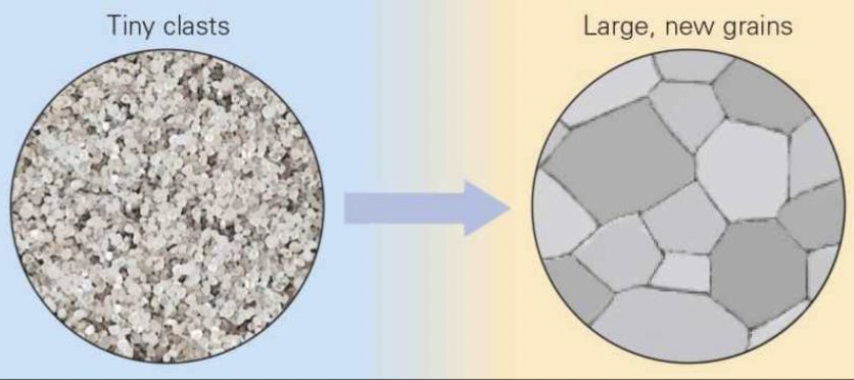
Recrystallization
the size and shape of grains change, but the mineral identity stays the same
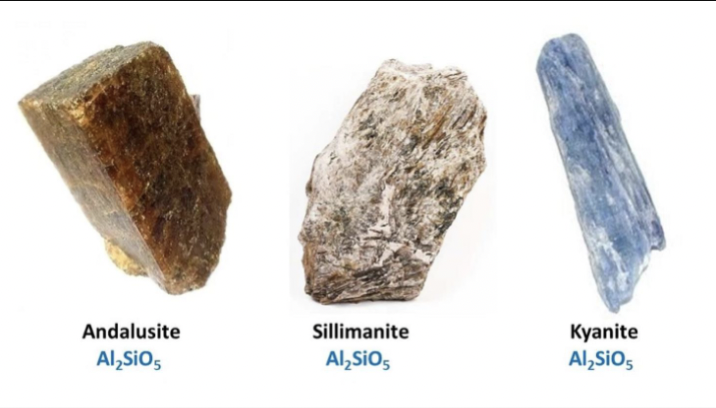
phase change
a mineral turns into another mineral (a polymorph) with the same composition but a different crystal structure (atoms rearranged)
there can be growth of entirely new minerals that differ from those in the prolith

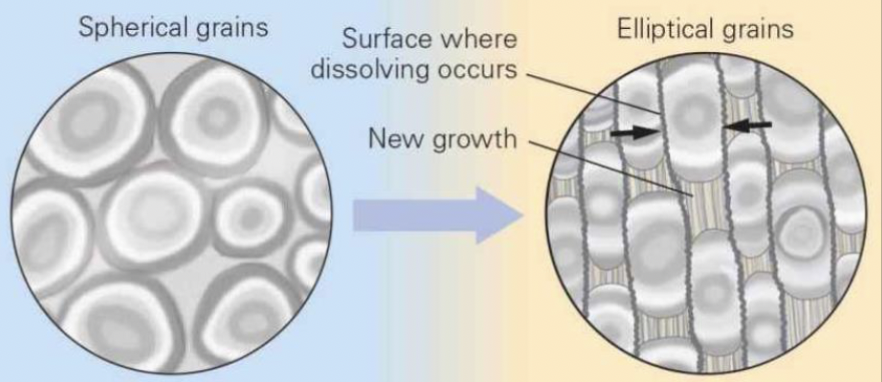
pressure solution
dissolves grains on the sides where pressure is highest, new minerals precipitate where pressure is lower
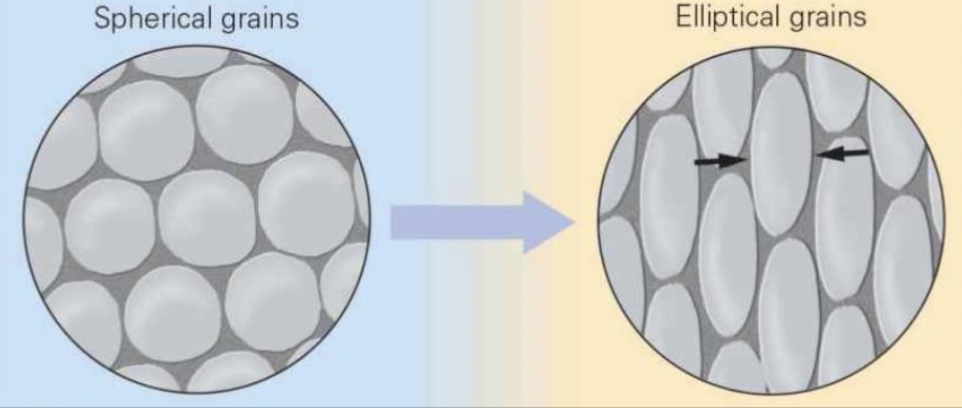
Plastic deformation
mineral grains change shape without breaking
What causes metamorphism?
heating
heating causes the atoms in rocks to vibrate, eventually breaking their chemical bonds with each other and allowing new bonds to form
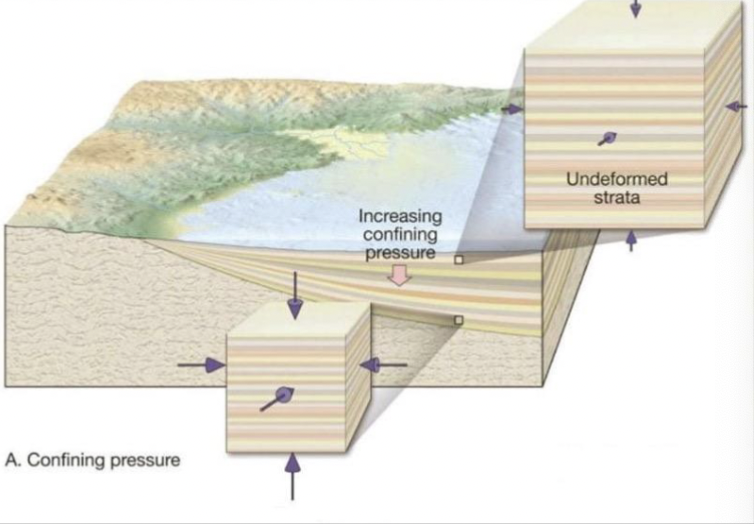
pressure and stress
minerals that are stable at earth’s surface can also change under pressure
squeezing or stretching unequally from different sides is called differential stress
it can change the size and shapes of grains


Hydrothermal fluids
Hot water, steam, and supercritical fluids can react with rocks and may carry ions to or away from rocks, changing their chemical composition
Classification of metamorphic rocks
foliated: parallel surfaces or layers in a metamorphic rock
foliation can give a rock a striped appearance, or allow it to split into thin sheets

Slate
fine grained foliated metamorphic rock
Phyllite
fine grained foliated metamorphic rock
Schist
medium to coarse grained foliated metamorphic rock
Gneiss
layered metamorphic rock with alternating dark and light colored bands (mafic and felsic minerals) called gneissic banding


Quartzite
forms from metamorphism of pure quartz sandstone
glassier appearance than sandstone
Marble
formed from metamorphism of limestone
Metamorphic grade
indicates the intensity of metamorphism
temp plays the main role in determining metamorphic grade


Metamorphic Facies
a combination of assemblage of metamorphic minerals characteristics of a certain range of pressure and temps
transitions between facies are gradual

Where does metamorphism occur?
Contact metamorphism
happens when magma intrudes into cooler rock

Burial metamorpism
happens when sediment is buried at depths of more than 8-15km and is subjected to pressure
Regional metamorphism
occurs when rocks are buried beneath mountain ranges during orogenesis
rock experiences greater heat and temp as well as sheering

Exhumation
uplift, thinning and erosion of rocks work together to expose previously buried metamorphic rock
