lecture 3 part 3
Post-Impressionist Artists
Paul Gauguin
Art Philosophy
Sought a "physicist of form and color" derived from dominant elements.
Emphasized abstraction over realistic depictions of nature.
Aimed to blend subjects’ ideas with color and form to convey invisible meanings and emotions.
Interest in Primitivism
Drawn to primitive art, viewing non-Western, pre-industrial societies as more authentic and pure.
Primitivism explores the charm of simplicity and resistance to progress, but also carries negative connotations of exploitation linked to colonialism.
Artwork Example: "Vision After the Sermon" (1888)
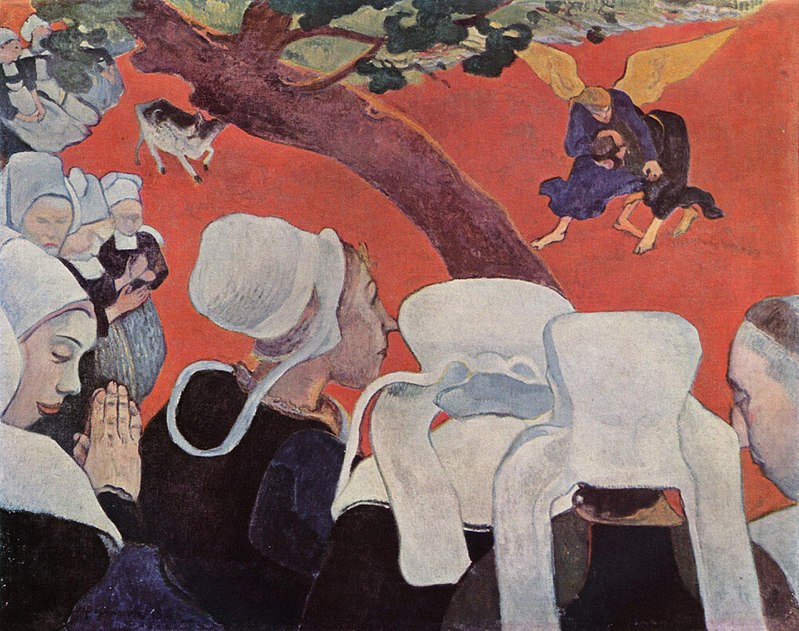
Reflects Gauguin's primitivism through style and subject matter; depicts Breton Peasants' interpretation of Jacob wrestling with an angel.
Utilizes arbitrary color (e.g., red background) and strong line work to draw the viewer's focus.
Influenced by Japanese art, notably Utagawa Hiroshige's print with similar coloring and cropping.
Later Years in Tahiti
Moved to Tahiti seeking a truly "primitive" experience; disillusioned by Western influences on native culture.
His lifestyle in Tahiti included marrying underage girls.
Disease spread by Gauguin exemplifies the darker aspects of colonization.
Artwork Example: "Where Do We Come From? What Are We? Where Are We Going?" (1897)
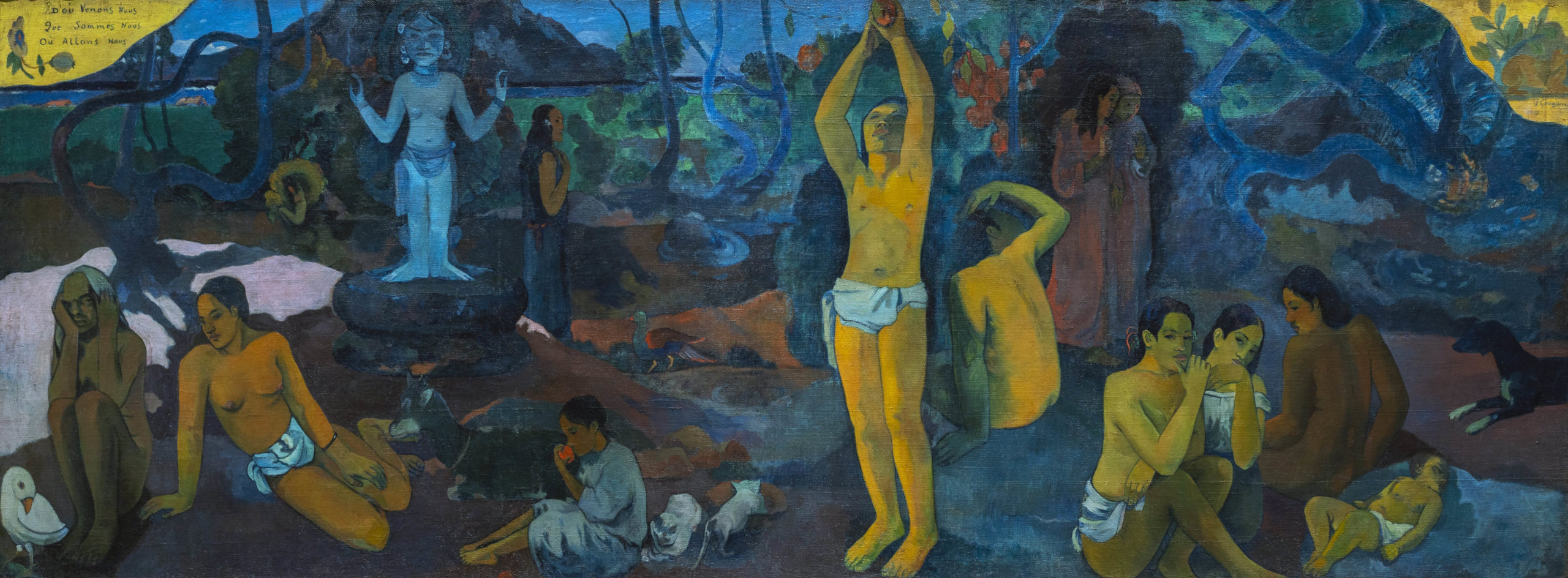
Captures Gauguin's vision of Tahiti's primitive society, utilizing tropical landscapes with symbolic figures reflecting life and death.
Incorporates various cultural influences, such as elements inspired by Rembrandt and Peruvian mummies, and features the Tahitian deity Hina and Buddhas.
Vincent van Gogh
Artistic Style and Life
Known for expressing personal emotions through distorted forms and vibrant colors.
Lived a troubled life, died at 37; debates surround circumstances of his death.
Artwork Example: "The Night Café" (1888)
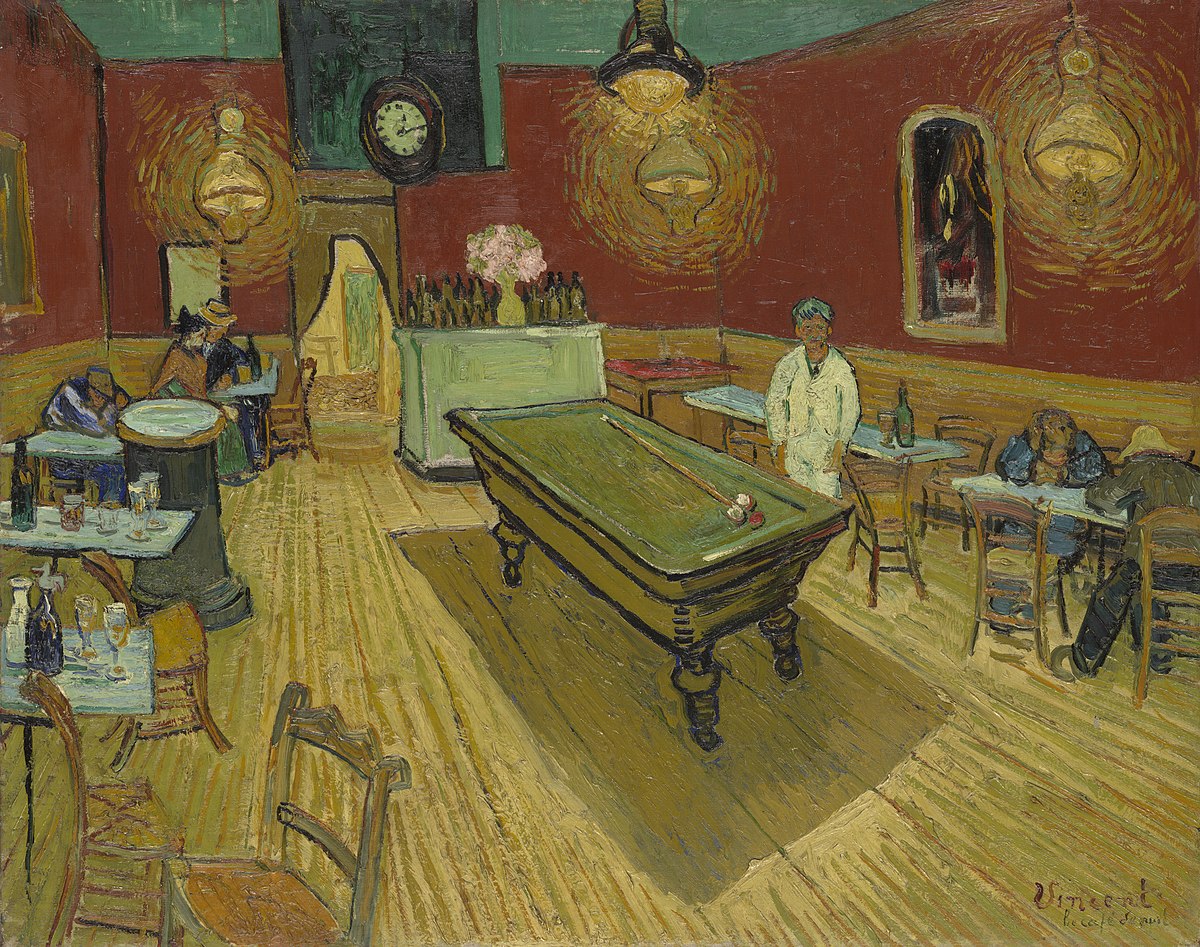
Exhibits intense colors to provoke feelings of foreboding; aggressive perspective gives a sense of entrapment.
Figure possibly represents Van Gogh, emphasizing loneliness amidst a communal yet isolating atmosphere.
Most Famous Work: "Starry Night" (1889)
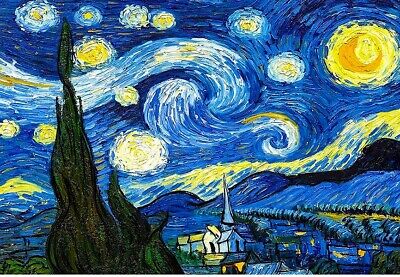
Painted during time in asylum; view reflects his emotional state rather than literal reality.
Incorporates Dutch elements, suggests deep personal connection to heritage amidst feelings of hopelessness.
Cypruss tree symbolizes eternal life, while bright stars reflect Van Gogh’s belief in the transference of souls to the heavens, blending gloom with a sense of hope.