UNIT 1 - A CONCEPTS OF MENTAL HEALTH and MENTAL ILLNESS |
INTRODUCTION |
- Mental health is an important part of everyone’s overall health and well-being. Mental health includes our emotional, psychological, and social well-being. It affects how we think, feel, and act.
- It also helps determine how we handle stress, relate to others, and make healthy choices. Mental health is important at every stage of life, from childhood to adolescence and through adulthood.
|
MENTAL HEALTH AND MENTAL ILLNESS |
- MENTAL HEALTH
- Is a “state of complete physical, mental, and social wellness, not merely the absence of disease.”
- MENTAL ILLNESS
- Mental disorder is a behavior that occurs in an individual associated with present distress or with an increased risk of suffering death, pain, disability or an important loss of freedom.
|
MENTAL HEALTH-MENTAL ILLNESS CONTINUUM |
- We say we are healthy if we have enough energy, we are calm in dealing with things around us, we act normal in socializing with others, we perform good, sleep well and have healthy habits. However, there are times wherein we have a negative reaction, that leads to injury and illness.
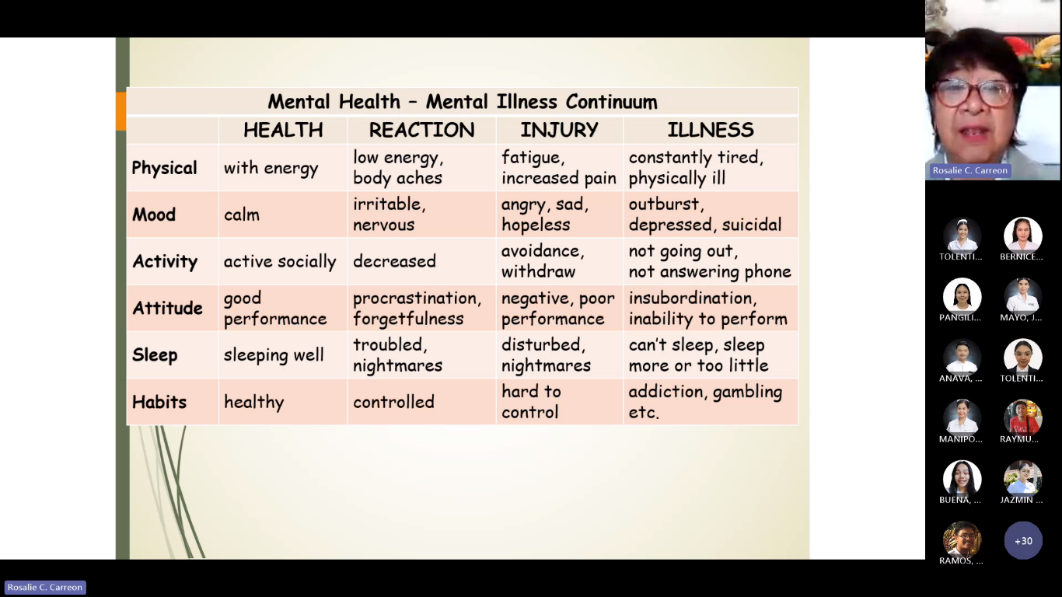 Figure 1: Mental Health – Mental Illness Continuum |
CONCEPTUAL FRAMEWORK FOR PSYCHIATRIC CARE |
- Psychobiology – a scientific study of the relationship among the structure and functions of the brain, biochemical and hormonal processes, genetics, environmental experiences and human behavior.
- Neuroanatomy and Behavior
- Cerebrum:
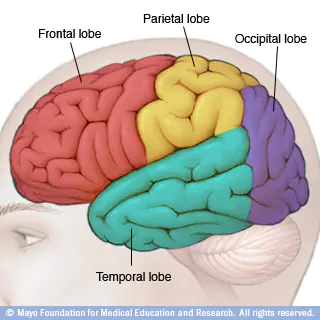
- Frontal Lobe
- Higher order thinking
- Abstract reasoning
- Decision making
- Speech
- Muscle movements
- Parietal Lobe
- Sensory functions
- Body position
- Occipital Lobe
- Temporal Lobe
- Judgement
- Memory
- Smell
- Sensory
- Understanding sound
- Diencephalon
- Thalamus
- Receives and relays sensory information
- Memory
- Regulates the mood
- Hypothalamus
- Control center of the body
- Regulates temperature
- Food intake
- Water
- Biologic rhythm
- Hormonal output
- Limbic System
- Neurotransmitters – a chemical messenger that carries stimulating massages from one neuron to another across the space between them.
- Neurotransmitters should always be in balance.
- According to research, neurotransmitters are one of the causes of mental alterations.
- Biological Perspective: Neurotransmitters
- Acetylcholine
- Muscle movement
- Cognitive functioning
- Deficiency causes Alzheimer.
- Dopamine
- Controls movement
- Emotions and pleasure
- Oversupply is linked to Schizophrenia
- Undersupply is linked to Tremors
- Also links on Parkinson’s Disease due to tremors.
- Serotonin
- Influences sleep, hunger, mood, pain, and arousal.
- Deficiency is linked to Depression
- Endorphin
- Influence perception of pain and pleasure.
- Undersupply is linked to Depression, Anxiety and Chronic Headache.
- Glutamate
- Excitation of nerve cells.
- Oversupply causes restlessness
- Undersupply hinders concentration
- Gamma Aminobutyric Acid (GABA)
- Inhibitory function
- Undersupply is linked to Seizure and Insomnia.
- Norepinephrine
- Excitatory function
- Controls arousal and alertness
- Undersupply is linked to Depressed Mood.
- Hormonal Influences
- HPA (Hypothalamic-pituitary-adrenal) Axis
- Decreased HPA has something to do with Depression.
- Underactive thyroid gland
- Stress response
- The fight and flight response
- Genetics
- Genes, family, child
- Susceptible by other factors (such as stress, abuse and traumatic events)
- Biology and Environment
- Brain defect or injury
- Infections
- e.g. Streptococcus Infection
- Prenatal damage
- Substance abuse
- Nutrition
- Toxins
- Lead
|
CONCEPTS AND PATTERNS OF HUMAN BEHAVIOR |
- FAMILY DYNAMICS
- The patterns of interactions, roles and relationships, and the various factors that shape their interactions.
- FAMILY SYSTEMS THEORY
- Is conceived as a collective unit made up of individual parts.
- The people who will help you are within your own family.
- FAMILY SYSTEMS THEORY
- The process of role reversal whereby a child takes on adult responsibilities within the family.
- Baliktad ang role ng magulang sa role ng bata. They are subjected to arduous/stressful things at an early age (i.e. nanlilimos para mabuhay ang pamilya).
- Parents are suffering from alcoholism causing them to pass the heavy weight of providing for their family to their children.
- SCAPEGOAT
- Refers to a member of the family, usually the identified patient, who is to blame for the conflict in the family.
- Blame is ipapasa usually sa children.
- ENMESHED
- Refers to a family structure that resists the demands for change.
- Ayaw ng magulang na mahiwalay sakanila ang mga anak nila or gustong sumama sa mga anak nila wherever they go.
- DISENGAGED
- Refers to a family structure where members are distant or disconnected.
- They are not around to help you when you need someone.
- Parents are working abroad; the child is left alone. Children grow up without having a role model, thus, they tend to make bad decisions. They usually feel neglected and unloved.
- TRIANGULATION
- Occurs when there is a conflict between two family members, they attempt to involve a third person who is asked to take sides.
- Children are put in a tough situation wherein they need to choose between the mother and father.
|
MENTAL HEALTH GAP ACTION PROGRAM |
(2008) WHO launched the mental health gap action program. - Aims to provide health planners, policy- makers, and donors with a set of clear and coherent activities and programs for scaling up care for mental, neurological and substance use disorders.
Objectives - Reinforce the commitment of governments, international organizations, and stakeholders...
- To achieve much higher coverage with key interventions.
- Humihingi sila ng additional pondo because of the bulking of mental disorder.
|
MENTAL HEALTH CARE DELIVERY SYSTEM (mhGAP) |
Republic Act (RA) # 11036 Mental Health Act (June 20, 2018) - Author is Risa Hontiveros na pinirmahan ni Duterte
- To enhance the delivery of integrated mental health services, promoting and protecting the rights of individuals who need these services.
- Philippines is rater as the 3rd highest rate of mental health problems in the Western Pacific Region.
- 10 to 15 %, Filipino children aged 5 to 15 are affected by mental health problems.
- 16.8% Filipino students aged 13 to 17 tried to commit suicide.
Department of Health (WHO) - 3.6 million Filipinos have mental disorders
- mental, neurological, or substance use disorders
- 450 million people all over the world have mental disorders
Mental Health Law provide patients and sufferers: - access to the benefits of government medical insurance.
Payment coverage: - medical check-up, medicine, and hospital confinement.
- PHILHEALTH helps a lot sa mga medical fees kasi maraming discount.
|
WHY FILIPINOS DON’T SEEK HELP |
- Socio-Cultural Barriers:
- Social norms
- Beliefs on mental health
- Influence of religious beliefs
- Social stigma
- Language and acculturation factors
- Psychosocial Barriers:
- Lack of support
- Severity of the Illness
- Awareness of the Illness
- Fear of the treatment
- Systemic/Structural and Economic Barriers:
- Financial
- Employment Status
- Accessibility, Availability, and Affordability of health care system
- Ethnicity, nativity, or immigration status
|
MENTAL HEALTHON THE MOVE (LUSOG-ISIP APP) |
- Importance of the Application
- To help persons who use drugs
- Help them recovery
- Help their families obtain access to informal care, community-based rehabilitation and recovery support to reduce or prevent drug independence.
- Evidence-based tools and Materials
- Workbooks
- Exercises
- Audio Guides
- Journaling
- Mood-tracking
- Self-care reminder
|
UNIT 1 - B HISTORICAL PERSPECTIVE |
INTRODUCTION |
- The “trailblazers” realized that mental illness was different from medical-surgical disorders. They understood that each person’s mind was truly unique and that therefore nurses needed information and training specific to those illnesses.
- To help meet those needs, actions were taken to improve the quality of care for those patients. This was not enough, however, and it became evident that, often, persons with mental disorders were better served through care in special facilities.
|
HISTORY OF PSYCHIATRIC CARE |
Prehistoric times |
- Patients with mental disorders are often treated by tribal rites (e.g. kwak doctors).
- If they are left with no choice and have no hope of treating the patient, typically what nomads do, as they have no permanent address and move from one place to another, is to leave patients to die of starvation.
- Since they are abandoned by their people, they are left to be eaten by wild animals.
|
Hippocrates II (400 BC) |
- “Father of Modern Medicine”
- “World’s First Physician”
- He, along with his team, identified several medicines suitable for these patients. Nevertheless, their research remained incomplete without sufficient supporting evidence to comprehensively understand and implement their findings in practical settings.
|
Greek and Roman Era |
- In this era, mentally ill patients were housed in temples.
- However, within these temples, they were often subjected to harsh and barbaric treatment.
|
Middle Ages |
- Priests takes the responsibility of taking care of a client.
- Priests used to rely on "superstitious" beliefs when caring for individuals with mental illnesses, often forbidding them from eating in the hope that this would expel demons from their bodies.
|
Sixteenth Century |
- Locked up in jails or dungeons, for where there are kept in.
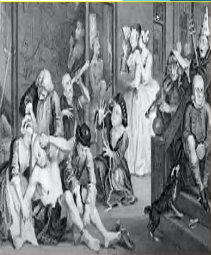 - The picture below shows people coming to visit to watch the mental health clients are doing and what their life is inside the jail and dungeons.
- Visitors to the jail of mental health clients are also the ones who pay for the services, directing the funds toward the administration.
- Harmless inmates begged – they intend to go out of the jail or dungeons and ask to beg outside and the funds will direct to the administration.
|
Seventeenth Century |
- Clients are still kept in dungeons.
- Purging, whipping, bleeding, and isolation are still practiced on clients under the belief that these methods will help them improve or be cured.
|
18th-Century |
- Benjamin Rush – Father of American Psychiatry
- According to Frenchman Philippe Pinel, Mental Illness is a disease of the mind and patients are not possessed by demons.
- He asked the government to place patients in the cellar clean beddings and warm rooms.
- Chain in patients were prohibited by Frenchman Philippe Pinel.
|
Lunar Theory of Insanity |
- The moon influenced the person’s behavior which is called “Lunar Theory of Insanity”
- It happens during FULL MOON.
- In physics, the gravity of the earth has something to do with the client's behavior.
|
Dorothea Dix |
- Responsibility proved to be therapeutic because it provides meaningful activity.
- In 18th century here comes Dorothea Dix.
- Came ahead of Florence Nightingale. Mas nauna si Dorothea Dix.
- She is not a nurse. She was a teacher. Nakita niya how the life of those mental ill client’s. She wrote letters to governors to provide hospitals to house mentally ill clients. Some books say she helps build 30 or 32 hospitals for mentally ill clients.
- Those hospitals become therapeutic for patients. For example, if the client is good in gardening, cooking etc. The client will be assigned to do that task. That is one way of improving themselves.
|
19th Century |
- Auction/bidding
- Strongest backs and the weakest mind were sold to the highest bidder.
- If you are strong, you will be sold to the highest bidder because they will make you a SLAVE.
- “Decade of the Brain”
- During this century it is called “The Decade of the Brain” kasi marami na silang nalalaman. Nagre-research na sila ganiyan. There are already many output of researchers about mental health.
|
Twentieth Century |
- Cause
- Prevention
- Treatment
- Professionally Trained Workers
- But psychiatric workers are limited unlike in other departments
- Psychotherapy
- Private Asylum
- It is not called dungeon/jail anymore
- Those who can go to private asylum are the rich/people who can pay
- Germany – euthanasia program
- Mentally ill were secretly exterminated (disabled babies, children and teenagers) murder, lethal injection, & starvation
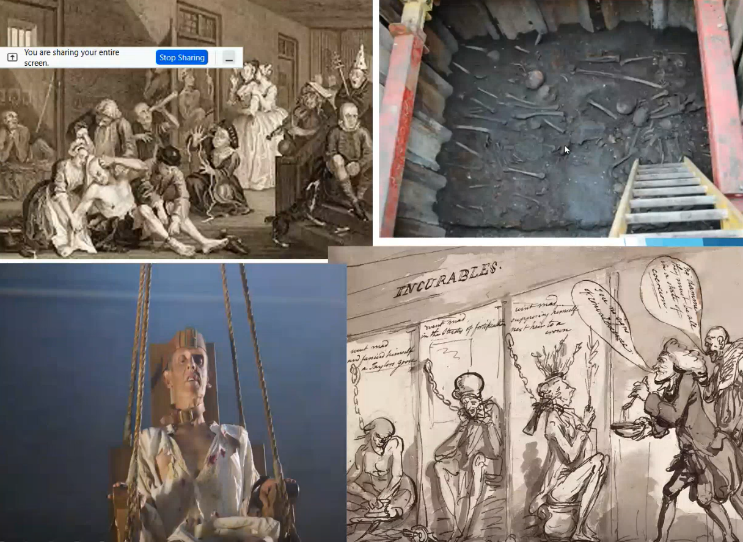
- 2nd picture: Hospital in London ran by a private family – a lot of skeletons are seen in the underground
- 3rd picture: iniikot ikot at binababa taas yung upuan – done as one of the treatment
- 4th picture: they are evaluating who to kill or not
 |
WW2 |
- Increase in psychiatric departments
- Medical schools with field in medical science
- Few psychiatry in their curriculum
- Availability of funds for nursing and other disciplines for training and research
- Lithium medication
- During this time, many suffered from PTSD. Lithium was used for treatment. Then it was banned (because it was strong and could cause toxicity). But they returned it back because it treated those who came from the war.
- Toxicity to lithium: yellowish discoloration of the sclera, rigidity of the upper and lower extremities, sialorrhea (increase in salivation), catatonic state (pero nakakalakad pa)
- Given diuretic (diamicron) and iv fluid, did a gastric lavage
- Community Mental Health Centers
- “Asylum” to hospital
- Free-standing facility “detoxification centers”
- When you are suffering from PTSD, sometimes you will cling to medications/use drugs which leads to abuse. They experience outbursts so they are admitted to detoxification centers.
- Deinstitutionalization
- They bring the clients to the community.
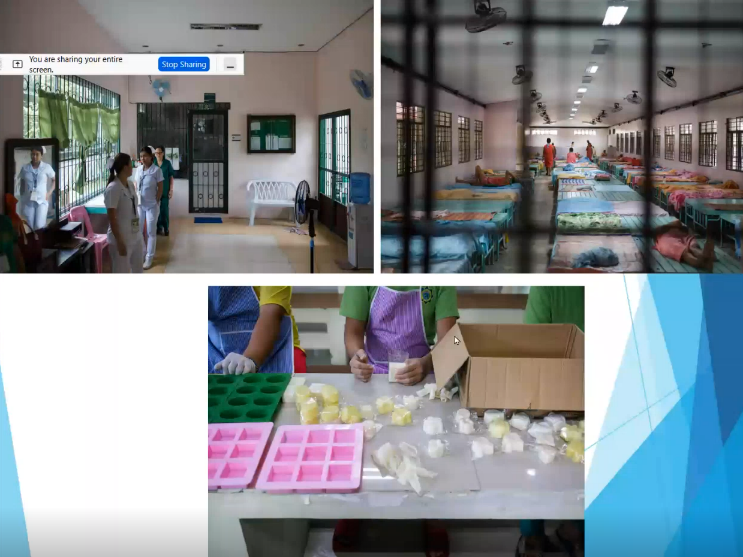 - Mental institutions’ windows have windows to keep patients safe.
- Things are made of plastic so if they throw it to others, it is not too painful.
- Occupational therapy – so when they are discharge, they can leave normally or they can make their selves busy (e.g. training them how to make soap)
|