Wildlife Management and Rabies Epidemiology Notes
Wildlife Management
Lethal Approaches:
Proactive culling
Reactive culling
Selective culling
Non-lethal Approaches:
Surveillance
Spatial separation
Temporal separation
Veterinary medicines
Vaccines
Culling
General Use:
Commonly employed to control pest populations, also integral to disease management despite known limitations.
Types of Culling:
Proactive Culling:
Aims to reduce host/vector population before disease transmission; based on the assumption that transmission is density-dependent.
reduce density reduces size of problem
Reactive Culling:
Targets host/vector reduction post-disease transmission to mitigate further spread. Example: Management of foot-and-mouth disease via "cordon sanitaire."
Involves removing individuals from the population following an outbreak; focuses on controlling the immediate spread of the disease. This approach can help mitigate the risk of further infections, but it must be balanced with ethical considerations and the potential impact on the ecosystem. Proactive measures, such as vaccination programs and habitat management, are essential for long-term control of rabies in wildlife populations. Additionally, these proactive strategies can enhance population resilience and contribute to a healthier ecosystem, ultimately reducing the likelihood of future outbreaks.
Selective Culling:
Involves removing infected (potentially non-infectious) animals to minimize transmission, requiring strong surveillance and monitoring systems (e.g., managing bovine tuberculosis in cattle).
Rabies Overview
Modern Success Story:
Different dynamics in developed vs. developing nations; manageable due to the disease's characteristics but strategic efforts and luck have shaped outcomes.
Definition of Rabies:
Belongs to Order: Mononegavirales, Family: Rhabdoviridae, Genus: Lyssavirus (14 species).
A negative-sense RNA virus, with specific replication mechanisms hijacking host cellular machinery for transcription into mRNA.
Genome Structure:
12 kilobases with 5 genes coding for viral proteins:
Nucleoprotein (N)
Phosphoprotein (P)
Matrix protein (M)
Glycoprotein (G)
Polymerase (L)
Rabies Virus Types
Commonly identified bat-related rabies viruses and characteristics of their primary hosts worldwide.
Primary Hosts of Rabies
Canine Rabies:
Primary host: dogs - canaine rabies ; Secondary (dead-end) hosts: humans cos dogs surrounded by dogs
Sylvatic Rabies:
Primary host: wildlife; includes livestock and humans as secondary hosts.
Primary host: wild carnivores such as raccoons, foxes, and skunks; Secondary hosts: domestic animals and occasionally humans.
Bat Rabies: first developed rabies
Primary host: vampire bats feed on blood ; humans on feet and livestock are dead-end hosts.
Transmission and Symptoms
Transmission Cycle:
Generally occurs through bites of infected animals with varying incubation and infectious periods. need canine teeth to transmit.
Incubation Period:
Dogs: 2-16 weeks; Humans: 2-12 weeks.
period varies cos of
–Type of virus
–Severity of bite
–Amount of virus injected
–Immune status of host
–
–Proximity of the bite wound to the brain (children more likely to be bitten around the head)

Infectious Period:
Dogs: <5 days; Humans: Not applicable.
Symptoms: Two forms:
Encephalitic (“furious”) form: increased aggression.
•Other symptoms include:
–Hypersalivation
–Agitation
–Hallucinations / delerium
–Muscle weakness
–Coma

Paralytic (“dumb”) form: paralysis, reduced aggression.
Prognosis
Historically fatal with no survivors showing symptoms, rabies is now one of the most lethal diseases globally.
death often from respiratory failure
100% mortality rate
Treatment and Management
Vaccination Progress:
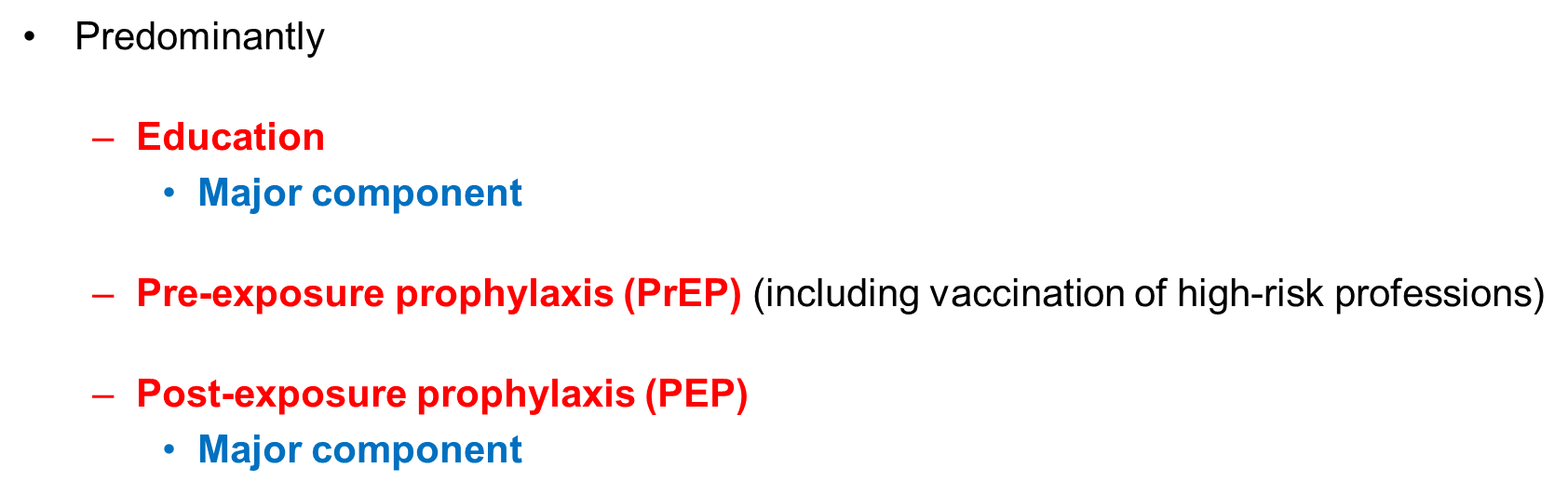
Historical development including Louis Pasteur's early vaccine and modern treatments focusing on education and pre/post-exposure prophylaxis.
Post-exposure Protocol:
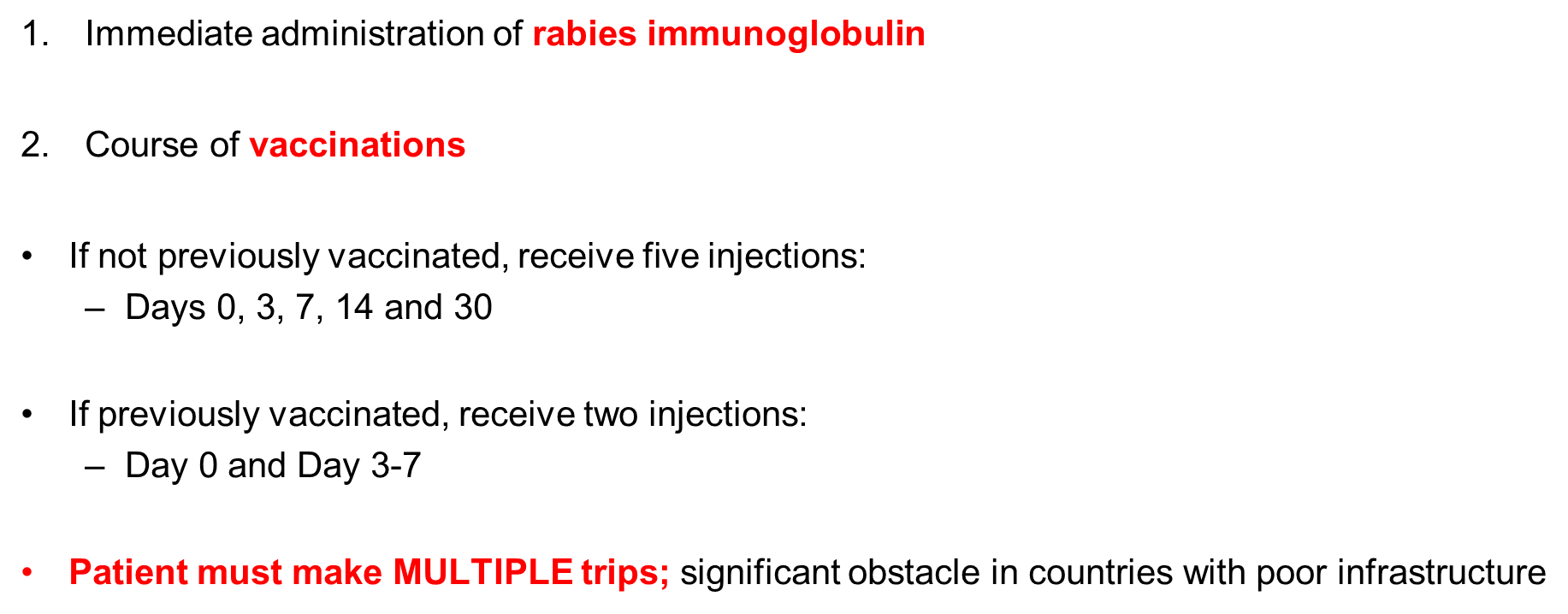
Immediate rabies immunoglobulin and vaccination protocol tailored to exposure history.
1.Immediate administration of rabies immunoglobulin
●
2.Course of vaccinations
●
•If not previously vaccinated, receive five injections:
–Days 0, 3, 7, 14 and 30
–
•If previously vaccinated, receive two injections:
–Day 0 and Day 3-7
–
•Patient must make MULTIPLE trips; significant obstacle in countries with poor infrastructure
organ donation very rare
DEVELPMENT OF FIRST VACCINE
•1879: accidentally develops a vaccine for chicken cholera
•
•1880: starts to investigate rabies
•
•1881: performs vaccine experiment against anthrax
•
•1885: Successfully treats 9-year old Joseph Meister for rabies
–
–Even though never used vaccine successfully before
–Pasteur not a medical doctor, so not allowed to treat patients!
•1886: presents paper on the successful treatment of over 350 patients with vaccine
•
–All post-exposure
•
•Patients start to arrive in Paris routinely for post-exposure treatment


MODERN DAY TREATMENT
•Predominantly
–
–Education
•Major component
•
–Pre-exposure prophylaxis (PrEP) (including vaccination of high-risk professions)
•
–Post-exposure prophylaxis (PEP)
•Major component
Challenges in Rabies Management
Reactive culling of dogs remains common, but proactive measures have gained focus, adverse social effects noted (e.g., increased aggression).
Social Dynamics in Dog Populations:
Maintaining social order post-culling is crucial to avoid increased aggression.
Epidemiological Insights
Reproductive Number (R0):
Threshold for disease stability in populations; values indicate necessity for reduction in transmission to manage outbreaks effectively.
Global Context:
A historical overview of rabies proliferation in various regions revealing consistent R0 values highlighting the challenges in control.
Vaccination Efforts:
Important vaccination coverage statistics showcasing disparities based on socio-economic factors and systemic support in various countries.
Conclusion
Future Directions:
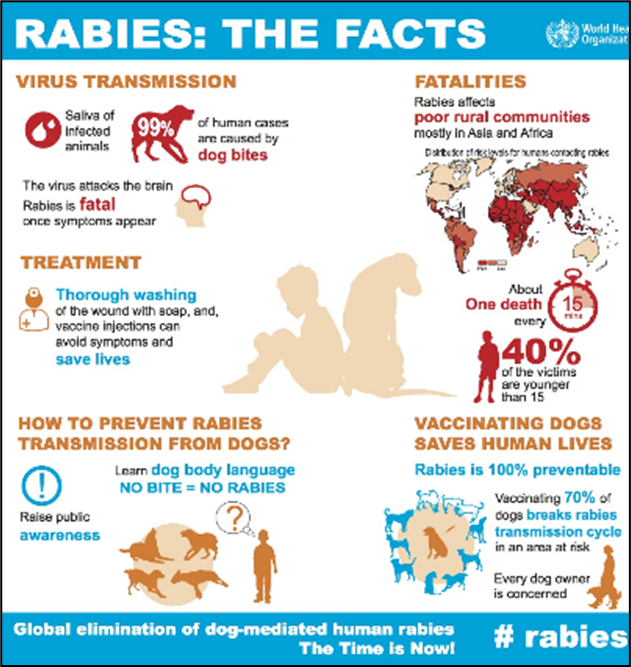
WHO's objective for zero rabies deaths by 2030 highlights the urgent need for comprehensive control measures, particularly with canine rabies.