B4
Photosynthesis limiting factors
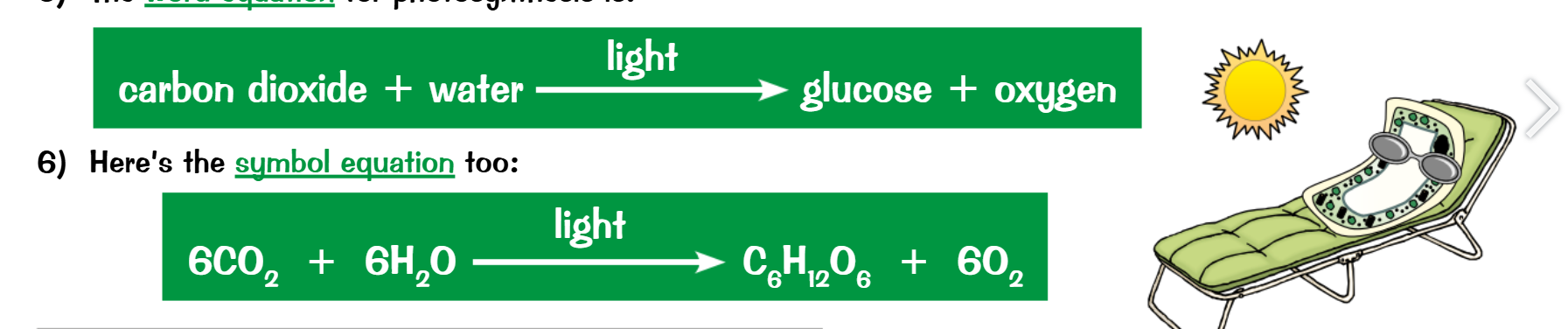
Photosynthesis takes place in the chloroplasts as they use a green pigments called chlorophyll to absorb light and use it as energy to turn CO2 and water into glucose and oxygen
Plants use glucose for
Respiration: using energy from glucose for making other useful substances
Making cellulose- This is for cell walls
Making amino acids- Glucose + nitrates = amino acids which can make proteins
Stored as fats- Glucose is turned into lipids for strong seeds
Stored as starch- This is to store it for long periods of time when photosynthesis is inactive, such as winter
Limiting factors:
a resource or condition that constrains a population's growth or size
CO2 Concentration
Light
Temperature
Chlorophyll
Light
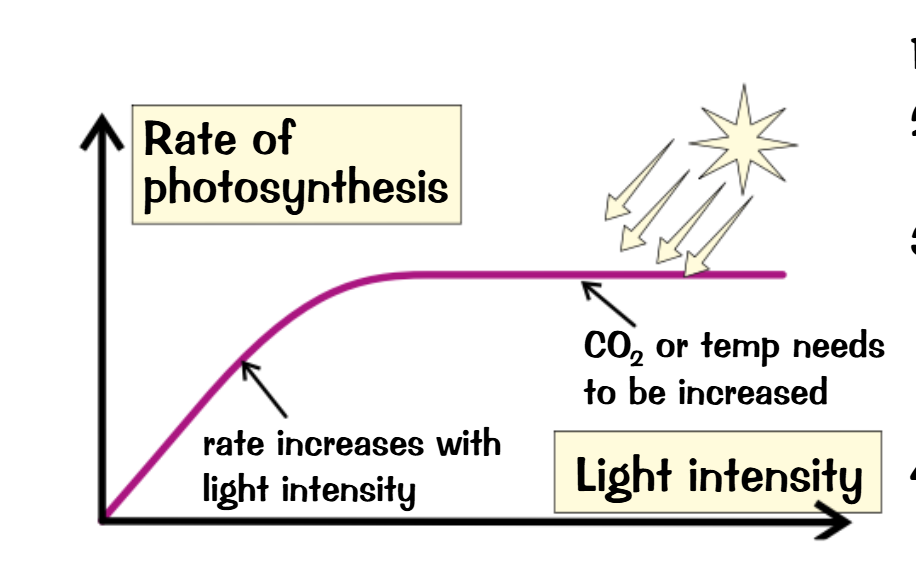
Light provides energy for photosynthesis
As the amount light increases so does the rate of photosynthesis gradually
Until it reaches a point where it no longer increases
This is the point where light no longer becomes a limiting factor
Leaving temperature and CO2 concentration as the other limiting factors
Carbon dioxide
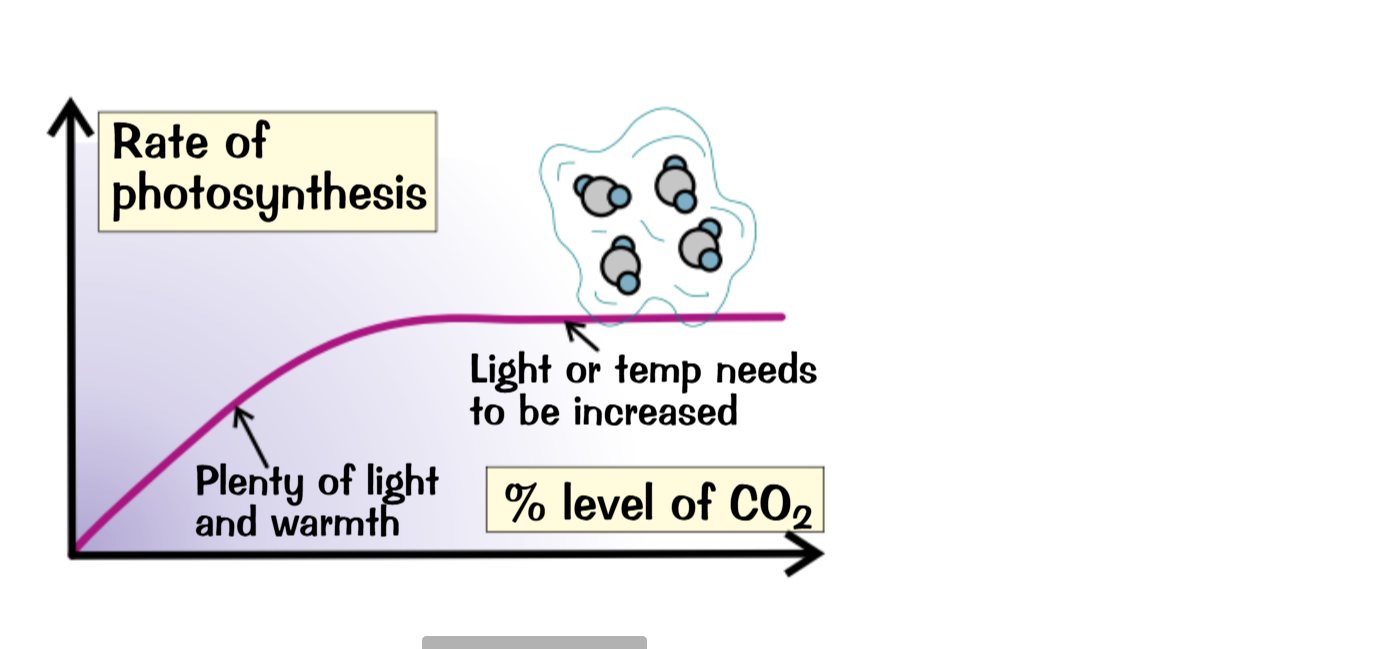
CO2 provides materials for photosynthesis
As the amount CO2 increases so does the rate of photosynthesis gradually
Until it reaches a point where it no longer increases
This is the point where CO2 no longer becomes a limiting factor
Leaving temperature and Light concentration as the other limiting factors
Temperature:
Temperature provides materials for photosynthesis
As the amount Temperature increases so does the rate of photosynthesis gradually
Since the enzymes needed for photosynthesis are less active at low temperatures
Until it reaches a point where it no longer increases
This is the optimum temperature
As the temperature increases further
The enzymes need for photosynthesis get damaged
Causing the rate of photosynthesis to decease.
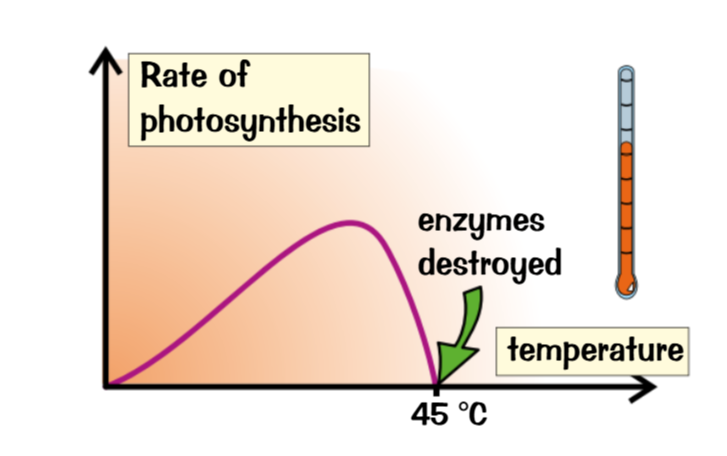
You can use graphs to depict these using graphs as previously shown:
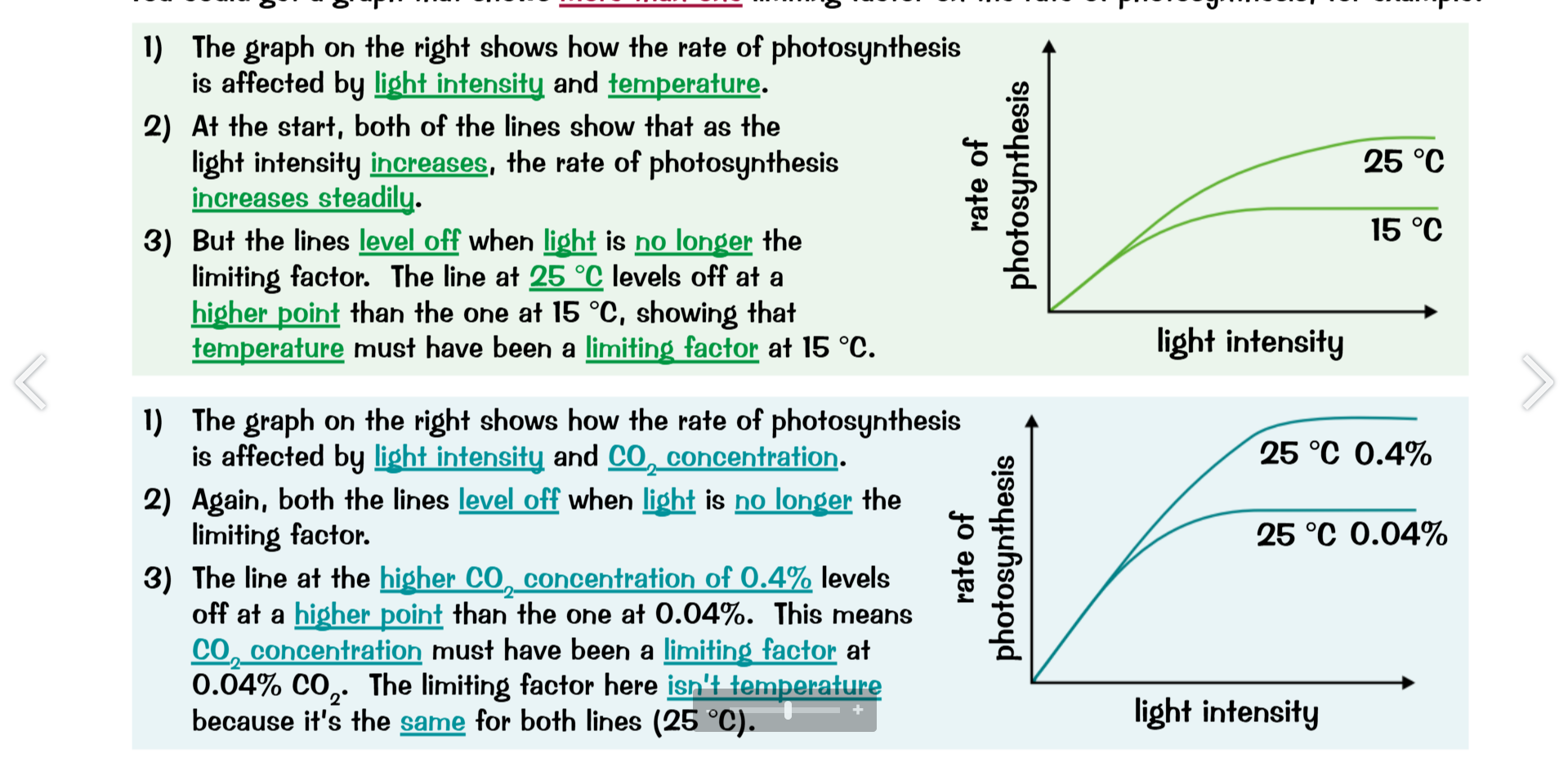
You can measure the rate of photosynthesis roughly using:
A source of white light places at varying distances from pond weed suspended in water
Leave it to photosynthesis for a set amount of time
Connected to a capillary tube that collects gas bubbles
At the end a syringe is used to measure the volume of gas measure
Repeat this changing either a limiting factor
CO2 using sodium hydro carbonate
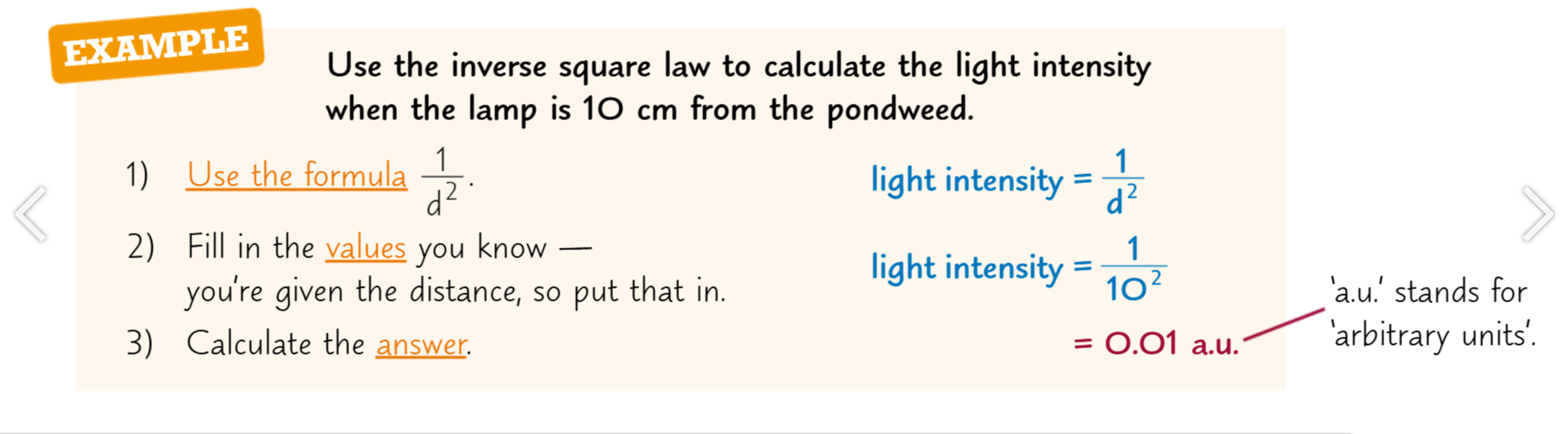
Light intensity just vary the lamp’s distance
Temperature use a heater
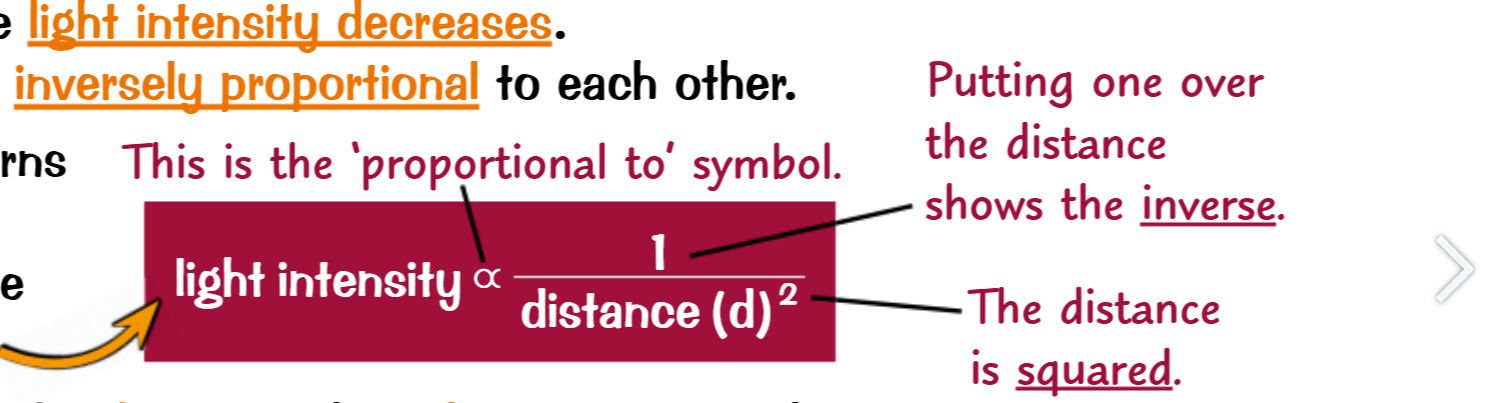
Light intensity is inversely proportional to distance:
You can artificially create ideal conditions for growing plants through green houses:
By trapping heat from the sun
Using ventilation so it doesn’t get too hot
Using artificial lights at night
Using paraffin heaters that automatically create CO2 as a bi-product
Keeping plants encased and away from pests
All This costs money
Respiration and Metabolism:
Respiration is the process of transferring energy from glucose which goes on in every living cell
This transfer of energy can be for:
Allowing muscles to contract
Build up larger molecules like proteins from amino acids
To maintain body temperature
Metabolism- this is the sum of all chemical reactions in an organism
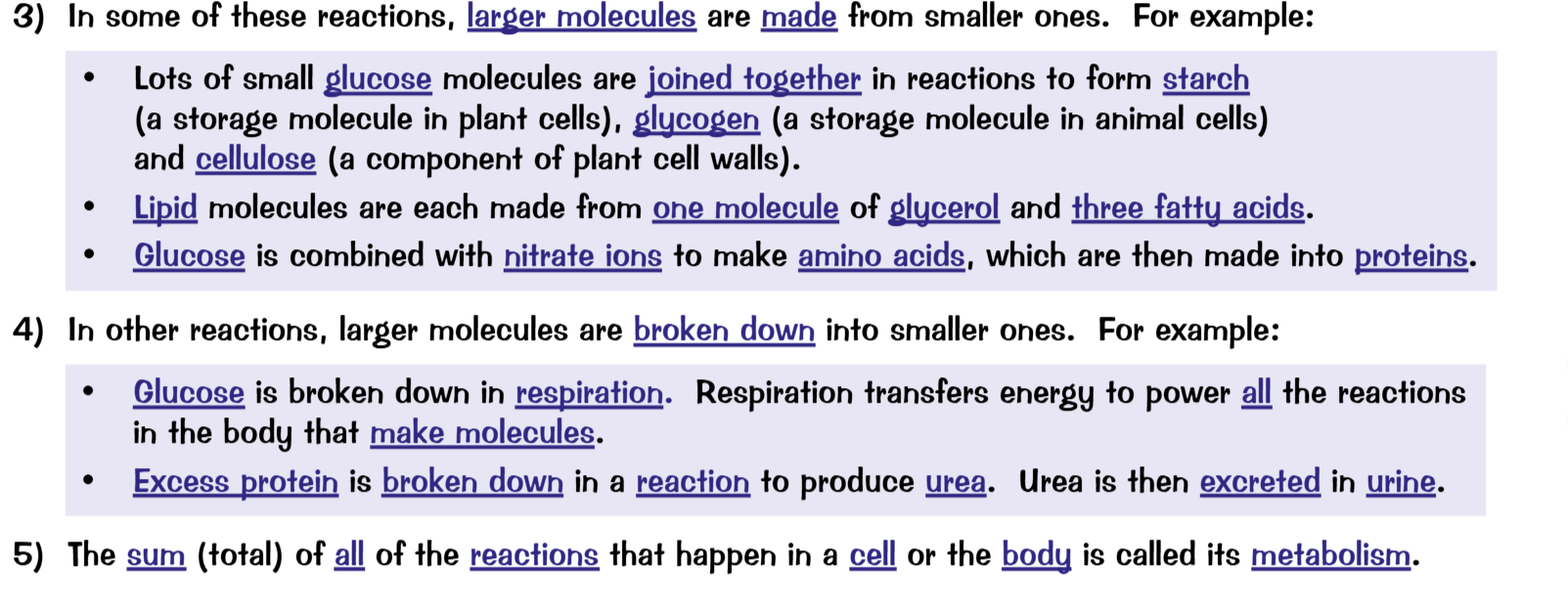
Respiration
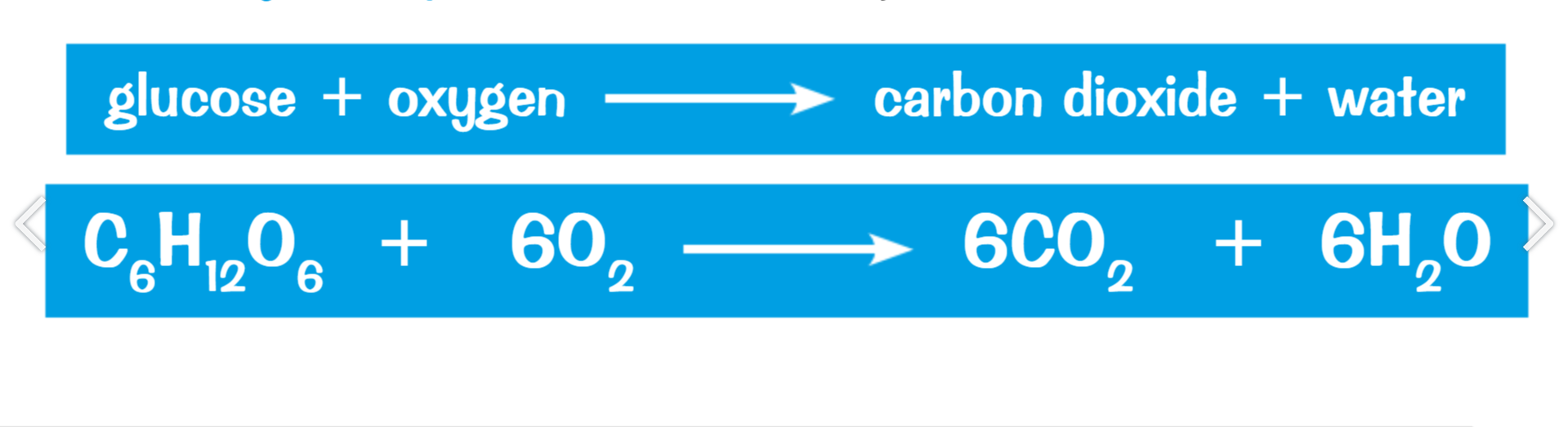
Aerobic respiration is the more efficient version of respiration that takes place using oxygen in the mitochondria:
Anaerobic respiration is the less efficient version of respiration that takes place when the body can’t supply cells with enough oxygen, leading to an incomplete break down glucose. this usually happens only during vigorous exercise.

In plants this makes ethanol and carbon dioxide
Which is called fermentation and is what makes alcohol

Exercise
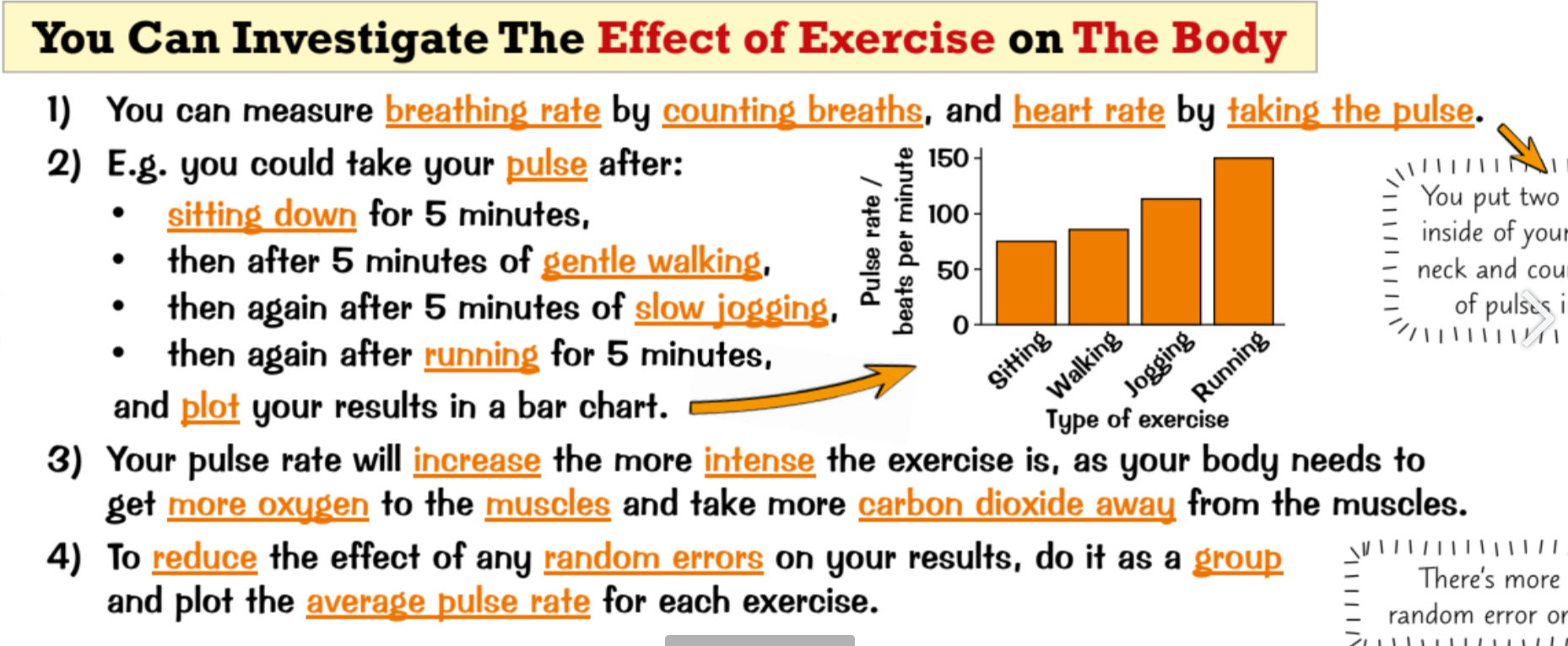
When you exercise you breathing rate and volume increases to supply your muscles with more oxygen
And your heat rate increases to get this oxygenated blood around the body
When you exercise vigorously you can’t supply your muscles with enough oxygen
Leading to anaerobic respiration and muscle fatigue
Making muscles not contract as efficiently
During this exercise you build up an amount of lactic acid and oxygen debt
Which is the amount of oxygen needed to complete the respiration reaction
Turning the lactic acid into CO2 and water
Which is done after just after exercise
Lactic acid is also transported to the liver and converted to glucose again