SAT Prep
Math
Algebra
Solving Linear Equations and Inequalities
Techniques:
Algebraic basics
Problems:
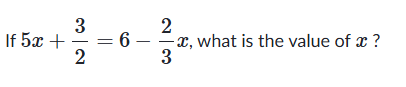
Linear Equation Word Problems
Techniques:
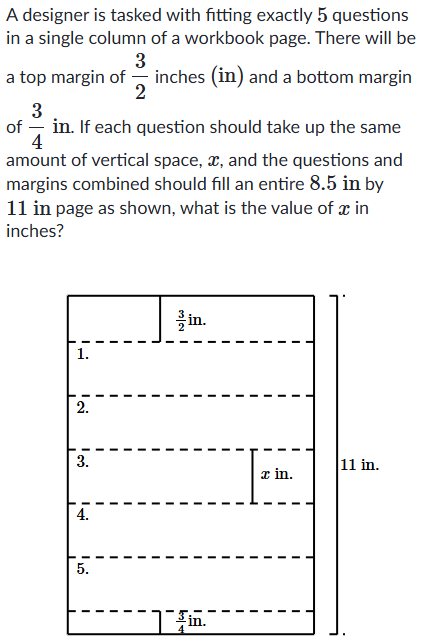
Comprehension: understand which values are used for what. work within wants
Problems:
Linear Relationship Word Problems:
Techniques:
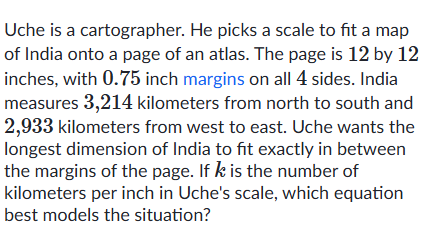
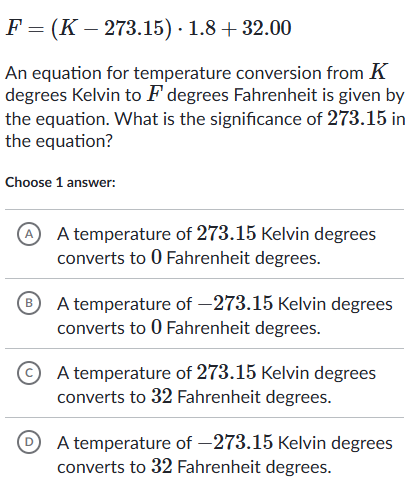
Comprehension: Understand how changing a certain value will affect the others/ Understand the roles which certain values play
Problems:
Graphs of Linear Equations and Functions
Techniques:
Algebra:
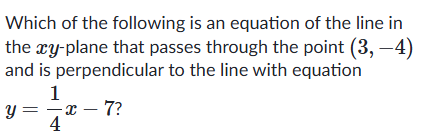
Parallel lines: same slope. system has no solution unless they have all the same intercepts/points
Perpendicular lines: opposite reciprocals. meet at one point
Point-Slope formula
Plugging in points
Problems:
Solving Systems of Linear Equations
Techniques:
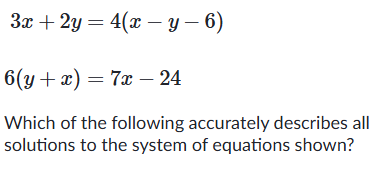
Comprehension: Know how to combine equations. Be able to describe the system:
Parallel no meeting: no solutions
Parallel same exact: infinite solutions
Problems:
System of Equation Word Problems
Techniques:
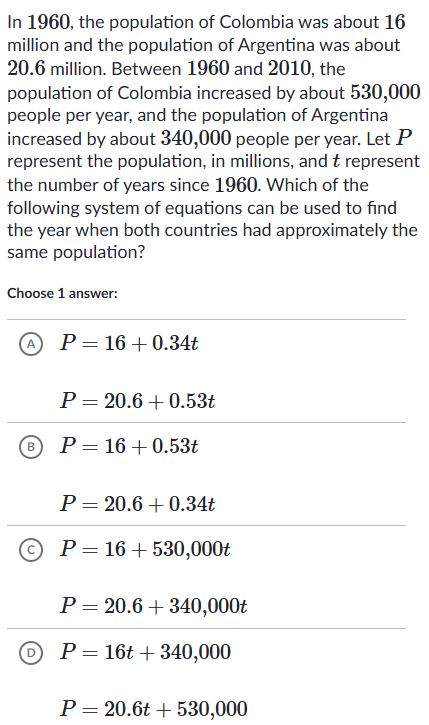
Comprehension: Matching values and variables to either find equations or values
Problems:
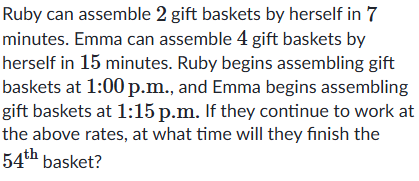
¼ : assembling equation: use the rate of Ruby for r minutes and rate of Emma for e minutes. set their sum to equal 54 to find when they together reach the 54th total basket
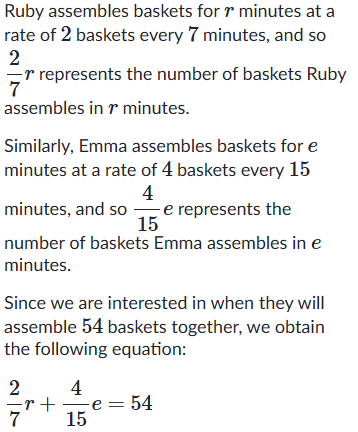
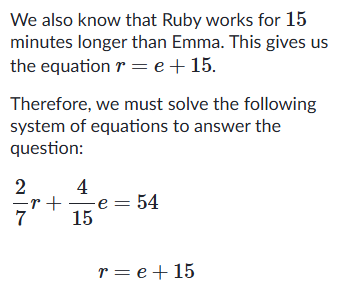
2/4: Use given information to simplify equation and find values
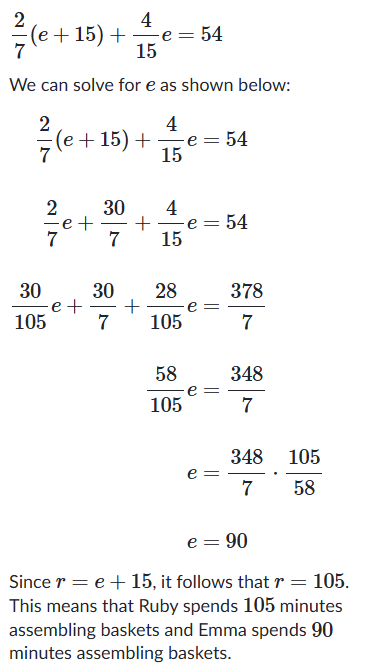
3/4: Solve equation to find values. Now we have the conclusion for the amount of minutes each person has spent respectively
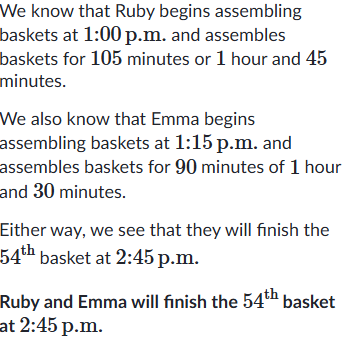
4/4: Either of their times added to 1:00 p.m. gives the final time for when they make the 54th basket
Linear Equality Word Problems
Techniques:
Desmos: finding values to fit within equalities/inequalities.
Algebraic: combining inequalities. finding values to fit limits.
comprehension: matching the right numbers together. understanding relationships.
Problems:
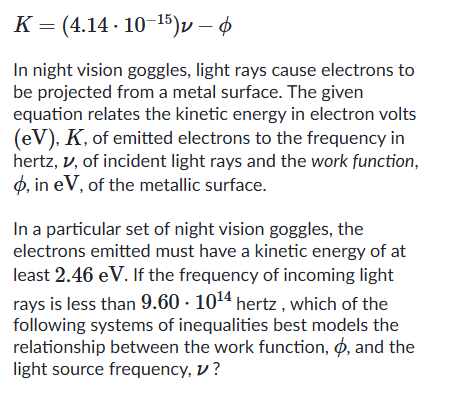
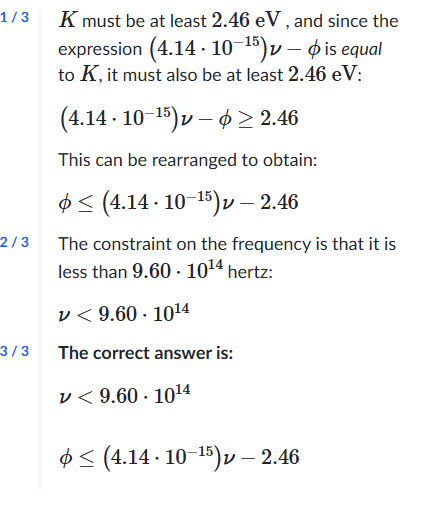
tells you:
v is the frequency and the frequency is less than 9.60 × 10^14.
K must be greater than or equal to 2.46.
If you switch around k, you will get the symbol
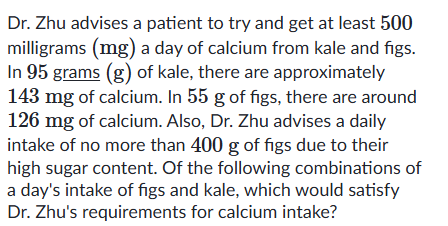
tells you: requirements of mg and g
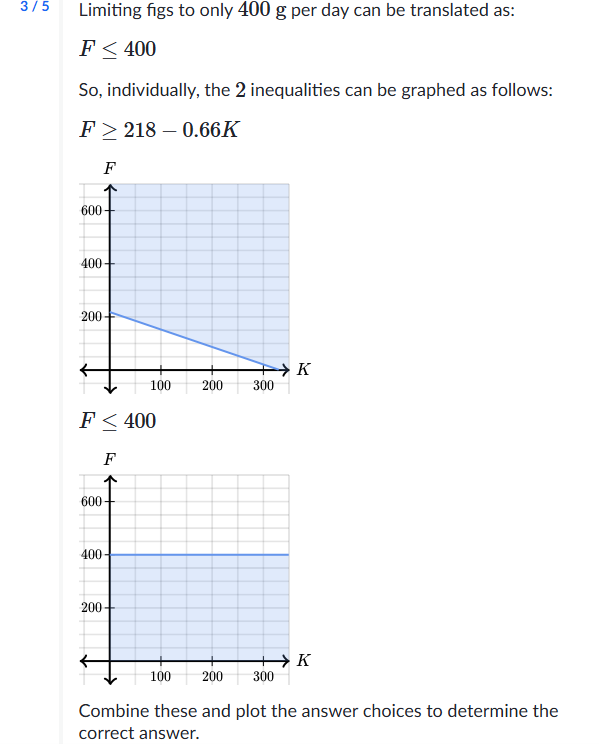
1/5: find about the mg/g ratio of 1 K and 1 F
2/5: Use the found and given values to put together a limit for one of the values you need to find; ex. F
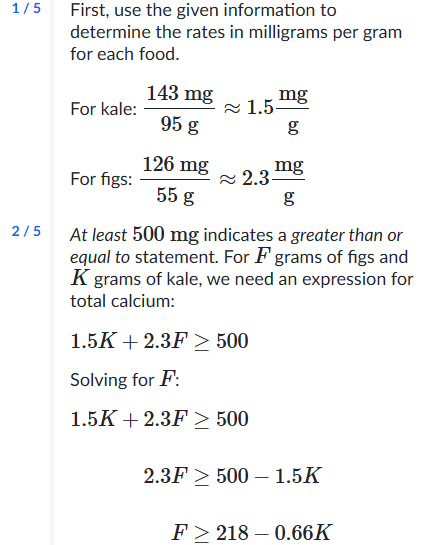
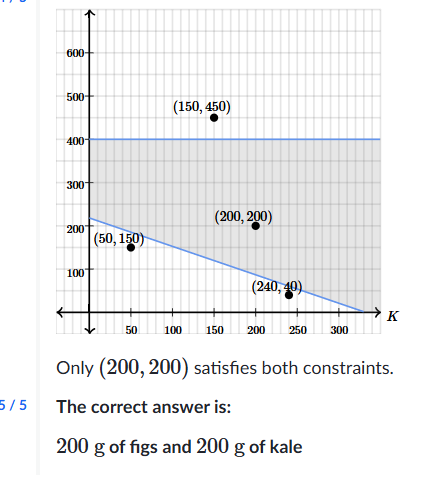
3/5: combine both the graphs to find a value that fits both equations (can be done algebraically of with desmos)
end
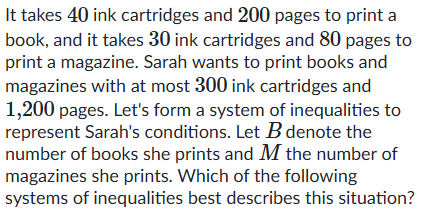
tells you: requirements and their values
If you match the numbers to the right symbols and limits, you will get the answer
Graphs of Linear Systems and Inequalities
Techniques:
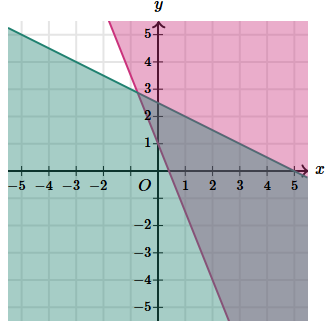
Desmos: Only values x, y, r , and theta can be added. For a given inequality with 2 variables, you can substitute x and y for either one of them. Places where both shades inequalities overlap are where the solutions for the system are.
Problems:
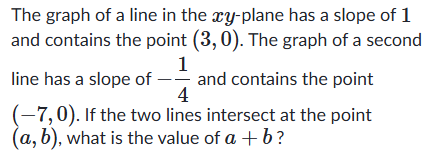
tells you: info for a point-slope formula
1/ : use point-slope formula to find the equation of the lines
2/ : set the equations equal to each other to find the x value (1) of (a, b)
3/ : plug in the x why value to find the y value (-2) of (a, b)
a + b = 1 - 2 = -1
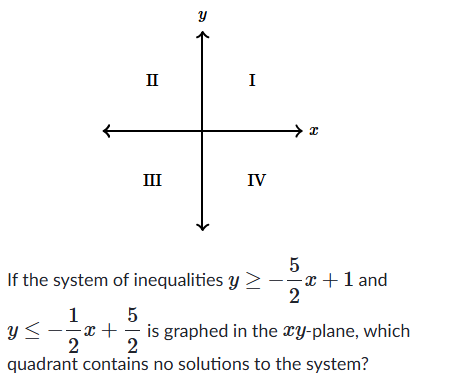
Plug into desmos. The places that both inequalities overlap are where the solutions are.
Problem Solving and Data Analysis
Ratios, Rates, and Proportions
Techniques:
Problems:
Unit Conversion
Techniques:
Know which to divide by —> say in sentence first
You’ll need to adjust the numbers the same way the units are (ex. 2m —> 4m²)
Problems:
Percentages
Techniques:
Percentages of percentages, change in values, ratios, knowing what to divide
Problems:
Center, Spread, and Shape of Distributions
Techniques:
Generalizations
Average/Mean, Median, Standard Deviation, Range
Comparing; Inferencing; Explaining (causes, changes); Finding missing component
Solving for a common variable
Ex. how many students are in a class/scored a certain point/what scores were scored to get a certain average
Problems:
Data Representations
Techniques:
Reading graph
Problems:
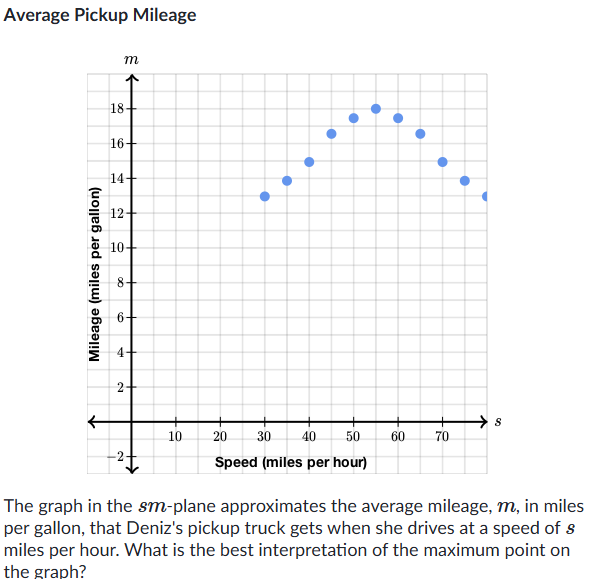
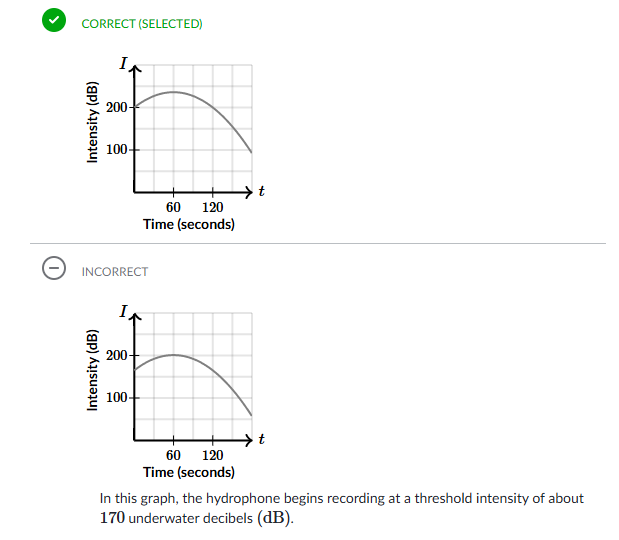
Notice the variables of each axis, and how the max point is based on the y.

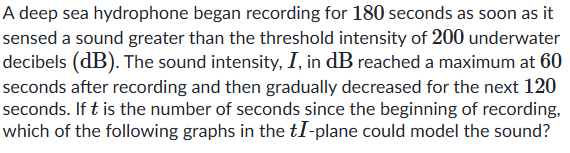
Be careful that all the information matches
Scatterplots
Techniques:
Understanding equations and their graphs
Ex. exponential, quadratic, linear
Problems:
Linear and Exponential Growth
Techniques:
Growth/Decay equations from word problems
Linear: y-value changes repeatedly by the same value; y = mx + b
Exponential: y-value changes repeatedly by a multiple of the same value; y = a(b)^x
Problems:
Probability and Relative Frequency
Techniques:
Reading frequency tables
Calculate probability and relative frequencies; fill in missing values
Relative Frequency: ratio of how often a certain event occurs/ total number of events
Probability is theoretical, relative frequency is based off actual trials
Problems:
Data Inferences
Techniques:
Inferencing the real number of a certain group based off a smaller test group
Inferencing numbers based off a given percent and margin of error
Problems:
Evaluating Statistical Claims
Techniques:
Understanding given information and keeping answer within the bounds of that
Understanding correlation vs causation
Attention to detail
Problems:

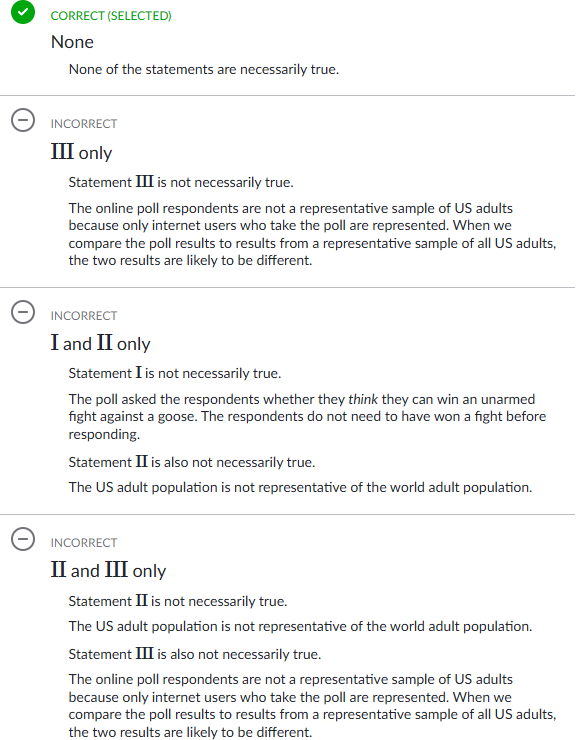
Need to consider random assignment


Pay attention to detail
Advanced Math
Factoring Quadratic and Polynomial Expressions
Radicals and Rational Exponents
Operations with Polynomials
Operations with Rational Expressions
Nonlinear Functions
Techniques:
Transitions:

Isolating Quantities
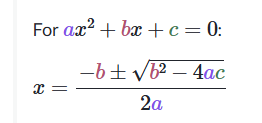
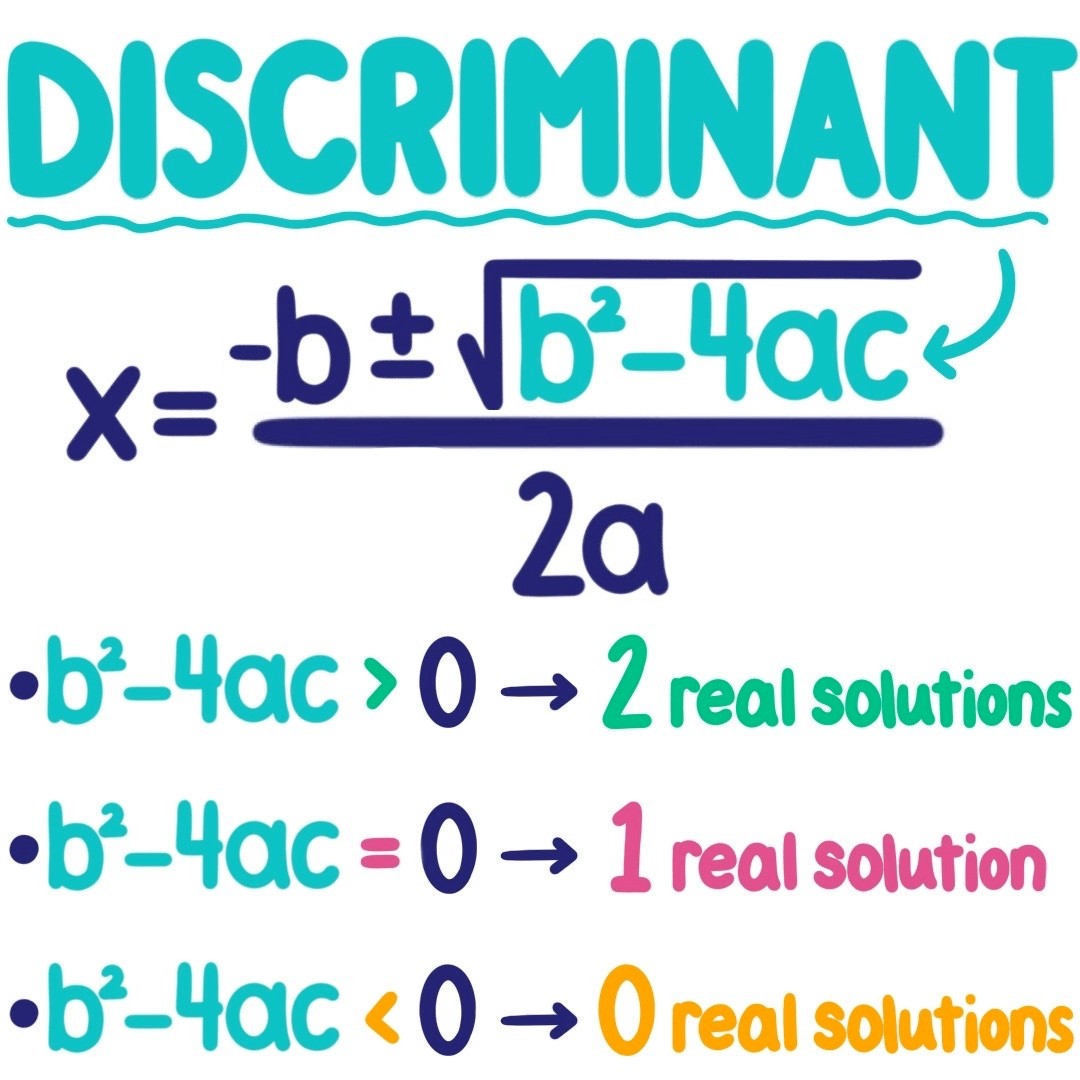
Solving Quadratic Equations
Techniques:
-
Problems:
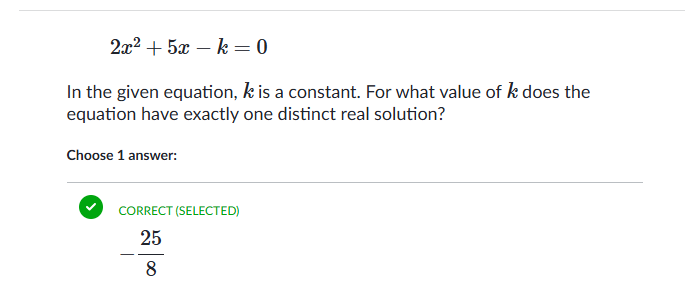
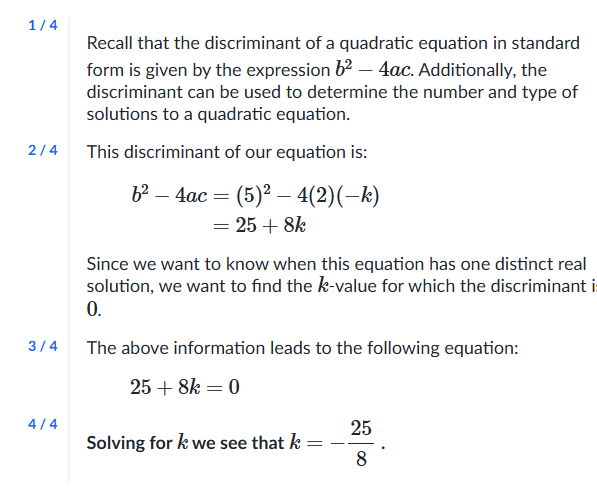
Linear and Quadratic Systems
Techniques:
Substitution and factoring
Problems:
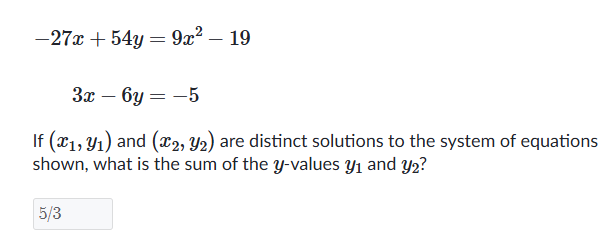
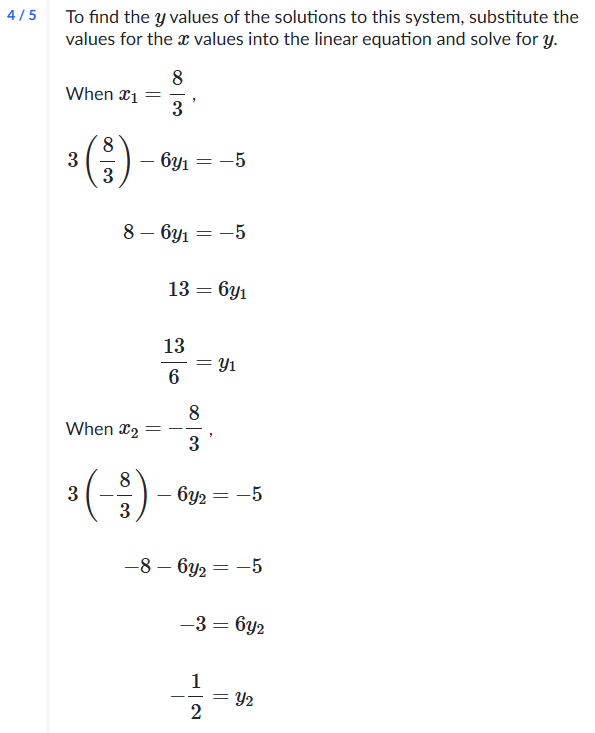
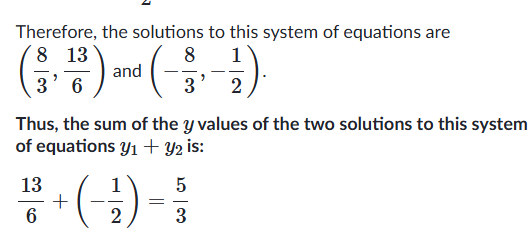
Substitute for convenience and to plug in stuff
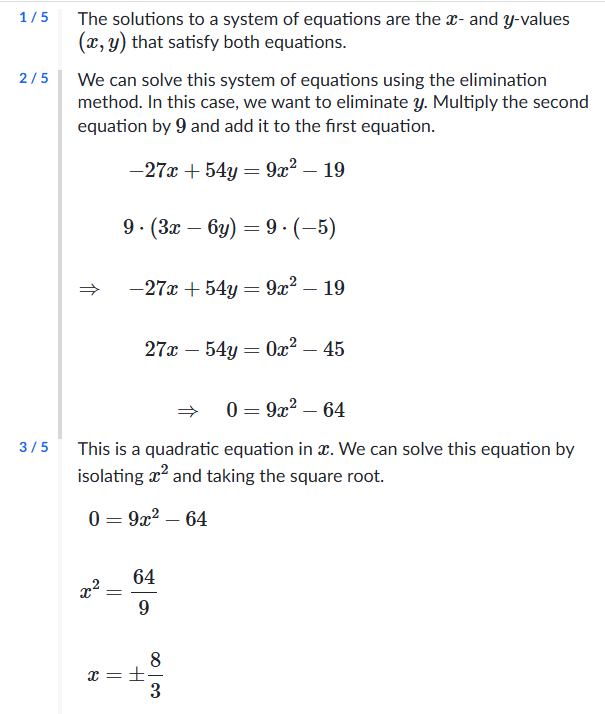
Plug in found values
add
Radical, Rational, and Absolute Value Equations !!
Quadratic and Exponential Word Problems
Techniques:
Separating numbers
Exponent rules
Problems:
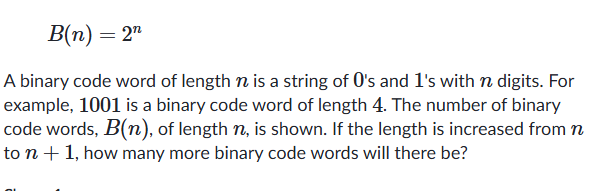
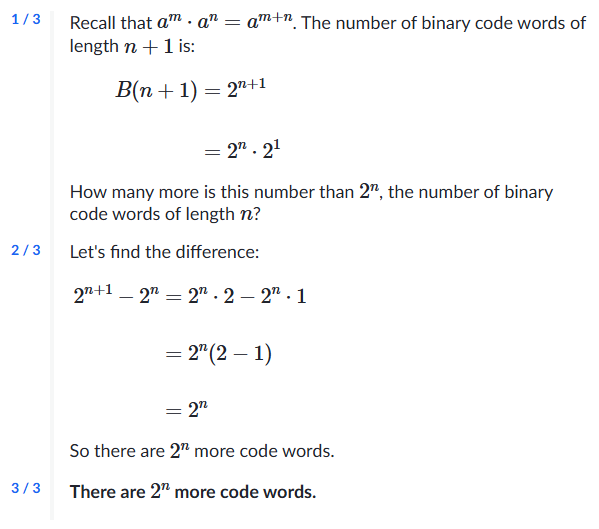
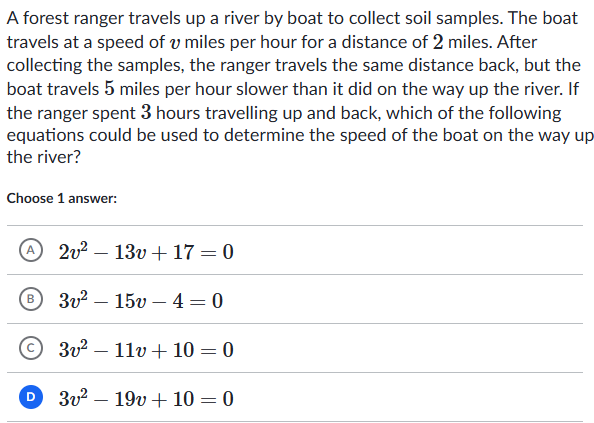
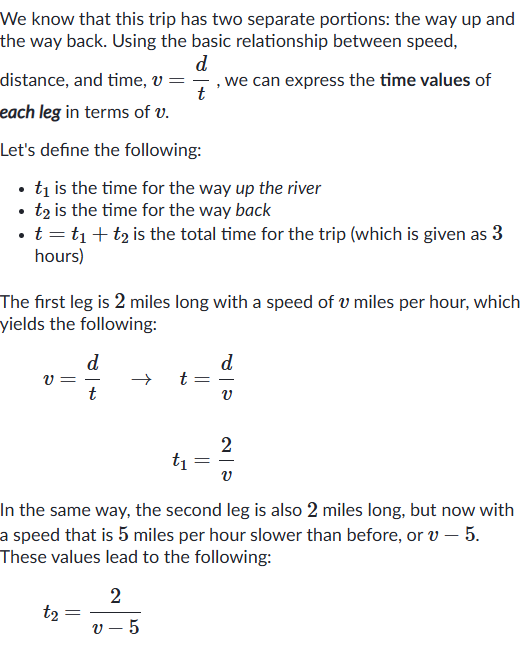
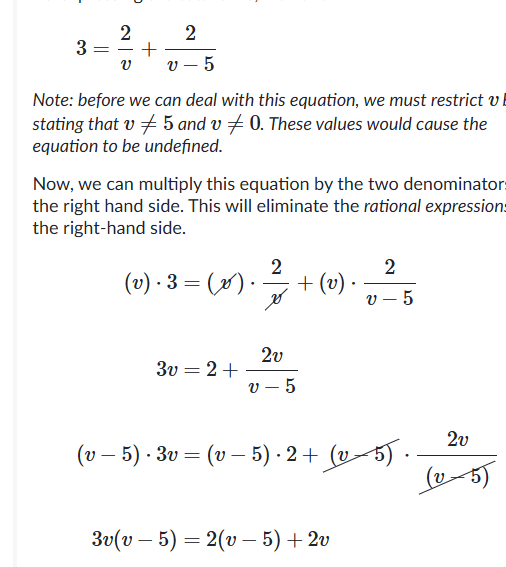
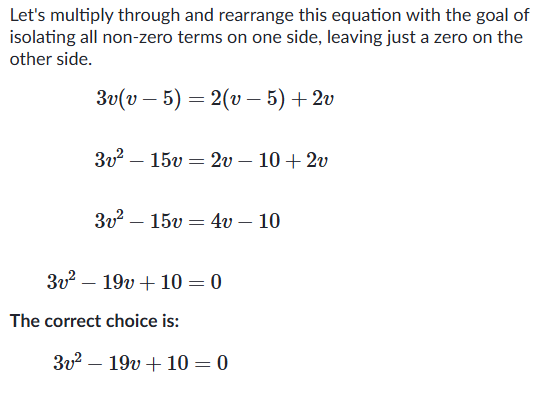
Use given info, solve using given useful values/variables
multiply to get closer to answer choices
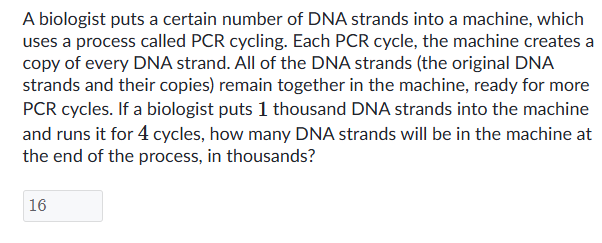
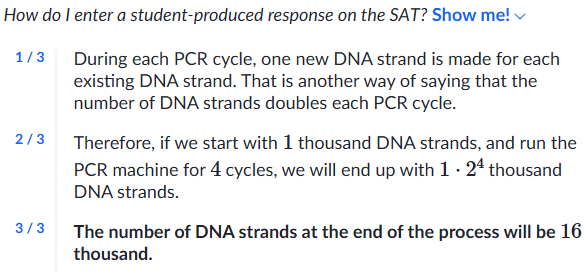
Reading comprehension, copying = doubling. doubling 4 times = 2^4
Quadratic Graphs
Techniques:
Graph ideas: axis of symmetry, y-int
Problems:
Exponential Graphs
Techniques:
exponents ideas

function relations/graphs
Problems:
Polynomial and other Nonlinear Graphs
Techniques:
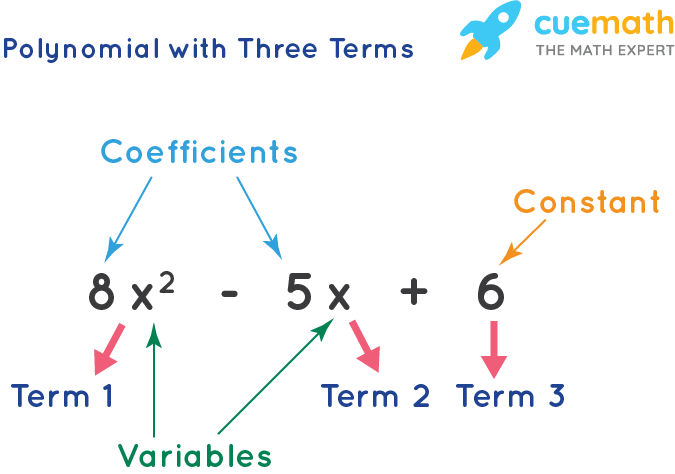
Polynomial terms
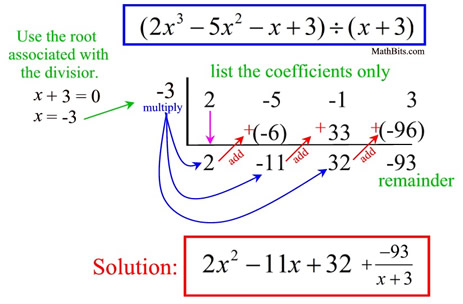
Synthetic Division
Problems:
Geometry and Trigonometry
Area and Volume
Congruence, Similarity, and Angle Relationships
Techniques:
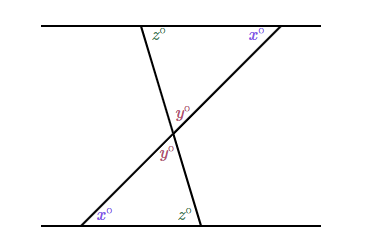
Parallel Lines
Problems:
Right Triangle Trigonometry
Circle Theorems
Techniques:
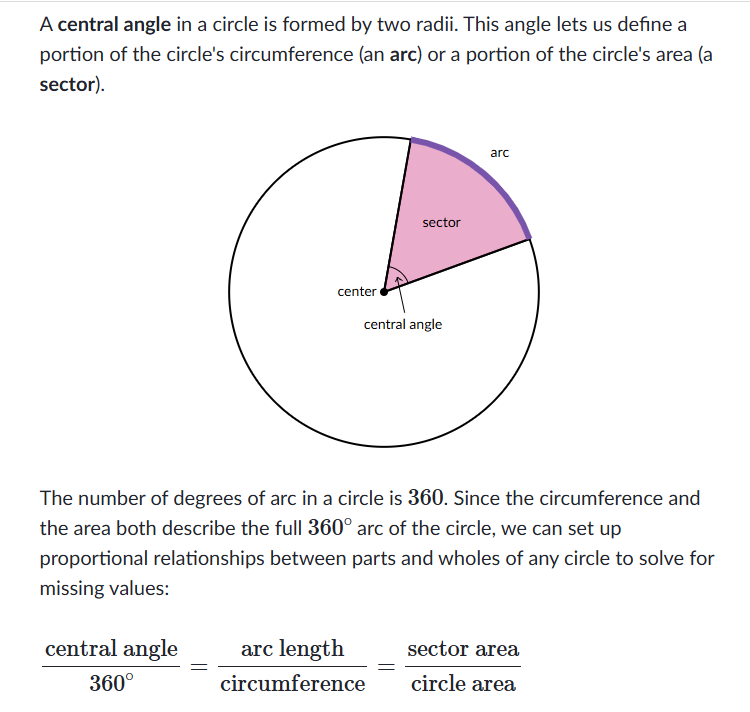
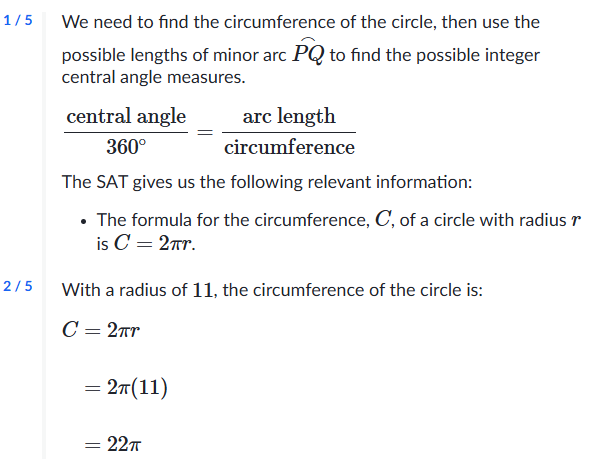
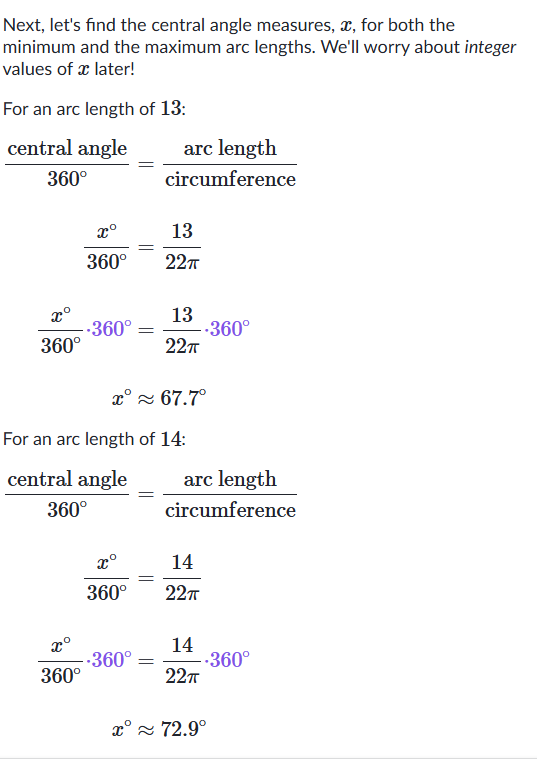
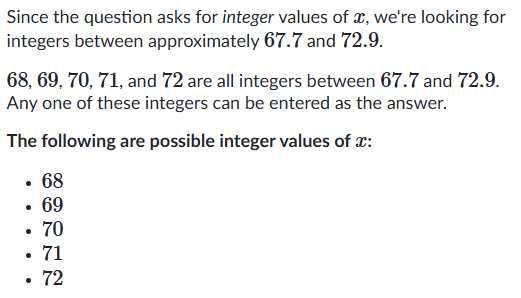
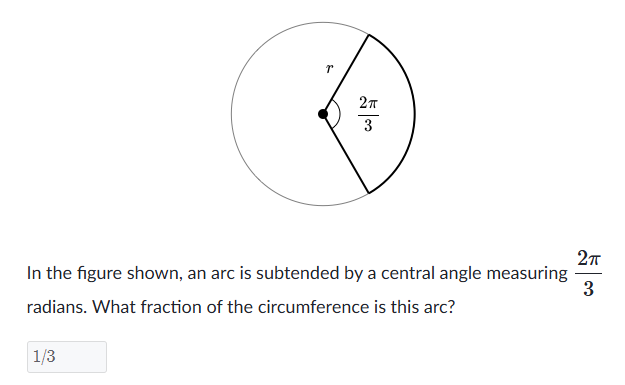
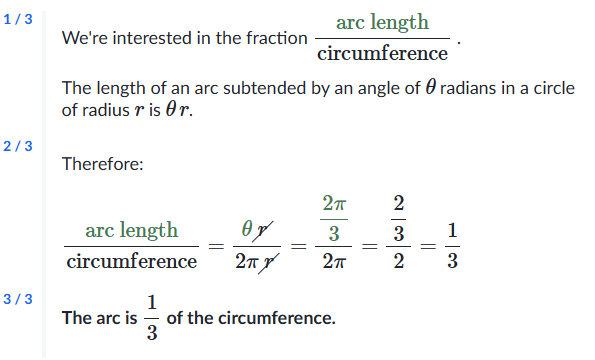
Ratios: degrees/360 to sector area/total area or to sector length/circumference
Tangent lines
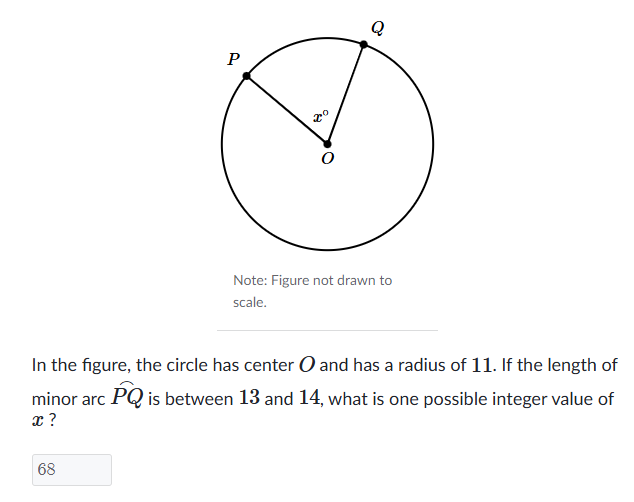
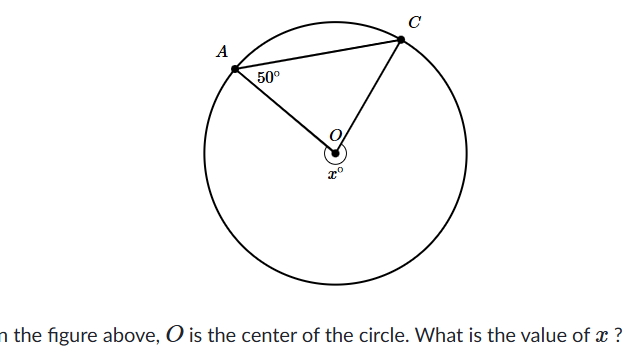
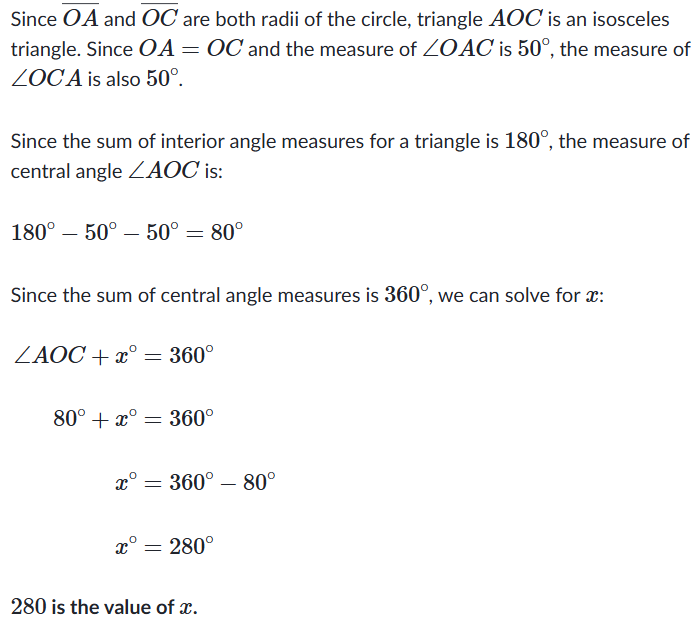
Usually focus on the circle from the center
Problems:
Unit Circle Trigonometry
Techniques:
Unit Circle values and points
Ratios
Converting degrees to radians and vice versa
Special right triangle sides and angles (45-45-90; 30-60-90)
Problems:
Circle Equations
Techniques:
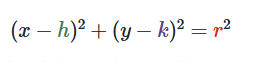
Basic circle equation
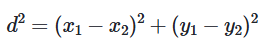
Distance equation (finding radius)
Finding center and radius based off given total equation (factoring, quadratics)
Midpoint
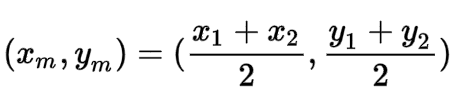
Finding radius and center given diameter at two points
Problems:
English
Information and Ideas
Command of Textual Evidence !
Techniques:
Scientific:
Examples: Hypothesis or research provided
Only use provided information
Literary:
Examples: Argument of a work
Approach:
1. Identify argument
2. Simplify argument
3. Test choices
Account for all factors
Ex. time-frame, what the question asks for (extent, effect, cause…)
Problems:
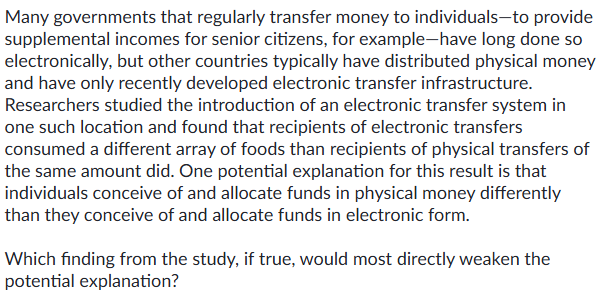
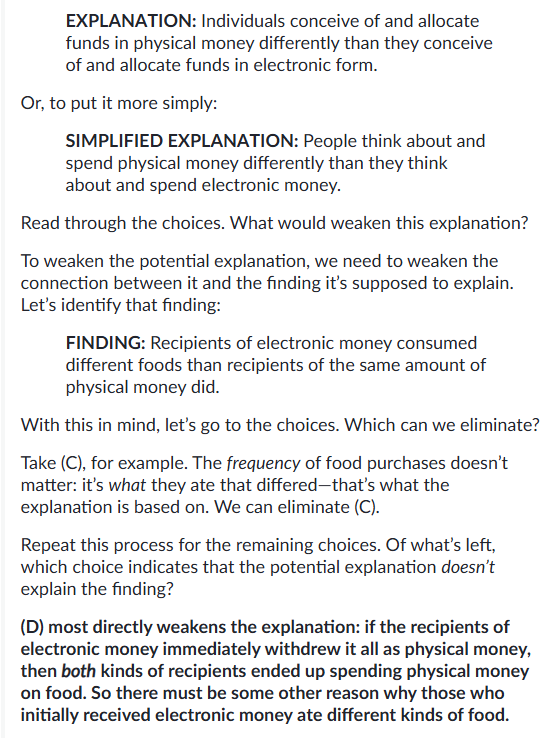
Know the explanation meaning to be able to find which answer choice would contradict it
The correct answer may not explicitly say the opposite but could include a piece of information that adds an external factor that could negate the finding/explanation
Command of Quantitative Evidence
Techniques:
Understanding a graph or table
Usually paired with a hypothesis or finding
Problems:
Central Ideas and Details
Techniques:
Read the entire passage; Comprehension
Make sure the answer choices do not a) include irrelevant details b) that it focuses on the central idea and not too small details c) that it answers the question
Problems:
Inferences
Techniques:
Logically completing the text
Problems:
Craft and Structure
Words in Context
Techniques:
Context clues: positive or negative? wide or close ranged? supportive or contradictory?
Transitions: (agreement/disagreement: similarly, however); (sequence: first/ later); (exemplification: in addition. for instance); (cause and effect: therefore, as a result)
Noun missing word: usually after “this” or “these”
Colons: A blank before a colon usually hints to the one after
Roots
Problems:
Text Structure and Purpose
Techniques:
Understand how each sentence and their order is framed
Understand the general purpose/don’t be hung up on small details + don’t over-expand
Problems:
Cross-text Connections
Techniques:
Tell how two texts would respond to each other
Keep in mind each element of the text (what is and isn’t supported; their individual actions and thoughts)
Problems:
Expression of Ideas and Standard English Conventions
Transitions
Rhetorical Synthesis
e
Form, Structure, and Sense
Boundaries
Techniques:
Linking independent clauses: (comma + coordinating conjunction. ex. the thing, and), semicolon, colon, dash, period (seperate sentences)
Problems:
Grammar
Subject-Verb Agreement
Techniques:
singular subject/collective object + verb(s); ex (everyone agrees, he agrees, the bundle agrees)
plural subjects + verb; ex. the birds agree; they agree
Know which word is being referred to
ex. the variety of flowers is my favorite part.
Problems:
Pronoun-Antecedent Agreement
Plurals and Possessives
Verb Forms
Techniques:
Tenses:
Problems:
Subject-Modifier Placement
Linking Clauses
Supplements
Punctuation