Working Together
Dillon's Rule
If you weren't already aware, you've likely realized by this point in the course that government is big, and there are many different moving parts. Government is split between federal, state, and local, and each level has numerous officials, agencies, and procedures. The ultimate goal of all these segments of government is to improve public life by implementing different policies. Implementing these policies is not easy, however. It takes a lot of work and cooperation to get things done properly. In particular, the relationship between state and local governments is key to successfully implementing good government policies.
Because state governments are responsible for creating all the local governments within their states, most states operate under a government theory called Dillon's Rule. Dillon's Rule states that all the power of local governments is derived from the state. In other words, a local government only has power because the state government allows it to. Local governments only have limited authority, which is expressly delegated to them through the passage of state laws. If a locality wishes to pass a new law that isn't covered by the existing state legislation, it must receive permission to do so from the state government. Under this philosophy, the purpose of a local government is primarily to implement the public policies of the state government, not to set policies of its own.
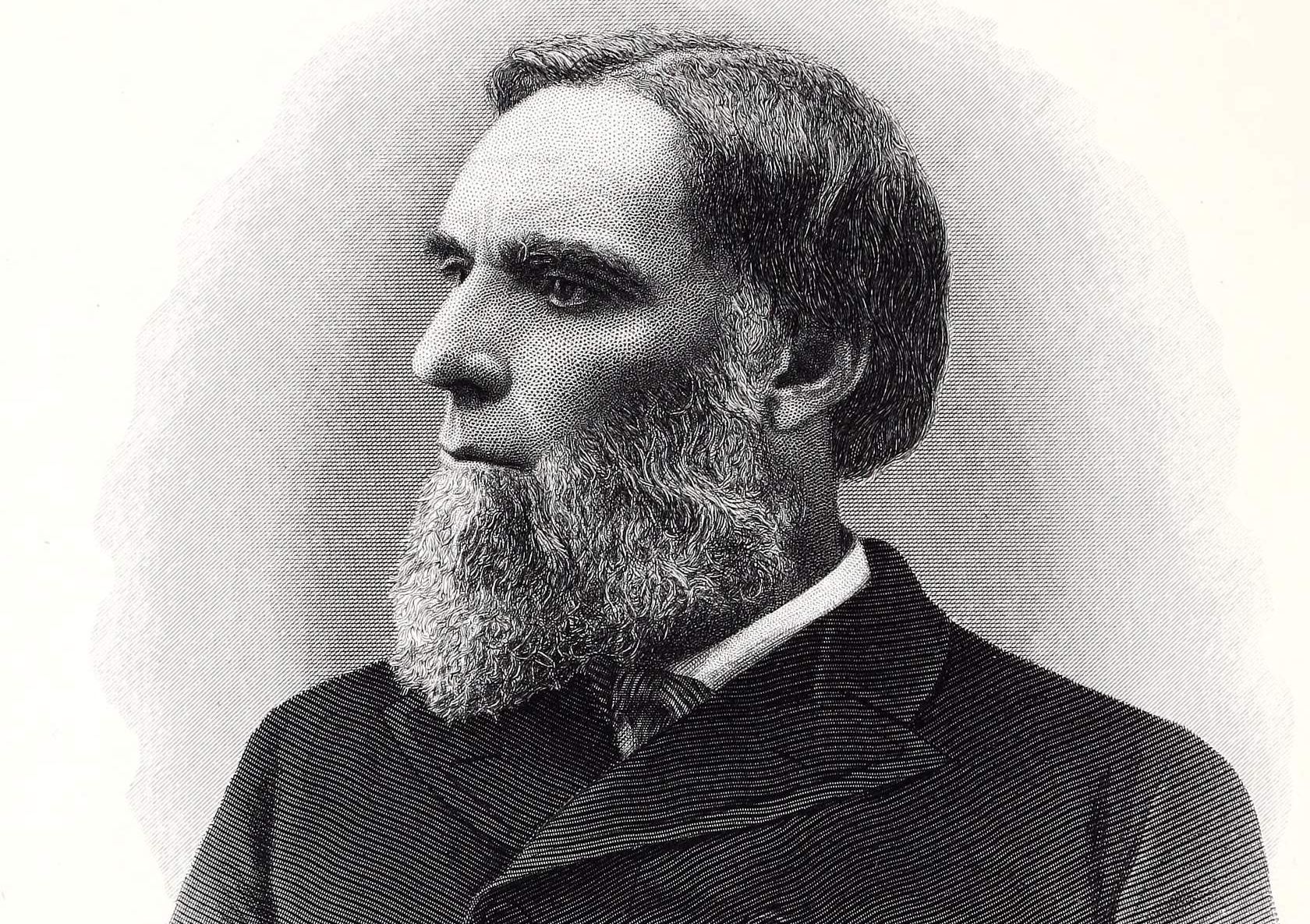
Dillon's Rule is named for John Forrest Dillon.
A few states operate under the theory of home rule, which grants localities the ability to govern themselves as they wish. They have the authority to create any laws and public policies that aren't expressly prohibited by their state constitution or the federal constitution. Many states continue to be Dillon's Rule states but have granted some measure of home-rule–like powers to their local governments.
Virginia is primarily a Dillon's Rule state, though it has granted limited home-rule–like powers to some of its local governments through town and city charters. These charters are analogous to a local government constitution—they specifically outline the powers and authority of the local government. In general, however, the power of local governments in Virginia is considered to be derived from the state government.
Watch the following video for a brief overview of the history of Dillon's Rule and home rule.
State and Local Cooperation
Because county and city governments in Virginia derive their authority from the state government, one of their primary tasks is to implement state policy and coordinate with the state government. Local governments also often have to work to coordinate services with the federal government as well. Many of these shared responsibilities include road maintenance, public education policy and funding, the set up and maintenance of elections, and economic development.
The state government also creates regional authorities. A regional authority is a political subdivision of the state that addresses needs that cross the boundaries of local governments. These authorities often manage services like water, waste disposal, jails, and public transportation. For example, the Northern Virginia Transportation Authority is an organization that the state government established to plan and fund public transportation in Northern Virginia. The authority covers the counties of Arlington, Fairfax, Loudon, and Prince William as well as the cities of Alexandria, Fairfax, Falls Church, Manassas, and Manassas Park. It is able to more effectively create a collective transportation system in the area than if nine local governments (four city and five county) were trying to coordinate the operations.

Public transportation is often managed by a regional authority.
To further aid in creating and implementing policy across the state, the governor appoints leaders of advisory, policy, and supervisory boards, commissions, and councils. These boards and commissions establish policy, collaborate with government officials, and oversee public institutions (such as Virginia's public universities). It is important that agencies, boards, and commissions become involved in the policy-making process. This allows citizens who are involved with these entities to make their voices known through active participation in the democratic process.
A few examples of the commissions and boards that have operated in the Commonwealth of Virginia are as follows:
Commission on Military Installations and Defense Activities: This commission was created to recommend policies that support Virginia's military installations and their surrounding communities.
Domestic Violence Prevention and Response Advisory Board: This board was created in 2010 to recommend policies that would support victims of domestic violence, help prevent domestic violence, and provide an appropriate criminal justice response to domestic violence.
Governor's Advisory Board on Service and Volunteerism: The mission of this board is to recommend policies that promote community service in the state.
Influencing Public Policy
It is important to note that regular citizens can affect change in public policy. The most important way all citizens can participate in politics is by voting. They can also campaign for candidates or even seek elected office for themselves. Furthermore, citizens can affect public policy by expressing their opinions and making their voices heard. They can exercise their right to peacefully protest or contact state representatives to influence laws. Sometimes, simply providing government officials with accurate and detailed information can help them make better decisions. Speaking at public hearings, petitioning, writing letters, and blogging are all methods that people can use to influence the government. Citizens may attend local school board meetings and hearings concerning property taxes or economic development in their communities. Citizens can also influence public policy by sitting on local boards or commissions or attending their meetings. They can advocate both within their community and across Virginia. It is important for citizens to be active and involved in the matters that affect their states and local communities.
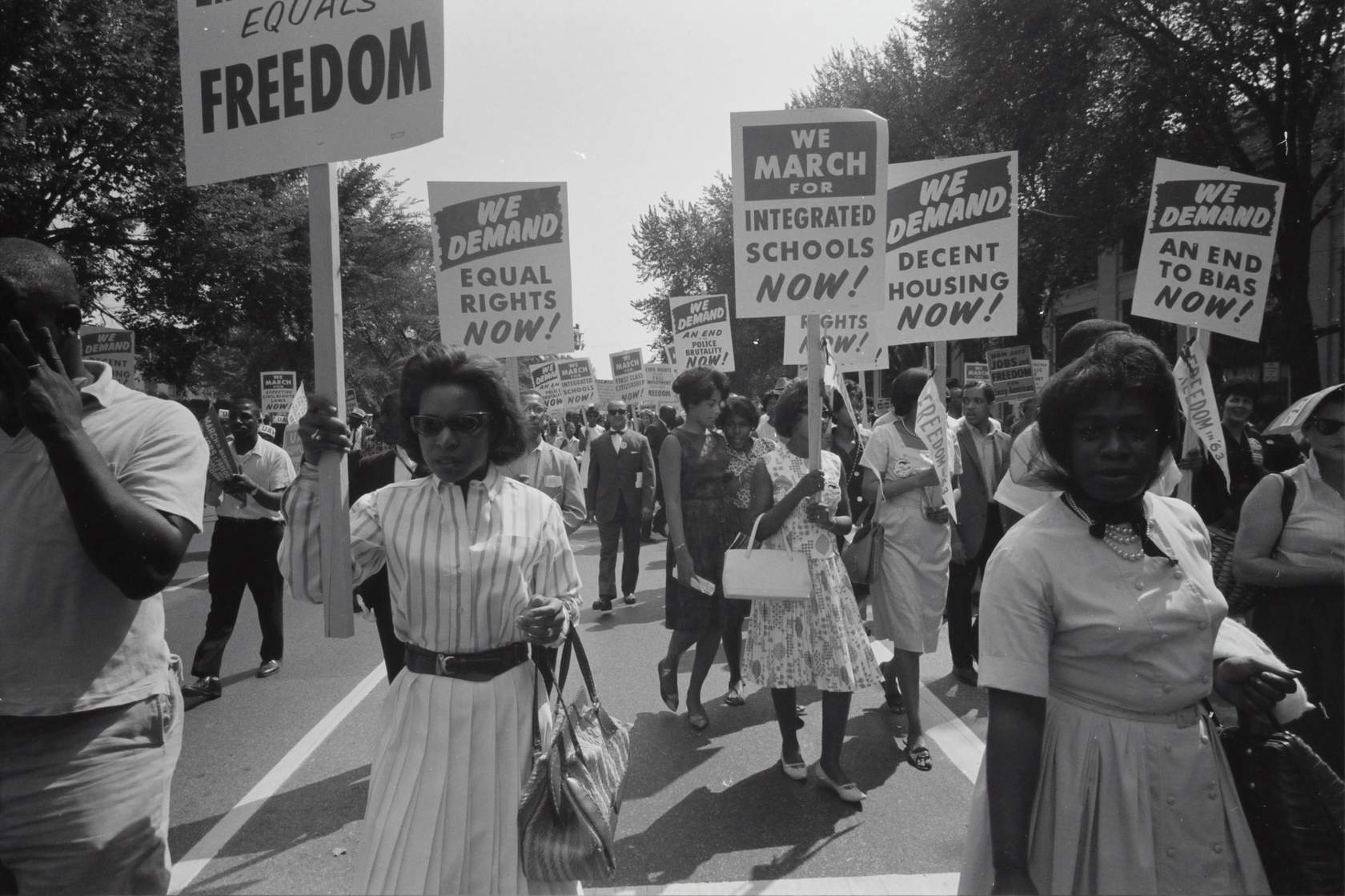
Citizens can also influence public policy by joining interest groups. As discussed previously, special interest groups and lobbyists will seek to sway lawmakers. Remember that a special interest group is an organization whose members share common concerns or goals and try to influence public policy. Interest groups are also sometimes known as lobbies, and lobbying is one of the main ways in which interest groups attempt to shape legislation and bring the views of their members to the attention of policymakers.
Interest groups can also influence public policy by generating interest in certain issues among the people, primarily through the use of media and advertisements. They work to build a positive image for the group, organize like-minded individuals, and provide useful information to government officials.