Seedless Plants
Seedless Plants
Monophyletic - descended from a single common ancestor.
Synapomorphy - developed from embryos - embryophytes
Chlorophylls a & b, Starch as a storage product, Cellulose in cell walls.
Glaucophytes:
Unicellular,
freshwater organisms
Contain small amount of peptidoglycan b/w inner & outer membrane
Red Algae: Division Rhodophyta
Multicellular, marine organisms with red pigments called phycoerythrins, and other accessory pigments phycocyanin, and carotenoids, which allow them to absorb light at greater depths.
Used to make thickness in foods.
Example: Porphyra (Nori), Rhodymenia sp.
Green Algae:
Photosynthetic organisms
Cytoplasm of adjacent cells connected through plasmodesmata
Chlorophytes:
Largest clade of green algae
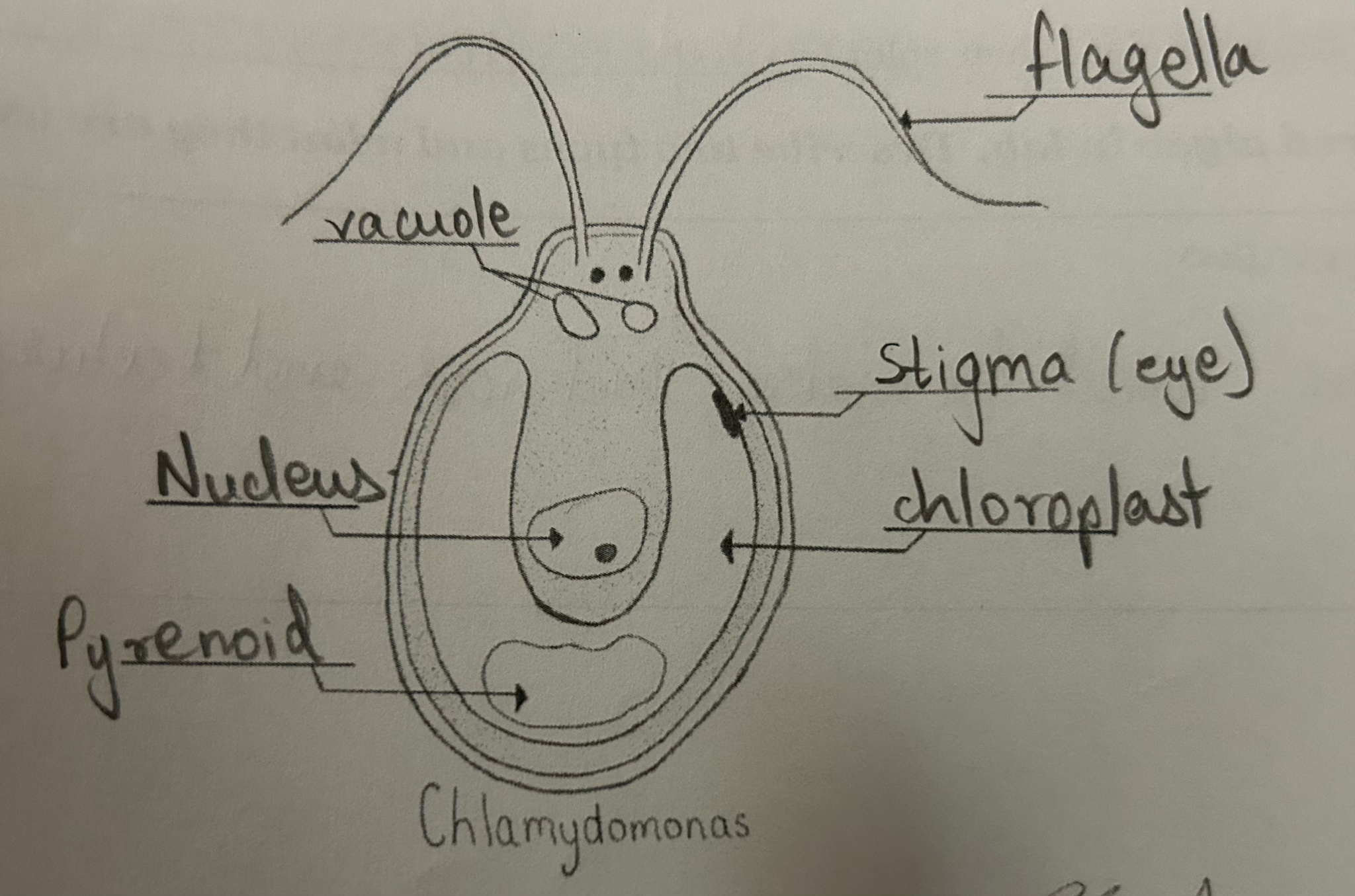
Chlamydomonas → single celled green algae
Reproduce sexually or asexually
Found → soil, freshwater, oceans, even snow
Green algae are mostly freshwater organisms, with chlorophyll a and b pigments, and store excess carbohydrates as starch.
Example: Volvox, Chlorella
Volox: 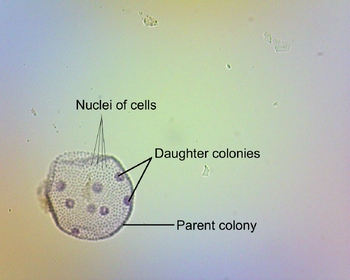
forms spherical colonies
two flagella, type of locomotion → rolling motion
colonies are photosynthetic
found → freshwater environments
cellular differentiation
Less cellular differentiation → colonial
More cellular differentiation → multicellular.
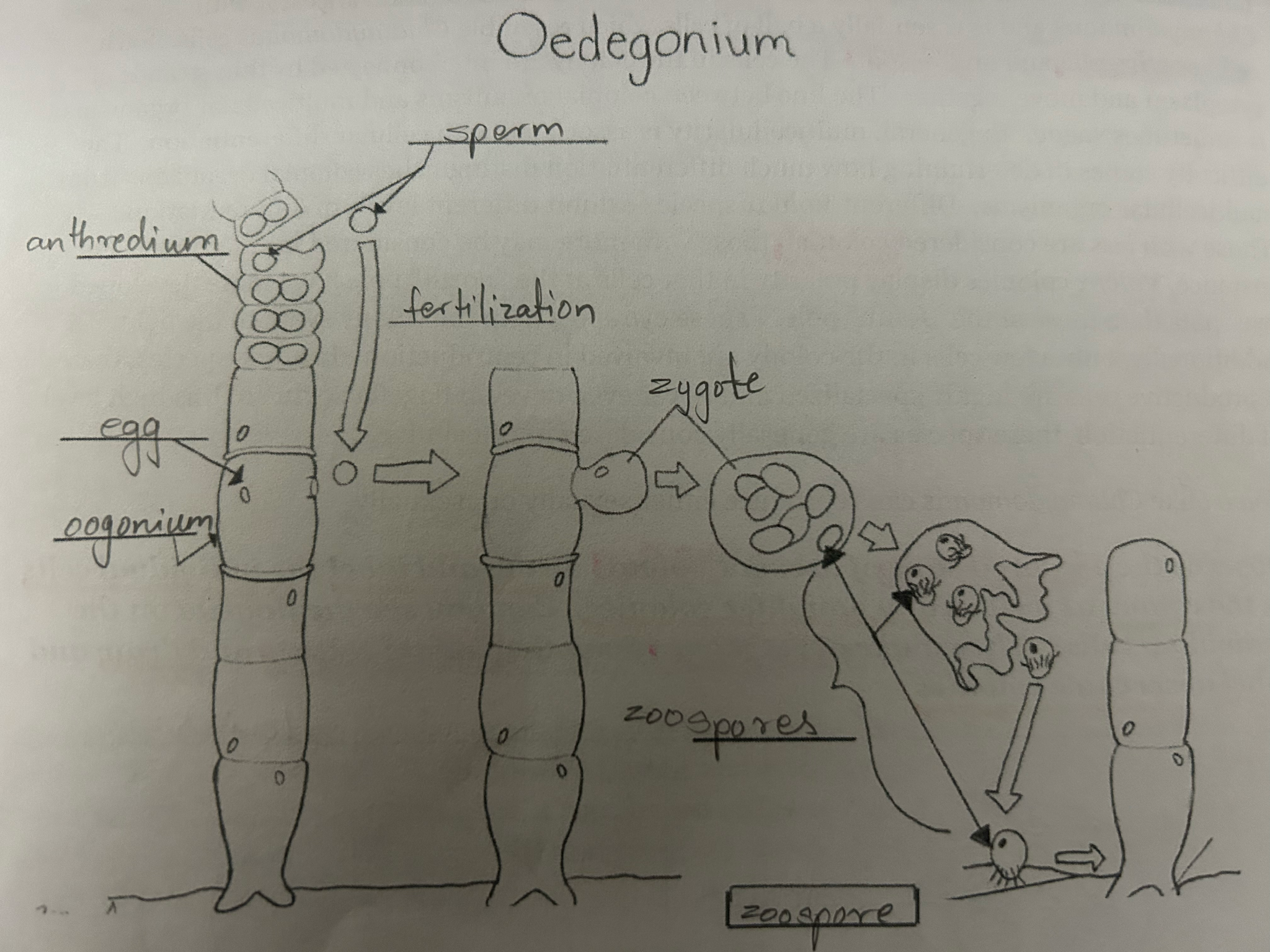
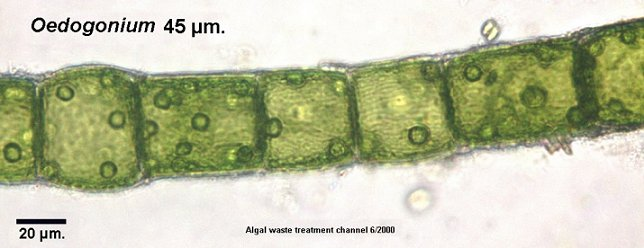
Oedogonium:
long, unbranched filaments composed of cylindrical cells.
contains one or more chloroplasts
reproduces both sexually and asexually
Sexual Rep: Sperm from Antheridum fertilizes an egg from an oogonium. Produces a diploid zygote which → meiosis produce haploid zoospores. The swim around → settle → undergo mitosis → form new filament.
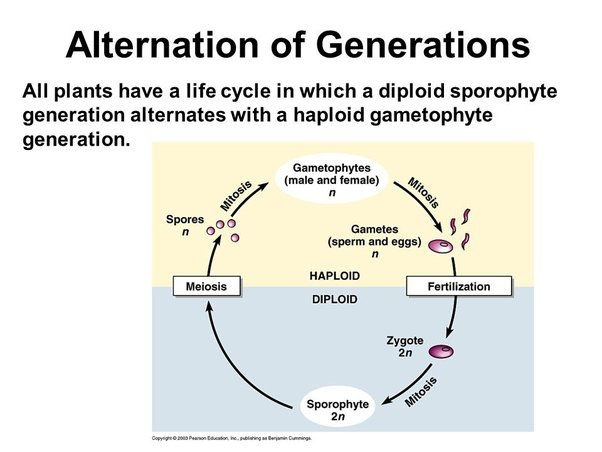
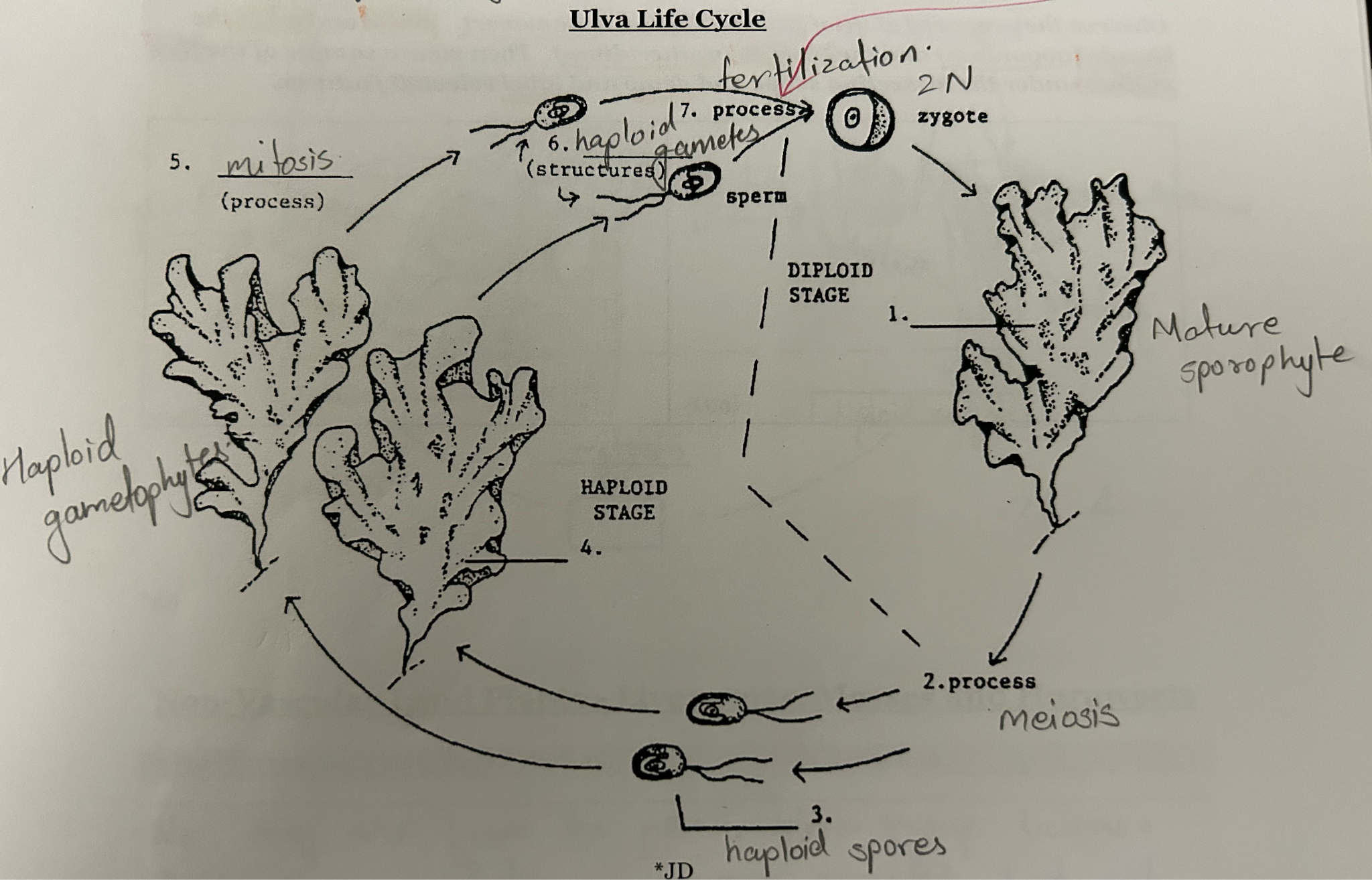
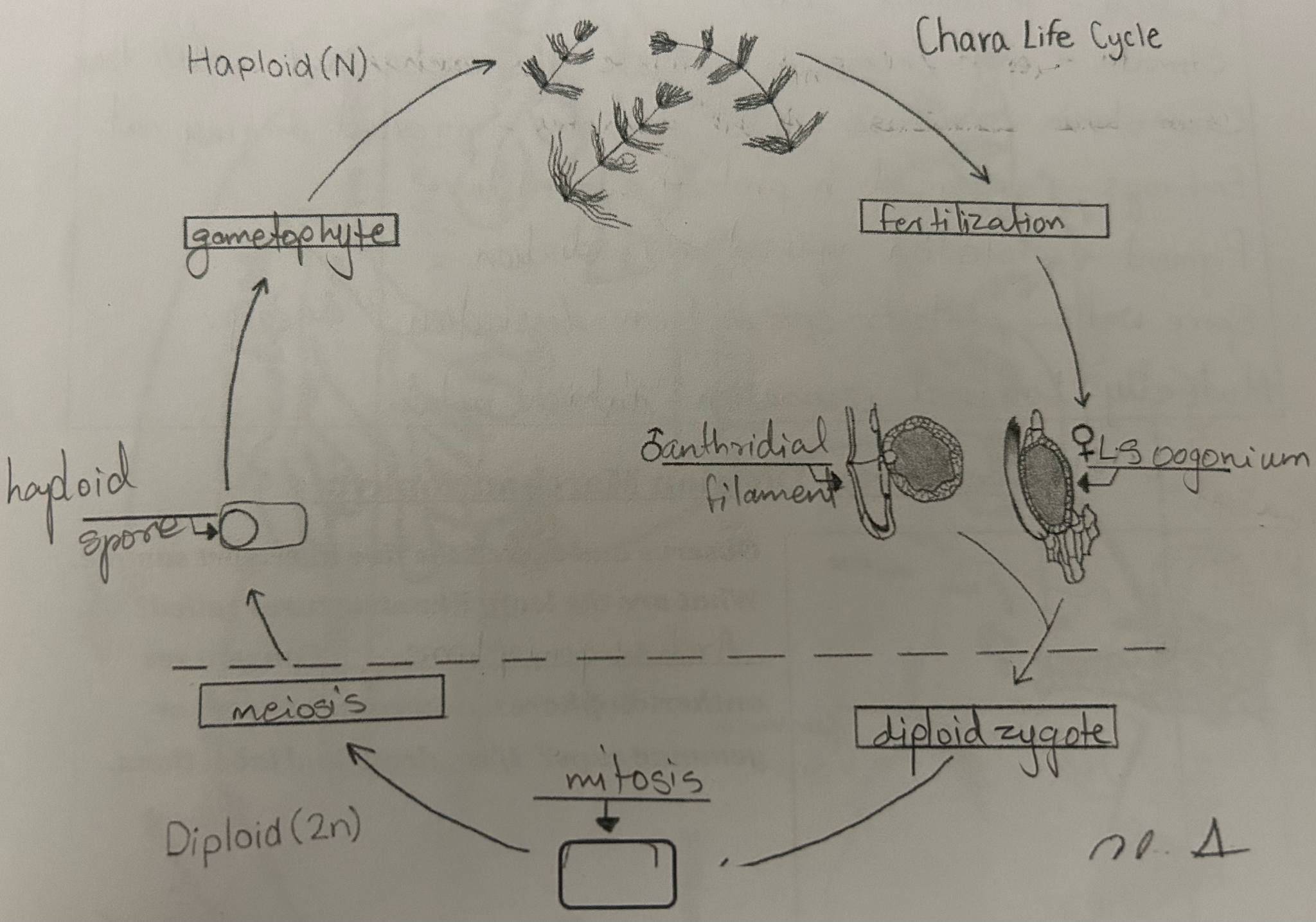
Alternation of Generation:
Spores & Gametes are haploid.
Spores are produced by meiosis.
Gametes are produced by mitosis.
Ulva:
Also known as sea lettuce, it is a multicellular green alga with a sheet-like thallus structure.
Chara:
Non-Vascular Plants:
Simple plants that lack specialized tissues for conducting water and nutrients, typically found in moist environments.
Form paraphyletic group
Example: Mosses (Bryophyta), Liverworts (Marchantiophyta)
Liverworts: Division Marchantiophyta
Liverworts are nonvascular plants
small, leafy, or thalloid plants.
leaf-like thallus.
lack cuticle, true roots, stems, and leaves (vascular system) not true stomata, but they have unicellular rhizoids (type of roots) that anchor them to the substrate and absorb water and nutrients.
Provide habitat and food for various organisms
Reproduce
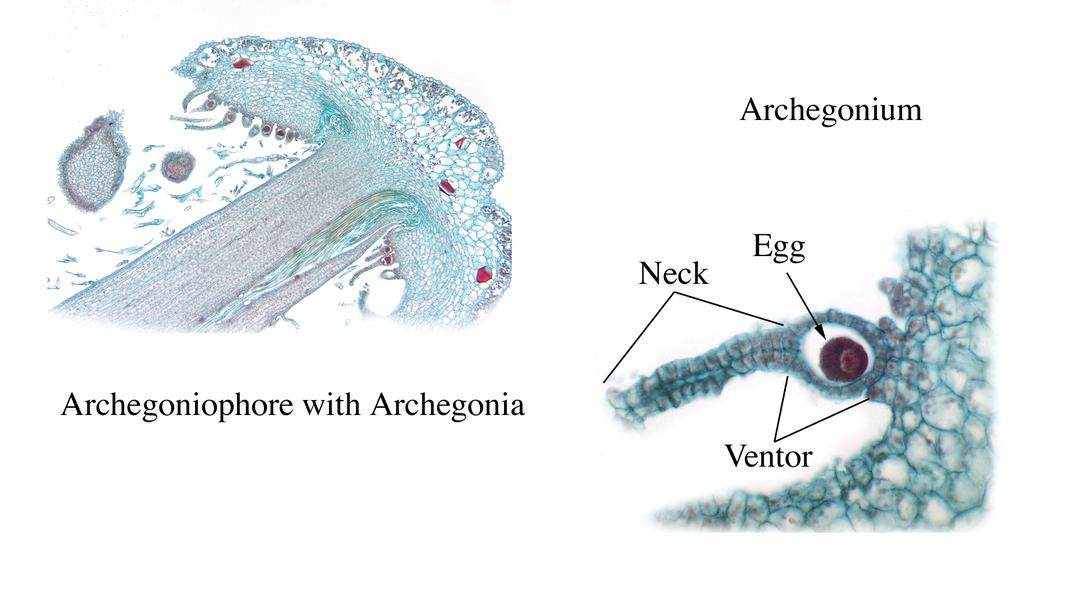
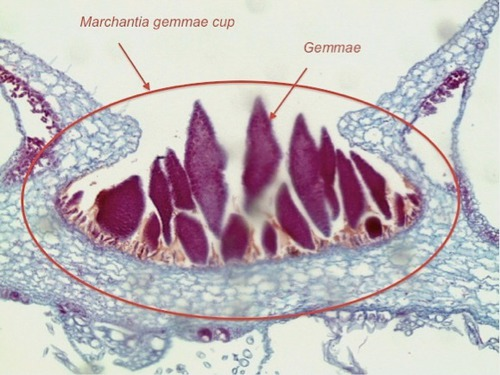
Asexually through gemmae cups
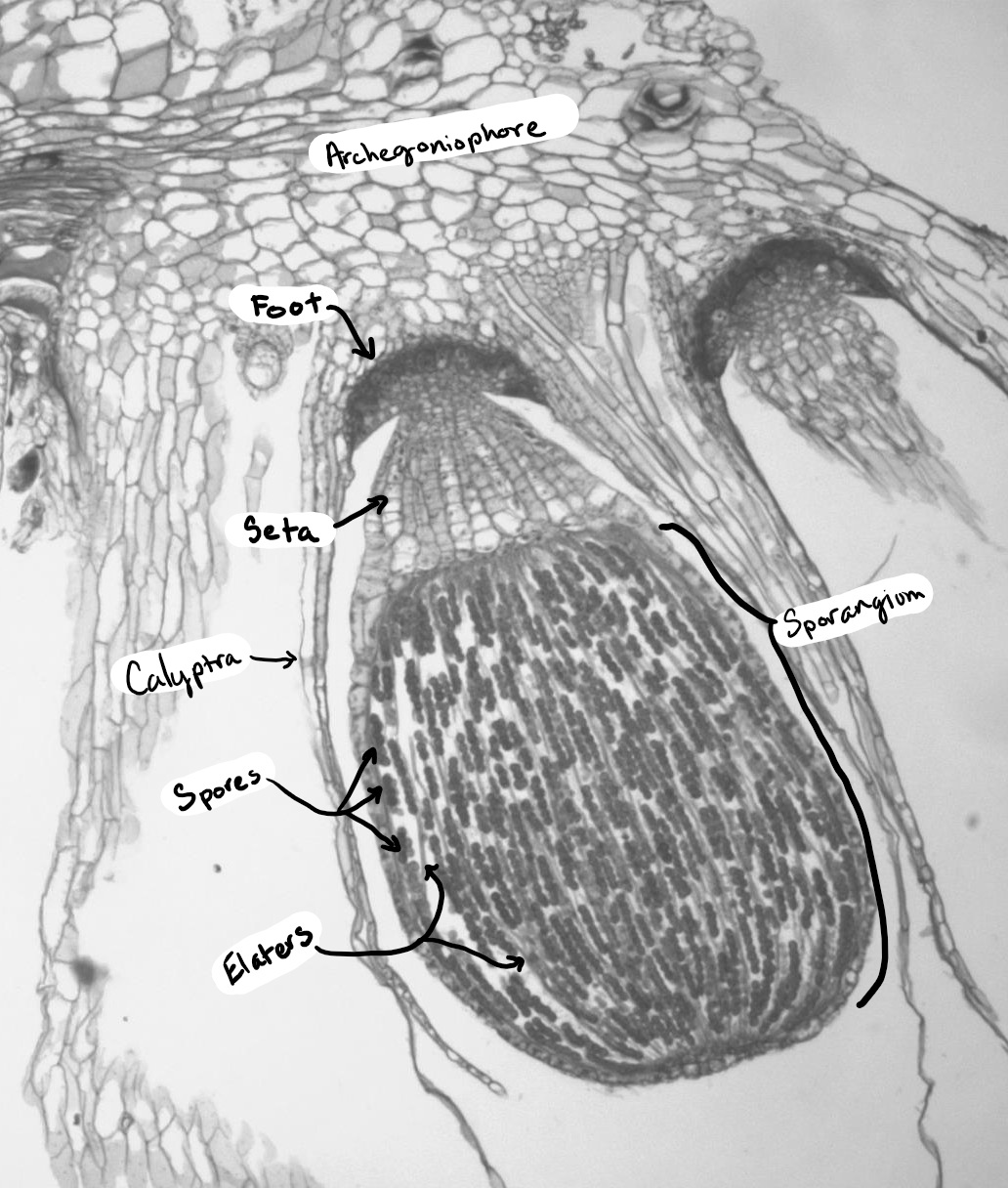
Sexually through the production of spores.
The sporangium in the mature sporophyte contains spores and elater
Ex - Marchantia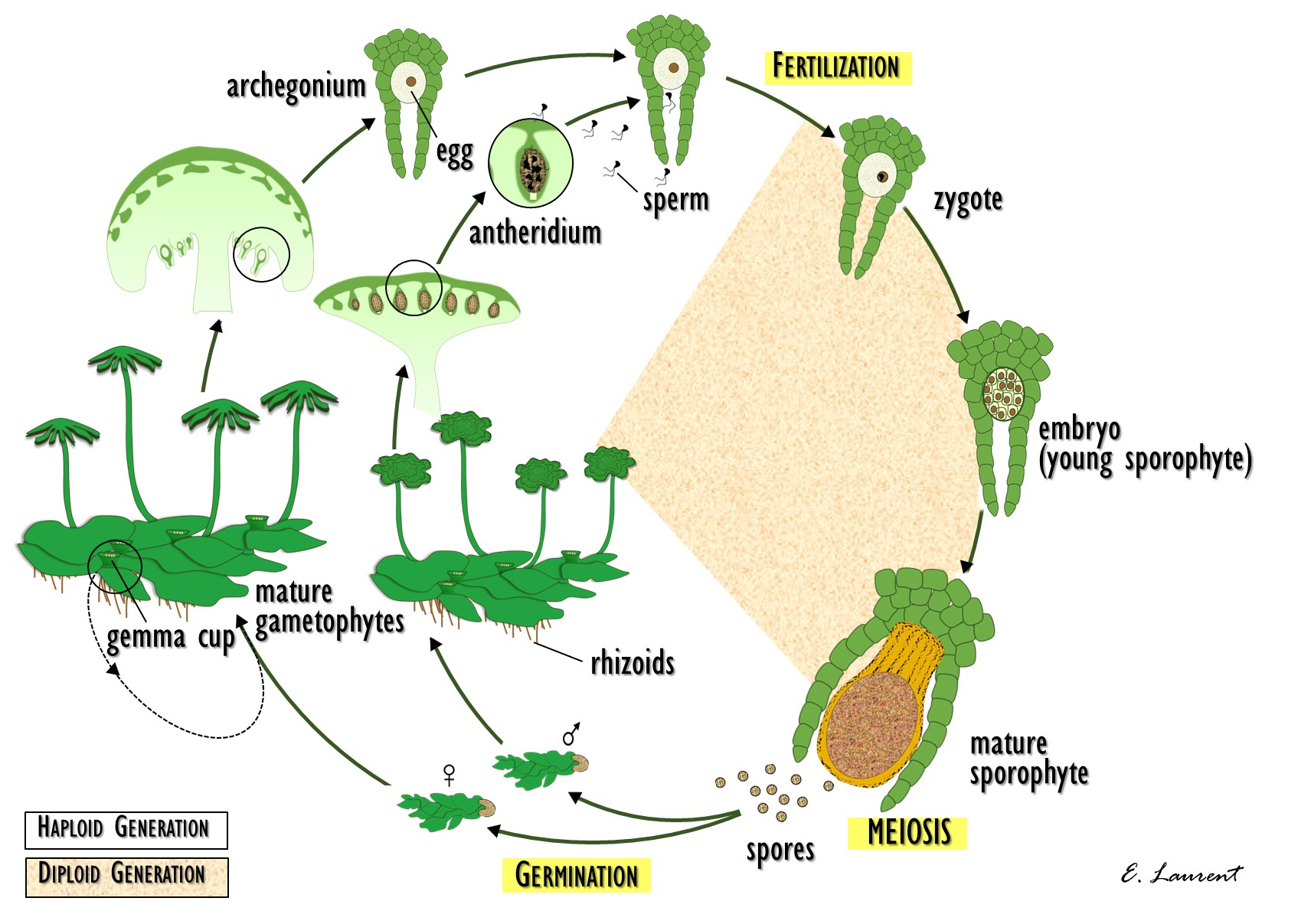
Mosses: Division Bryophyta
Small, herbaceous plants, grow in moist environments because they dry out very quickly.
Leafy stems and leaf-like structures called gametophytes.
Lack vascular system (true roots, stems and leaves)but have true stomata, have multicellular rhizoids
Retain moisture, preventing soil erosion, and providing habitat for various organisms.
Flourished → swampy forest of Carboniferous period → gave rise to large deposits of coal.
reproduce
asexually through fragmentation
sexually through production of spores.
Ex - Mnium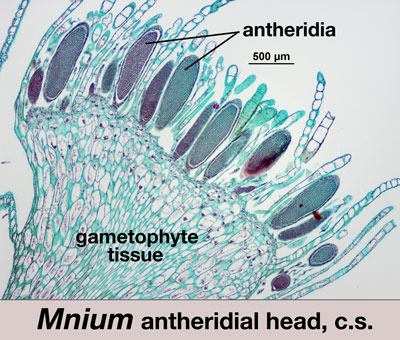
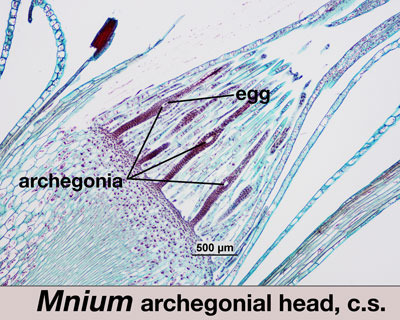
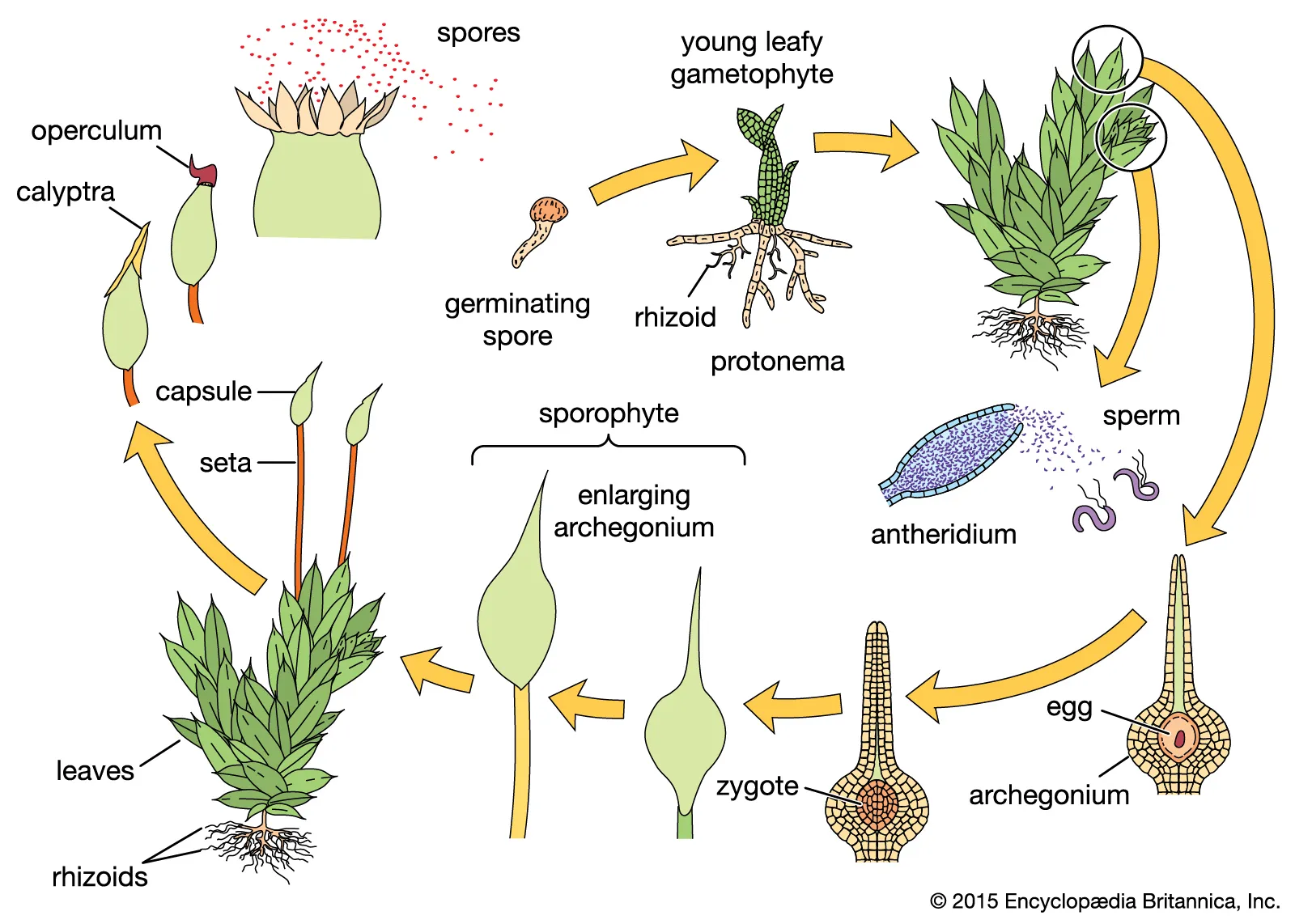
Hornworts: Division Anthocerotophyta
small, horn-shaped plants, grow in damp environments.
body structure with a flattened, ribbon-like thallus.
lack Vascular system (true roots, stems, and leaves), have true stomata, have unicellular rhizoids
Hornworts also have a symbiotic relationship with cyanobacteria, which help fix nitrogen from the atmosphere.
Reproduce
asexually through production of gemmae
sexually through production of spores.
Seedless Vascular tissue:
2 types of vascular tissue in plants → xylem and phloem.
Xylem transports water and minerals from the roots to the rest of the plant. Provide support as cell wall contains lignin.
Phloem transports sugars and other organic compounds from the leaves to other parts of the plant.
Tracheids evolved in the sporophytes of early vascular plants and is therefore a synapomorphy for vascular plants
Ex - Pteridium Moss (Mnium) vascular tissue 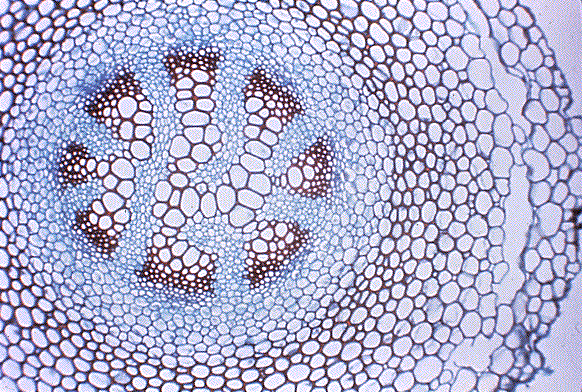
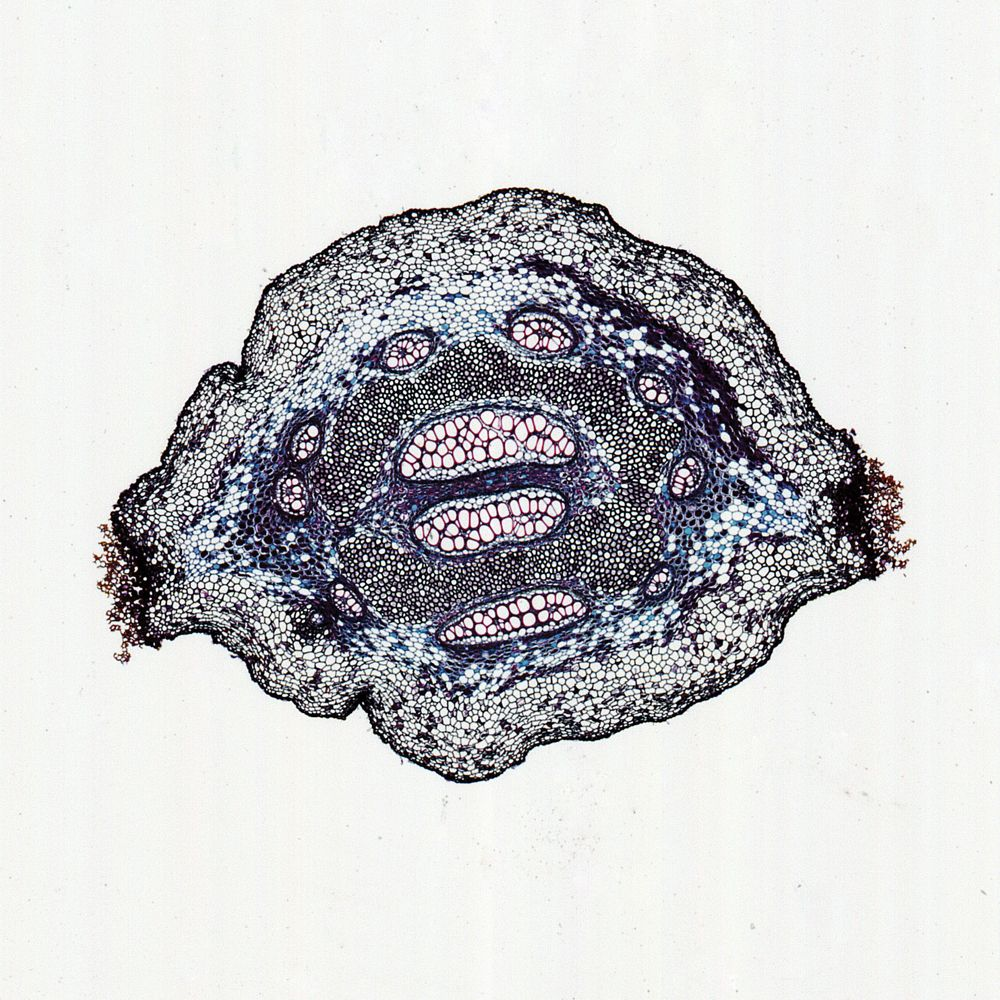
Lycophytes: Division Lycophyta
small, herbaceous plants
reproduce through spores.
have true roots, stems, and leaves, unique vascular system → xylem and phloem
Include clubmosses and spike mosses.
Monilophytes: Horstails and Ferns
Horsetails: Division Tracheophyta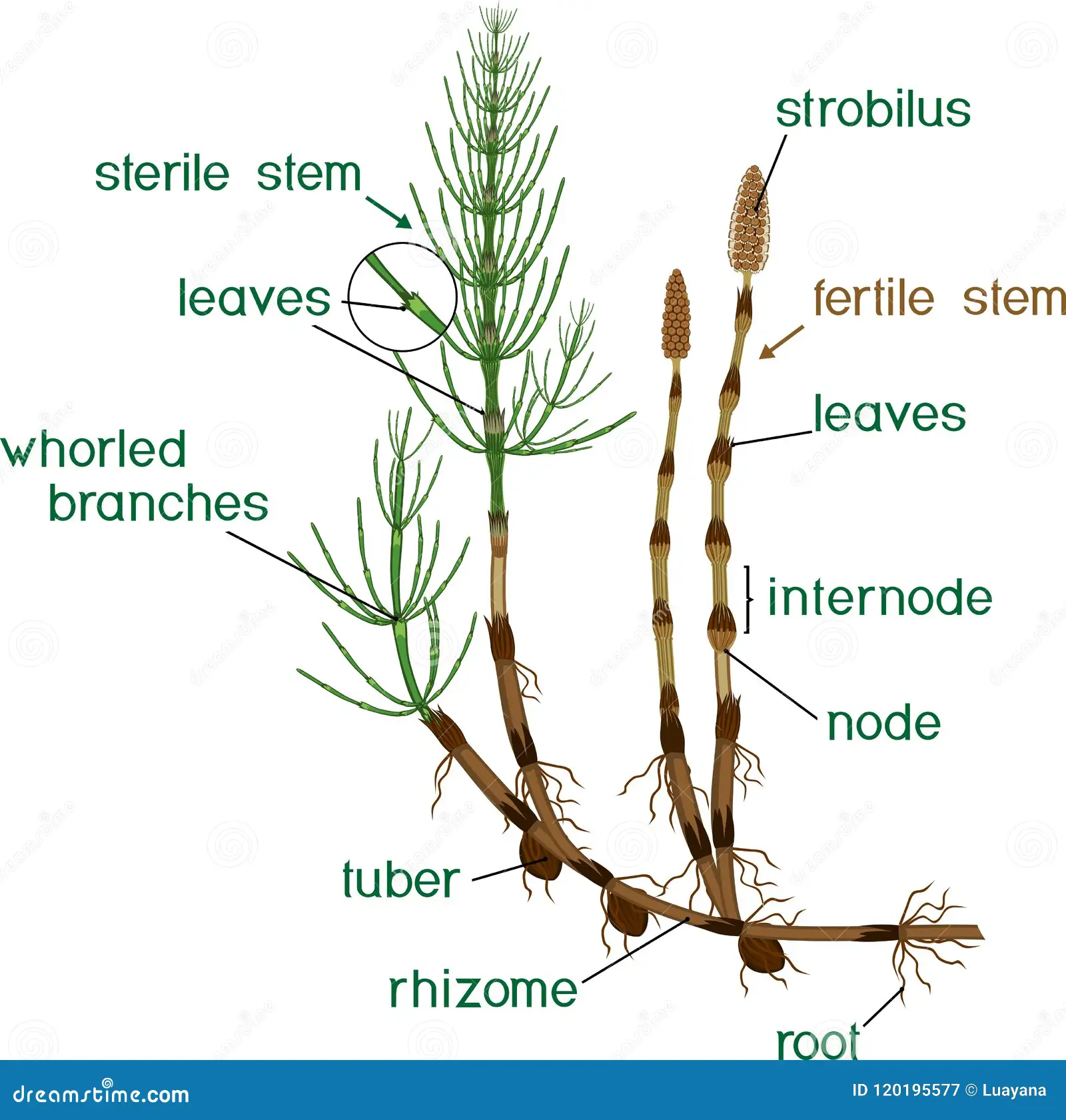
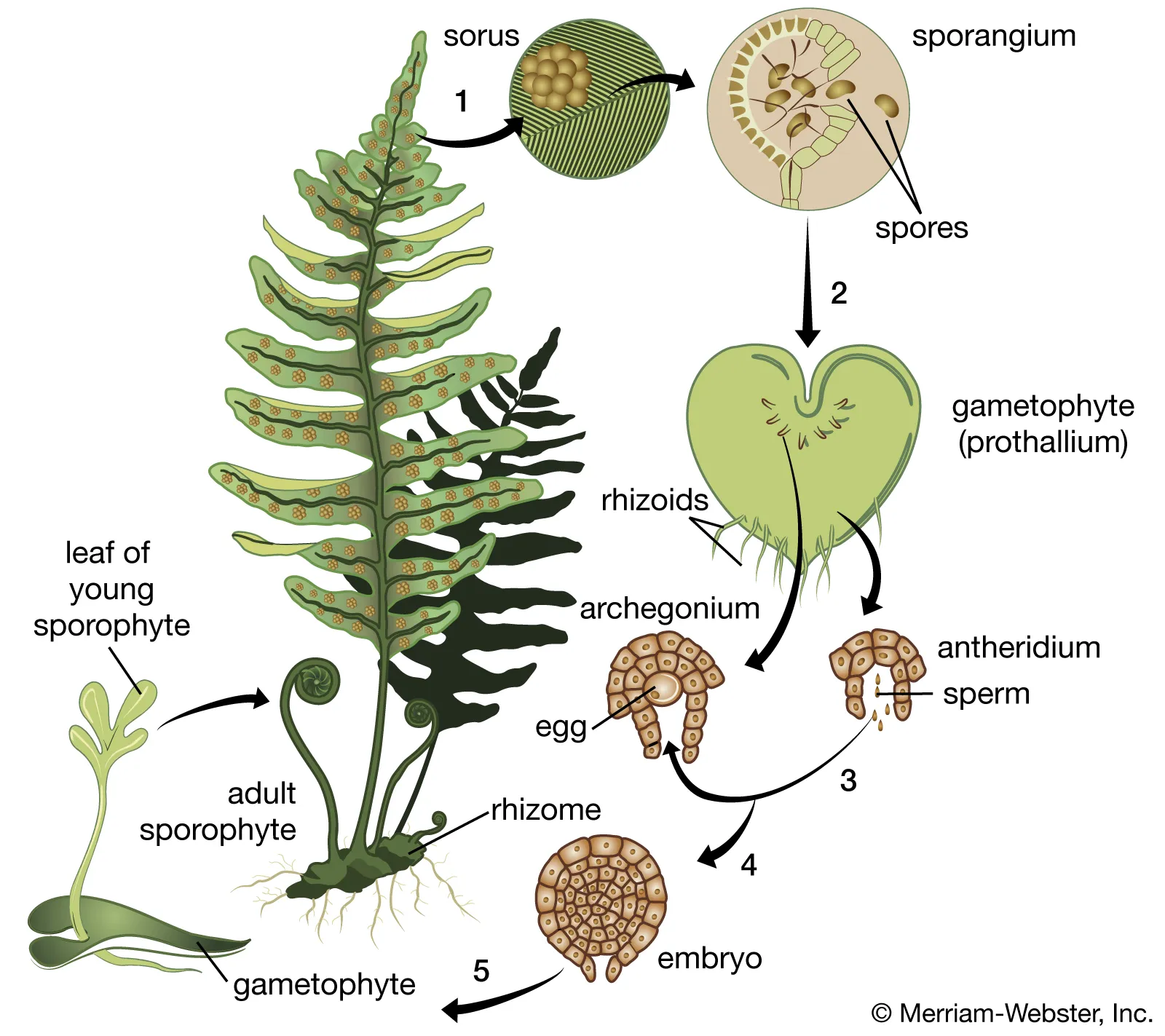
Ferns: Division Tracheophyta
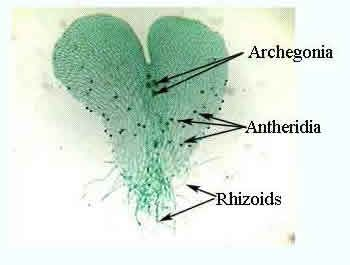
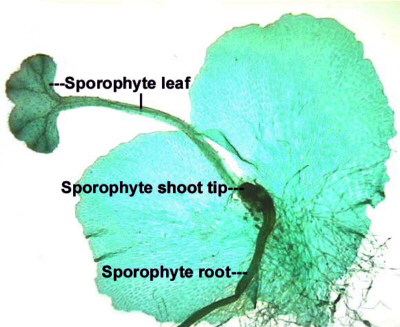
Fern Prothalim: Haploid With sporophyte: Diploid