Wk 2. Japanese Language and a bit of culture
Brief introduction from Emma Sokkel former co-ordinator for Gateway to Japan and now Dean of UCD school of Physics.
Maede Yurie Sensei
→ Nao sensei is from Tokyo, a busy city
→ Maede sensei is from the rural country of Japan
Anime Japan 2025 - It is currently running until March of this year.
Merchandise is mentioned; Sanrio, DBZ, Naruto, Nintendo, Pokemon, Anpanman
Japanese activities or culture = Kabuki, oriental tea ceremonies, origami, koto, Kimono/Yukata
Food = Sushi, Katsu curry, Mochi, Ramen
→ MAEDE YURIE PROFILE
Born in Kagoshima in kyushu, Very South of Japan.
Lecturer at TU Dublin, specialising in Business IT
Taught Japanese in USA from 1999 - 2001 and at UCD for part-time 2010 - 2018
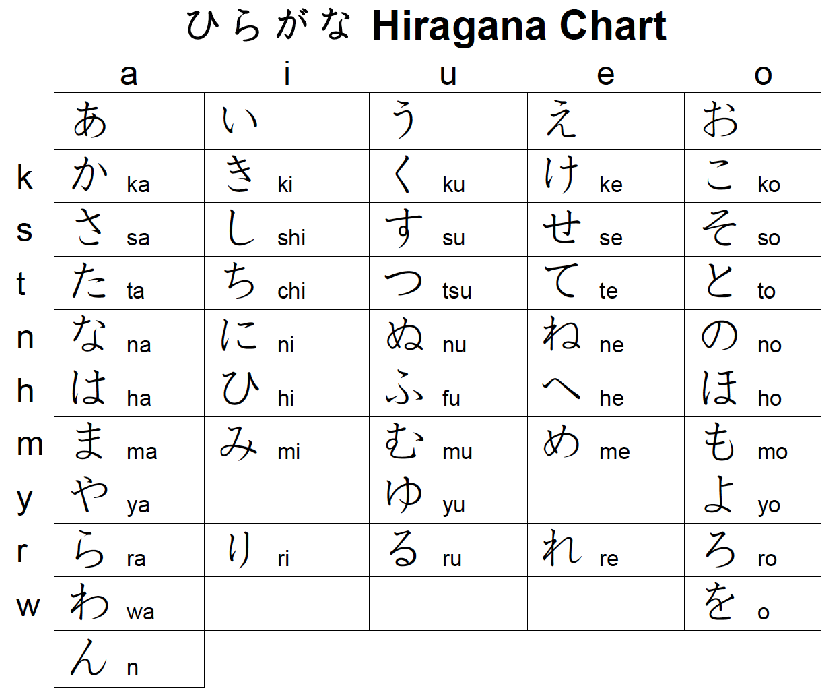
→ 日本語文字 Japanese scripts
Hiragana = phonetic alphabet system, used for function words and japanese word if not written in kanji
Katakana = phonetic alphabet system. used for non-japanese word
Kanji = Chinese characters. Each character has a meaning
Rooma-ji = a way of writing Japanese in Roman alphabet
→ 発音 Hatsuon Pronunciation
Numerous phonemes, but less than English. Many homonyms in Japanese e.g.
koi (恋 love、鯉 carp、濃い dark、故意 intentional)
ishi (意志 will、遺志 last will、医師 doctor、石 stone)
kami (髪 hair、紙 paper、神 god)
Accent is not the stress difference (strong - weak) but the pitch can be different (high-low)
Maede sensei is teaching the business related aspects for using the Japanese language, quite useful.
→ Grammatical model
A wa B desu.
A は B です
→ 文法 Bumpoo - Grammar
Subject Object Verb = Japanese
vs
Subject Verb Object = English
noun (no gender) → thank god
particle (important): o, ni, to, e, kara, made etc
e.g. watashi wa ku ji kara go ji made hatarakimasu.
I work from 9 to 5.
Hatarakimasu = formal language verb of to work.
→ ジブリポスター (jiburi posutaa)
Ghibli poster
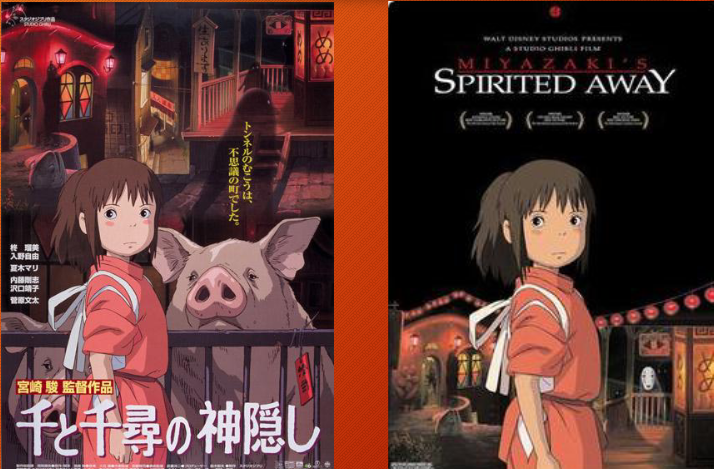
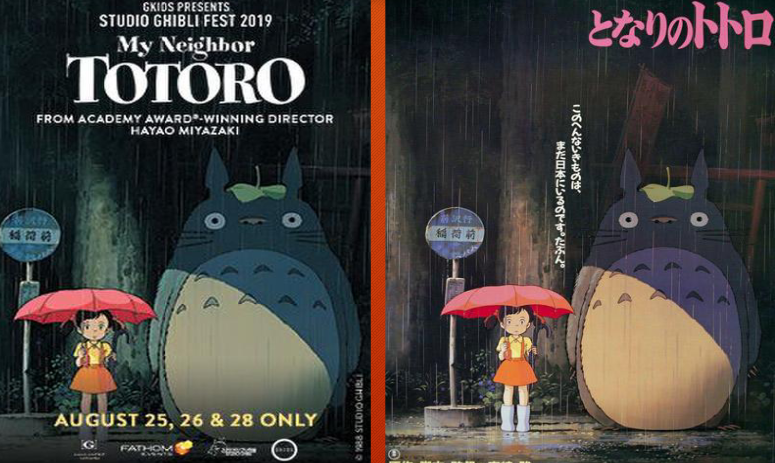
→ Horizontal & Vertical presentation
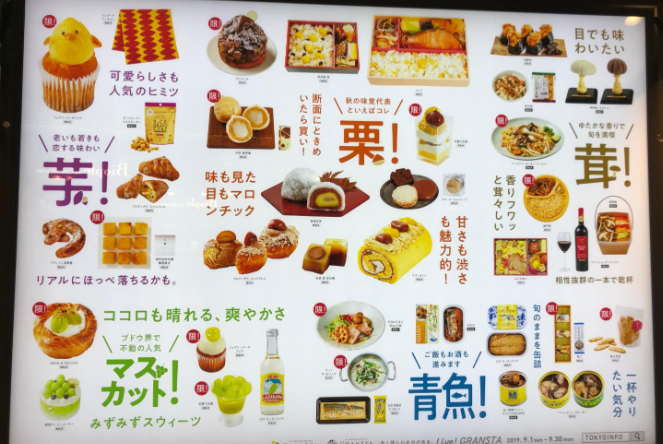
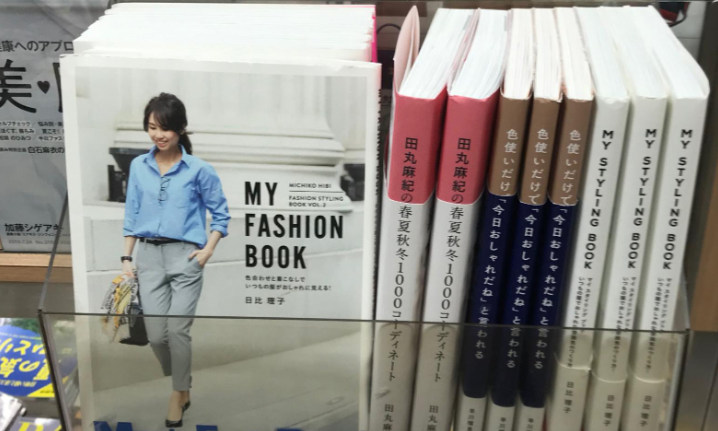
Traditional japanese is written and read from up to down, as well as reading a book from right to left.
→ Word / character count
English = Words 192, characters = 1,180
Japanese = Words = 502, characters = 504
Part 2 of the lecture → 1 hour mark
Japanese culture & communication strategy
→ High-context culture
Japan’s high context culture
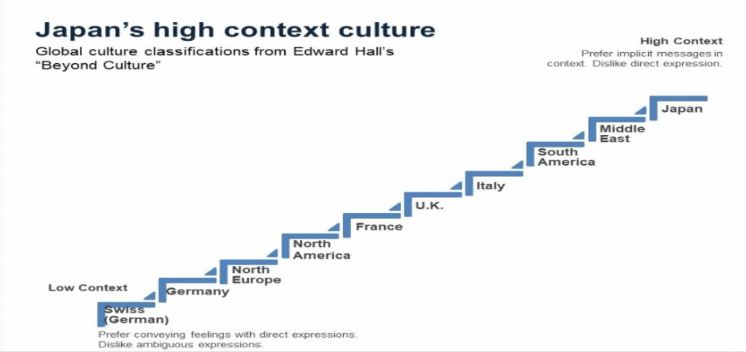
Ireland can either be right in the middle or a bit higher in context.
→ Bowing & Smiling are important in business
→ Exchanging Me e shi
Manners of exchanging business/name cards is highly valued.
When meeting for the first time in business, it is proper to exchange each others name cards.
→ Addressing people
-san (honorific suffix ‘san’ when addressing any gender)
-sensei (Doctor, teacher and politician)
-shushoo (prime minister)
-buchoo (manager)
-kaichou (section chief)
→ Surname first and then the first name. In public, Japanese people call each other with their surname + san or sensei
マーティンさん Martin san (Mr Martin)
マーティン首相 Martin shusoo (Prime Minister Martin)
→ Individual vs Group
Work achieved by the team is more appreciated than that by individuals
Leader - Sub leader, manager, staffs who do the actual work
→ Drinking rules
When drinking alcoholic beverages, it is customary to serve each other rather pouring your own beverage.
Do not start drinking until everybody at the table is served and the glasses are raised for a drinking salute which is ‘‘kampai’’
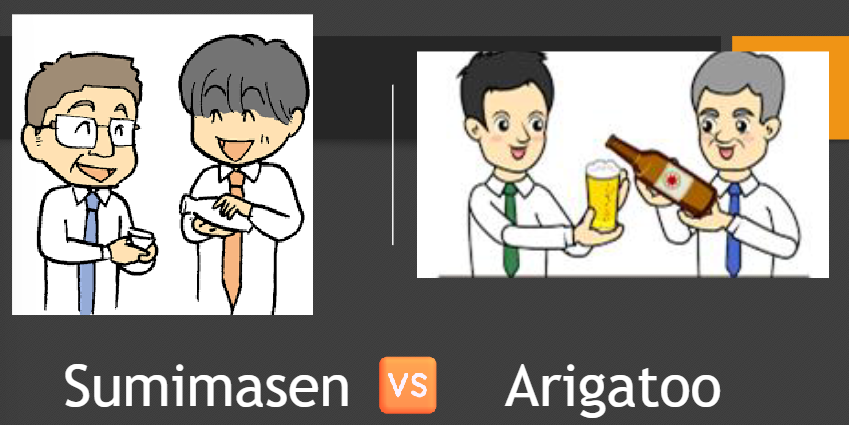
Arigatou → used by senior (older) person to thank the younger person
Sumimasen → used by the junior (younger) person to thank the older person
→ Table manner
blowing your nose in public is considered bad manners, especially at the table
Burping is completely fine, sign of satisfaction
Tipping is not necessary
When eating a shared dish, always move the food to your own personal dish you are provided with. As well using the end of your chopsticks or with the serving chopstick you are provided with.
Never plant your chopstick in a bed of rice, right in the middle. It is the sign of a dead person.
→ very useful phrase
When typing a business email the phrase
Osewani natteimasu お世話になっ
ています。Can be used as a way of thanking them for taking care of you, even though it can be the first time you make an email to them.