Chapter 5: Resistance Training
Hippocrates
Use it or lose it
Biological age vs chronological age
Cannot alter chronological age, but if you have a healthy lifestyle, can have a biologically younger age.
How often?
Strength training at least 2x a week
What Muscles groups - All
What’s the most important muscle? - Voluntary muscle- skeletal. involuntary: Smooth, cardiac
Benefits
Increased lean body mass
Important for movement, flexibility, mobility, increased strength of skeleton
Lower body fat %
Less risk of circulatory problems, diabetes, etc
Increased basal metabolism at rest
The more lean muscle and less body fat, teh higher your BMR is.
Muscles use more energy at rest than fat does. More musc = burn more calories at rest
Increase strength
Makes life easier
Regulates resting blood pressure
Generally lowers it (good)
Heart is stronger
Reduces risk of diabetes
Kidneys working more efficiently
Strengthens bones
Prevents injury
Confidence
Positive feedback loop, benefits mental health
The Skeleton
skel 1: lateral, skel 2: antero-lateral view, skel 3 anterior, skel 4 posterior
7 cervical
5 thoracic
something else??
Sternum
Connects ribs and acts as anchor point
Zyphoid process (bottom)
Humerous
L lower forearm: Radius, beside is ulna (pinky side)
Below are carpals (bones of wrist) 8 of them
Below those are metacarpals, then phalanges (knuckles and below)
First leg bones; Femur
largest and strongest bone in the body; stronger than concrete
Pelvis/Pelvic girdle
Tibia - large bone in lower leg, bigger than fibula (supporting bone)
Feet; tarsals, metatarsals, phalanges
Posterior side; scapula
Muscles
206 bones, 600-700 named muscles (depends where you look and how they’re grouped). 3x as many muscles as bones
Top L arrow: Covering scapula is deltoid
Anterior medial, medial, posterior
Below delt is bicep
2 heads- origin points
Origin pts are closest point to midline of the body, insertion is where it terminates away from the body
Flexors
Flex the fingers and wrist
Close the angle of the joint
Top R - Pectoralis
Major and minor
Rectus abominus
Stability
Lower back strength
Obliques
External and internal
Assist in respiration
Front leg; quadirceps
4 muscles within the quadriceps
Extending the leg the main function
neck/shoulders of back; trapezius
Latimus dorsi
back arm; triceps
3 heads -3 origins
Posterior of lower arm (opp of flexors); extensors
Gluteus maximus
Stability, mobility
Hamstrings
3 hamstrings- semi tendonosis and femonrisis, becipes femoralis (or something)
Calves
Hardest to train and grow
Raising heel,
Anatomy
Bones (206)
Ligaments
Attach bones to each other
More ligaments than bones (>900)
Tendon
Attaches bone to muscle (>4000)
More tendons than bones to allow movement
More tendons than ligaments
Muscles (~600)
Muscular strength
maximum force for 1 rep
Muscular endurance
Reps over time
Muscle fibre, myofibril - within bundle of muscle fibres
Actin and myosin - smallest protein fibres/filaments, doing the work during a contraction. Within myofibril.
Fast twitch muscle fibres
Lot of force in a little time
Less than a minute for maximal force always use FTF
Anaerobic
Uses glycogen for quick use
Highly easy to fatigue
Cannot use for more than 1 min continuously
Used for strength
Rapid movements
fewer blood vessels
Less mitochondria and myoglobin
Slow twitch muscle fibres
The opposite
Can use for longer time bc use oxygen for energy and not glycogen
Resistant to fatigue
Aerobic
Used for stamina/endurance
Many blood vessels
More mito and myoglobin
Types of contractions
Isometric
Muscle contracts but does not shorten or lengthen
No movement
Concentric
Like bicep curls
Most common
Closing angle of joint, the prime mover muscle shortens
Eccentric
Muscle contracting but at same time lengthening
Ex., letting down a dumbbell slowly during bicep curls
Reverse of concentric
Tearing muscles more, in this case good for muscle growth
Muscle pairs
Everything’s in opposing pairs
The prime mover in a movement is the agonist, the other is antagonist
Antagonistic pairs
4 Factors for Gains
Progressive overload
Protein
Somatotype
Based on genetics and individual differences
Endomorph - heavy by nature, hard to lose fat and gain muscle
Mesomorph- triangle shape, build muscle easily
Ectomorph - hard to gain fat and muscle. Slender
Hormones
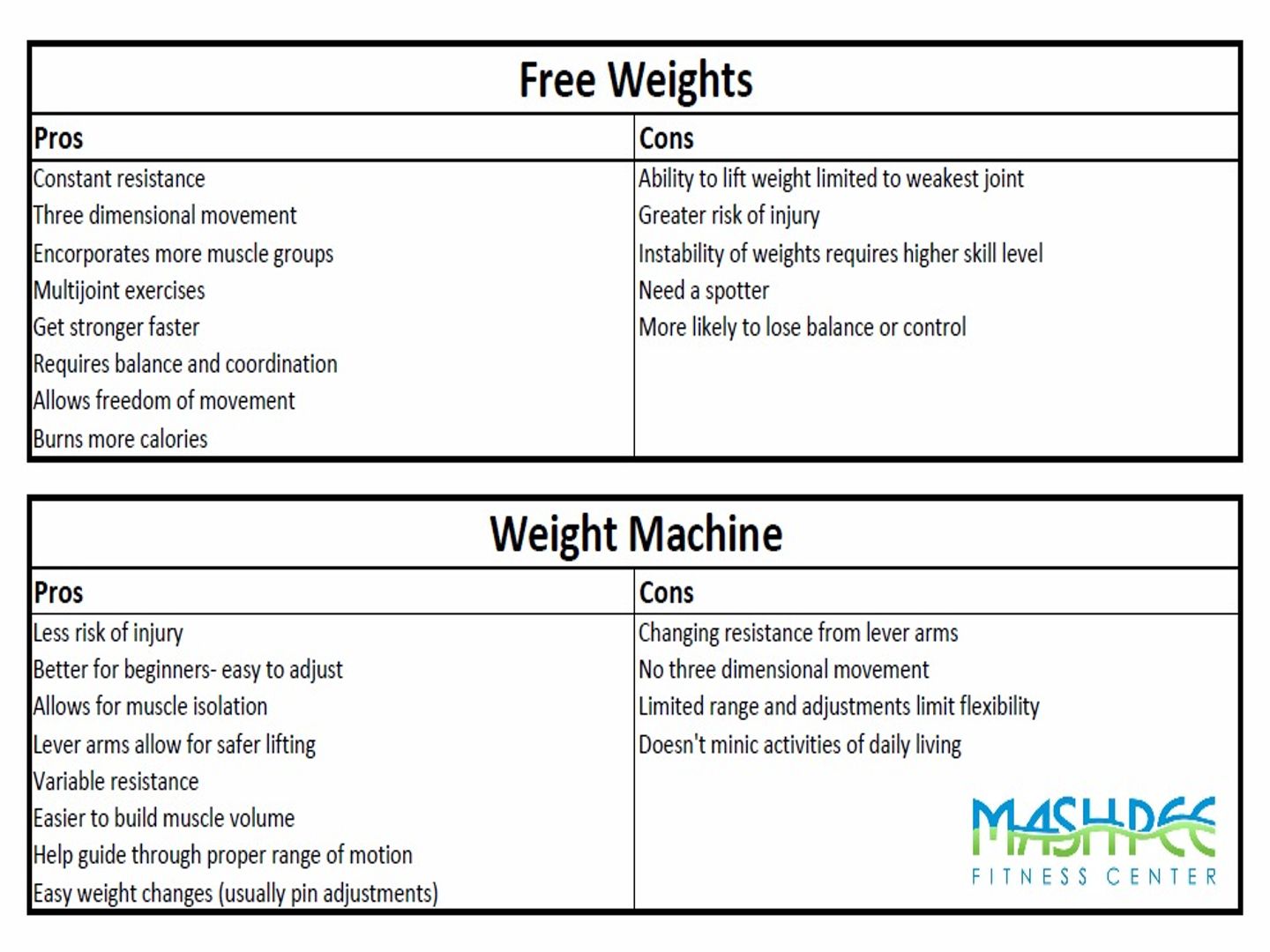
See table 5.3
Infinite programs tailored to your needs and goals
adding more muscle mass allows you to lift more. obvi trained muscle stronger than untrained muscle
Adaptation and ease to gains easier for novice, harder for advanced bc already at top
Rate of adaptation decreases as time increases
Strength performance increases as time increases
In early life, while body adaptable, build up muscle to make peak as high as possible
body fat % decreases with exercise and lean tissue mass increases
BMR increases with increased muscle, decreasing fat
Males have more T so genetically stronger, but same benefits and principles apply to women
Watch video from notes