In Class Notes 10/10 - Child Development Insights: Health and Learning
Elementary School Age (6-11) 🏫
Physical Health
During this age group, children are generally in the healthiest time of their life. They are safeguarded by genetic and environmental factors, and death rates are lower due to:
Immunizations that protect them from diseases
Use of seat belts and car seats that reduce the risk of accidents
Fewer chronic conditions due to less secondhand smoke
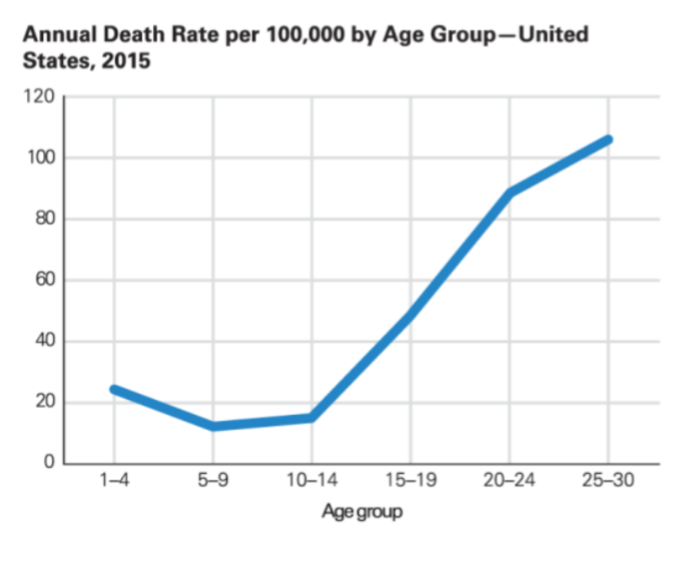
Death Rates by Age Group
Age Group | Death Rate per 1,000 |
1-4 years | High |
5-9 years | Low |
10-14 years | Low |
15-16 years | Increasing |
17-24 years | High |
25-30 years | Decreasing |
70+ years | Increasing |
Factors Contributing to Death Rates
Accidents: Death rates start to increase around 13-14 years old due to experimentation and risk-taking behaviors.
Driving: Death rates increase significantly at 16 years old due to the start of driving.
Drinking and Driving: Death rates increase further at 20-24 years old due to increased drinking and driving.
Oral Health
Improved oral health is seen in elementary school age kids due to:
Education about oral hygiene
Increased access to dental care
Use of fluoride
Average growth during this period is about 2 inches and 5 pounds per year.
Growth and Development
Age | Growth Rate |
6-11 years | Slow and steady (2 inches and 5 pounds per year) |
12-14 years (girls) | Rapid growth spurt |
14-16 years (boys) | Rapid growth spurt |
Maintenance of Good Health
Dependent on adult instruction and example
Children at this age are good at following rules and look to adults as role models
Important to teach self-care skills, especially for children with chronic medical conditions
Advances in Physical, Emotional, and Mental Health
Academic achievement improvement
Increased physical activity is linked to better academic performance
Natural need for movement, but challenges in meeting this need due to:
Reduced recess time
Increased focus on academics
Decreased physical activity outside of school
Sports-Related Injuries
Increased risk of sports-related injuries, including:
Overuse injuries
Concussions
Importance of proper training, equipment, and supervision to prevent injuries## 🏋♀️ The Importance of Physical Activity in Children
Physical activity is essential for children's overall development, including their brain function and academic performance. In Japan, physical education is highly valued, with gym class every day and an hour of recess. This emphasis on physical activity has contributed to Japan's high scores in math, science, and reading.

Benefits of Physical Activity
Improves blood flow to the brain, leading to better cognitive function
Increases production of neurotransmitters, which are essential for learning and memory
Enhances executive control skills, such as focus and self-regulation
Supports visual and spatial memory development
The Connection Between Body Movement and Brain Function
"There is a connection between body movement and movement. That's something you can try them out for yourself. If you see, you know, sometimes, you know, work on school and you start to notice that you've read over the same thing multiple times. The best thing you can do is take a break for about 10 minutes, and then you get to go walk around."

Executive Control Skills
Executive control skills, such as focus and self-regulation, are essential for academic success. These skills start to develop around age 7, but can be influenced by various factors, including physical activity and music education.
Music Education and Executive Control Skills
Music education has been shown to improve executive control skills, such as:
Focus
Self-regulation
Planning
Organization
Visual Arts and Spatial Memory
Visual arts education is also important for building visual and spatial memory, which is essential for STEM education.
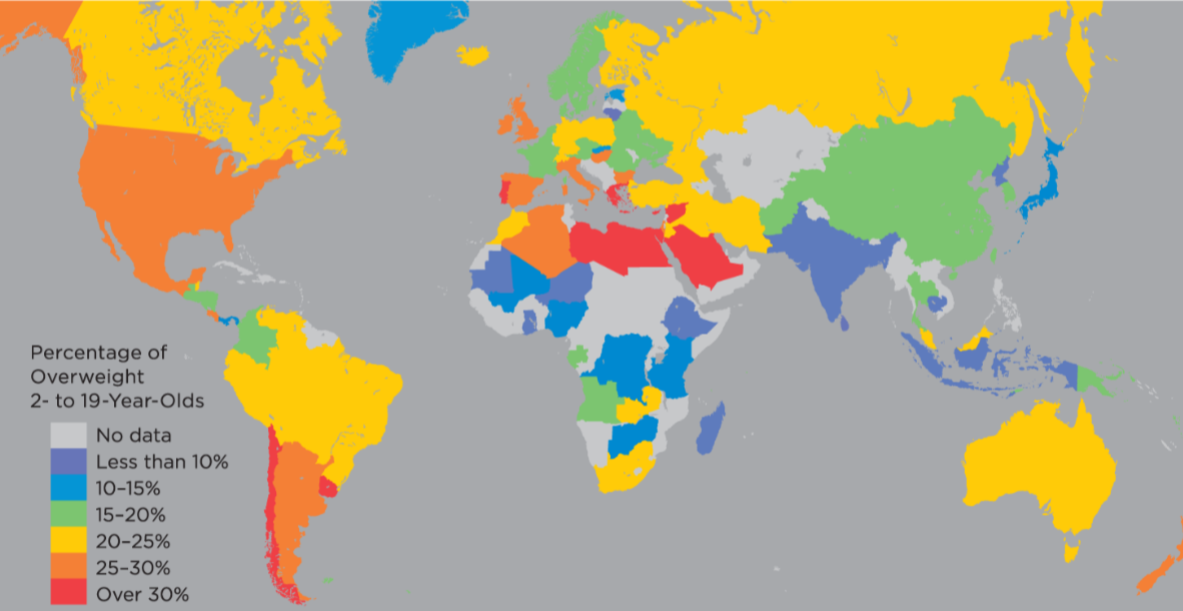
📊 Childhood Obesity Rates Around the World
Childhood obesity is a significant public health concern worldwide. The following table shows the prevalence of childhood obesity in different regions:
Region | Prevalence of Childhood Obesity |
India and Southeast Asia | < 10% |
East Africa | < 10% |
South America | 10-15% |
Northern America | 15-20% |
Portugal and Middle Eastern countries | > 30% |
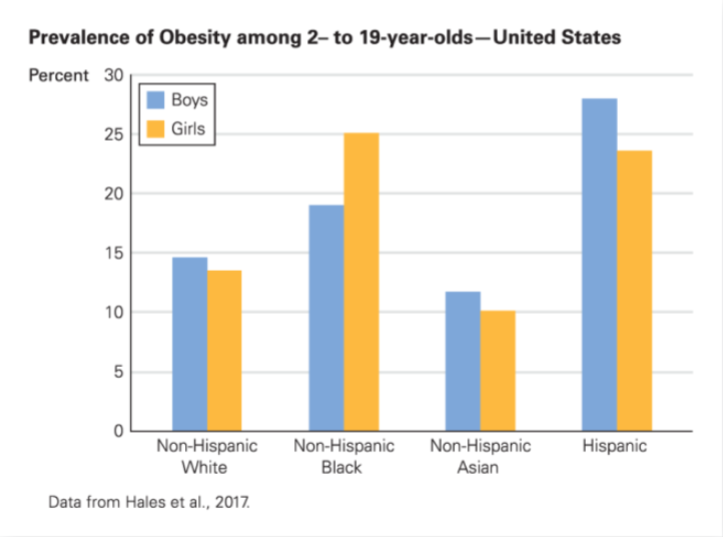
Factors Contributing to Childhood Obesity
Genetics
Parenting practices (e.g., formula feeding, screen time)
Environmental factors (e.g., access to fast food, lack of physical activity opportunities)
Socioeconomic factors (e.g., poverty, lack of access to healthy food)

Asthma and Its Impact on Children
Asthma is a chronic inflammatory disease of the airways that can have serious health consequences if not managed properly. It is a significant public health concern, particularly among preschoolers.
Asthma Statistics
Frequent school absences
Higher rates of hospitalization
Increased risk of respiratory problems
Managing Asthma
Medication
Breathing treatments
Avoiding triggers (e.g., allergens, irritants)## Asthma in Children 🤧
Asthma is a common condition in children, especially in lower socioeconomic status (SES) communities. The prevalence of asthma has increased over the years, with African American children being more likely to develop the condition than other racial groups.
Causes of Asthma
Genetics: Asthma can be inherited, with some families being more prone to the condition.
Environment: Exposure to mold, dust, and other allergens can trigger asthma attacks.
Lack of exposure to certain microorganisms: Research suggests that a lack of exposure to certain microorganisms in childhood may contribute to the development of asthma.
Cognitive Development in Children
Information Processing Perspective
"Our brains need to know through data from sensory input, make connections with school memories, and the output."
This perspective views the brain as a computer that processes information from the environment and stores it in memory.

Segregation and Abstraction
Segregation refers to the ability to categorize objects and events into groups. Abstraction refers to the ability to think about concepts and ideas that are not physically present.
Age | Cognitive Ability |
6-11 | Developing segregation and abstraction abilities |
11+ | Improving segregation and abstraction abilities |
Language Development
Language skills improve significantly between the ages of 6 and 11. This includes:
Grammar
Vocabulary
Comprehension
Speech skills
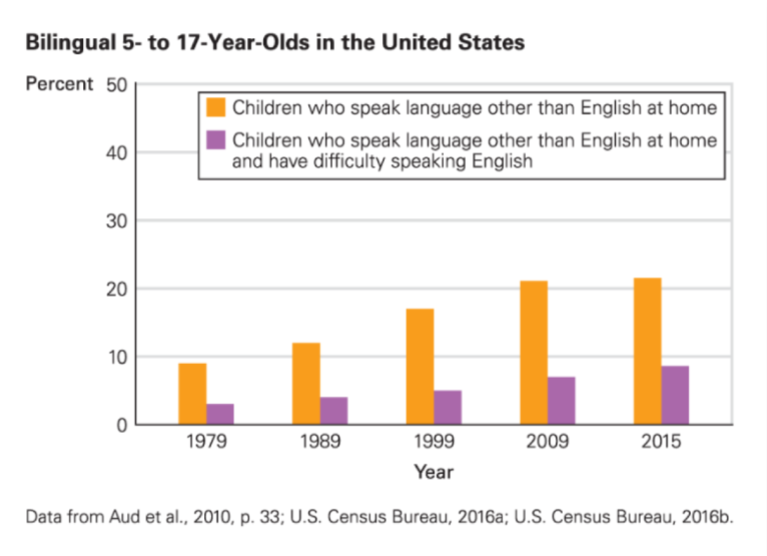
Language Instruction for English Language Learners
There are several approaches to teaching English language learners, including:
Bilingual Education: Instruction in both the student's native language and English.
English as a Second Language (ESL): Instruction in English only, with support for students who are not fluent in English.
Immersion: Instruction in English only, with no support for students who are not fluent in English.
The Impact of Socioeconomic Status on Development
Socioeconomic status can affect physical and cognitive development in children. Children from lower SES backgrounds may:
Have limited access to language and educational resources
Experience more stress and anxiety
Have poorer health outcomes
Addressing Childhood Trauma in Schools
Schools can play a critical role in supporting students who have experienced childhood trauma. Some strategies include:
Providing counseling and therapy services
Creating a safe and supportive school environment
Offering academic support and accommodations
Fostering positive relationships between students and teachers