18: Angiosperm Life Cycle and Diversity
ANGIOSPERMS
Have vascular tissue, seeds, AND flowers
Sporophyte is the dominant generation
Most diverse phylum with 300,000+ known living species (in addition to those in the fossil record)
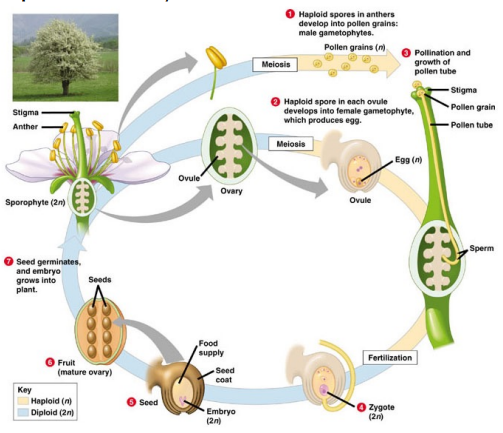
Angiosperm Life Cycle
Angiosperm Diversity
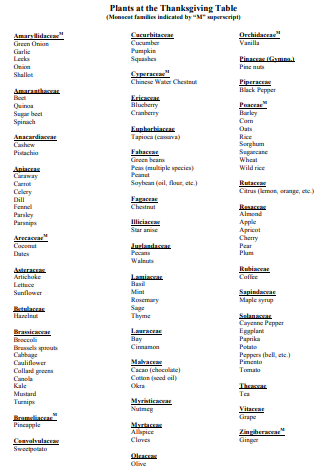
>300 families
Humans consume a relatively narrow range of species
estimated that 20,000-30,000 plant species are edible
humans have historically eaten about 2,500 species with some regularity
current world food supply depends on only 150 species
Food plant diversity is usually on display during holiday meals like Thanksgiving.
Plant Domestication
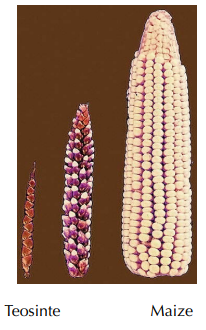
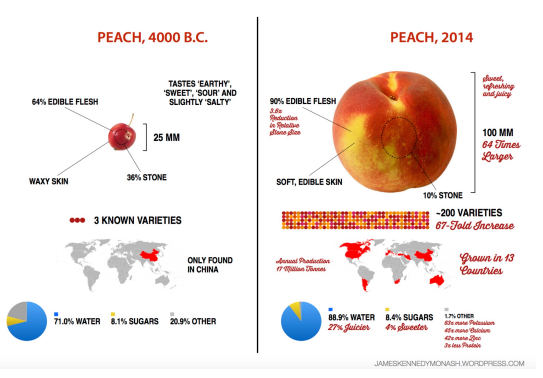
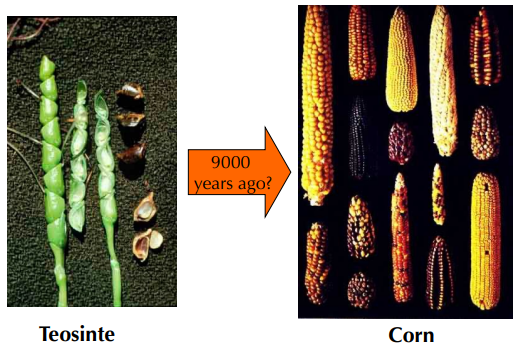
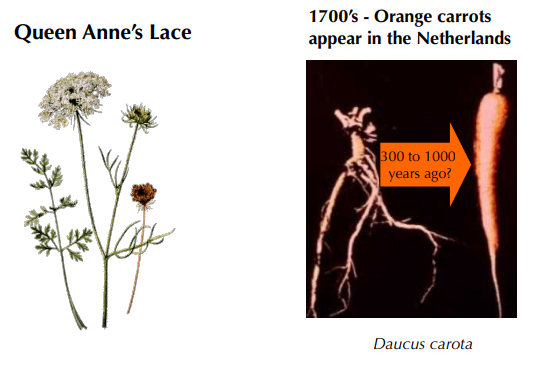
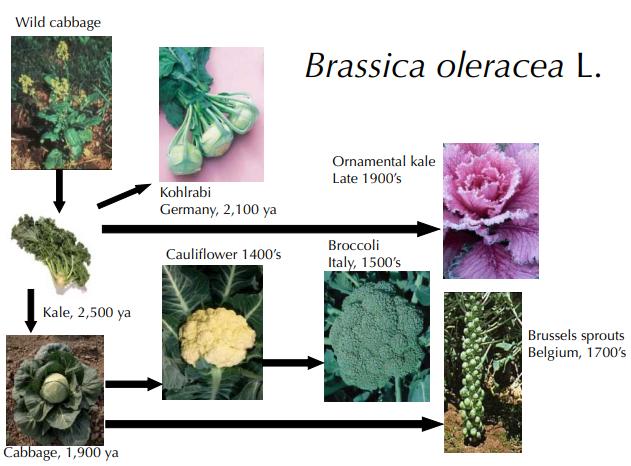
Domestication - growing a plant and selecting for favorable characteristics
Causes plant populations to change genetically over time, such that it is more useful or desirable for humans
Some Production Traits/Characteristics Important in Domestication
Faster growth
Increased biomass
Shift in carbohydrate content
Ability to withstand abiotic stress
Disease resistance
Wider growth range
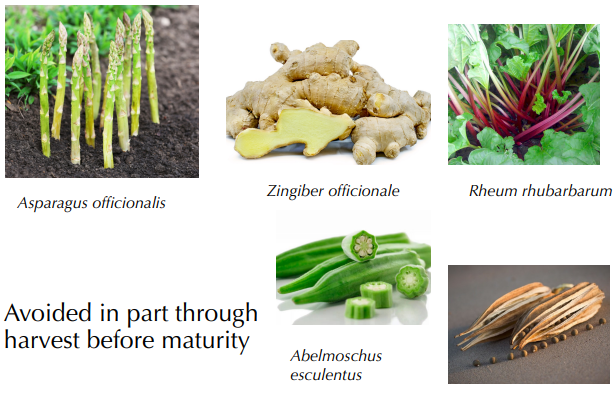
Changes in Sclerification/Fibrosity
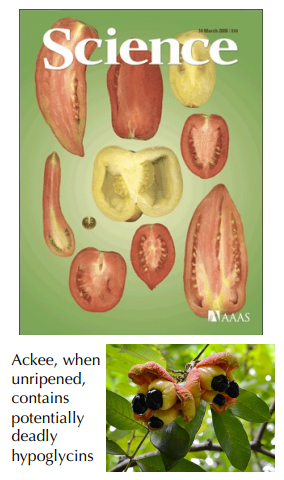
Decrease in toxic metabolites & anti-nutrients
Alkaloids are found in several plant families
Glucosinolates in Brassicaeceae (bitterness)
Lectins in legumes
Amylase inhibitors in kidney beans, wheat, and rye
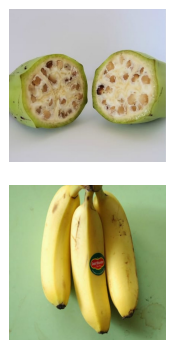
Enhanced and Variable Carbohydrate Content
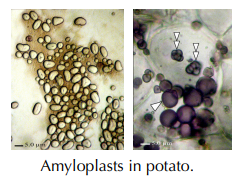
Change in carbohydrate profiles, where starches are either stored or converted to mono- and disaccharides (sweeter fruits).
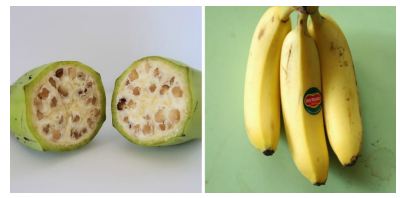
Members of the Musa genus have been cultivated in part to produce a higher percentage of simple carbohydrates.
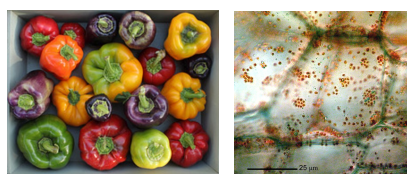
Developed or increased variability in pigment
Plastids contribute to most fruit color variation, as in bell pepper (Capsicum annum). Selection has occurred for more variation.
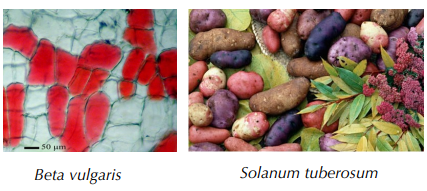
Anthocyanins and betacyanins are stored in vacuoles and have anti-oxidant properties. Natural variation occurs in potato—domestication has actually reduced some variability.
Increased biomass & water content
 Zea, a genus of grasses, has several edible members
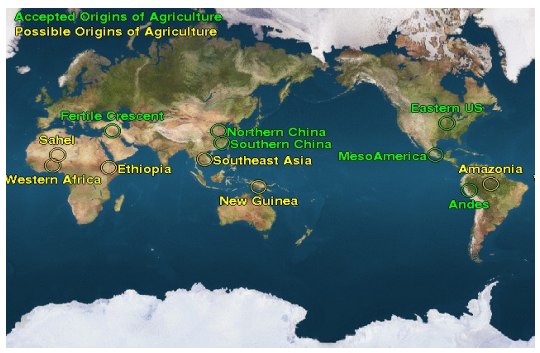
Where on Earth did our modern food plants evolve?
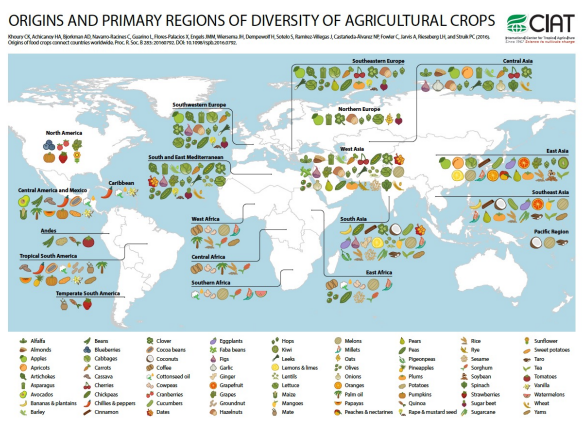 Tracing crop plants to their centers of origin usually involves looking for:
High varietal diversity
different traits based on variations in genetic composition & expression
Co-occurrence of wild ancestors with domesticated
Long history of crop use
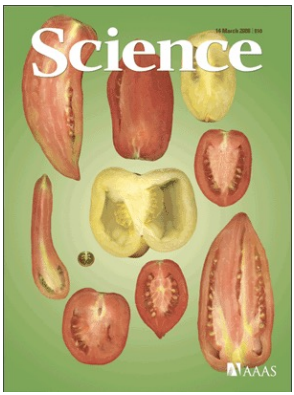
Tomatoes originated in northern regions of South America.
Germplasm: preserving diversity
Term used to describe the variety of genetic composition of a particular species
Seeds are usually how germplasm is collected and stored
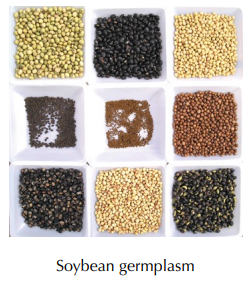
US germplasm collections are maintained by the USDA —National Germplasm System
Preserving Crop Plant Germplasm
Some large-scale commercial crops have relatively homogeneous germplasms to ensure that plant quality and yield is consistent
Homogeneity increases production but also can reduce the rate of survival when exposed to pests, diseases, and environmental stressors
Conserving the germplasm of known variations in a species allows for a more complete genetic inventory, which could be useful in plant breeding
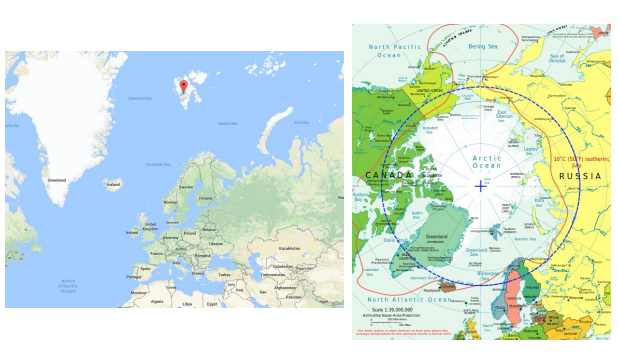
Svalbard Global Seed Vault
A seed bank with deposits made by countries

Countries must also have backup collections of their own
The vault provides a germplasm reserve should a regional or global crisis occur
Located on the island of Spitsbergen, Norway
Ideal location due to no tectonic activity, permafrost, and elevation above sea level
Opened February 2008
Capacity to store 4.5 million samples