23,8 chapters
Chapter 23
ENDOCRINE CONTROL OF GROWTH AND METABOLISM

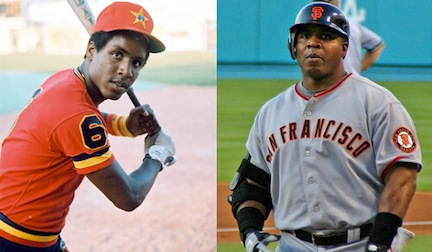
Baseball?
Mark McGwire broke a 37 year old home run record in 1998
◦Sammy Sosa also broke Maris’ record with 66 (McGwire got 70)
◦Roger Maris set the record 61 in 1961, beating Babe Ruth’s 1927 record of 60
3 years later, Barry Bonds broke the record again with 73 in 2001
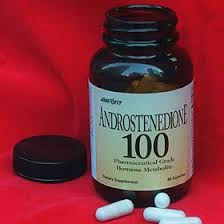
Performance-enhancing drugs and endocrine disorders show us what happens when normal hormonal signaling is altered


Loading…

Review of endocrine principles
1) Hypothalamic-pituitary control system – reflex systems with trophic hormones
2) Feedback patterns – can be positive, but mainly negative
◦Can be long-loop, short-loop, or ultra-short-loop
3) Hormone receptors – may be located on the cell membrane or inside the cell
4) Cellular responses – target cell responds by altering an existing protein or making a new one
5) Modulation of target cell response – magnitude of target cell’s response depends on the concentration of hormone and number of receptors
◦Cells can up- or down-regulate (or desensitize) the receptors
6) Endocrine pathologies – hypersecretion (too much hormone), hyposecretion (not enough), and abnormal target cell response

Adrenal glucocorticoids
The adrenal cortex secretes glucocorticoids, sex steroids, and aldosterone
Cortisol is the main glucocorticoid in humans
Hypothalamic-pituitary-adrenal axis (HPA pathway)
◦Hypothalamus releases corticotropin-releasing hormone (CRH)
◦CRH goes through the portal system to the anterior pituitary
◦Anterior pituitary releases adrenocorticotrophic hormone (ACTH)
◦ACTH moves through the blood and binds to receptors on the adrenals
◦The adrenal glands secrete cortisol
◦Negative feedback controls cortisol secretion


Loading…

Cortisol
Cortisol is very important, sometimes called a “stress hormone”
◦It’s actually an energy-mobilizing hormone
Cortisol does 6 really important things during the stress response
◦1) Promotes gluconeogenesis – liver produces glucose from non-carbohydrate substrates
◦Helps maintain/increase blood glucose
◦2) Promotes skeletal muscle protein catabolism
◦Provides amino acids that can be used for gluconeogenesis
◦3) Enhances lipolysis – mobilizes fatty acids for energy
◦4) Suppresses the immune system (if chronic)
◦5) Causes negative calcium balance
◦If there is too much cortisol, there is greater chance of a broken bone
◦6) Influences brain function. This can be negative if chronically high, or improve acuity if acute


Cortisol
Hypercortisolism has 3 common causes
◦Adrenal tumor that secretes too much
◦Pituitary tumor that secretes too much ACTH
◦Iatrogenic (physician-caused) hypercortisolism – when there is excess cortisol administered by a doctor to control some other issue (like an immune disorder)
◦Cushing syndrome – signs and symptoms caused by chronic excess cortisol/glucocorticoids
◦Exogenous glucocorticoid therapy — most common overall
◦ACTH-secreting pituitary tumor
◦Cortisol-secreting adrenal tumo
◦Ectopic ACTH secretion
Hypocortisolism is less common than hypercortisolism
◦Addison’s disease – primary adrenal insufficiency; autoimmune destruction is a common cause
◦Hypocortisolism can also be inherited

CRH and melanocortins
Corticotropin-releasing hormone (CRH) is also associated with inflammation and immunity
CRH can decrease appetite and is associated with the onset of labor
Adrenocorticotrophic hormone (ACTH) and the melanocortinsare also important
◦Melanocortins – peptide hormones (including ACTH)
High ACTH levels in primary adrenal insufficiency can cause hyperpigmentation because ACTH and melanocyte-stimulating hormones share a common precursor (POMC)
◦Famous president with Addison’s disease


Thyroid hormones
Thyroid hormones can also affect metabolism, like cortisol
◦Thyroid hormones help control protein, carbohydrate, and fat metabolism
Adults can live without a thyroid gland if thyroid hormone is replaced
◦Otherwise there are metabolic issues
◦Thyroid hormone is especially important for normal growth and nervous-system development in children
◦Newborns are screened for thyroid disorders
The thyroid follicle has a hollow center filled with colloid
◦Colloid contains thyroglobulin and enzymes
Thyroid hormones (T3 and T4) are made from tyrosine and iodine
Thyroid hormone secretion is controlled by thyroid-stimulating hormone (TSH; thyrotropin) from the hypothalamus and thyrotropin-releasing hormone (TRH) from anterior pituitary


Thyroid disorders
Hyperthyroidism – can cause increased oxygen consumption and excessive body heat, muscle weakness, weight loss, hyperexcitablereflexes and psychological disturbances, and rapid heartbeat
Graves disease – body makes antibodies (thyroid-stimulating immunoglobulins) that act like TSH
◦Exophthalmos – immune-mediated enlargement of the muscles in the eye sockets, creating a distinct appearance


Thyroid disorders
Hypothyroidism – can cause slower metabolism and oxygen consumption. It can decrease protein synthesis, slow reflexes and thinking, and cause weight gain
Goiter – enlargement of the thyroid gland
◦If the thyroid doesn’t have enough iodine to make thyroid hormone, the hypothalamus and pituitary increase the levels of trophic hormone to make more. This can make the thyroid grow



Loading…

Growth hormone
Normal growth requires growth hormone, thyroid hormones, insulin, and sex hormones at puberty
◦It also requires adequate nutrition and the absence of chronic stress
Growth hormone (GH) is secreted by the anterior pituitary
◦GH acts directly on many tissues and also stimulates production of insulin-like growth factor-1 (IGF-1), especially by the liver
GH is controlled by growth hormone-releasing hormone and somatostatin (growth hormone-inhibiting hormone)

Tissue and bone growth
Multiple hormones affect growth directly and permissively
Bone growth is usually measured by height
Soft tissue growth is usually measured by weight
Hypertrophy – increased cell size
Hyperplasia – increased cell number
Bone is composed of hydroxyapatite crystals attached to a collagenous support matrix
Bone is alive and dynamic
Osteoblasts are cells that make bone
Longitudinal bone growth occurs at the epiphyseal (growth) plates
◦Chondrocytes also produce cartilage in these regions that is subsequently replaced by bone during endochondral ossification

Growth hormone disorders
GH deficiency during childhood
◦Reduced linear growth/short stature
GH excess before epiphyseal plate closure → gigantism
◦Excessive linear growth
GH excess after epiphyseal plate closure → acromegaly
◦Bones cannot lengthen
◦Enlargement/thickening of hands, feet, jaw and other tissues




Calcium balance
99% of calcium in the body (~2.5 lb) is in the bones
The calcium outside the bones is important for other physiological functions
◦Ca2+ is an important signal molecule involved in exocytosis, muscle contraction, and enzymes and transporters
◦Ca2+ is important for the coagulation cascade (blood clotting)
◦Plasma Ca2+ concentrations affect neuron excitability
Ca2+ homeostasis balances dietary intake, urinary output, and the distribution of calcium in the bones, cells, and extracellular fluid

Hormones that control calcium balance
3 hormones control calcium balance
Parathyroid hormone (PTH, from the parathyroid glands) is stimulated when calcium levels decrease
◦We’ve already talked about this mechanism some (negative feedback)
◦PTH mobilizes calcium from bone
◦PTH enhances renal reabsorption of calcium
◦PTH indirectly increases intestinal absorption of calcium
The kidneys convert vitamin D to its active hormonal form (calcitriol)
◦Calcitriol helps the small intestines absorb more calcium
Calcitonin lowers plasma Ca²⁺ by inhibiting osteoclast activity
◦It is important for childhood growth but plays minor role in adults
◦People with Paget’s disease (overactive osteoclasts which weaken the bones) can take calcitonin to limit the disease’s effects

Osteoporosis
Osteoporosis occurs when bone resorption chronically exceeds bone formation, resulting in reduced bone mass and increased fracture risk
◦Declining estrogen after menopause increases bone resorption and accelerates bone loss
◦Hormone therapy can reduce bone loss but has important risks and is not appropriate for everyone
Peak bone mass is generally achieved by early adulthood; bone mass gradually declines with age and loss accelerates after menopause
◦Weight-bearing and resistance exercise is important
◦Diet must also have adequate calcium
Chapter 8
NEURONS: CELLULAR AND NETWORK PROPERTIES

The brain, the spinal cord, and the nervous system
Brain and spinal cord – integrating centers for homeostasis, movement, and other functions
◦The brain and spinal cord are control centers for the nervous system
◦They make up the central nervous system (CNS)
◦Nervous system has billions of linked cells organized to form a rapid control system
◦How is this different from the endocrine system?
Neuron – nerve cell
Processes – long, thin extensions of neurons that can be up to a meter long
Neurotransmitters – chemical signals released from neurons that travel a short distance
Electrical signals occur in other organisms
◦But complex neural networks only occur in animals, and allow emergent properties
◦Consciousness, intelligence, and emotion are just a few
Loading…

Organization of the nervous system
Sensory receptors throughout the body monitor conditions (internal and external)
◦They send information to the CNS (integrating center for neural reflexes)
◦These are afferent
CNS neurons integrate information and determine if a response is needed
◦If yes, the CNS sends output signals through efferent neurons to targets (muscles and glands)
Efferent neurons move away from the CNS, and are subdivided into 2 divisions
◦Autonomic division – controls smooth and cardiac muscles, exocrine glands, some endocrine glands, and some types of adipose tissue
◦Somatic motor division - controls the skeletal muscles

Autonomic nervous system
The autonomic nervous system is also called the visceral nervous system
It can be divided into 2 branches
◦Sympathetic branch
◦Parasympathetic branch
◦Many organs receive both sympathetic and parasympathetic innervation. Their effects are often opposing, but may also be complementary
Enteric nervous system – network of neurons in the walls of the digestive tract
◦Often controlled by autonomic division
◦Also able to function on its own with its own integrating center
◦We’ll talk about this more when we get to digestive physiology
Loading…

Cells of the nervous system
There are two major categories of cells in the nervous system: neurons and glial cells
Neurons – basic signaling units of the nervous system, and glial cells support the neurons
◦Neurons have a cell body with a nucleus and organelles to direct cellular activity.
◦Dendrites receive incoming signals
◦Axons transmit electrical signals from the cell body to the axon terminal
Glial cells – support the neurons
◦More on them later


Neurons
Cell body – control center
Dendrites – receive incoming signals and increase the surface area of the neuron
◦Simple neurons – only one dendrite, but dendrites in the brain have many (not simple)
◦Dendritic spines – increase the surface area more, can change size and shape in response to neighboring cells
Axons – carry outgoing signals, can vary in length from >1 m to a few micrometers
◦Axons conduct electrical signals (action potentials), while many axon terminals release chemical signals (neurotransmitters)
◦Axon hillock – special region of cell where the axon originates
◦Most peripheral neurons have a single axon
◦Axonal transport – the movement of proteins (synthesized in the cell body) down the axon
◦Slow axonal transport (0.2-2.5 mm/day), fast axonal transport (up to 400 mm/day), anterograde (forward) transport, and retrograde (backward) transport

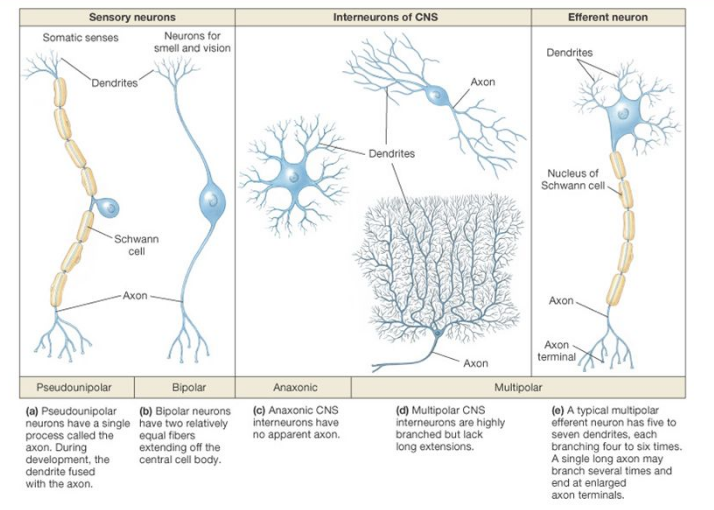
Neurons (3 types)
Sensory (afferent) neurons – carry information to the CNS
◦Information can be temperature, light, pressure, or many other things
◦Signals that begin in the dendrites travel through the cell body to the axon, but in many sensory neurons, action potentials travel along a peripheral process toward the CNS, bypassing the cell body
Interneurons (interconnecting neurons) – entirely within the CNS
◦Can be really complex and allow for communication with many other neurons
Efferent (somatic motor or autonomic) neurons – carry information away from CNS
◦Their axons may divide several times into branches called collaterals
◦Axon terminals – enlarged endings
◦Varicosities –enlarged regions on the axon of many autonomic neurons
◦Axon terminals and varicosities both store and release neurotransmitters
Nerves – cordlike fibers of nervous and connective tissue

Neurons
Check out Fig. 8.2

Synapses
Synapse – specialized junction where a neuron communicates with another neuron or an effector cell
Presynaptic cell – neuron that delivers the signal to the synapse
Postsynaptic cell – cell that receives the signal
Synaptic cleft – narrow space between the pre- and postsynaptic cells


Synapses
Most synapses in the body are chemical synapses
◦Presynaptic cell releases a chemical signal across the synaptic cleft to the postsynaptic cell
Some synapses are electrical and allow current to pass directly between cells through gap junctions
◦Pre- and postsynaptic cells connected by gap junction channels for electrical signals to move
How can developing neurons (like in an embryo) find each other and form such complicated networks?
◦Chemical signals (factors) control differentiation of stem cells to neurons and glial cells
◦There are also factors that help axons elongate toward their targets
Loading…

Neural development
Growth cones – special tips on the axons of embryonic neurons that extend and grow until they find their target cell by following chemical signals
When axon reaches its target cell, a synapse forms
◦There must be electrical or chemical activity or the synapse will disappear. Use it or lose it
Neurotrophic factors – biomolecules that are secreted by neurons and glial cells
◦Determine whether or not a neuronal pathway will persist
The growth of the brain after early development is not because of new nerve cells
◦Brain development involves changes in neuronal connections, dendritic branching, synapse formation and pruning, and myelination
◦Early experiences influence neural development, and severe deprivation during sensitive developmental periods can have lasting effects
Synapses are not fixed for life; things can be rearranged and new pathways can be formed
◦This is why older adults are encouraged to continue learning

Glial cells
Glial cells support the neurons
◦In the human brain overall, glial cells and neurons occur in roughly comparable numbers, although their proportions vary considerably among brain regions
Some produce myelin, which supports neurons and speeds up signal transmission
Used to think glial cells only provided structural support
◦Now we know they provide biochemical support and communicate with neurons
◦Unlike neurons, most glial cells do not generate propagating action potentials, but they actively communicate with neurons and other glial cells
2 types of glial cells in the peripheral nervous system
4 types of glial cells in the CNS

Glial cells of the peripheral nervous system (PNS)
2 kinds
Schwann cells – glial cells of the PNS; some form myelin, while others support unmyelinated axons
◦A single axon of a neuron might have 500 Schwann cells on it
◦They wrap around a 1-1.5 mm segment of the axon
◦They leave tiny gaps (nodes of Ranvier) between the myelin-insulated parts
Satellite cells – nonmyelinating glial cells in the PNS
◦They form supportive capsules around nerve bodies located in ganglia
◦Ganglion – collection of nerve cell bodies outside the CNS

Glial cells of the central nervous system (CNS)
4 kinds
Oligodendrocytes – myelin-producing cells of the CNS, similar to Schwann cells
◦1 oligodendrocyte can wrap myelin around multiple axons
Astrocytes – nonmyelinating, highly branched glial cells in the CNS
◦Make up about half the cells in the brain
Microglia – resident immune cells of the CNS that monitor their environment, remove cellular debris, and respond to injury and infection
Ependymal cells – nonmyelinating cells of the CNS
◦Line the ventricles of the brain and central canal of the spinal cord, helping regulate interactions between cerebrospinal fluid and surrounding tissues

Action potentials
You should know this from lab
Nerves are excitable and action potentials are sometimes called “all-or-none” phenomena
Action potentials can propagate a long way
◦They behave kind of like dominoes falling, with one action potential triggering the next
Axons with larger diameters generally conduct action potentials faster because internal resistance to current flow is lower
◦The more leak-resistance, the faster potential for the same reason
Myelination increases membrane resistance and decreases capacitance, allowing electrical signals to travel more rapidly along axons
◦Multiple sclerosis is a demyelinating disease
◦People with MS might have fatigue, muscle weakness, difficulty walking, or vision loss

Action potentials
Changes in the ion concentration of the extracellular fluid can cause conduction problems
The normal range for potassium (K) is 3.5-5.0 mmol/L
◦Hyperkalemia – elevated extracellular K⁺ depolarizes the resting membrane potential. Mild elevations may increase excitability, but severe hyperkalemia can inactivate voltage-gated Na⁺ channels, impair conduction, and cause life-threatening cardiac arrhythmias
◦Hypokalemia – not enough K. Resting membrane is potential is hyperpolarized, so it is harder to trigger an action potential. Muscle weakness is a common symptom. This can be caused by excessive sweating without replacing electrolytes
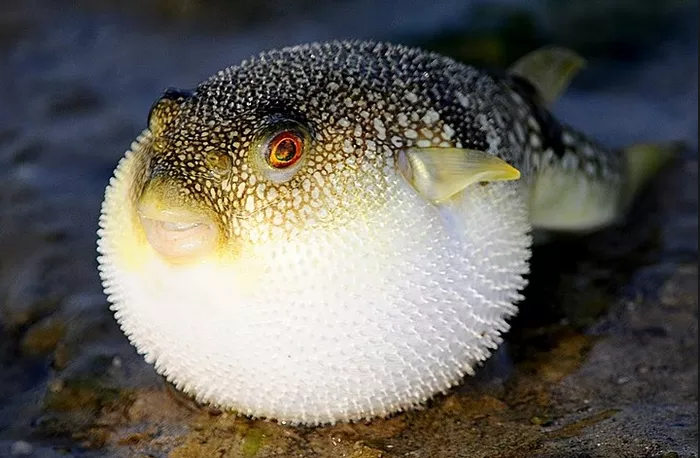
There are also neurotoxins that can block Na+ channels
◦Tetrodotoxin (TTX) blocks voltage-gated Na⁺ channels, preventing the rapid depolarization required for action-potential initiation and propagation



Cell-to-cell communication
Electrical synapses – current goes directly from cytoplasm of one cell to another
◦What type of junction is required for this?
Chemical synapses to neurotransmitters
◦Cholinergic neurons – secrete acetylcholine
◦Adrenergic neurons – secrete norepinephrine
◦Other important neurotransmitters – glutamate, GABA, serotonin, adenosine, and nitric oxide
Neuropeptides are generally synthesized in the cell body, whereas many small-molecule neurotransmitters are synthesized in or near axon terminals
Neurotransmitter signaling ends through reuptake into neurons or glial cells, enzymatic degradation, or diffusion away from the synapse