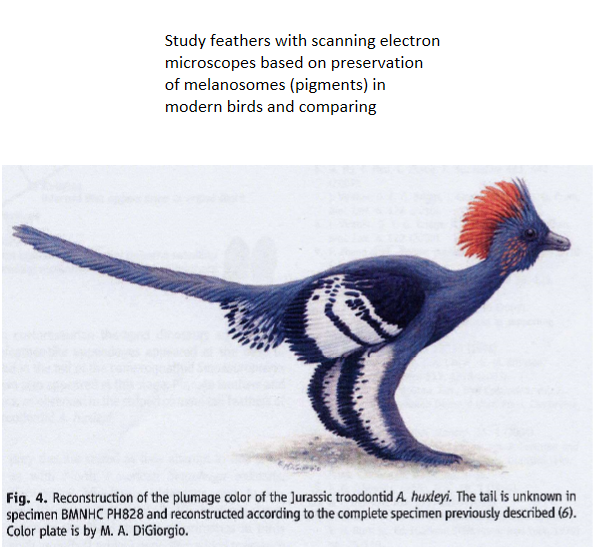
L3- Exceptional Preservation
Fossil-Lagerstatten:
A sedimentary layer with unusual occurrences of well-preserved remains
Konzentrat-Lagerstatten
fossils occur in unusual concentrations
e.g. bone beds, mass kills
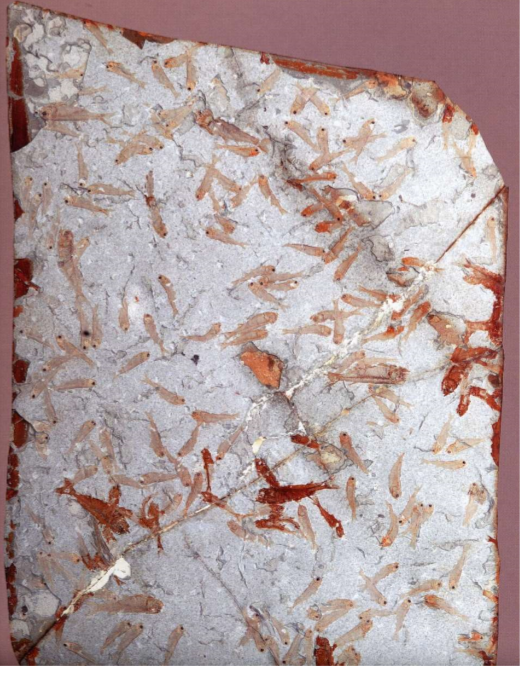
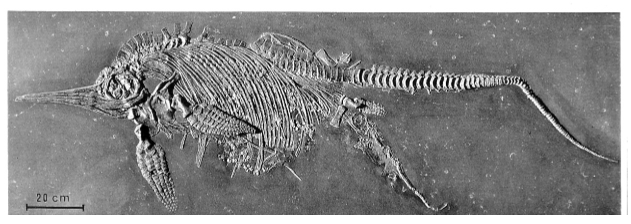
Exceptional Preservation (Konservat)
fossils occur of unusual quality
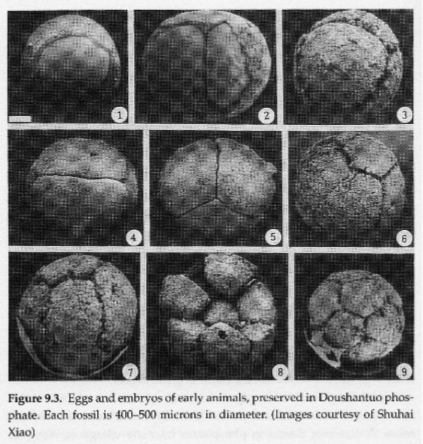
of an organism that is not usually preserved e.g. soft-bodied organisms, embryos preserved in phosphate:
parts of organism that are not usually preserved e.g. tissue, skin
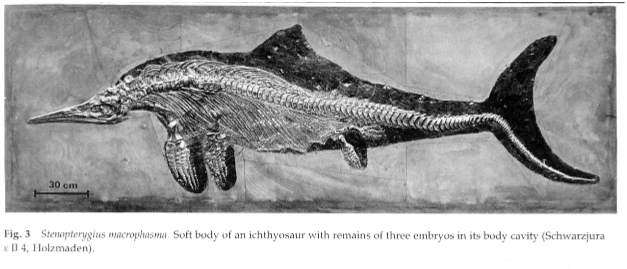
of an organism that is preserved in an unusual configuration e.g. whole organism
What permits Exceptional Preservation?
Exclusion of scavengers and bioturbators
anoxia, rapid burial, elevated salinity
Unusual chemical environment
nodules (water excludes in rock, high pressure, dissolves minerals- made of silica, flint, caco3…), microbial mats (over a body and hold together-death masks, promote early mineralisation)
Conservation Traps:
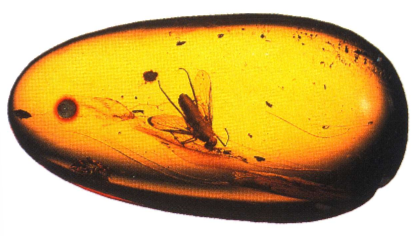
Amber deposits
amber (tree resin) drips down and is very sticky
traps insects, hair , feathers
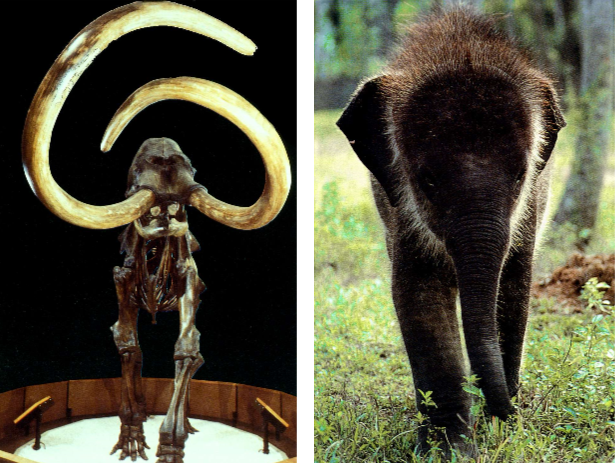
Ice
Ice age, permafrost deposits that are melting, have become frozen in slurries of mud and are now unfreezing, can preserve DNA too
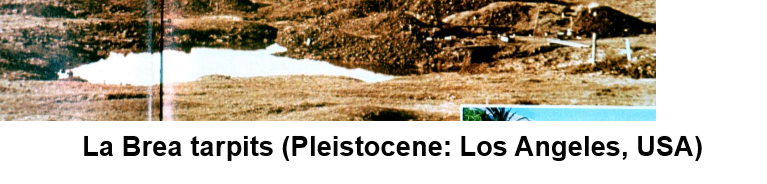
Tar Pits
oil sucked up to the surface, rain rests on top and is an illusion
usually birds, animals trying to eat those stuck get stuck too
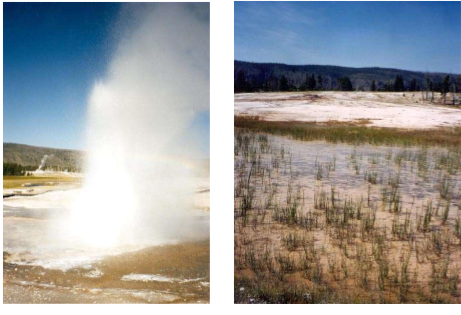
Hot Silicious Springs
silica deposited by volcanic activity, usually plants, can go from very hot to very cold so traps different aspects of the ecosystem
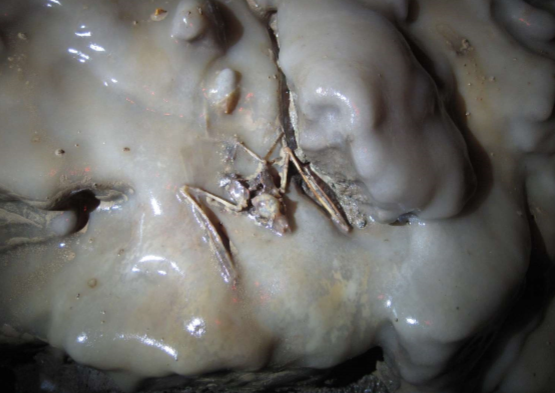
Tufa
calcium carbonate released from limestones, forms stalactites and stalagmites
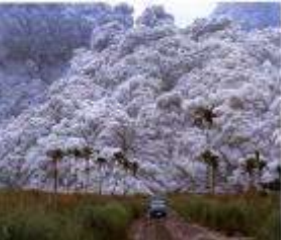
Ash Falls
ash collapsing down the side of an erupting volcano in pyroclastic flows→ a mixture of gas and ash erupt from the volcano at high speeds and forms rocks that perfectly preserve immediately
The Process of Exceptional Preservation-
Tissues within an organism have a spectrum of resistance to decay:
Recalcitrant→ highly resistant e.g. teeth and bones
Labile→ highly non-resistant e.g. soft tissue
Biomineralised endoskeletons and exoskeletons are the best e.g. made of silica, caco3, phosphate
Robust structural tissue→ cuticle, woody tissue
Decay prone muscle e.g. eyes
are only preserved when they are replicated rapidly by authigenic minerals (minerals that grow in their place)
precipitate around the tissue→ replicate it by a mould/cast
precipitate on/inside the tissue→ infilling and preserving the cells
microbes can do this
microbrial mats can form a death mask→ stabilises the chemical environment to allow exceptional preservation
Concretions accumulate around an organism and allow exceptional preservation:
Phosphate:
Apatite→ phosphate mineral forms very small crystallites, animals rot and bacteria release the phosphate inside them
Clay minerals→ also form crystallites but unsure of how this works, usually in glacial environments
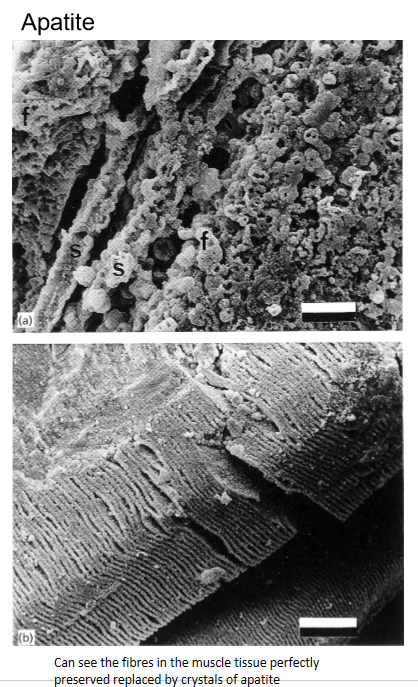
Embryos releasing phosphate→ cambrian era was very rich in phosphate
Phosphate has a size limit→ can only preserve up to 1mm in size
Iron Pyrite→ nodules
Other Metal Sulfides
Silica→ hot springs, nodules, wood (lignin)
Calcite→ CaCO3 in coal balls and nodules
Fossil-Lagerstatten can be misleading:
are bound to be everywhere but just haven’t preserved there
Mainly occur in certain time periods e.g. Cambrian Burgess Shell
Certain unusual environments are over-represented
Example of Exceptional Preservation-
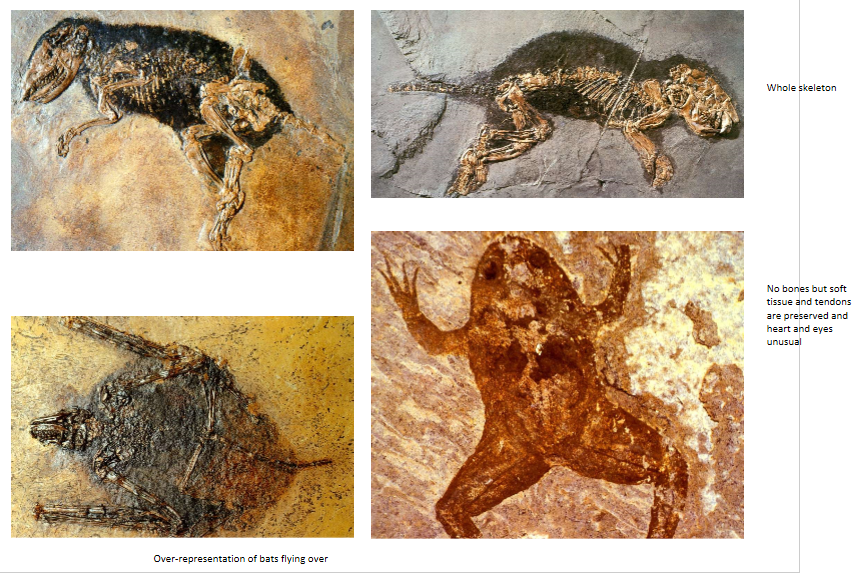
Messel, Germany→ Cenozoic:
Volcano erupted, a deep lake built up, the bottom layers are anoxic
Every so often, the area bursts out CO and traps any organisms around it/flying
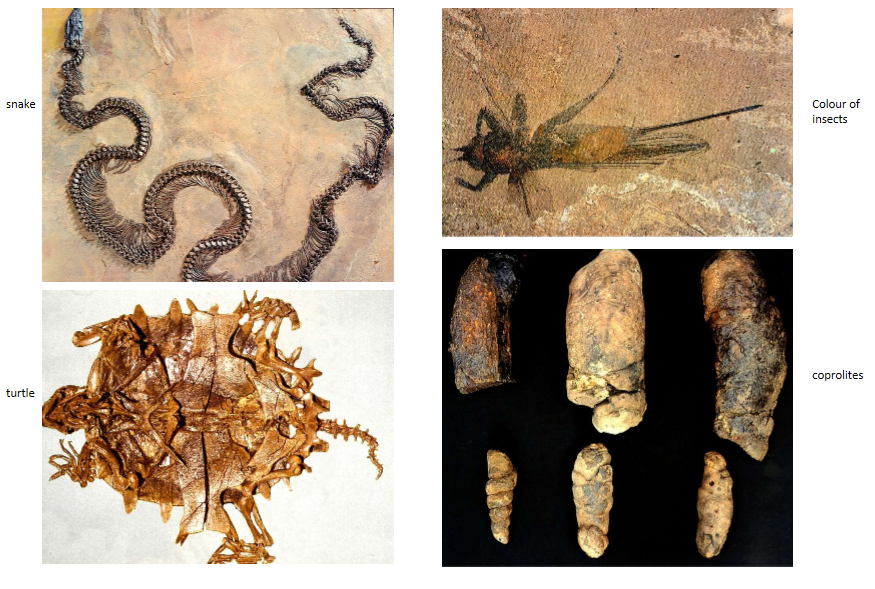
There are both bones and soft bits preserved in the same deposit
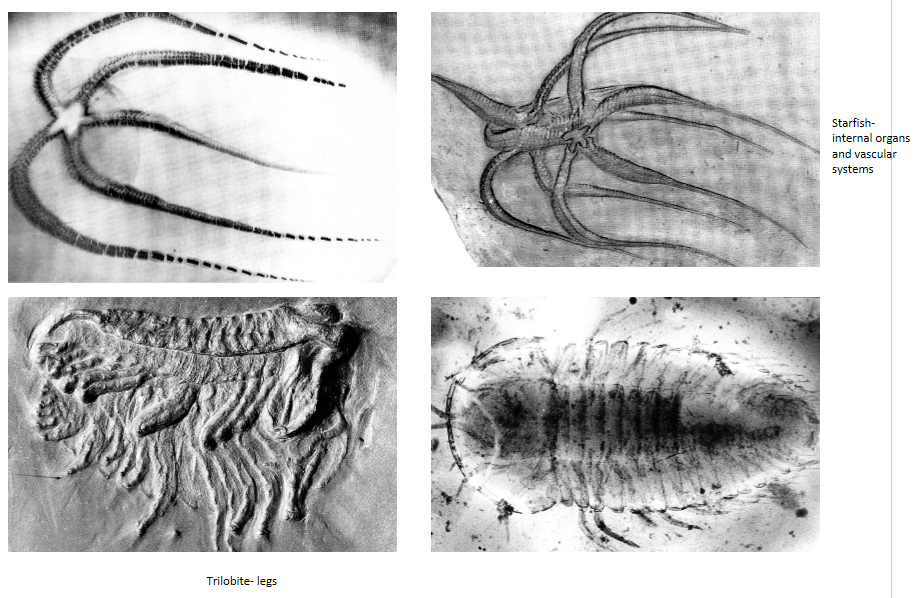
Hunsruck Slate, Germany→ Devonian:
Is older than Messel
Is a shallow sea, the bottom layer is anoxic black mud
Can X-ray the fossils to see the internal structures
Case Study→ Exceptional Preservation in Dinosaurs-
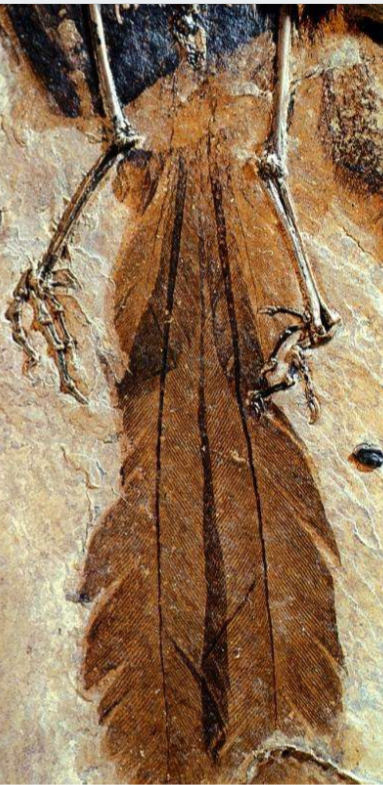
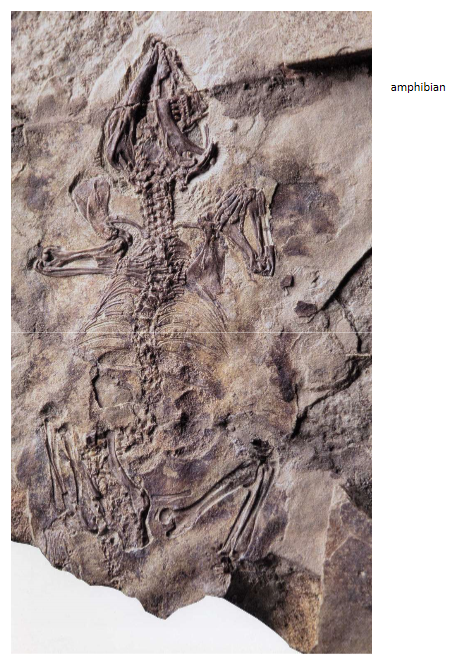
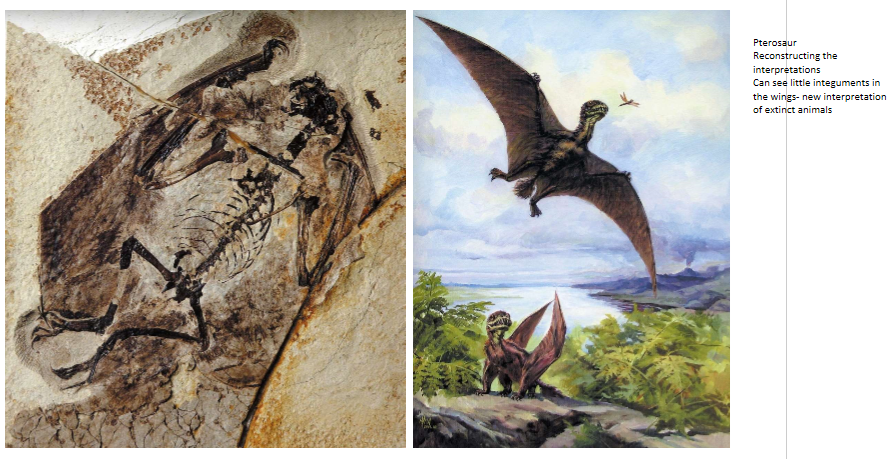
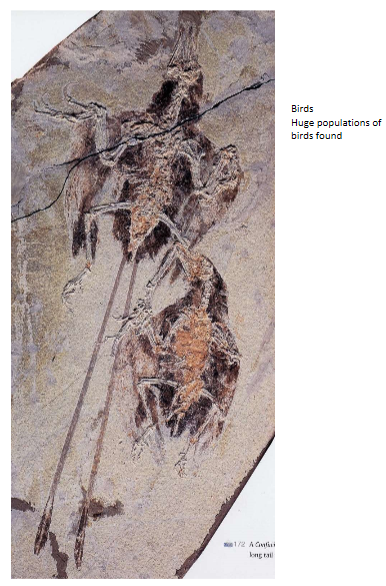
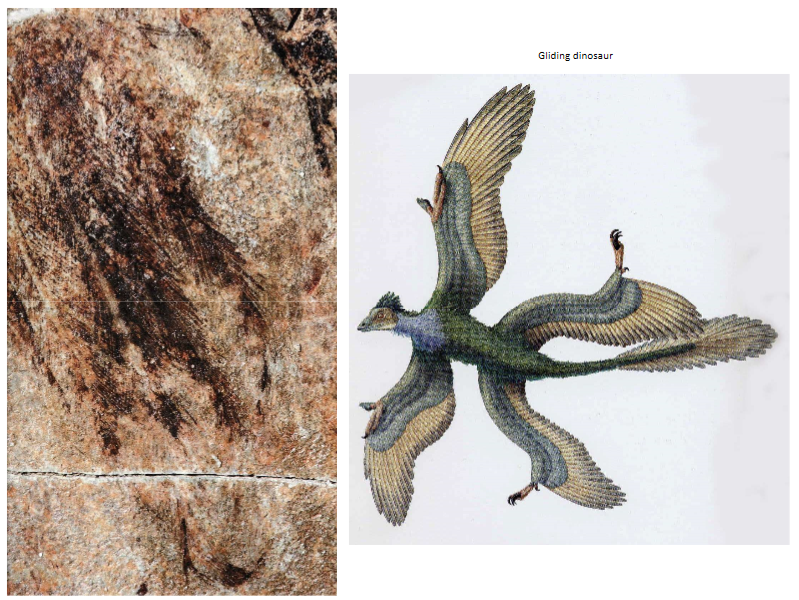
Did not get much until the Jehol Biota, China→ Cretaceous:
dammed up lakes, has volcanic ash, ash reacts with water to create unusual chemical environments
there were lots of tuff beds at this time, are mined today
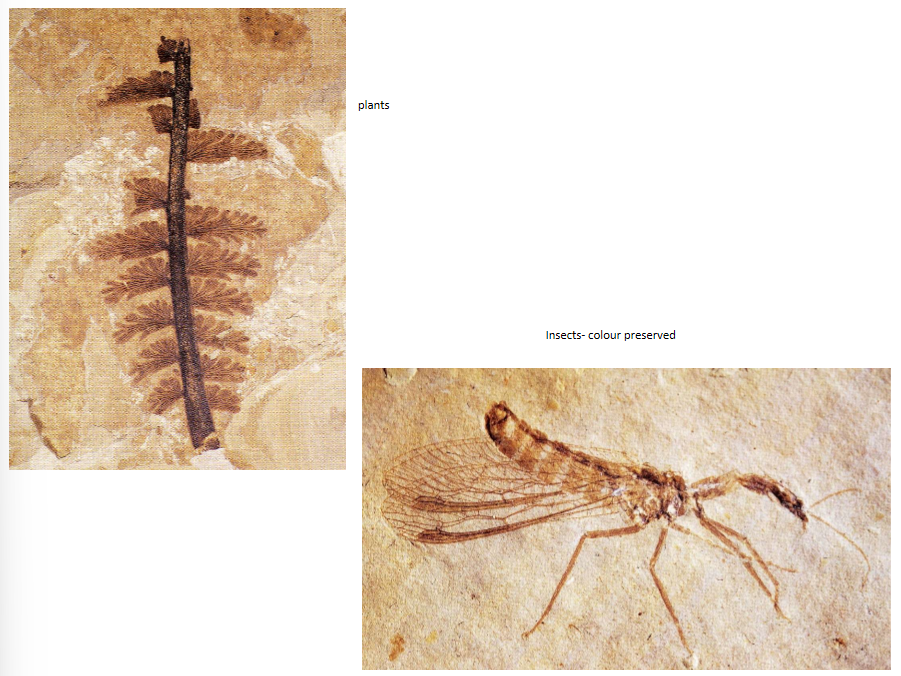
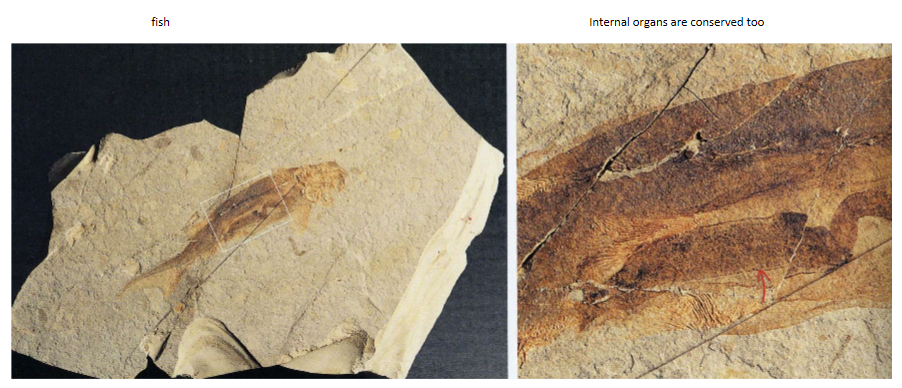
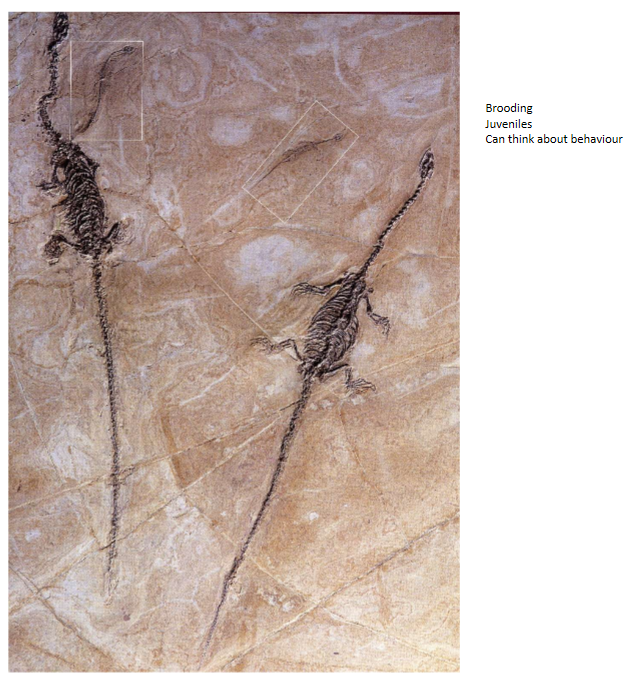
get exceptional preservation and unusual structures: