Case 1
Case 1
Janani Kunari is a 24-year female who is admitted to hospital after being brought to A&E. Janani has a mild learning disability and lives alone in a supported living complex. She has carers that visit twice daily and one of the carers has brought her to A&E.
She is complaining of pain on urination, frequent urination and this morning has an episode of incontinence. She also says her urine smells. She has no back or abdominal pain and no temperature. She has no other symptoms and no previous history of a UTI. She is diagnosed with an uncomplicated lower UTI.
You find out from her carer that Janani stopped drinking water last week as she said it tasted ‘funny’. The carer also confirms that the water in the building was treated last week.
Janani is not on regular medications, but her carer mentions that when Janani has needed medication before, she often refuses it. The carer says that she crushes up the medications and mixes it with a yogurt that Janani likes.
What are your initial concerns about this situation?
dehydrated
medicine compliance is poor
why is she not taking the medication? what are the medicines she is taking? are they important?
if for instance its an epilepsy medication, need to do a ‘best in interest meeting’
crushes her tablets - med might be a MR or ER
What clinical issue(s) need addressing?
needs to be hydrated - dehydrations worsens her UTI symptoms
if they have UTI, urination feels like burning so might not want to drink more water
have to tell them drinking water is crucial despite the burning sensation as it would help resolve UTI quickly
A&E might give her a delayed prescription so that she can start medicine later on
check medicine compliance + drug types - since refuses to take some, and some meds should NOT be crushed
What safeguarding issue(s) need addressing?
ability to make informed decisions
access to safe drinking water
pain - if around her kidneys and the back or a fever - def needs treatment
a sample (or a culture) usually done if its more severe or recurrent
What would your next steps be? Prioritize your responses where possible.
Do WWHAM and give appropriate medicine for her condition
hydration and medication review are immediate priorities as they directly impact her acute conditions, then follow up with safeguarding and support issues + monitoring and education to ensure effective management of her health
capacity assessment
able to understand? has the capacity to consent to certain circumstances? can they retain (remember) the information? can they weigh up the information (the pros and cons)? can they communicate that back to you?
Who else should be involved with Janani’s care?
social worker
caregivers
nursing staff
dietitian
primary care physician
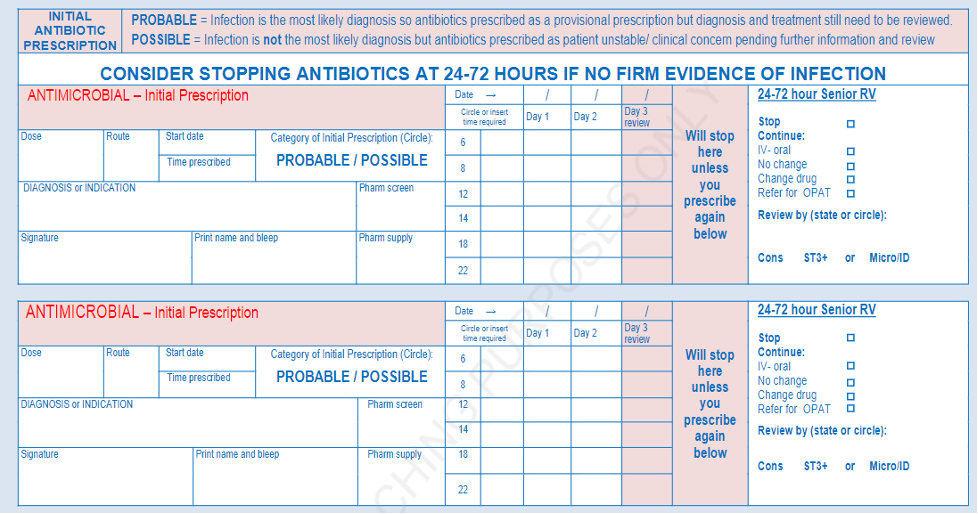
Blank prescription and justification table should you need to complete a prescription (antibiotic section of hospital chart in this case)
Nitrofurantoin - Lower urinary-tract infections
By mouth using immediate-release medicines
50 mg 4 times a day for 3 days (7 days in males and pregnant women).
covert administration - administering medication without their knowledge or consent
since she has only mild learning difficulty, might not need to do covert administration
The Consultation – to aid decision making |
Assess the patient Uncomplicated lower urinary tract infection |
Identify evidence-based treatment options available for clinical decision making Could be self limiting (wait for 48 hours and if not resolved give med)
|
Present options and reach a shared decision Nitrofurantoin IR preferred, just in case patient crushes the tablets |
Prescribe Nitrofurantoin IR 50mg 4 times a day for 3 days |
Provide information Discontinue medicine if unexplained haematological or neurological symptoms |
Monitor and review since not using long term, considered okay, but if long term use, monitor liver function for pulmonary symptoms |