Week 7: Family & Community Violence
Introduction
Impact of Family and Domestic Violence
Affects an estimated 10 million people annually in the U.S.
Recognized as a national health concern and a priority for intervention.
Types of Abuse Included
Economic, physical, sexual, emotional, and psychological abuse.
Affects all age groups: children, adults, and elders.
Most abuse is perpetrated by someone known to the victim.
Long-term Effects of Abuse
Results in long-term emotional trauma.
Associated disorders include PTSD, dissociative disorders, substance use disorders, and depression.
Clinical Picture of Abuse and Violence
Physical and Psychological Injuries
Physical injuries may require medical attention.
Psychological injuries encompass a wide spectrum of responses.
Common Emotional Responses
Victims may show agitation and visible distress, or withdrawal and numbness.
Disclosure of Abuse
Often goes undisclosed due to fear.
Victims may suppress anger and resentment.
Impact on Children
Children may internalize blame, miss school, or develop ongoing problems.
Long-term Effects on Adults
Associated feelings of guilt, shame, low self-esteem, and possible depression or suicidal behavior.
Psychological Impact of Abuse
Trust Issues
Difficulty in trusting others, particularly authority figures.
Make these clients feel safe and in control!
Emotional Responses
Survivors may exhibit erratic or intense emotional responses.
Intimate Relationships
Personal closeness may trigger extreme emotional reactions, such as panic or anxiety.
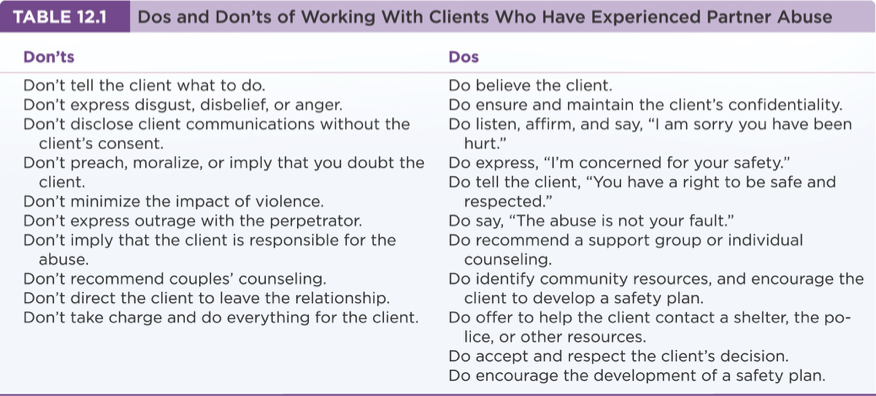
Nurse's Approach: Ensuring clients feel safe, secure, and in control is critical.
Nurse's Role in Supporting Abused Clients
Building Respect and Acceptance
Use clients’ preferred names and pronouns.
Empowerment and Identity
Acknowledge how clients identify themselves (as victim or survivor).
Empowerment is rooted in the strength of the healing process.
Respecting Healing Journeys
Avoid labeling or judging clients at any stage of their recovery process.
Meeting them in their healing journey, therefore, respect them at all times.
Characteristics of Violent Families
Forms of Family Violence
Involves spousal/partner abuse, neglect, and abuse of children or elders.
It can include marital rape.
Common Characteristics
Social isolation, abuse of power and control, substance abuse, and intergenerational violence.
Social Isolation
Characteristics of Violent Families
Tend to be socially isolated, withholding invitations to outsiders.
Fear of revealing abuse is common, often enforced by threats.
Abuse of Power and Control
Manipulative Dynamics
Abusers typically exert control over physical, economic, and social aspects of life.
Tend to belittle victims while employing threats to maintain dominance.
Violent escalates with perceived independence or disobedience.
Homicide Risk
Female homicide victims are often killed by current or former partners, especially during relationship termination.
Alcohol and Other Drug Use
Relationship with Family Violence
Alcohol use disorder is frequently linked to domestic violence.
Increased risk and intensity of violence associated with substance use.
Date Rape Drugs
Use of substances like Rohypnol is on the rise in acquaintance/date rape incidents.
Intergenerational Transmission Process
Pattern Perpetuation
Violence and abuse patterns can be learned behaviors passed from one generation to the next.
Children who witness violence may learn it as a conflict resolution method.
Most abusive adults come from violent homes.
Not all exposed children become violent; exposure is not a sole explanatory factor.
Cultural Considerations
Impacts of Culture on Abuse
Domestic violence impacts individuals across all demographics, but is particularly prevalent among immigrant women facing unique challenges.
Cultural beliefs and fears of deportation can hinder access to services and support.
Immigrant females are most likely to experience this.
Intimate Partner Violence (IPV)
Definition
IPV refers to mistreatment or abuse occurring in emotionally intimate relationships.
Types of Abuse
Emotional/Psychological: Includes belittling and threats.
Physical: Ranges from shoving to severe injuries.
Sexual: Includes rape and sexual assault.
Includes unwanted touching.
Statistics
1 in 5 female adults and 1 in 7 male adults report severe physical violence.
1 in 5 female adults and 1 in 12 male adults report sexual violence.
Pregnancy Considerations
Violence often increases during pregnancy, leading to adverse outcomes.
This is due to increased attention during pregnancy.
Same-Sex Relationships
IPV is reported at similar rates as heterosexual relationships but faces unique risks.
Assessments and Interventions
Nurse's Role
Identifying signs of abuse when clients present with injuries, often in emergency settings.
They do not often seek help for abuse but for physical injury.
Maintaining privacy, offering support, and making appropriate referrals.
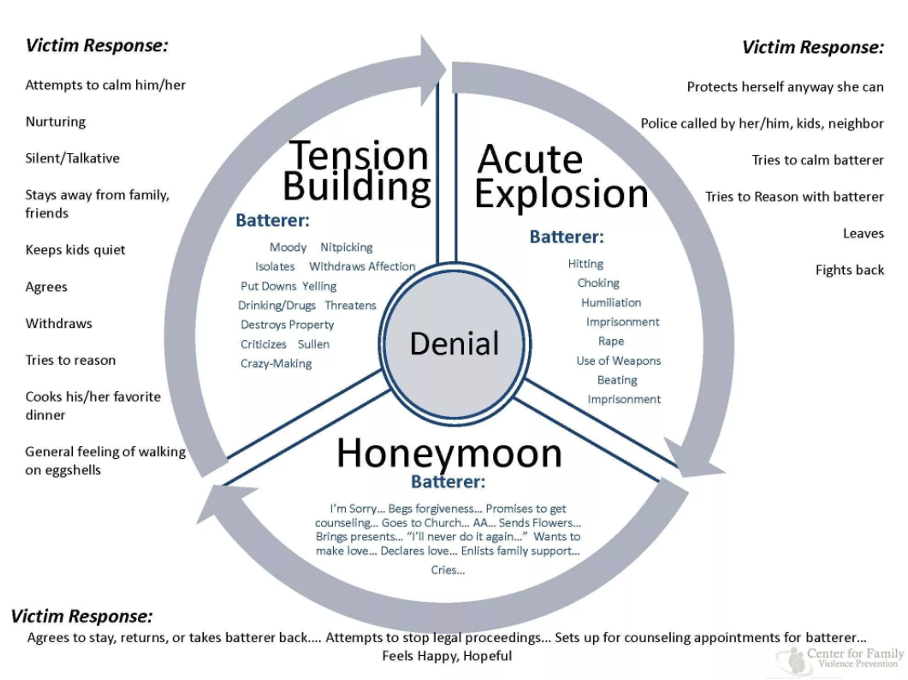
Cycle of Abuse and Violence
Phases of the Abuse Cycle
The initial violence phase is followed by remorse and a honeymoon phase.
Followed with regret, apologies, and romantic behavior.
The tension-building phase includes conflicts that lead up to violence.
Belittling and name-calling the victim during an argument.
Over time, violent incidents may become more frequent and severe.
Treatment and Intervention
Legal Measures
Police involvement can warrant restraining orders.
Addressing the limitations of legal actions in preventing repeat violence.
Arrest may not reduce repeat violence; thus, restraining orders are provided for those with limited protection.
Survivor Support
Shelters and therapy options for those affected.
Include psychotherapy, group therapy, and support groups.
Child Abuse
Definition and Scope
Encompasses physical abuse, neglect, and sexual assault, among other harms to children.
1 in 4 children face abuse or neglect in their upbringing.
Perpetrators Often Include
Male parents, stepparents, and other male relatives.
Parents:
Minimal parenting knowledge/skills
May be financially or emotionally unequipped to understand a child.
Recognizing Cues:
Physical signs: burns, bruises with an identifiable shape, UTI (sexual abuse), and behavior outside of what is normally expected for age.
Bruises may look like belt buckles or teeth marks.
May be reported as the “child fell” or “rolled off the couch”.
Nurses do not decide for certain if abuse occured but reporting is mandatory and can remain anonymous.
Interventions/Taking Actions:
Psychiatric evaluation is required.
Long-term treatment may involve professionals from several disciplines (social work, psychology, etc.).
Parents may also need therapy or substance use treatment.
Family therapy may be done if reuniting with family is feasible. Or else foster care would be the next option.
Elder Abuse
Definition and Scope
Maltreatment of older adults includes physical, financial, and psychological abuse.
Statistically impacts 1 in 10 individuals over the age of 60.
Risk Factors:
Multiple chronic health problems.
Dependence on others for daily needs.
Recognizing Cues:
Physical: bruises, fractures, lack of eyeglasses or hearing aids. Denial of food, fluids, medications, or restraint.
Note for bruising in various healing stages.
In addition to fractures in different areas or healing stages.
Financial: unable to afford basic needs due to the abuser.
Medical neglect: withholding medical care for acute/chronic illness.
Self-neglect: failure to care for oneself.
Treatment/Intervention:
Providing additional resources for those with caregiver stress.
Removal of the older adult or caregiver is necessary for intentional neglect/abuse.
The legal system is set for defining, reporting, investigating, and providing services for abuse.
Rape and Sexual Assault
Definitions
Rape: Nonconsensual intercourse achieved through coercion.
Rape as power and control, infliction of pain/punishment.
Sexual assault: A crime marked by humiliation and power exertion over the victim.
Crime of violence and humiliation,
Includes sodomy and forced acts of oral sex.
Statistical Context
Alcohol involvement is noted in many rape cases.
Inability to consent: consider mental deficiency or age below consent.
Rape Trauma Syndrome: a psychological condition experienced by survivors of sexual assault, which can manifest through symptoms such as depression, anxiety, and post-traumatic stress disorder (PTSD).
Physical examination is done before showering or brushing teeth, etc.
Rape kits and protocols are placed in emergency settings.
Sexual Assault Nurse Examiners (SANE RN)
Prophylactic treatments may be given for STI/D prevention, HIV testing, and pregnancy prevention medication.
Community Violence
School Crime Statistics
Less than 3% of lethal incidents occur at schools.
Title IX.
Active shooter training for students and increased school security.
Bullying and Hazing
Factors contributing to mental health issues in adolescents, including self-harm and isolation.
Correlated with adolescent suicide, substance use, self-harm, and depression.
Social media impact is as damaging as real-world ostracism.
Hazing: alcohol consumption, humiliation, isolation, sleep deprivation, and sexual acts.
Stress-related symptoms: Increase with the amount of violence witnessed
Long-term effects: Aggression, depression, relationship issues, achievement problems, and substance abuse
Summary
National Health Concern
The U.S. Department of Health and Human Services recognizes violence and abuse as critical public health issues.
Effective treatment and early intervention are essential for improving long-term outcomes for survivors of violence.