The American Voter
The Right to Vote
Perhaps the most important component of American government is the voter. Without the voter, the government would cease to function as it was established by the Founding Fathers. After all, the very first words of the Constitution are "We the People."
The faces, backgrounds, and affiliations of American voters have changed throughout history. Those who were once barred from the voting process have been extended the right to vote. Many of these voters can now vote because of amendments to the Constitution as well as Supreme Court decisions.
There are four amendments that deal explicitly with voting: the Fifteenth, Nineteenth, Twenty-Fourth, and Twenty-Sixth Amendments.
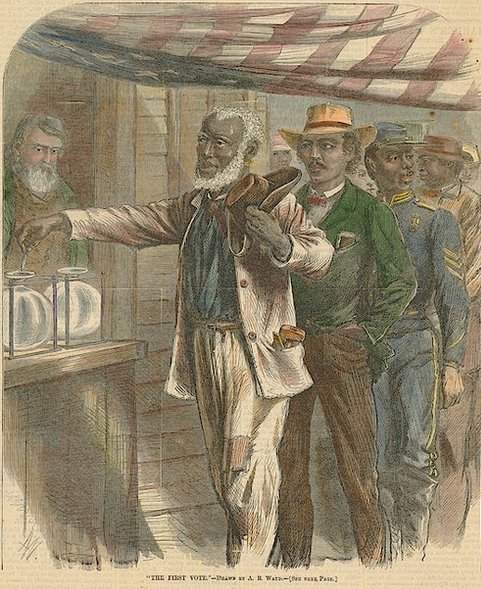
15th - The first amendment that pertains to voting is the Fifteenth Amendment, which was added to the Constitution in 1870. This amendment states that citizens cannot be denied the right to vote based on race, color, or previous servitude. This amendment was, in essence, an extension of the Thirteenth Amendment, which freed the slaves.
Image: An 1867 drawing depicting African Americans casting votes for the first time
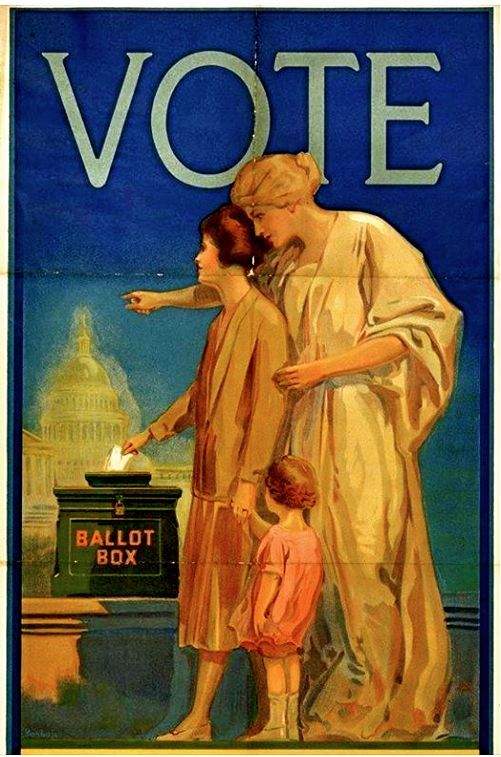
19th - The Nineteenth Amendment, passed in 1920, gave women the right to vote.
Image: A 1920 poster created by the League of Women Voters
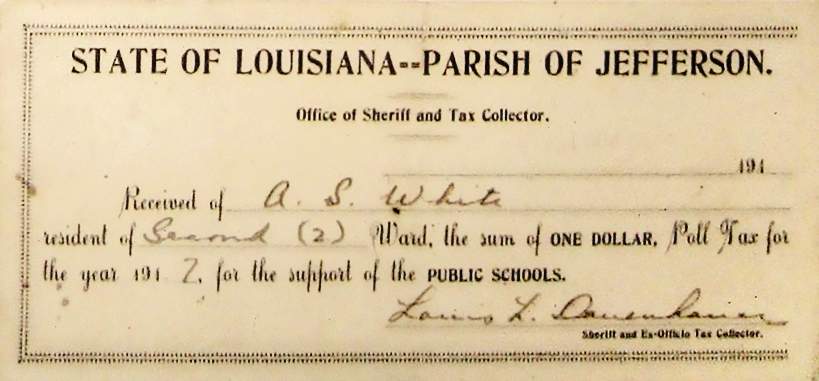
24th - The Twenty-Fourth Amendment (1964) abolished poll taxes. Poll taxes kept people who were poor from being able to vote. Five states tried to retain poll taxes: Alabama, Arkansas, Mississippi, Texas, and Virginia. Eventually, the Supreme Court ruled that these states could not include poll taxes to prevent citizens from voting in state elections.
Image: A poll tax receipt from 1917 Louisiana
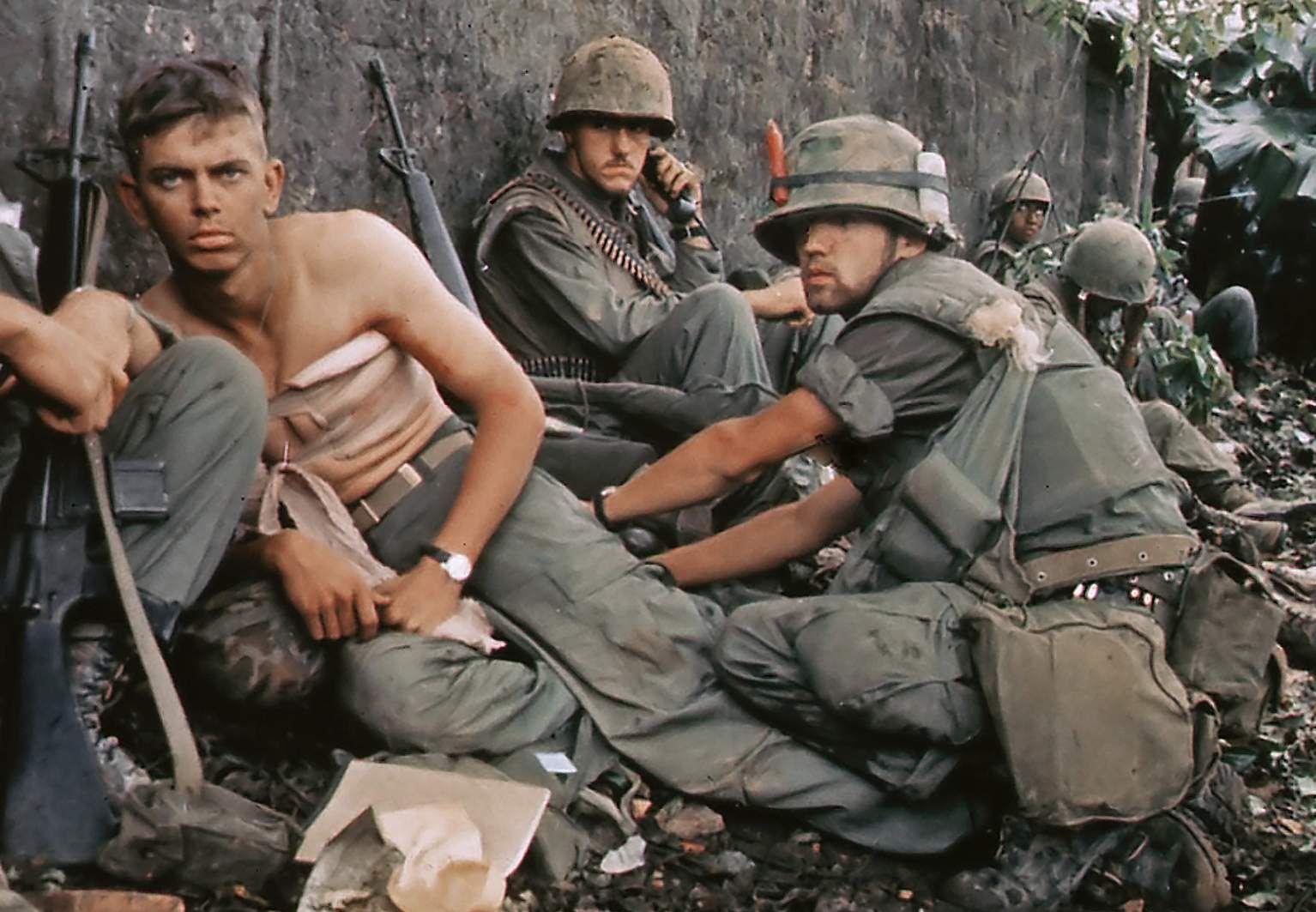
26th - The last amendment that pertains to voting rights is the Twenty-Sixth Amendment, which was added to the Constitution in 1971. This amendment gave citizens eighteen years and older the right to vote. The amendment came about largely as a response to the Vietnam War. Eighteen-year-olds were being drafted and sent to fight and die in Vietnam. If eighteen-year-olds were old enough to die for their country, people wondered, shouldn't they be old enough to vote?
Image: A wounded Marine in Vietnam getting treatment
The decade of the 1960s saw the most change in voting rights. The Supreme Court case Baker v. Carr in 1962 set forth the "one person, one vote" principle that we discussed in the previous lesson. This case involved an issue with reapportionment in Tennessee—the state had not reapportioned its state legislative districts since 1901. As a result, many of the districts were completely out of proportion:
37% of the voters of Tennessee elected over 60% of the Tennessee Senate
40% of the voters of Tennessee elected 64% of the members of the Tennessee House of Representatives
The Supreme Court had to consider if this was an issue that was applicable under the Fourteenth Amendment. The Fourteenth Amendment states that representatives should be apportioned according to the count of all of the citizens of the state, not just some of the citizens. The Court eventually ruled that districts had to have roughly equal populations; otherwise, one person's vote would be worth more than another's.
Several pieces of legislation also extended and protected people's right to vote. The Civil Rights Act of 1964 outlawed employment discrimination based on race, religion, sex, or national origin. It also required desegregation in public schools and public places. The Voting Rights Act of 1965 outlawed literacy tests. In areas that had seen widespread discrimination in voting, this act also allowed for federal registrars to go to these areas to do the registration themselves.
Then, in 1966, two more Supreme Court cases ensured that these new federal rules would also apply to state elections. In South Carolina v. Katzenbach (1966), the Supreme Court ruled that literacy tests could not be used to prevent a citizen from voting in state elections. In Harper v. Virginia State Board of Elections (1966), the Supreme Court ruled that poll taxes could not be used to prevent a citizen from voting in state elections.
Voter Turnout
The voter is an ever-changing component of the great American landscape—and all of the changes that have been made so that all citizens can vote represent important milestones. One of the most significant responsibilities of citizens is to vote. A vote is a voice. Unfortunately, voter turnout fluctuates. More people usually vote in presidential elections than in local, state, or other national elections (such as midterm elections).
There are three main predictors of whether an individual citizen will come out to vote: age, income, and education. Older, wealthier, and more educated people are more likely to vote than younger, poorer, less educated people. These are far from the only factors that affect voter turnout, however. Other factors include campaign issues, the candidates running, political efficacy, attitudes toward government, loyalty to political parties, and the competitiveness of races.
Campaign Issues
–
There are usually many issues that separate major political candidates, but campaigns typically have a few dominant issues that voters really care about. These issues might include healthcare reform, immigration reform, or trade policies. If a particular political contest is centered on issues that voters care deeply about, then voter turnout will be higher. If the major campaign issues are less important to voters, then fewer will turn up at the polls.

Candidates
–
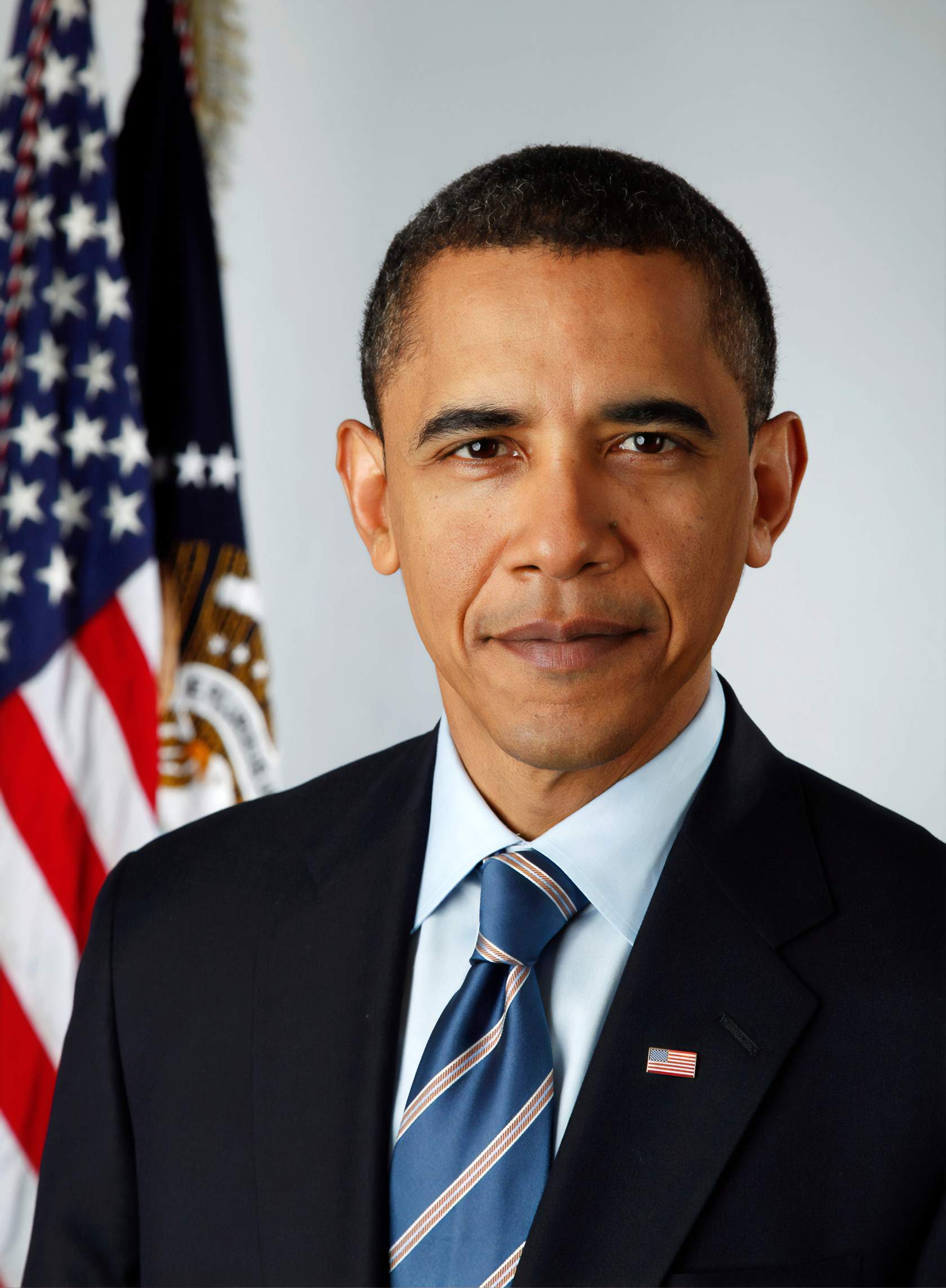
If voters are enthusiastic about a particular candidate, more will turn up to vote for him or her. When President Obama was elected in 2008, voter turnout was at the highest level it had been in forty years. His candidacy inspired a lot of people to go out and vote. A strong dislike of one candidate can also inspire voters to go to the polls to vote against that candidate. If voters don't feel strongly about either candidate, however, voter turnout will be lower.
Political Efficacy
–
The term political efficacy refers to the trust that citizens place in the government and their belief that they can influence governmental affairs. If citizens don't feel that they can have any real influence on the government, they will be less likely to vote. Conversely, if citizens place great trust in the democratic system and believe their vote makes a real difference, then they will be more likely to vote.
Attitudes Toward Government
–
Voter attitudes toward the government also impact voter turnout. If voters feel the government is doing okay and will be just fine even if they don't vote, then they will be less likely to vote. However, if voters have a strongly negative attitude toward the current government—and they feel their vote can help turn the government around—then they will be very likely to head to the polls on Election Day.
Loyalty to Political Parties
–
Voters who have a strong attachment to a political party are also more likely to vote. They may vote out of a sense of duty and loyalty to their party, even if there aren't any strong issues or candidates that they are motivated by. Conversely, voters without any strong party loyalty are less likely to vote.
Competitiveness of Races
–
Finally, the competitiveness of a political race also affects voter turnout. The growth of political polling makes it much easier to predict which elections will be close and which will be landslide victories. If voters feel that the winner of an election is a foregone conclusion, they will be less likely to vote. They believe they already know who is going to win, so their vote won't matter. If it looks like an election is going to be close, however, voters will be much more likely to go to the polls.