Neuroanatomy + Parts of the brain
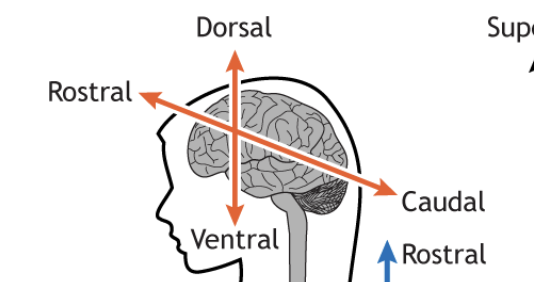
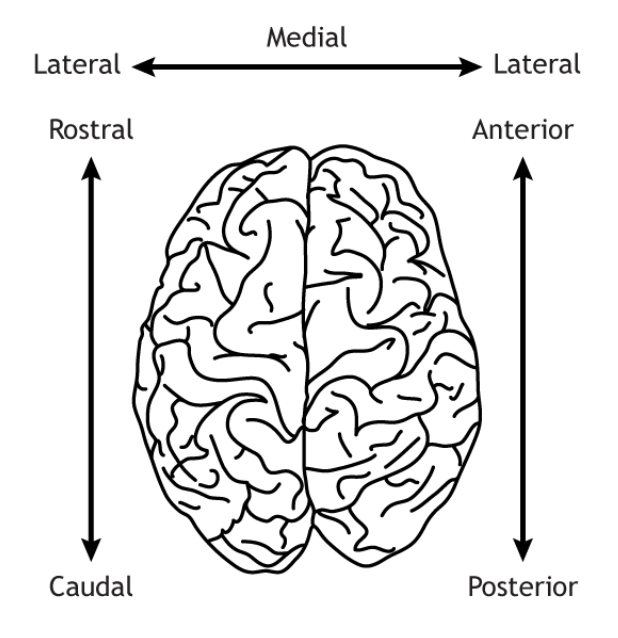
anterior/rostral
toward the front
posterior/caudal
toward the rear
dorsal
top of the back/upper
ventral
toward the front/lower
contralateral
on opposite sides of the body
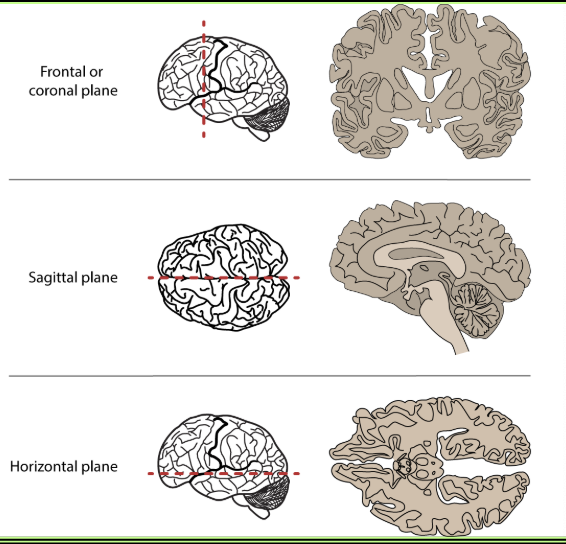
Coronal
plane showing brain structures from the front
Sagittal
shows brain structures from the side
Midsaggital
cuts exactly through the midline of the brain to produce 2 equal halves
Horizontal
shows brain structure as seen from above
Localization of brain
functions both distributed and localized
behavior results from interaction of widespread areas of the brain
Gyrus - ridges
Sulcus- infoldings
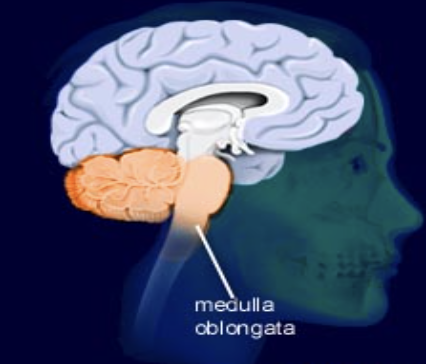
Medulla Oblongata
most inferior part of brainstem
respiration/cardiovascular function
vasodilation
widening of blood vessels
vomiting, sneezing, coughing, swallowing
IMPORTANT
maintains open airway
controls heart rate
Damage
usually results in death
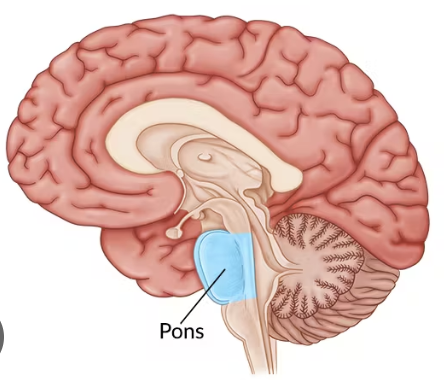
Pons
sleep
dreaming + REM
respiration
swallowing
bladder control
relays signals
audition
hearing
equilibrium
taste
eye movement
facial expressions/sensation
posture
Damage
Locked-In Syndrome
caused due to stroke, tumor, or trauma
person is fully conscious/aware but unable to move/communicate except for eyes
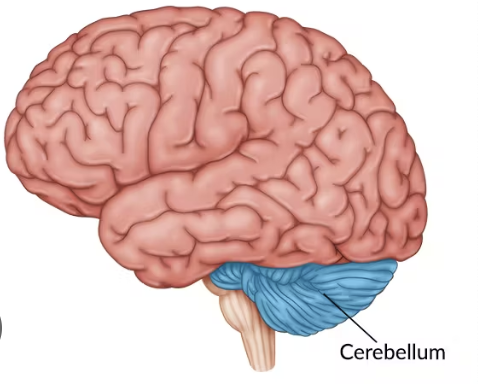
Cerebellum
coordinates voluntary movement
walking, posture, speech, etc
learning motor skills
Damage
loss of coordination + slurred speech
balance problems
difficulty with precise movements
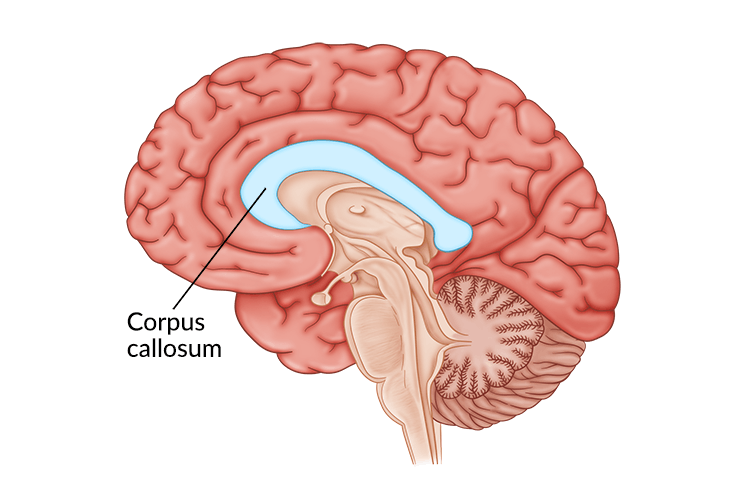
Corpus Callosum
large bundles of fibers
Connects corresponding parts of one side of the brain with the other
Damage
epilepsy → neurons one side become overactive → transmitted by corpus callosum → epileptic seizure
cutting corpus callosum reduced frequency of seizures
sensory disturbances
split-brain syndrome
conflicting thoughts/actions due to lack of brain communication
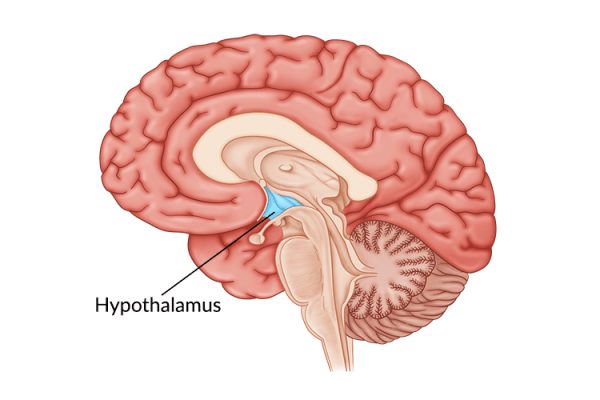
Hypothalamus + pituitary gland
hormone release
body temperature
drinking/feeding
sex behavior
fight or flight
4 Fs
Damage
hormonal imbalance
body temperature regulation issues
extreme hunger/loss of appetite + dehydration/excessive water retention
sexual dysfunction
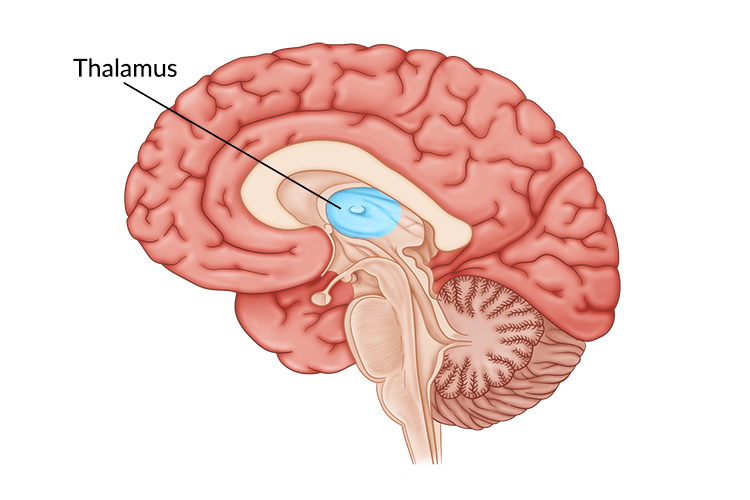
Thalamus
sensory relay area
except olfaction (smell)
Damage
sensory disturbances
numbness/tingling/burning
loss/altered sensation on one side of body
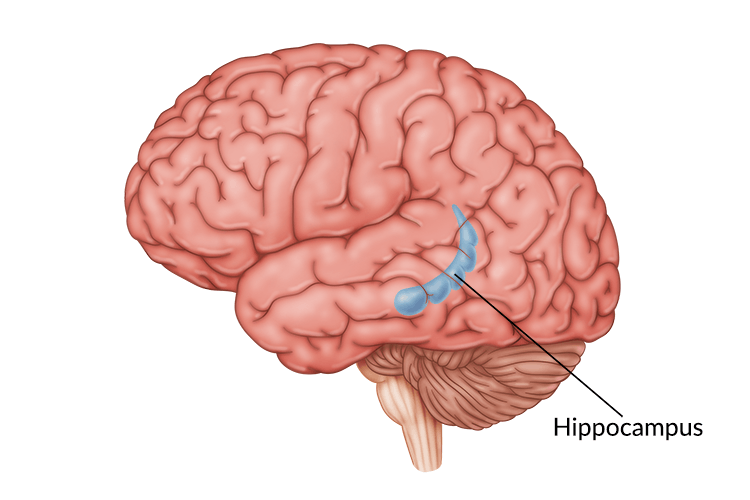
Hippocampus
episodic memory
short-term memory
spatial processing
ability to understand relationship between objects in space
Damage
inability to form new memories
short term memory loss
loss of spatial memory
Patient HM
Amygdala
perceiving/experiencing emotional behaviors and feelings
fear, anger, aggression, desire
emotional memory/learning
fear conditioning
appetitive condition
memory of social information
Damage
Patient SM
lack of fear/ability to learn from fear
impaired social interactions
emotional blunting

Nucleus Accumbens
“reward center” of brain
key target for addictive substances
Damage
reduced motivation/impaired award reponsiveness
greater susceptibility to addiction

Lobes of the brain
occipital
visual cortex
damage
visual field defects
hallucinations
color blindness
distorted images
temporal
auditory cortex
highest order olfactory (smell) processing
memory encoding pathways
language comprehension
“what” pathway of vision
Damage
Capgras syndrome
family replaced by imposters
auditory processing problems
altered sense of times
cannot remember new information
parietal
spatial perception
“where” pathway of vision
somatosensory cortex
post-central gyrus
recieves/integrates sensory signals from skin, muscles, joints, and internal organs
touch, pressure, pain, temperature, body awareness
Damage
hemilateral neglect
attention problems
spatial disorientation
agnosia
frontal
motor cortex
pre-central gyrus
controls voluntary movements
motor planning/timing
language production
some cognitive aspects
emotion, affect
Pre-frontal
problem solving, judgement, high-order thinking, decision-making, emotionality, personality, socialization, creativity, etc
Damage
personality shift
movement paralysis
impulsivity

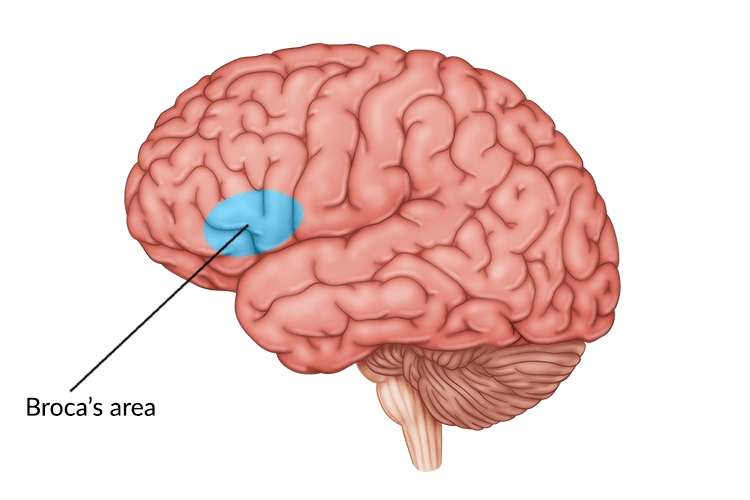
Broca’s Area
language production
Damage
Broca’s aphasia
difficulty producing fluent speech
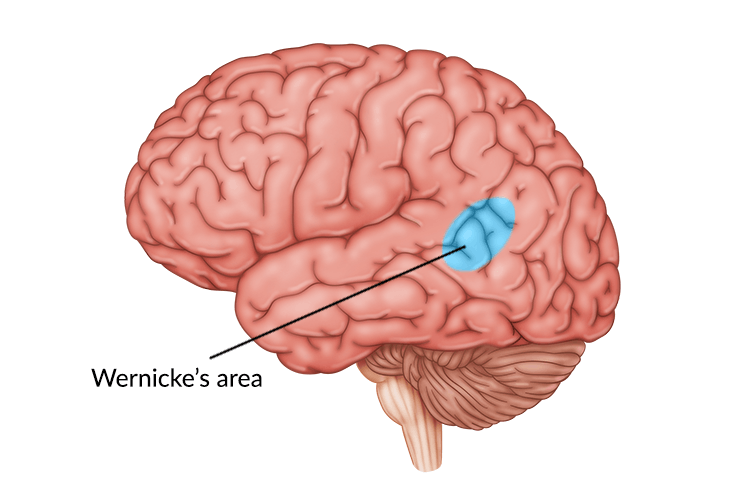
Wernicke’s Area
language comprehension
Damage
Wernicke’s aphasia
difficulty understanding language
Callostomy (Split Brain Surgery)
surgical procedure involving cutting off part/all of the corpus callosum
used to treat seizures, brain tumors, cerebral palsy
Possible risks
coordination and balance
cognitive problems
weakness/numbness in one side of body