Concepts of Chemical Bonding
Chemical Bonds
Three types:
Ionic: Electrostatic attraction between ions
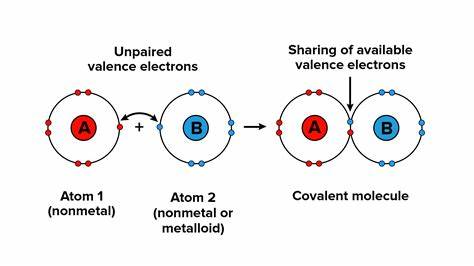
Covalent: Sharing of electrons
Metallic: Free electrons hold metal atoms together
Lewis Symbols
Developed by G. N. Lewis to denote bonding electrons using dots for valence electrons
Atoms tend to gain, lose, or share electrons to achieve eight valence electrons (octet rule)
Ionic Bonding
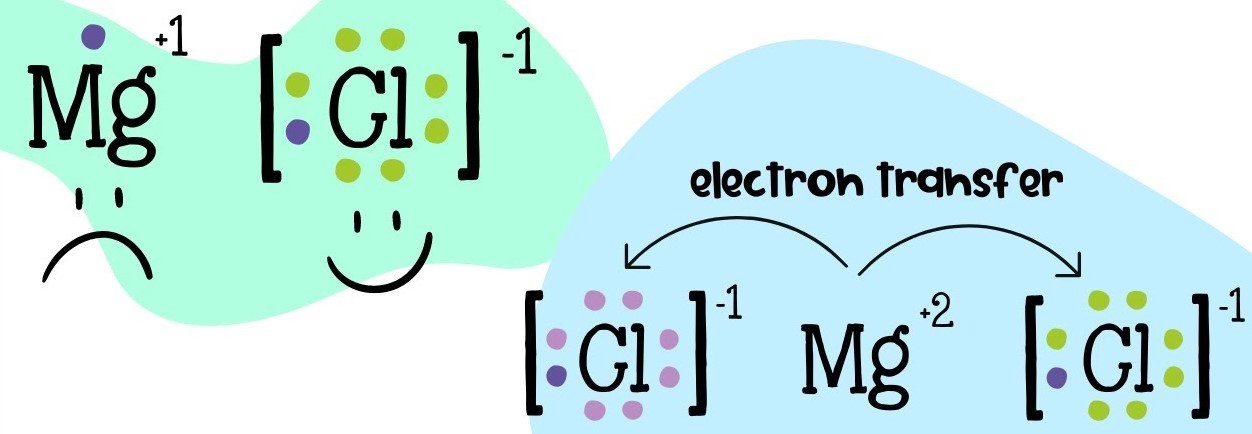
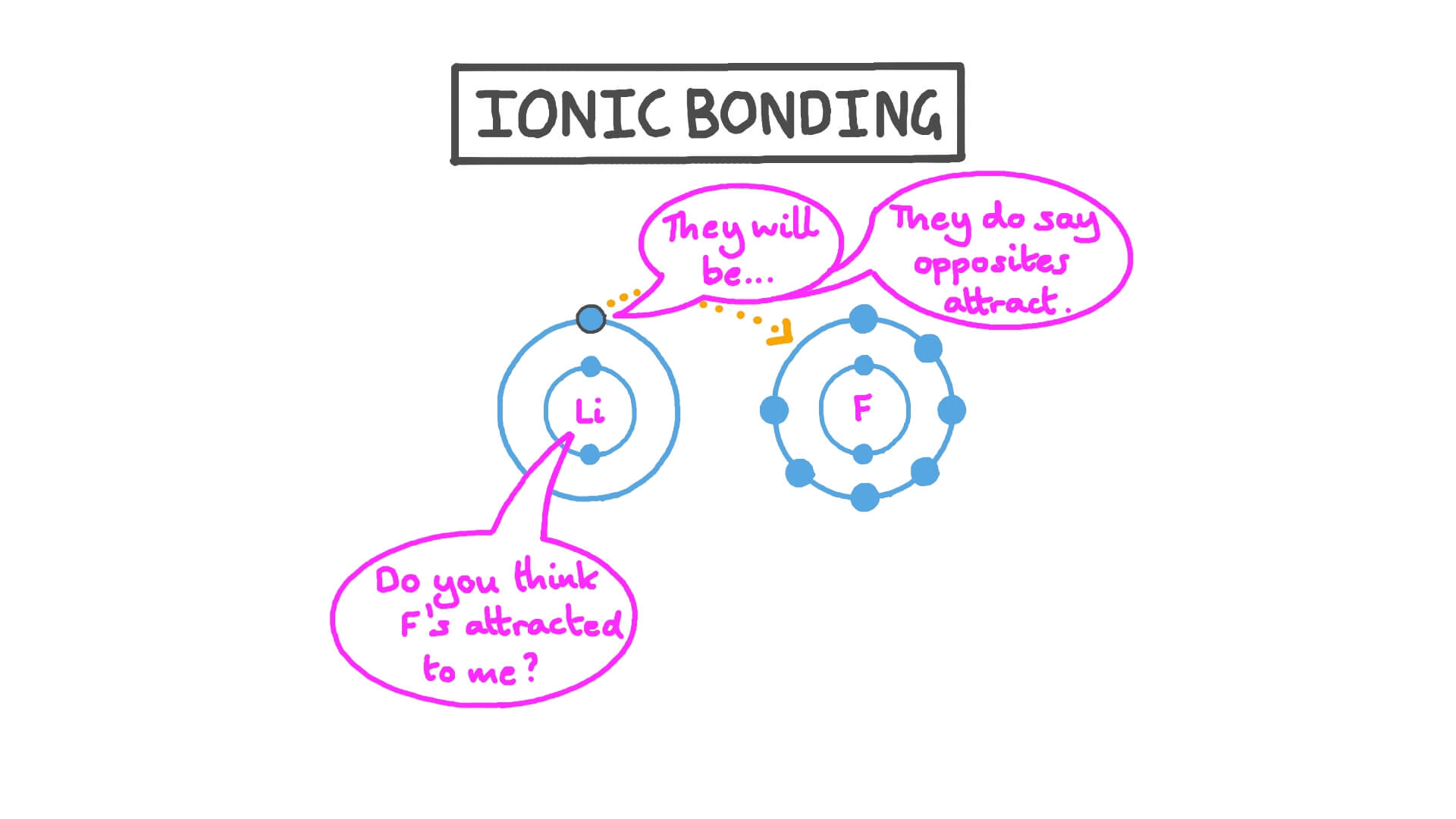
Involves metals and nonmetals
Characterized by electron transfer
Properties include brittleness, high melting points, and crystalline structure
Energetics of Ionic Bonding
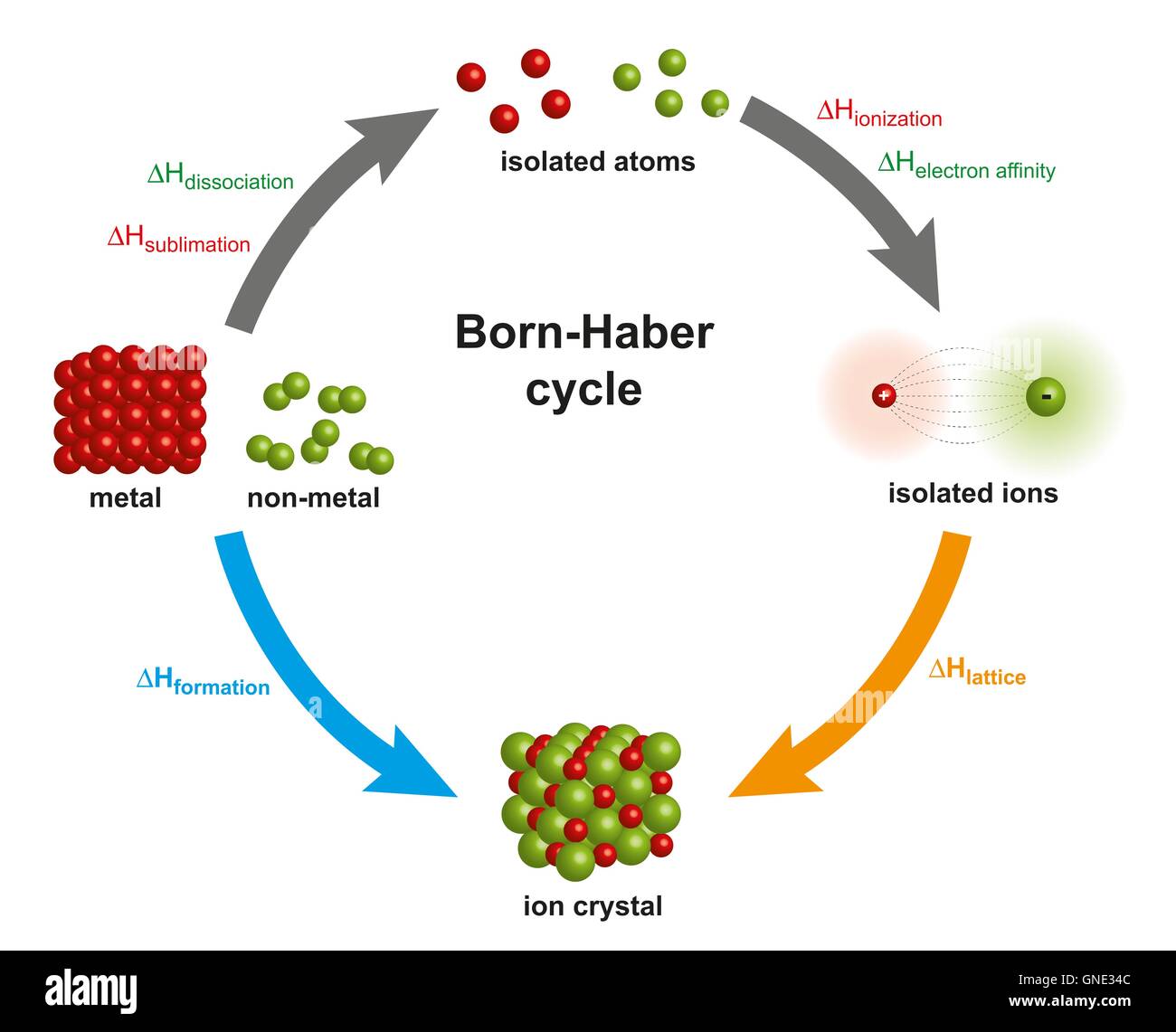
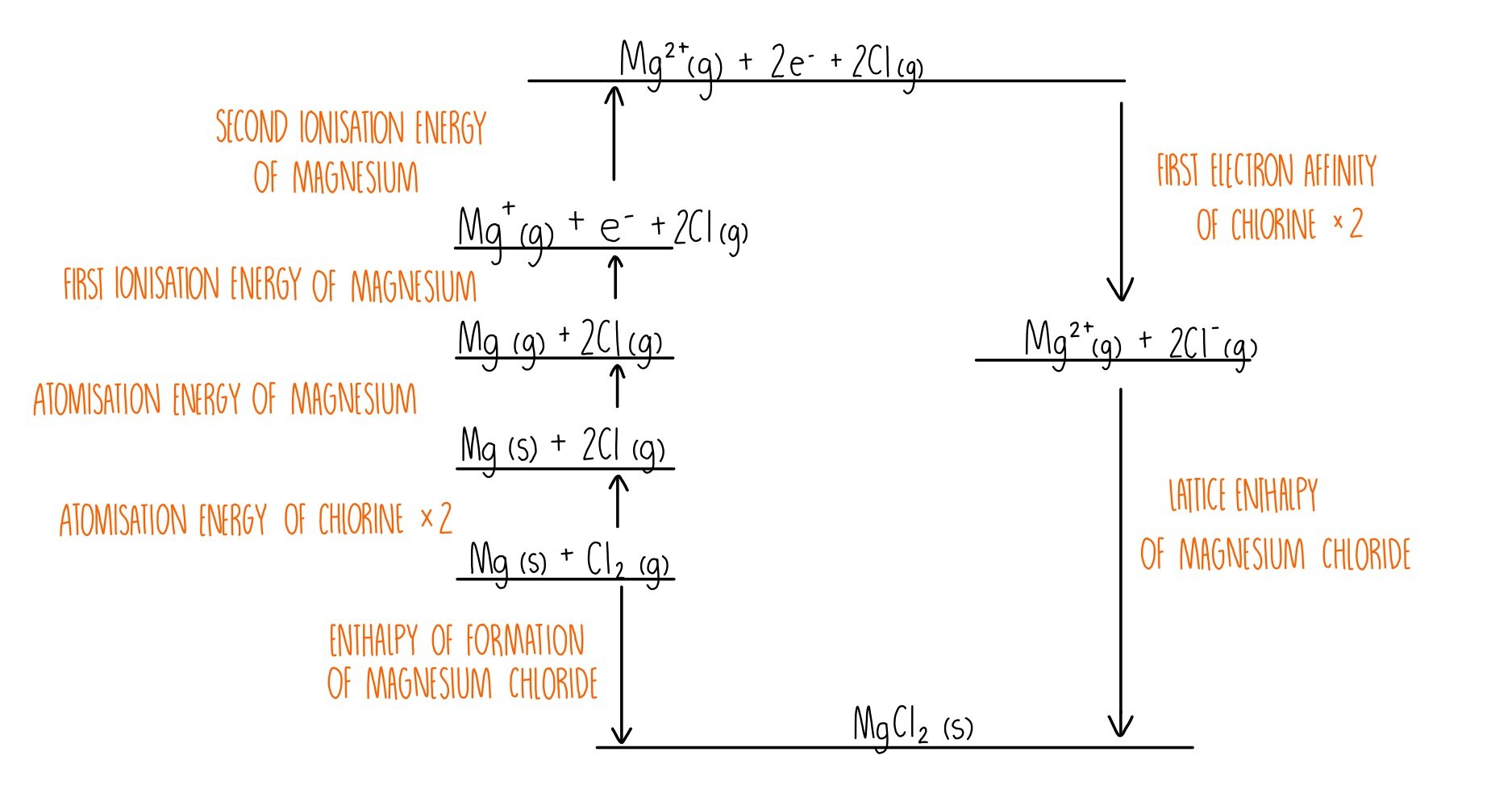
Born-Haber cycle diagrams the formation of ionic compounds
Ion formation is endothermic (cation) and exothermic (anion); overall exothermic process
Lattice Energy: Energy to separate moles of ionic compound into gaseous ions
Covalent Bonding
Atoms share electrons with various interactions: attractions and repulsions between electrons and nuclei
Total attractive interactions must exceed repulsive interactions for bond formation
Stone Structures & Formal Charges
Lewis structures help visualize sharing of electrons
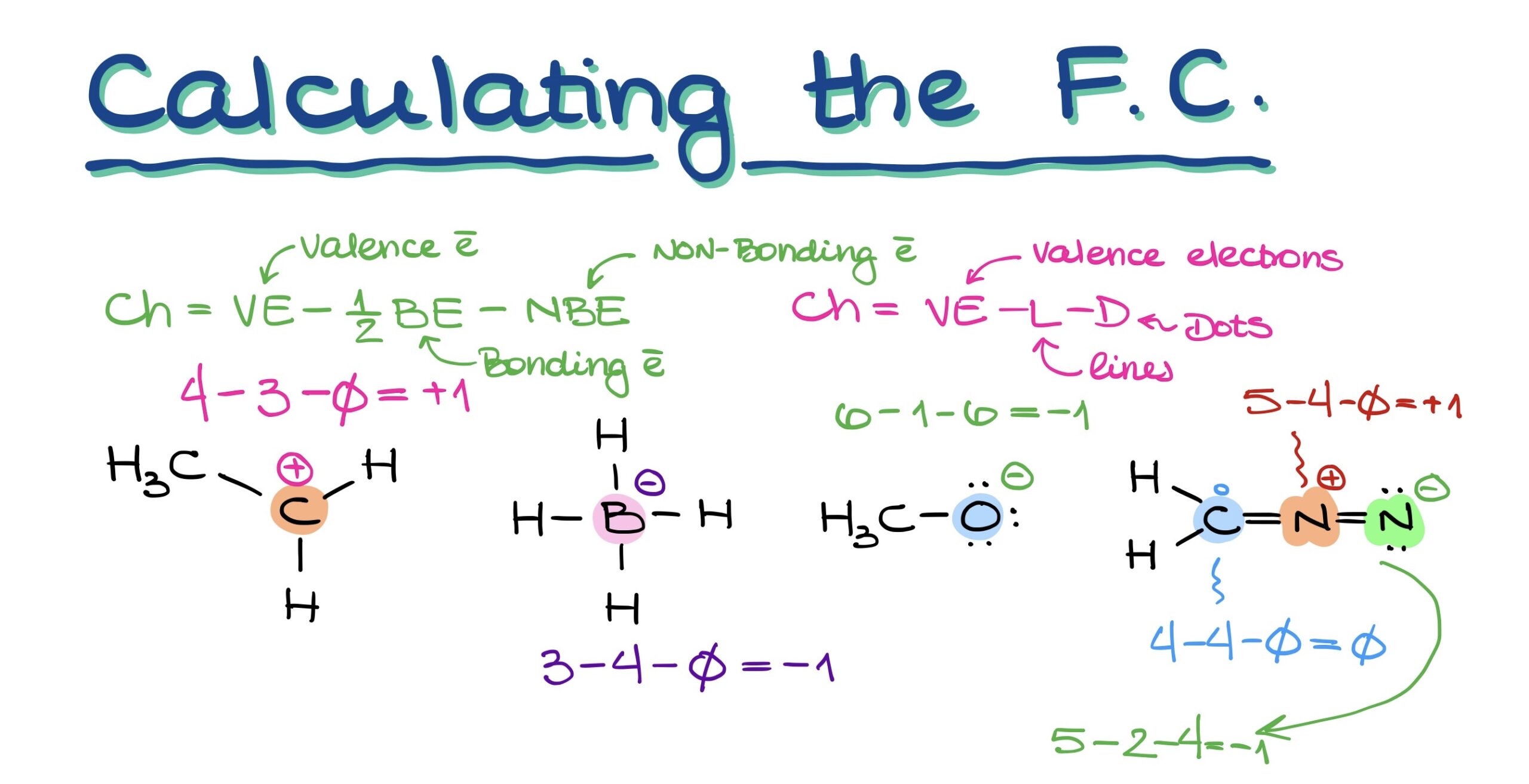
Formal charges calculated to determine optimal structures
Dominant Lewis structure has formal charges closest to zero, with negative formal charge on the most electronegative atom
Resonance Structures
Molecules like ozone require multiple Lewis structures for accurate description
Exceptions to the Octet Rule
Molecules with an odd # of valence electrons
When an atom has less than an octet
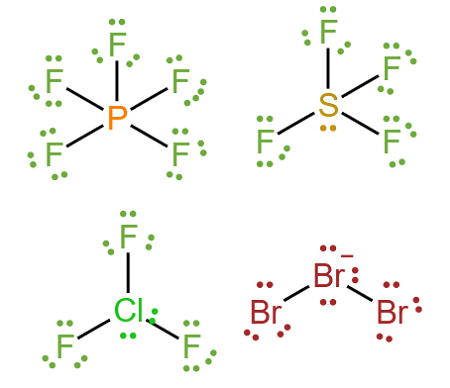
Atom that has more than an octet
Examples: Sulfur, phosphorus, silicon, and chlorine
Elements in periods 3 through 6 can utilize d-orbitals for more than four bonds
Bond Enthalpies
Bond breaking is endothermic, and bond energies vary among compounds
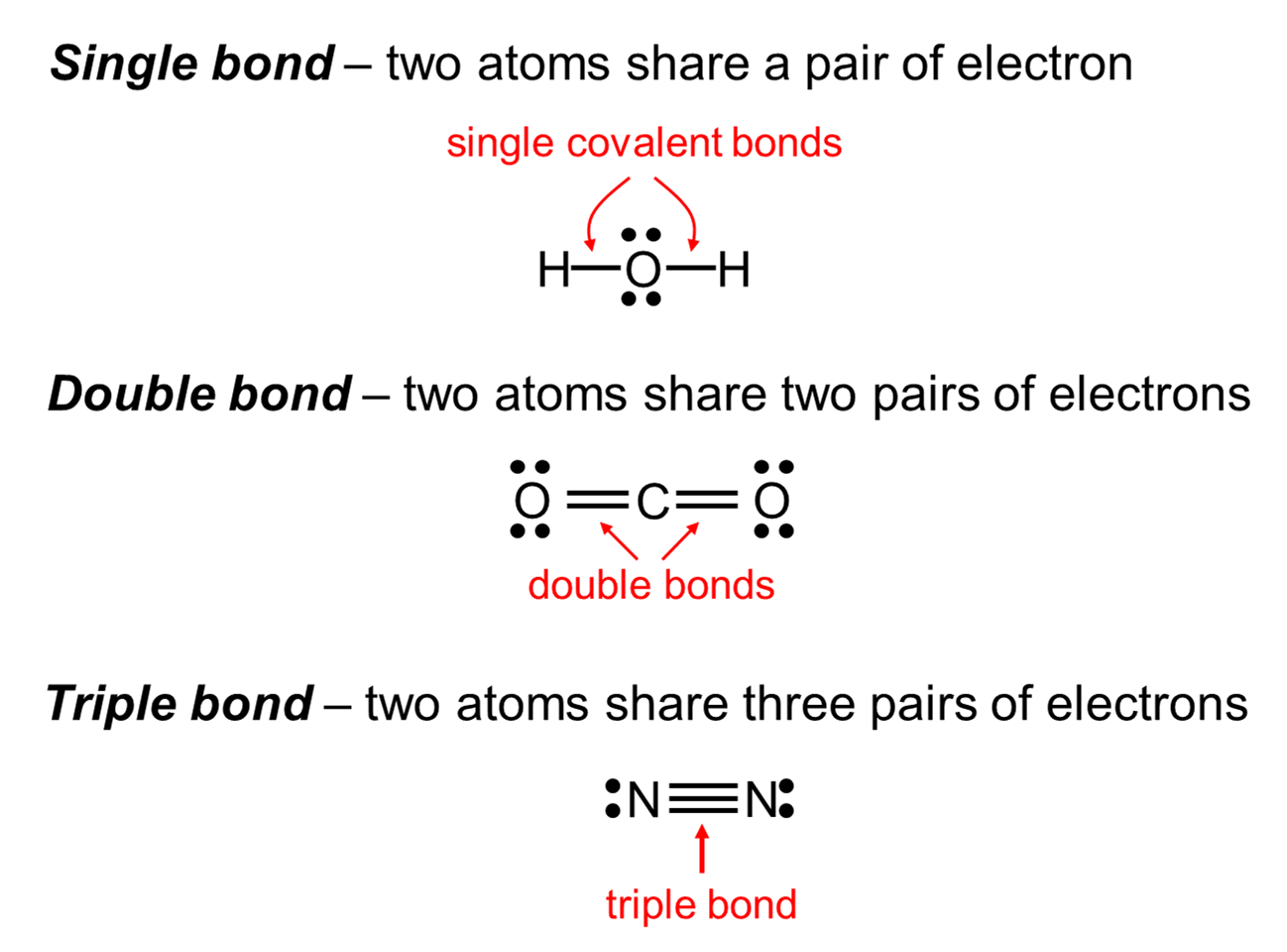
Double and triple bonds are stronger and shorter than single bonds
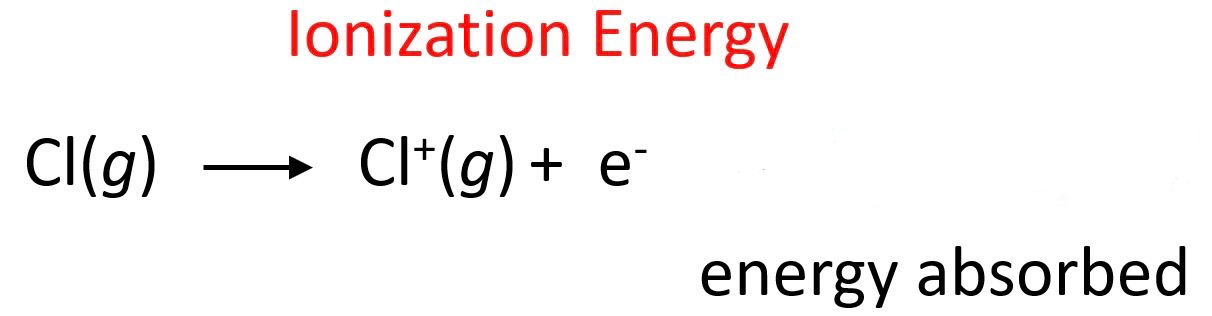
Ionization energy
Energy required to remove an electron, which forms a positive ion (cation)
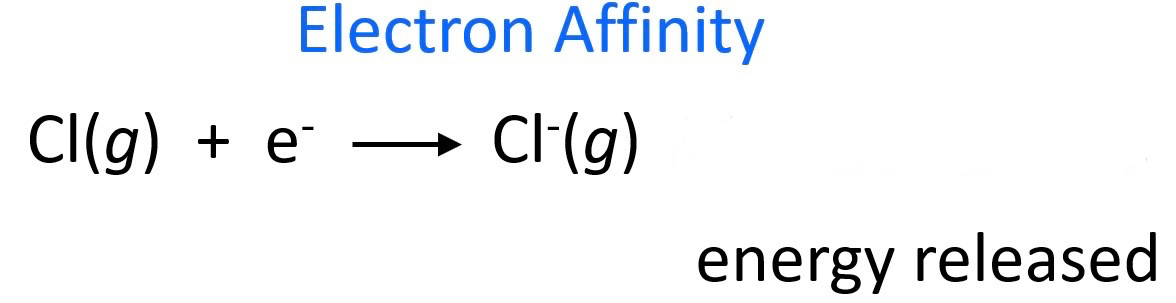
Electron Affinity
The energy released when an electron is added to a neutral atom to form an anion (Negative charge)