Week 2 Reading: From Conception to Birth: Biology and Behaviour
pg. 40-63. skip boxes 2.1, 2,2, 2.3
pg. 78-87, 89-98, 101-104, skip section 5., box 3.1, molecular genetics research designs, box 3.2, environemntal effects
skip all other subsections than importance of experience in brain deveopment
pg. 40-63 (skipping boxes 2.1, 2.2, 2.3)
PRENATAL DEVELOPMENT
epigenesis —> the emergence of new structures and functions DURING development, argued by Aristotle
question: does prenatal life start with a fully formed individual, composed of a full set of tiny parts, or do many parts of the human BODY. develop in succession?
ex. “does baby just sprout as whole human thats little than becomes bigger, or does baby develop eyes, then lungs…”
conception
gametes, or germ cells —> specialized cells that contain half of genetic material found in other cells
one sperm, one egg, 50/50 each, makes baby
gameters are produced through meoisis
meoisis: takes us from a cell with two sets of chromoses, to a cell with only one set of chromosmes
PROCESS OF REPRODUCTION
egg is launched from one ovary into the adjoining fallopian tube
egg moves through the tube towards the uterus. while this is happening, it emits a chemical signal that attracts sperm
if act of sexual intercourse takes place near the time the egg is released (when you’re ovulating), YOU CAN GET PREGNANT bcz sperm and egg can meet. this is a NIGHTMARE.
in every ejaculation, 500 MILLION SPERM are pumped into vagina. WHAT THE FUCK.
each sperm’s head has 23 chromosomes
sperm travels for 6 hours, up vagina through uterus to fallopiano tube.
of 500 million, only 200 ever get near. sperm with serious genetic defects prevent them from propelling themselves vigorously enough to reach and fertilize the egg
question: is this…. outdated research? the textbook goes on to say that the sperm that get to the egg are the most structually sound, which is a “survival of the fittest” situaiton. but recent research says the egg actually evaluates compatibility when the sperm reaches… must find articles to figure this out.
fertilized egg —> zygote (we lost another one 😔)
has 23 chromosomes from sperm, 23 chromosomes from egg
DEVELOPMENTAL PROCESS
4 major ones (DMDS —>
cell division (mitosis)
after 12 hours, zygote divides into two parts, EACH HAVING FULL GENETIC MATERIAL. keep dividing, until zygote has trillions of cells.
mitosis —> cell acc replicates DNA, creating two identical copies of each chromosome, which just keeps happening. copy paste, copy paste, over and over, trillions of cells, all have the same chromosomes. right? question.
cell migration
movement of newly formed cells away from point of oriigin
ex. neurons of developing brain go to the edges
cell differentiation
at first, all cells are stem cells. which means they can become any sort of cell in the human body. (embryonic stem cells), suuuuuuuuuper insane in regenerative medicine. like that tiktok of that phd student who took foreskin and turned them into heart cells and now they have a beating heart??? fucking INSANE.
clarity: all cells are stem cells at first, they can become any of the 200 cell types in the human body
so since all cells share identical set of genes, which factors determine what type of cell a given stem cell will become?
WELL!!
location (cell-to-cell contact with neighbouring cells)
gene expression (which genes in cell are switched on or not)
cell suicide
apoptosis
ex. formation of fingers depends on the death of the cells in between the rides in the hand plate
“ticking death timer” —> specific timeline is there, programmed into cells themselves, where they eventually self destruct
craaaazy
hormones
androgens: class of hormones that include testosterone
question: if you have androgens, you get male genitalia. if you don’t have androgens, you get female genitalia.
source of androgen is male fetus at aorund 8th week of conception
confused okay question: so are you saying thet the fetus itself, is already male, and then it develops male genitalia? so i am confused here, how do you know its male already? what makes it that it develop the hormones it does?
EARLY DEVELOPMENT
fallopian ot ube to womb, zygote doubles number of cells TWICE A DAY
but 4th day after conception, cells arrange themselves into a hollow sphere with bulge of cells (inner cell mass)
identical (monozygotic) twins
originate from splitting in half of the zygote. two same zygotes. same set of genes
fraternal (dizygotic) twins
two eggs happene to be released from ovary to fallopian tube, both fertilized
2 diffenet eggs, 2 differnet sperm, genetically same as non-twin siblings
end of first week, zygote embeds itself in uterline lining, dependent on mother for sustenance
inner cell mass by 2nd week folds into 3 layers
top layer: nervous system, nails, teeth, inner ear, lens of the eyes, and outer surface of the skin
middle layer: muscles, bones, circulatory system, inner layers of skin, other internal organs
bottom layer: digestive system, lungs, urinary tract, and glands
folds at the top of the groove create the neural tube (end of neural tube swells and develops into brain, rest becomes spinal cord)
amniotic sac
membrane filled with clear watery fluid fetus floats in
protective buffer for devleloping etus
placenta
lots of blood vessels, extends into tissues of uterus
90% of cells in placenta come from fetus itself
its a COMPLEX ORGAN important for develpment of fetus
semipermeable (exchange of materials in bloodstreams of fetus asnd mother, prevents the blood from mixing tho)
membrane is barrier against dangerous toxins from mother’s body
umbilical cord
connects amniotic sac to placenta
tube containing blood vessels that run to fetus
AN ILLUSTRATED SUMMARY OF PRENATAL DEVELOPMENT
cephalocaudal development
at 4 weeks after conception,
primitive heart is visible, heart beating
arm bud, small leg bud, tail-like strcture and head touching each other, cramped child, paying no rent cant complain
at 5.5 weeks
nose, mouth palate beginning to differnetiate
8 weeks
nose and mouth almost fully formed
cleft palate happens here
9 weeks
bulging forehead
internal organs present
rudimentary eyes and ears forming
internal organs present
sexual differentiation starts
ribs are visible, fingers and toes, nails
11 weeks
heart
developing spine and ribs
major divisions of the brian
last 5 months
lower body growth
external genitarlia lot
18 weeks
fine hair, greasy coating
28 weeks
sufficiently developed brian and lungs
eyes can open and move during periods of REM
auditory system is functioning, can react to a bunch of sounds
last 3motnsh
fetus grows a shit ton (3x weight)
FETAL EXPERIENCE AND BEHAVIOUR
movement
5-6 weeks, id moves spontanneoulsy
HICCUPS around 7 weeks
prenatal hiccups, thoguht to be burping reflex for fetus to clear air to make room for milk
swallowing of amniotic fluid, goes back into sac. tongue movemetns associated with noraml deelopment of palate
10 weeks, fetal breahin, moving chest wall in and out. no air, just small amounts of amniotic fluid. infreuqent and irregular at first, then ecomes more stable, by like 3rd trimester
touch (active child)
tactile stimulation bcz tey want to
grasp umbilical cords, rub faces, suck thumbs, hand and mouth contact
did ya know, what thumb they suck predicts later handedness!!! 3
bumping aginst wall os uterus, and HEART RATE RESPONDS TO MATERNAL MOVEMENTS!!
suggesting that the vestibular systems in ear that tells us abut movement and balnace, work before birth!!
sight
not totally dark in room but babies can barely see anything
by 3rd trimester, they can process visual info and they have visual preferences
fetuses preferred light displays that resembled faces that were oriented like faces are vs faces that were inverted (top-heavy vs bottom-heavy)
this data suggests that infant’s predispositions to look towards face-like stimuli MAY BE INNATE!!!!!! MAYBE HUMANS JUST INNATELY LOOK AT HUMAN FACES!!!
taste
amniotic fluid contains a bunch of flavours, and fetuses like some than others
fetuses have sweet tooths!! they like sweetened fluid
question: is this all fetuses or is it an individaul preference?
smell
can smell scents in amniotic fluid of women who recently consumed them
ex. coffee, curry
maniotic fluid contacts fetuFs’s odour receptors through fetal breathing (chest wall in and out)
phylogenetic continuity
the concept of humans sharing many characteristics and developmental processes with nonhuman animals bcz we evolved together :)))
just that we’re like animals, CAUSE WE ARE ANIMALS
ex. similaritiy between rats and us: nipples on underside of rat’s belly smeared with amniotic fluid, teh scent is familiar from wehn they were in womb, so they always go to mothers nipples for nursing!!
BUT IF YOU FLIPPING WASH THE RAT’S NIPPLES AFTER BIRTH TEHY DONT GO TO NIPPLES. BAD BAD BAD.
hearing
all fetuses hear are mother’s heartbeat, blood flow, and breathing AND DIGESTION
noise leve in uterus ranges from 70-95 decibels
during last trimester, fetus can hear sounds from outside body as well, with baby able to distinguish between music and speech
at 1 month born, brain development of fetuses hearing recordings of mothers’ uterine sounds compared to those exposed to only normal hospital sounds showed larger auditory cortexes!!!! suggesting maternal sounds may facilitate brain development EVEN BEFORE BIRTH!!!!!!!
FETAL LEARNING
last 2 monthso f pregnancy, CNS is devleoped enough to support learning
study ex: specific prenatal auditory expeirences were presented via audio speakers at mother’s abdomen, and they repeated a single nonsentse word or a lullaby, WHICH THE INFANTS REMEMBERED!!!!!! boh teh things
fetuses grow bored if stimulus is repeated over and over (habituation)
habituation tells us learning and memory is happening, cuase u rnot learning anyhting else and u remembered what you learned
dishabituation
when something changes in the stimuus, it become sinteresting again
ex. “red, red, red, red, red” —> boring
“red, red, red, red, red, blue, red” —> OKAY BLUEEE WHERED YOU COME FROM
fetuses are young as 30 weeks in womb show habiutation!!!!!! wich means CNS is sufficently developed for memory!!!!!!11
extensive experience with mother’s voice
half group of fetuses: listened to recording of mother reading poem
other half of fetuses: listened to recording of same poem, diffferent person
FETUSES RECOGNIZED SOUND OF THEIR OWN MOTHER’S VOICE RELATIVE TO A STRANGER’S. WHOAAAAAAAAAAAA
so do fetuses remember anything about bieng a little fetus once out of womb????///// YUH GIRL THEY DO!!!! they prefer listening to moms voice filtered to sound liek it did in womb than TO ANOTHER WOMANS. they recognieze mother’s voice, and prefer to listen to languge in womb than another one
fetuses also learn from tastes and smells in womb,
remember scnet of amniotic fluid and prefer the taste and scent of those
ex. mother drank carrot juice a shit ton by end of pregnancy, kid likes carrot juice and cereal than cereal and water
FLAVOUR PREFERENCES ARE LONG-STANDING. THEY SUGGEST A PERSISTENT EFFECT OF PRENATAL LEARNING.
ex. mom ate a lot of chili peppers ginger and cumin? the kid prolly likes indian food more than a kid whose mom ate toast and beans
SO PRENATAL EDUCATION PROGRAMS. where tehy show them music and voices and stuff in womb to enahcne cognitive abilities after birth?
prolly not lowkey, like you cnat teach it math or read books cause it cant get language meaning, and bcz of liquid environmetnt detialed speech and music isn’t like translated the best
but!! they hear pitch contours and rhythmns (whcih is what they reocgnize in these studies), so the fetus can fuck with general sounds and stuff, but not really speciic content\
like if you read it shakespeare, it miiiiiight remember the iambic pentameter like instinctually but prolly hnot
REIVEW QUESTION
how do different periods of fetal development illustrate aspevcts of continuity adn discontinuity?
so its discontinuous in that during different stages, different organs develop
its continuous in that once organs are formed, or things start developing further. like brain is there like “pop” during a specifci time, but slowly brain develops throgh third trimester to have functional visual and auditory systems, and have capability of learning and behaviors
HAZARDS TO PRENATAL DEVELOPMENT
majority of miscarried embryos have severe defects
like a missing or extra chromosome that make it super hard to keep develooping
25-50% of women experience at least one miscarriage over childbearing yeras
1% have 3+ miscarriagse, but they can still carry pregnacnies to term!!
TERATOGENS
enviornemntal agents that have potential to hearm fetus
ex. cigarette smoke, pollution, alcohol, drugs in general, even hormonal medicaiton
the effect of these agents is dependent on when they hit the baby.
MANY only cause damage if theyre present during a sensitive period
sensitive period: period of time during which a developing organism is most sensitive to effects of external factors
IMPORTANCE OF TIMING EXAMPLE
drug —> thalidomide
prescribed to treat morning sickness, super safe all over canada, over the country
BCZ they thought meds did not croiss placental barrier, BUTTTTTTTT parents who took this drug got babies with major limb deformities!!!
like no arms, or like hands growing out of sholders
heres the interesting thing, the serious defects only happened if the woman took the drug between 4th and 6th weeks after cocneption. if you took it BEFORE limbs developed OR AFTER formed, no harmful effect!! teh sensitive period is during the arms forming
other factor: amoutn and duration of exposure
dose-response relation
the greater the fetus’s exposure to teratogen, more liely itll suffer damage
bcz life isnt neat, its hard to tease apart effects of poor material nutrtion, exposure to pollution, inadequate prenatal care and psychological stress
like tehse all ocurr together in poverty, so its not easy to say “this caused this”
soooo we look at CUMULATIVE impact on development
negative effects of prenatal eperience not immediatley evident
fetal programming —> belated emergence of effects of prenatal experience that program the physiological set points that will govern physiology in adulthood
ex. inadequate prenatal nutrition —> fetus’s metablism ADJUSTS to this level of deficiency in womb DOES NOT RESET AFTER BIRTH —> sets the stage for development of overweight + obesity issues (bcz of lots of food later in life)
bcz fetus metabolism set prenatally while expeirencing undernutriton, not reset when nutriton reached normal levels
poor match of physiology for food-rich environment
effect of teratogens depends on genetics
sleeper effects
impact of given agent may not be apparent for many years
DES (hormone) used to prevent miscarriage, but in adolescence and adulthood, offspring turned out to have higher rates of cervical and testicular cancers!!!!!!!!!!!!!
fucking WACK dude
DRUGS
almost all drugs of abuse have been shown to be dangerous for prenatal development
some over the counter god, others bad
only take the drugs undre supervision of physician
acne meds (cccutane) known human teratogens!!!!!!!!!!!!!!
antidepressants
treatment for depression during preganncy can reduce risk of postpartum depression
3-5% of pregnatn women take antidepressants, not sure if theyre harmful or not,
side note: some women choose not to take them during pregnancy, but it can be really bad for their health
its really comes down to what hte woman wants to do with her own fucking body during that time
one potential solution is non-pharm treatments for depression
behavioural interventions including CBT, mindfulness-based cogntiive therapy, perinatal depression and use of medication
opioids
increasing concern is use of prescription opioid medications and related use of illicit ones
mimic effects of neurotransmitteers, hurt the brain
opioids highl y damaging to fetuses (even if prescribed!!)
neonatal abstinence syndrome (NAS), form of drug withdrawal when fetuses exposed to opioids in womb are born
common effects of NAS
low birth weight
problems with breathing and feeding, seizures
treatment for newborns
methadone, morphine to manage withdrawal symptoms
teratogens occur in clusters!! in combination of maternal drug use and opioids increased likelihood newborn will have NAS
marijuana
frequently used by women of reproductive age
canada legalized cannabis so prolly higher
data on effects on marijuana inonclusive bcz many users also smoke cigarettes or use alcohol
some studies say that marijuana and tobacco together is an issue
prenatal exposure to weed is associated wth attentoin, impulsivity, learning and memory in older children
effects of opioids and weed on fetal development can be HORRID but two drugs that cause the most harm are nictoine and alcohl
cigarette smoking
when proegantn women smookes cigarette, both her and fetus get less oxyge
so fetus makes less breathing movements (chest to wall stuff)
fetuses of smokers metabolize some of cancer-causing agents in tobacco
main developmental consequences are slowed fetal growth, low birth weight
smoking linked to increased risk of sudden infant death syndrome (SIDS), lower IQ, hearing dficits, ADHD, and cancer
as with other teratogens, dose-response relationships
greater smoking intensity predicts worse outcomes (including stillbirths)
timing matters!!
effects of smoking greatest early in gestation
e-cigs more prevalent, vaping healthier for fetuses than cigarette smoking
vaping not better than smoke!! bcz nicotine still there!! but no smoke, so ig that helps
alcohol
maternal alcohol use leads to fetal brain injury
alcohol in blood crosses placenta into BOTH 1. fetus’s blood stream and 2. amniotic fluid
so the fetus gets alcohol straight through its blood, and also through the amniotic fluid.
fetal alcohol syndrome (FAS) is the big thing
FAS —> facial structures (like thin upper lip, no ridge between upper lip and nose)
cognitive deficits:
varying degrees of intellectual disability, attention problems, hyperactivity
moderate drinking has short nad long term consequences. any sort of binge drinking as well
consequences: low birth weight, high risk for ADHD, delays in cognitive development + school achivement
SO NO DRINKING but thats pretty much a consensus
environmental pollutants
we have a lot of toxic metals, synthetic hormones, various ingedients of plastics, pesticides, and herbicides IN OUR BODIES that can be teratogenic
THESE HAVE BAD EFEECTS OF FETUS!!
inuit mothers —> diets high in arctic fish, exposed to elad, mercury and PCBs WHICH IS ASSOCIATED WITH LATER DIFFICULTIES IN ATTENTION, COGNITION, NEUROMOTOR DEVELOPMENT
air pollution from burning fossilf uels, low birth weight + neurotoxicity (low SES, higher risk)
ex. china rapid industralization —> more pollution —> more polllution related birth defects
ex. mercury dumped in river, posioning fish that first natoin's’ eat, 4 decades after dumping mercury stopped PPL STILL DEVELOPING SYMPTOMS OF THE DISEASE RELATED TO MERCURY POSIONING
ysmptoms included: numbness in limbs, difficulty walkking in a straight line, vision and hearing impairmnets, headaches, exhaustion
MATERNAL FACTORS
age
infants born to ppl 15 yeras or younger are 3-4x MORE LIKELY TO DIE BEFORE 1ST BIRTHDAY THAN MOTHERS 23-29
WTFFFFFFFFF
higher age of women tho, 30s to 40s having children, harder to get pregnant,
dose-response relationship —> risk of engative outcomes for mother and fetus increasing with maternal age
ex. heightened rsik for developmental disorders like ASD
not just mothers!! also fathers!!
for mothers: prenatal enviroments (womb), birth circustances.
for fathers: mutations, chromosomal abnormalities
nutrition
too little nutrients, v bad consequences
too little folic acid (type of vitamin b), high risk of having neural-tube defect (like spina bifida! spine not connected to brain!)
many women dont know theyre pregnat at the very beginning, many foods like cereals have folic acid to make sure women get the right nutriton during early weeks
malnutriotn, more common in poverty, cumulative risk with other poverty risk factors
possible to assess certain effects of malnutriton SEPERATE FROM SES
ww2, kids had malnutriton, showed IMPAIRED PERFORMACE ON ATTENTIONAL TASKS, PREMATURELY AGED BRAINS
disease
most maternal illnesses, no impact on fetus
but rubella, 3-day measles, if contracted early, HORRID DEELOPMENTA EFFECTS
major malformations, deafness, blindness, intellectual disabilities
so they say be vaccindated before getting pregannt!!
STIs
CMV —> type of herpes
damages fetus’s CNS, also hearing loss
genital herpes
if infant comes into contact with active herpes lesions in birth canal BLINDNESS, EVEN DEATH
hiv infection
passed to fetus in womb or during birth. majority of infants born to women who are HIV Positive or have aids dont become infected themseles
majority of kids whos moms are HIV positive, dont have HIV themselves (yippee!!)
but can be passed in the womb, or during birth, or transmitted throgh breast milk after birth
breast milk contains a carb that may protect kids from HIV infection actually
zika
mosquite viral infection
can cause microcephaly —> babys head smaller tahn expected
hearing and visoin loss, seizures, intellectual disability
higher rates during first trimester
stunts brain growth, can also be transitted sexually
MATERNAL EMOTIONAL STATE
structural and functional effects of prenatal maternal state on developing brain (study: mothers with prenatal depression, brain structure changes in children aged 2-5)
HPA axis
hypothalamus, pituitary gland, adrenal gland
comms system between those three organs in endorcine system to regulate stress throgh production of cortisol
hypothalamus —> releases corticotropin-releasing hormone (CRH), signals pituitary gland to produce ACTH, which causes adrenal galnds to release cortisol, primary stress hromone, and also a glucocoricoid
cortisol helps regulate stress. too much cortisol, not good for you. too much of glucocorticoids, SLOW GROWTH OF FETUS. which is fetal programming, as once kid is out of womb which had an altered hormonal environment, they will have long-term changes in how they cope with stress via disrupted HPA axis funtioning
question: am i reading thsi right?
wars, fear of MEN (EUGH), infant and maternal mortality, poverty, scarcity of resources, high food inseucirty, domestic violence (where fear of men comes in), all make life very stressful for women
genetic factors link both maternal stress and postnatal outcomes
IVF —> used ivf to seperate genetic and environnemntal factors of stress
study found that maternal stress had effects on birth weight, later antisocial behaviour suggesting that PRENATAL ENVIRONMENT, NOT SHARED GENETICS, WAS STRONGER PREDICTOR OF LATER OUTCOMES
THE WOMB!!! WHATS HAPPENING IN THE WOMB IS IMPORTANT
REVIEW QUESTION: a wide variety of environmental agents, negative impact on prenatal developemtn. (drugs, pollution, stress, illness, nutriont) how can reserach into hazards be used to influence public policy aimed at reducing ther prevalnece nad imapt?
well, research into drugs tells us which ones are safe to consuem during pregnancy and which ones arent
reserch on effects of maternal stress and poor nutriton and how that hurts baby all birngs us back to we need policies that will help people afford the things they need to afford, so we can all be fuckinG HAPPY. down with capitalism.
THE BIRTH EXPERINCE (pg. 63)
38 weeks after conception, contractions of muscles of uterus beginn INITIATING BIRTH (8.7 months)
active child: aby already in head-down position
also lungs may release protein to trigger onset of labour, uterina contractions super painful, NOT PAINFUL FOR BABY!! stretching is painful, squeezing isnt. mother’s pain comes from stretching, squeezing doesnt hurt at all. yay!
prupose of squeezing
reduces overall size of fetus’s disproportionately large head bcz skull isnt completely secure (which is why hydrocephalus is possible in babies, cause skull can just keep growing. megamind core)
stimulates production of hromones that help fetus withstand mild oxygen deprivation during birth + regulate breathing after birth
chest breathing coming in CLUTCH
squeezing of fetus’s body forces amniotic fluid out of lungs FOR THE FIRST GASP OF AIRRRRRRR
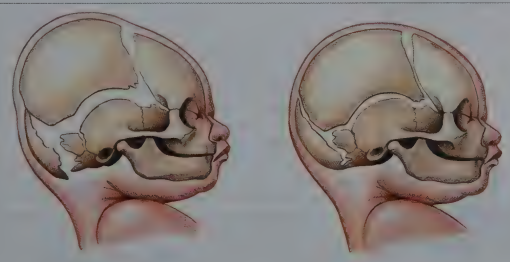
OKAY NOW WE’RE ON PG. 78
pg. 78-87.
skip point 5. child’s environment - child genotype and box 3.1
then pg. 89-93. read quant genetics resrach designs + heritability
but SKIP molecular genetics, box 3.2, and enviornemnta effects
then pg. 101-104, of brian devleopment: importance of expeirence. skp all other subsections.
PG. 78-87: BIOLOGY AND BHEAVIOUR
nature vs nurture? nah nature AND nature
genes code for proteins, not for things like occupation
experience also alters gene epression (epigenetics)
so even twins with same dna, based on experiences, will have different gene expressions that affect the experiences they then seek out and so on (reciprocal gene-environment model)
NATURE AND NURTURE
gregor mendel —> inheritance in cross-bred prea plants. how genetics came into the picture
then ROSALIND FRANKLIN, FOUND THE STRUCTURE OF DNA. all watson and crick did was steal it MOTHER FUCKERS. fuck them oih my god. disgusting.
genome, researchers have mapped the whole genome
plans are afoot to sequence genomes of all known species and now we have ways to make dna (gene synthesis)
ETHICAL CONCERNS
two kids with genes to resist HIV< issues of “what hppens to brain function and behaviour!! and their kids what happens to them??” also “reduced life expectancy? what if theyre more vulnerable to other viruses? bcz o this specific gene variant”
comparisons of genomes to different species
number of genes that humans have is far fewer than what we thought before (20k protein coding genes approx)
most of these genes are possessed by all living things!!
only 1% of human genome ARE GENES. rest is non-coding DNA that are importnat in regulating the actiivty of protein-coding genes
GENETIC AND ENVIRONMENTAL FORCES
genotype —> inherited genetic material
phenotype —> observable expression of genotype, including both body charactersitics + behavioru
environemnt: every aspect of indivduals and surroudnigns (including prenatal environment!!) OTHER than genes
DEVELOPMENT IS A COMBINATION OF GENETIC AND ENVIRONMENTAL FACTORS:
parent’s genotype-child’s genotype
nucleus contains chromosomes (molecules made up of two twisted strands of DNA, which contains biochemical instructions in making an organism)
instructions are packaged in genes, basic unit of heredity
genes affect development and beahviour only through manufacturing of proteins
human heredity
humans have total of 46 chromosmes, 23 pairs, nucleus of each cell
each parent passes along one chromosome to offspring, every kid has two copies of each gene
basicaally, tehy pass down genes. okay thats the significane of this seciton.
genetic diversity adn indivdual differences
genes guarantee all huams are similar in some way but we also have diversity
ranom assortment of choromomes PROMOTES VARIABILITY
during gamete division, 23 pairs of chromosomes shuffled randomly. SO ITS VERY VARIABLE
other variable process: crossing ovre
when gametes divide, two members SWAP SECTIONS OF DNA (for genetic diversity, which is good evolutionarily, we talked about this in gr.12 bio)
another thing that enhances variability: mutation of DNA, some are random and spontaneous (and might not hurt!! like if its just another codon of the same type, but if its a stop codon or another type it could be bad!!)
some are caused by environmental factors, occur in gametes, passed on to offspring, many inherited disorders are bcz of a mutation
most mutations are harmful, but a mutation can make things better fitness wise (ex. increased disease rsesistance)
sex deterination
sex chromosomes determine sex at birth, female only has X, but male has XY so his sperm contains half X, half Y. so male determines sex.
child’s genotype - child’s phenotype
genes influence observable, intermediate aspects of phenotype that impact behaviour
endophenotypes: internal or immediate phenotypes that are closer to the underlying pathophysiology of the disease
ex. coronary artery disease —> endophenotype is a vascular inflammation
gene expressoin: developmental changes
genes influencing indivduals behaviour only if switched on and off in the right place, at right time, for right length of time
other genes are involved all the time
switcing on an off is controlled by REGULATOR GENES
hwen you turn one on, another turns off, so theres a network they work in (expression of one gene is preconditon of the expresion of another)
ex. effect of thalidomide on limb development
external factor that affects hte switching on and off of genes at crtiical periods dsirupting developemnt
gene expression: dominance patterns
1/3 of human gnees are allels (eye colur gene —> bronw, blue, hazel (these colours are alleles))
dominant + recessive (ex. eye gene, blue is recessive, brown is ddominant. BB —> brown, Bb —> brown with recessive blue so kid can have blue its possible, bb —> blue. BB, bb —> homozygous, Bb —> heterozygous)
this is how ppl are carriers for diseases, if thats a recessive allele
polygenic inheritance
for any one trait, many many genes contribute to its phenotype (how it apperas)
ex. intellgience linked to 500+ GENES!!!
child’s environment - child’s phenotype
continous interactin of genotype nad environment
ex. phenylketonuria (PK)
disorder caused by defective recessive gene on chormosone 12
can’t metabolize phenylalanine, amino acid in a ton of foods (super important!!)
if you cant metabolize it, theres too much in blodostream, causes impaired brain development nad intellectual disaiblities
if infants are identified wtih this early and kep ton a diet without phenylalanine, intellectual impairment can be avoided
so heres how a genotype results in different phenotyeps (where genotype is both children do have PKU, both of them can’t metabolize phenylalaine, but one kid got detected early and doesnt have intellectual disaiblity (their phenotype) and the other one does (their pehnotype) phenotype is oresence of intellectual impaimrnet)
abusive parenting interaction with child’s genotype to produce differnet adult outcomes
some abused kids become violent as adults, and some do not
MAOA gene —> X-linked gene that inhibits brain chemicals associated with aggression
results showed that those with LESS ACTIVE MAOA and were abused grew up more antisocial than men who experienced severe abuse BUT had a more active version of MAOA.
genes + environment guys
diathesis stress model
parents contributions to child’s environment
how warm/cold, patient/quick to anger parents are —> genetically influenced
ex. parents have dyslexia, less likely to provie a reading oriented enviroment for children tahan parents who read a lot
parents genes influence their own peeferences, which influences the enviornment their kids get, which effects the kid’s eucational outcomes
study found that child’s educational outcomes predicted in part by parental allels that child DID NOT INHERIT, bcz the non-transmitted allels influenced ENVIRONEMNT
this is called genetic nurture
child’s phenotype - child’s environment
active child theme
ex. older kid very outgoing, created enviornment of ppl who enjoy talking to them, smiling. younger kid more reserved. SAME HOUSE, SAME PARENTS, very very differnet early environments
kids also choose what they want to play with
i chose the pen you guys!!!!
kids choose to read, they read more, choose more challenging books, advanced vobab, better laguage comphrension, increased gneral koweldge base, more succesful in schoo
AIBLITY TO SHAPE THEIR OWN ENVIOREMNTS HAS PROFOUND EFFECTS ON INTELLECUTAL DEVELOPMENT
child’s environment - child’s genotype (SKIP THE FIFTH ONE)
89-98, 101-104, '
skip section 5., box 3.1, molecular genetics research designs, box 3.2, and environemntal effects
PG. 89-98
behaviour genetics —> assume all behavioural traits are heritable
we’re looking at two premises that underlie htis endeavour
indivduals who are genotypically similar should be phenotypically similar
indivudals who were reared together should be more similar than ppl who were reared apart
QUANTITATIVE GENETICS RESEARCH DESIGNS
stats to study naturally occuring genetic and environmental variation
they compare phenotypes of individuals who vary in the amount of genomic DNA they share
FAMILY STUDY
tries to find which phenotypic traits are correlated with the degree to which people are genetically related (parnets adn childrne, dientical and fraternal twins…)
the higher the correlation, the stronger the case or whatever
resulting correlations are compred to see if they are
higher for more closely related indivudals than less closely related people
higher for indivudals who share the same environment than ppl who dont
twin-study design
correlations for identical twins and same sex fraternal
idnetical —> 100% genes in common, fraternal, 50% in common
equal enviornements assumtpion
claim that both types of twins shared same prenatal environment, expeirenced same societal changes, grew up in same family and community, always same age when tested
if correlation btwn identical twins on given trait or behaviour higher than between fraternal twins, genetic factors are
EQUAL ENVIRONMENTS ASSUMPTION CRITICISM
parents of monozyg twins may treat them more similarly than parents of dizyg twins
among mz twin pairs, theres differences in palcental sharing (which means their environents arent acc all that similar!!!)
many mz twins share placenta, some dont, so theyre more similar than dz twins
ADOPTION STUDY
are adopted childrens scores on a given measure correlated more highly with biological parents or siblings rather than adoptive parents and siblings?
genetic influences inferred to the extent that children resemble biological relatives more than adoptive ones
ADOPTIVE TWIN STUDY
when identical twins who grew up together are compared to identical twins who were seperated shortly after birth
if correlations for twins reared apart are smilar to those reared together, ENVIORNMENT MEANS SHIT
but if theres a difference, then environment gets more weight
also children’s phenotypes shape environemnts (ex. athletic in genes, particpate more in stores)
also adoption agencies keep twins with families simialr to them like background wise, so theres confoundnig variables
HERITABILITY
statistically estimate of how measured variance on phenotypic trait among indivduas in given population is attributable to genetic differences among those individuals
like temperament, personality, cogniotn, psychopathology
in the case of intelligence, we have more than 100 family studies of IQ through adolescnece
pattern reveals genetic and environmental influences
MZ twins resemble each other in IQ more than same sex DZ twins
but MZ twins reeared together are more similar than those reared apart, so environemntal influence
CRITICISMS OF HERITABILITY MEASURES
its commonly and mistsakenly applied to indivudals, but it applies to population
like heritablity of intelligence: 50%
that means for population studied, roughly 50% of the variation in IQ scores is due to genetic differences among members of population
DOES NOT MEAN 50% of IQ score is due to genetic makeup, and 50% is experience
heritability estimate only applies to a particular population in a partiuclar environemnt
ENVIRONMENTAL FACTORS LIKE A FAMINE AFFECT DATA!!! so variability that could be attributed to genetic factors CHANGES DEPENDING ON POPULATION
ex. 90% for well fed ueropeans? wel now they have a famine. heritability attributed to genetic factors GOES DOWN cause a dramatic enviornmental thing happens
heritability estimates reflect the environments of the populations of individuals tehy came from
ex.brazil —> variaiblity tin educaitonal opportunities, finalnd —> everyone has educational opportunities.
heritability estimate of reading ability for childrein in brazil —> lower than in finland
BECAUSE. in brazil, indivdual differences in reading outcomes influenced by environment, so heritabilty estimates may appear LARGER in populations with more homogenous environments
so finland: more like consistent 90%. for brazil, more like low genetic heritabilty estimate cause theres more variability bcz of environment
RIGHT? IS THIS WHAT ITS SAYING? question.
heritability estimates can change as a function of developmental factors
ex. twins get older, degree of variance in intelligence accounted by genetic similarities increases (GETS MORE DIFFERETN??????? QUESTION.)
why? bcz kids make their own environemnt
younger children have like no chocie about opportunites and education, older children HAVE SOOO MUCH MORE CHOICE. they can choose to be cahllenged or to take it easy. so older children have more flexibility (and intelligence can vary bcz of this)
high heritability does NOT imply immutability
a trati being highly heritable doesnt mean theres no point in improving the course of devleopment related to that trait
if heritaiblity estimate for IQ is high for some ppl (meaning they say much of it is a genetics thing) ODENST MEAN THAT YOU CANT IMPROVE IT!!!!!
much of our research is with WEIRD ppl (white, education, industrialized, rich and democratic)
THIS IS SAMPLING BIAS!! WE DONT HAVE ENOUGH GENERALIZABILITY!!! SUPER PROBLEMATIC
skipping molecular genetics reseearch designs.
BRAIN DEVELOPMENT: THE IMPORTANCE OF EXPERIENCE
what factors determine which of brain’s synapses will be pruned and which maintained?
USE IT OR LOSE IT
the more often its activated, the stronger the connection btwn neurons involved
neurons that fire together, wire togehter!!!!
if u barely use it, itll be pruned away by our lovely microglia.
PLASTICITY
brain’s ability to be molded or changed by experience
bcz of this, less info needs to be encoded in genes
cause brain can learn by itself!!
if brian can pick up slack, genes need to do less work
but yk if brain structures were entirely hard wired, organisms wouldnt be able to adapt to environments
OR RECOVER FROM DAAMGE!! WONT BE ABLE TO DO THAT EITHER!!!!!!!
childrens brains are more plastic than adult brains, so children are better at reocvienr glost function than adults who suffer similar damage
ex. young children damage to lagnuage areas of cortex, recover most of language functions CAUSE OTHER AREAS OF BRAIN CAN TAKE THAT OVER, but for adults, they cant really organize other languag efunctions and suffer loss of speech + comphreneison
question: why not chat? like is it that theres neural connections heavily on that otehr areas of brains, or theyre already settled into theri roles that they cant take over much?
EXPERIENCE-EXPECTANT PROCESESS
experience-expectant plasticity
role of species-typical experiences in shaping brain development
each species evolves in a specific enviro niche with an array of experiences available to all members of that species
ex. humans —> infants experience pattnered visual stimualtion, voices, sounds, movements, manipulation (of objects and phenomena), so human bran can EXPECT that input from thes expeirences will fine-tune its circuitre
quesiton: so is it that they expect it, so the brain makes these synapes before hand so it can fine tune them later
downside: heightened vulnerability
if for some reason, expeirence developing brain expects doesnt occur, development can be compromised
SO BASICALLY, SINCE BRIAIN IS PLASTIC, LESS INFO NEEDS TO BE PRE-INSTSALLED.
downside is heightened vulneraiblity, that if expected experiences dont happen (bcz of like inadequate stimulation), development can be compromised
ex. children born with cataracts that obscure vision in both eyes, longer cataract remains in eyes after birth, more impaired child’s visual accity will be once removed
dramatic improvement typically following early removal of cataracts, BUT SOME ASPECTS OF VISUAL PROCESING REMAIN AFFECTED EVEN INTO ADULTHOOD
THE THING IS impariments seem to be bcz areas of visual cortex were reorganized to be used by auditory system bcz there was no visual
similar evidence where ppl who were born deaf, brain regions linked ot uadiotry processing coopeted by visual processing
cross-modal reorganization operates in indivudals who are burn blind experincing auditroy takeover of brain areas part of visual system, born deefa, visual take oer of auditory system
BASICALLY areas of brian that specialize in auditro or visual info behave in experience-expectant manner
SENSITIVE PERIODS
timing is a key element
during sensitive periods,human brain especially sensitive to specific external stimuli
ex. cats dont get