Chapter 4 - Histology
Histology - the microscopic study of tissue appearance, organization, and function.
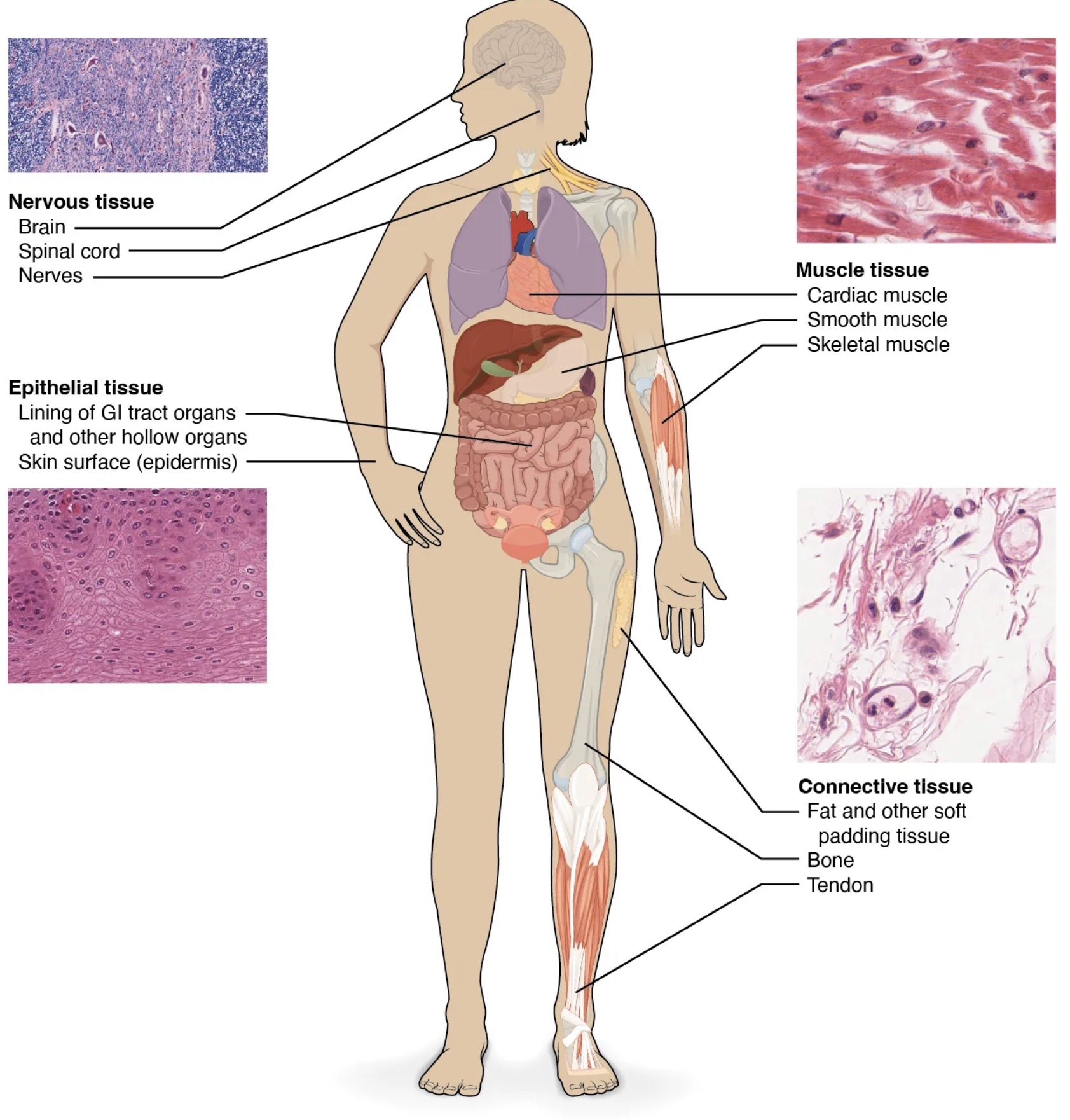
• Epithelial tissue, also known as epithelium, refers to sheets of cells that cover exterior surfaces of the body, line internal cavities and passageways, and form certain glands.
• Connective tissue binds the cells and organs of the body together and functions in the protection, support, and integration of all parts of the body.
• Muscle tissue is excitable, responding to stimulation and contracting to provide movement, and occurs as three major types: skeletal (voluntary) muscle, smooth muscle, and cardiac muscle in the heart.
• Nervous tissue is also excitable, allowing the propagation of electrochemical signals in the form of nerve impulses that communicate between different regions of the body.
Embryonic Origin of Tissues
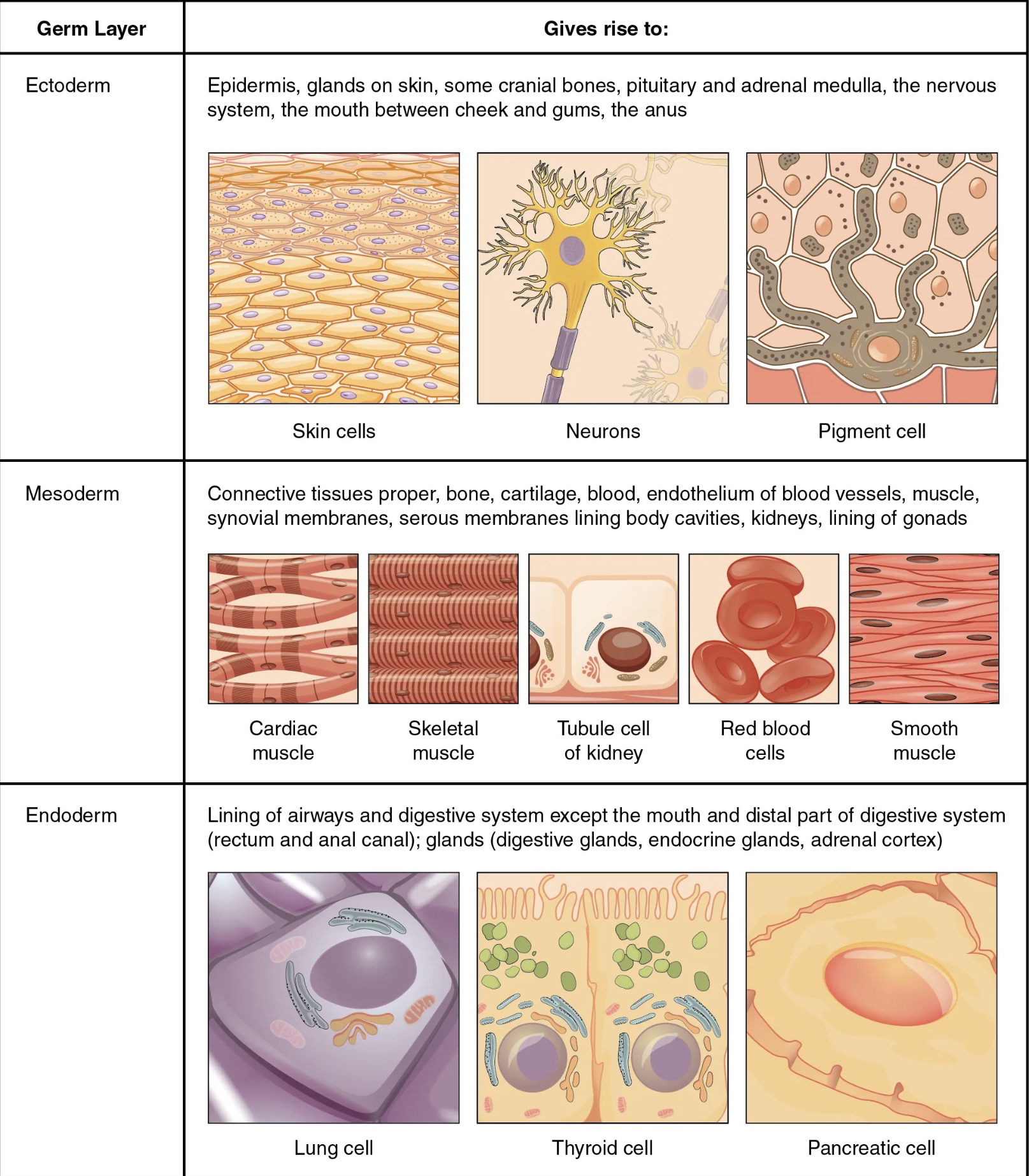
First embryonic cells generated have the ability to differentiate into any type of cell in the body and, as such, are called totipotent, meaning each has the capacity to divide, differentiate, and develop into a new organism. As cell proliferation progresses, three major cell lineages are established within the embryo. As explained in a later chapter, each of these lineages of embryonic cells forms the distinct germ layers from which all the tissues and organs of the human body eventually form. Each germ layer is identified by its relative position: ectoderm (ecto- = “outer”), mesoderm (meso- = “middle”), and endoderm (endo- = “inner”).
Note that epithelial tissue originates in all three layers, whereas nervous tissue derives primarily from the ectoderm and muscle tissue from mesoderm.
Tissue Membranes
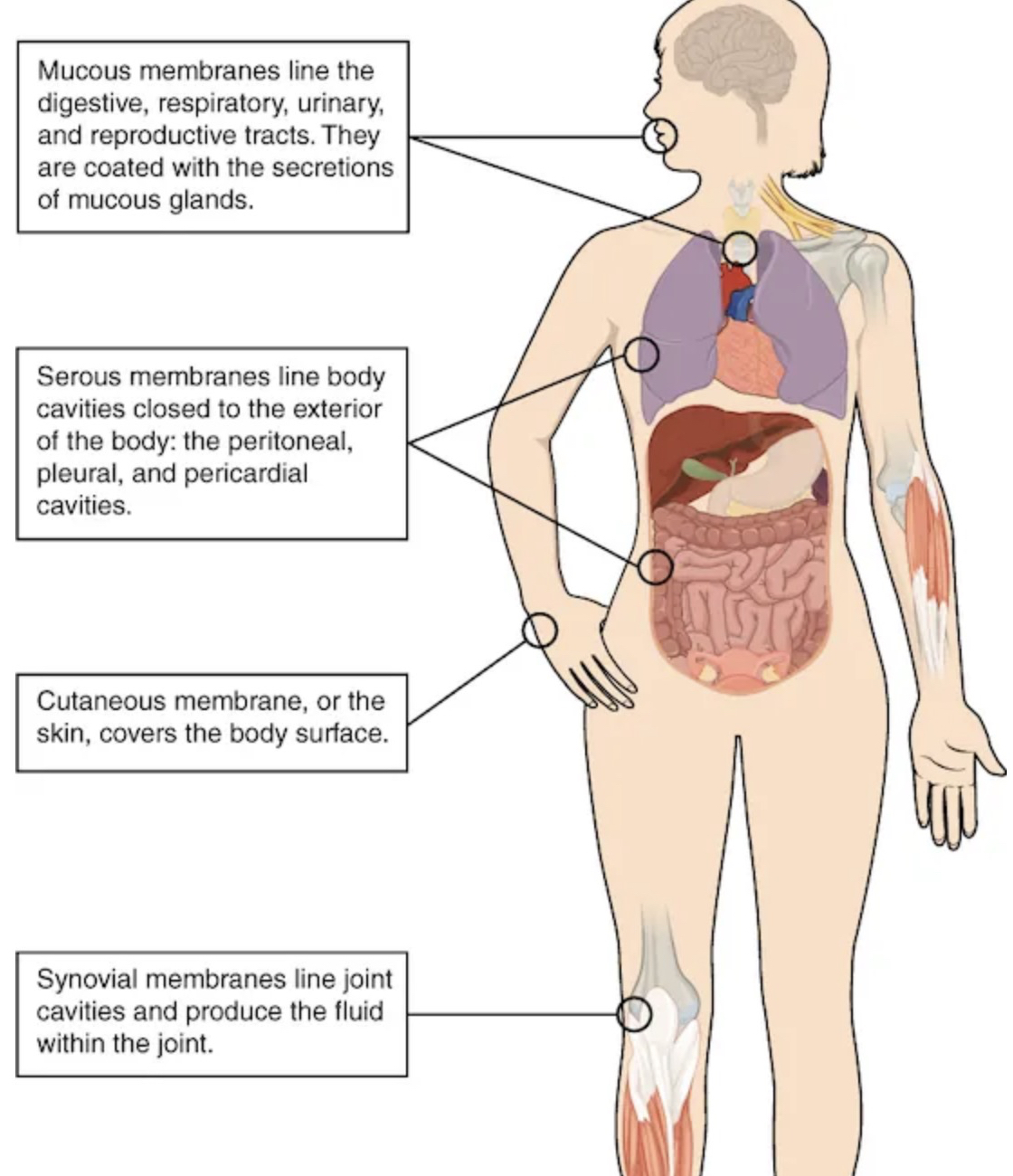
A tissue membrane is a thin layer or sheet of cells that covers the outside of the body (for example, skin), the organs (for example, pericardium), internal passageways that lead to the exterior of the body (for example, mucosa of stomach), and the lining of the moveable joint cavities.
There are two basic types of tissue membranes: connective tissue and epithelial membranes.
Connective Tissue Membranes
Definition: Made entirely of connective tissue.
Functions:
Encapsulate organs (e.g., kidneys).
Line freely movable joints.
Synovial Membranes
Line cavities of freely movable joints (e.g., shoulder, elbow, knee).
Inner layer fibroblasts release hyaluronan:
Traps water → forms synovial fluid.
Lubricates joints, reducing friction.
Synovial fluid exchanges water and nutrients with blood (like other body fluids).
Epithelial Membranes
Composed of epithelium + underlying connective tissue.
Examples include skin, mucous membranes, serous membranes.
Mucous Membranes (Mucosae)
Line cavities/passages that open to external environment:
Digestive, respiratory, excretory, reproductive tracts.
Epithelial exocrine glands secrete mucus.
Lamina propria: underlying connective tissue supporting the epithelial layer.
Serous Membranes
Made of:
Mesothelium (mesoderm-derived epithelium).
Supported by connective tissue.
Line closed coelomic cavities and cover internal organs.
Structure: thin membranous bags.
Inner layer: mesothelium.
Outer layer: connective tissue.
Secrete serous fluid to reduce friction between organs.
Types of Serous Membranes
Pleura: covers the lungs (2 membranes).
Pericardium: covers the heart.
Peritoneum: lines abdominal cavity and organs.
Forms mesenteries that suspend digestive organs.
Cutaneous Membrane (Skin)
Stratified squamous epithelium over connective tissue.
Apical surface:
Exposed to external environment.
Covered with dead, keratinized cells for protection against:
Desiccation (drying out)
Pathogens
Tight Junctions → Forms a leak-proof seal
→ found between cells lining the urinary tract and intestines.
Adhesion Junctions → Resemble a riveted joint.
→ found between skin cells
Gap Junctions → Have small holes connecting the cytoplasm of adjacent cells.
→ found between cardiac muscle
Epithelium
is a vascular
Has a nerve supply
Regularly undergoes mitosis
Has an apical space
Regulates movement of particles
Note : Shape and the number of layers influences function.
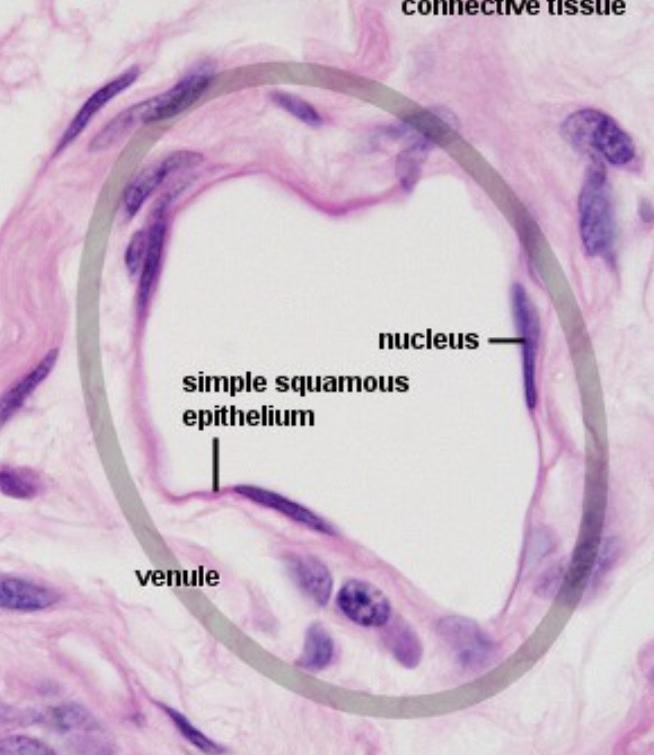
Simple Squamous Epithelium
→ Alveoli
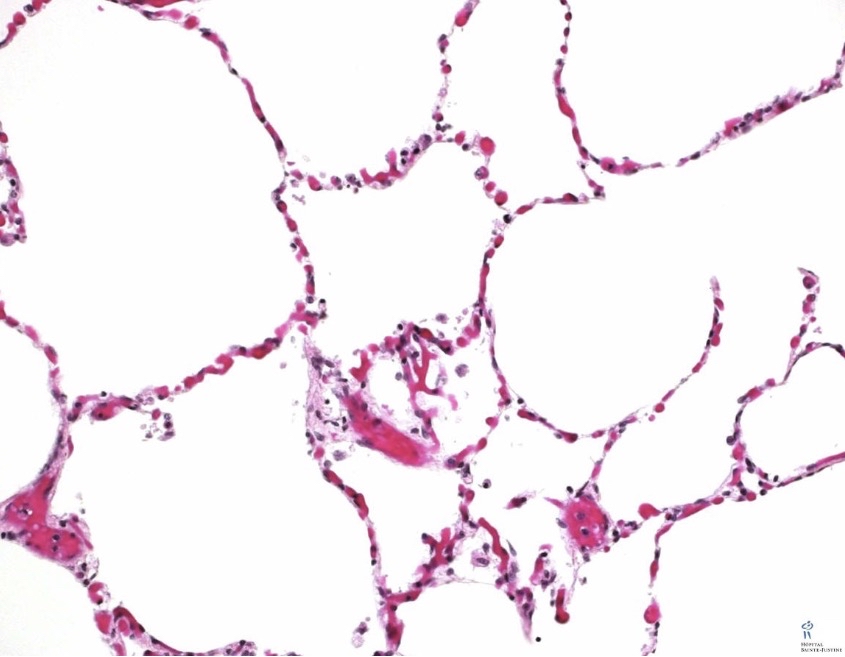
→ Blood vessels
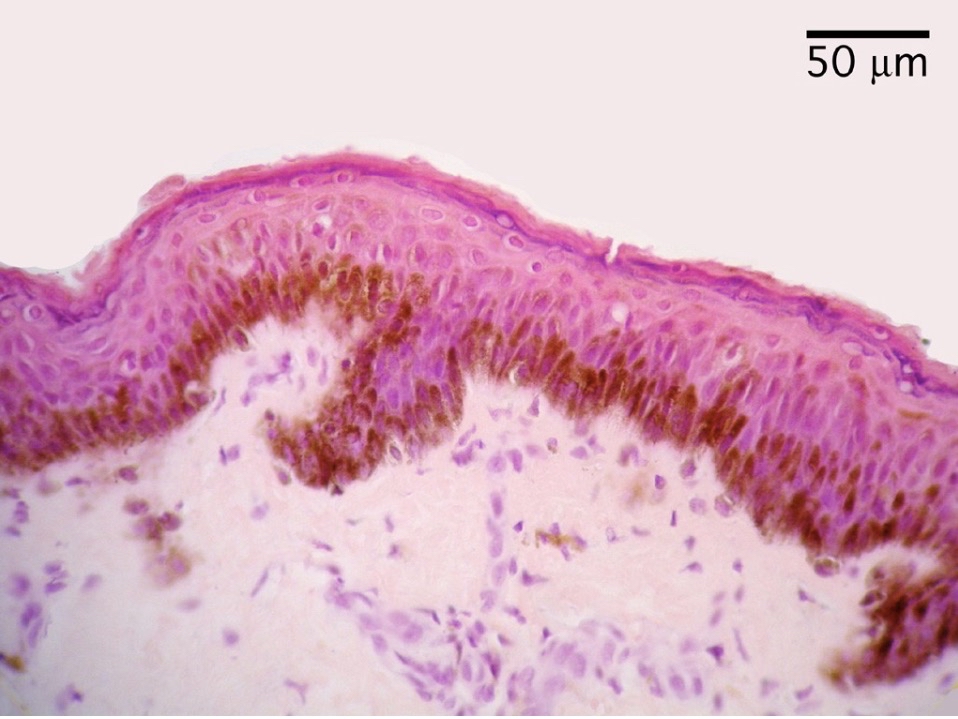
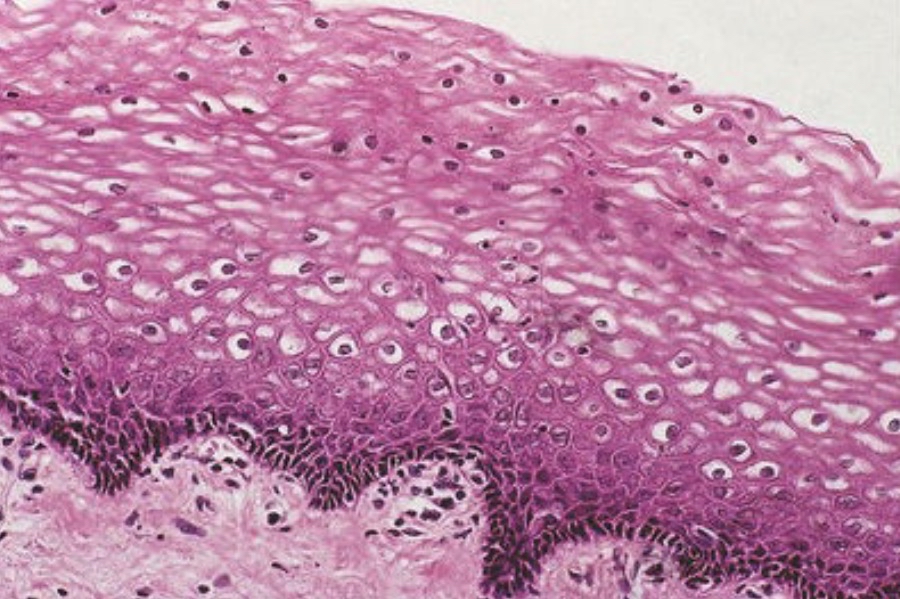
Stratified Squamous Epithelium
→ Integument
→ Vaginal Wall
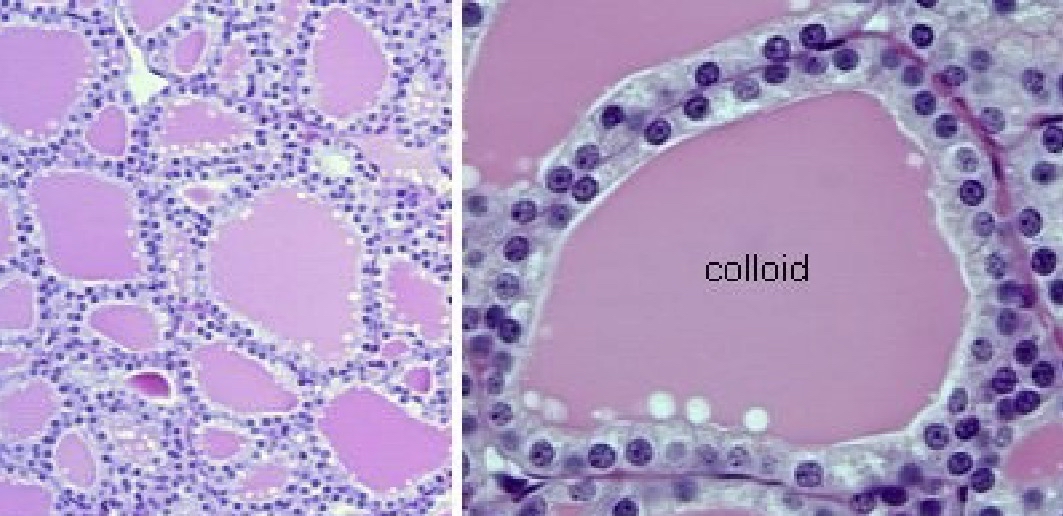
Simple Cuboidal Epithelium
→ Renal Tubule
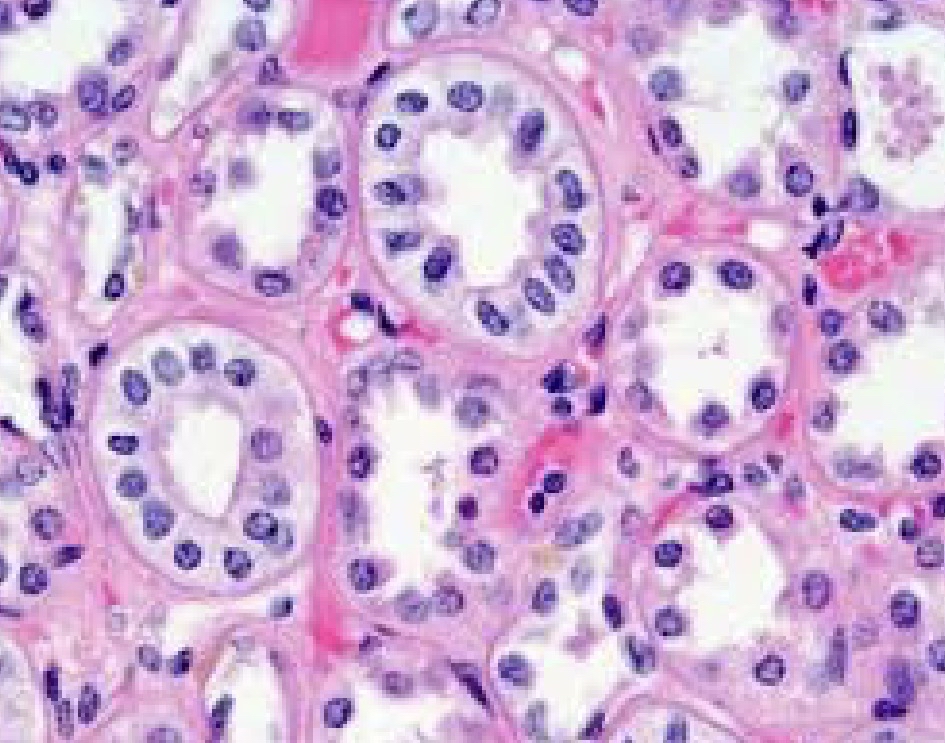
→ Thyroid Follicle
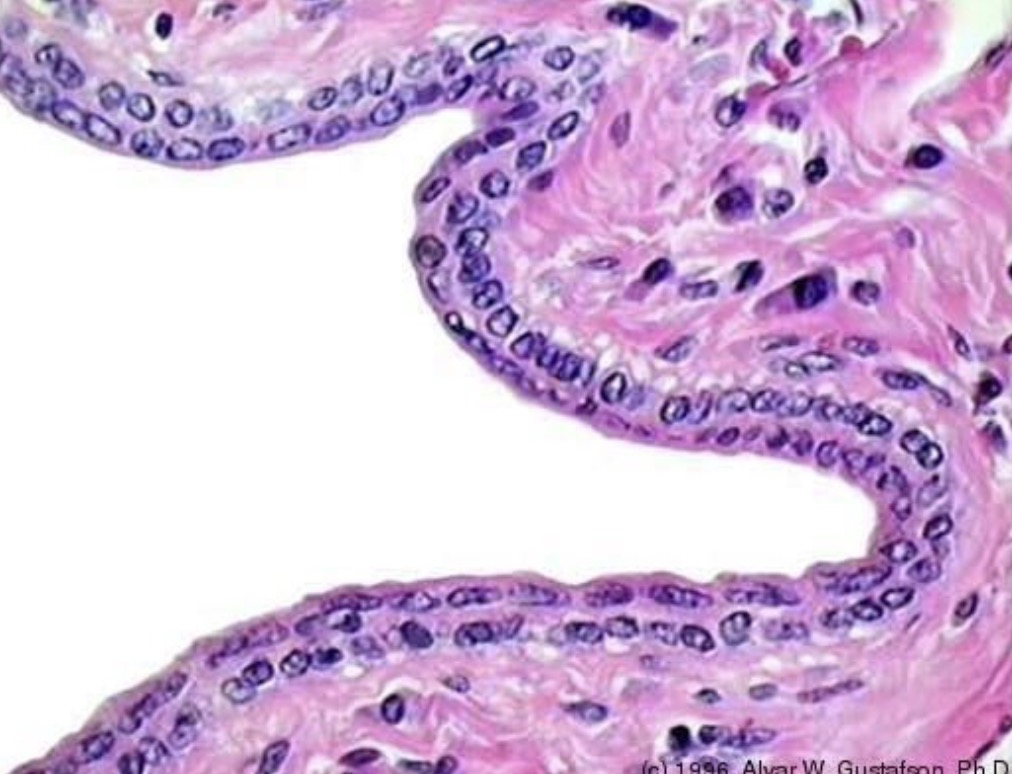
Stratified Cuboidal Epithelium
→ Ducts of sweat/mammary glands
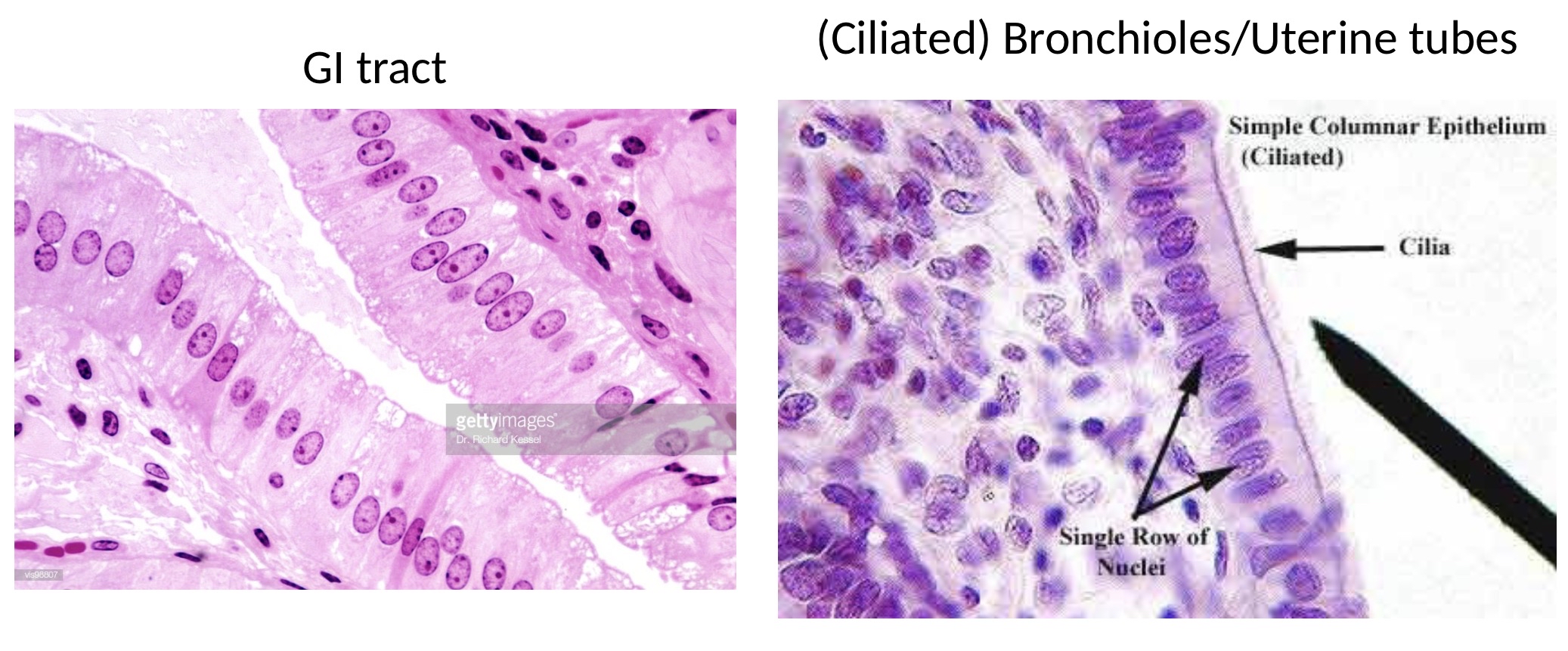
Simple Columnar Epithelium
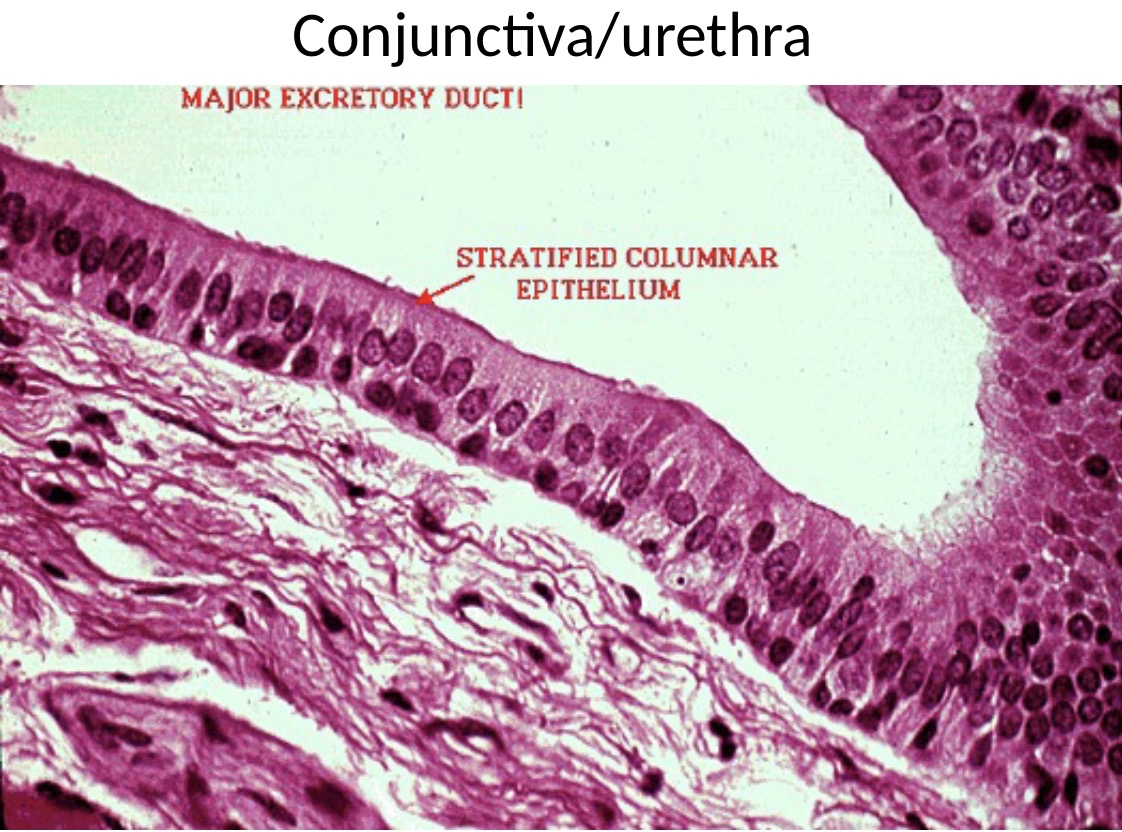
Stratified Columnar Epithelium
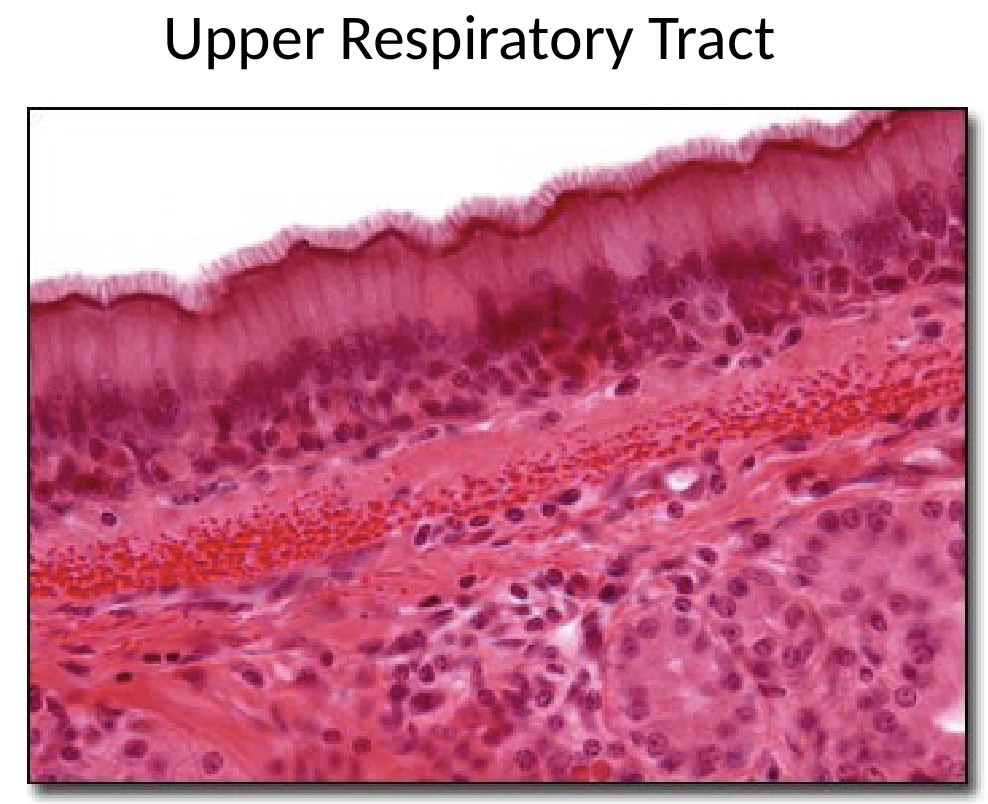
Pseudostratified Columnar Epithelium
Epithelium : membranes
Serous membrane lines the thoracic and abdominal cavities and the organs within them.
Synovial membranes line the cavities of freely movable joints.
Cutaneous membrane: skin, covers the outside of the body.
Mucous membrane: line passageways that open to the exterior of the body.
Connective Tissue
→ most abundant and widely distributed tissue
→ Two “ categories “ which connective tissue fits into:
Connective Tissue proper & Specialized Connective tissue
Areolar connective tissue
→ widely distributed; found under skin, around organs, between muscles.
Adipose ( fat ) tissue
→ found under skin, around kidneys and heart.’\
→ functions in energy and insulation; cushioning for organs.
Connective tissue proper: Dense connective tissue
Dense regular connective tissue
→ tendons and ligaments.
→ resists tensile force along its axis.
Dense Irregular connective tissue
→ Found under skin, periosteum, surrounding muscles.
→ resists tensile force from various directions.
Specialized Connective tissue: Cartilage
Hyaline Cartilage
→ lining articulated joints
→ Relatively flexible and weakest of cartilages
Fibrocartilage
→ Intervertebral discs, pubic symphyses
→ Film and rigid strongest of all the cartilages
Elastic Cartilage
→ Aurocle of ear, nose
→ flexible
Specialized Connective Tissue:
Bone ( Osseous )
→ very strong and layered
Blood
→liquid
→ Plasma and Formed elements
Connective Tissue
→ Cells are “housed” in an extracellular matrix
→ Extracellular matrix is made up of
→ protein fiber
→ collagen, elastic , and reticular fibers
→ Ground Substance
→ either (BONE), fluid (BLOOD), or gelatinous ( cartilage)
Muscular Tissue