Unit 2: Cell Structure and Function
Two Types of Cells:
Prokaryotic Cells | Both | Eukaryotic Cells |
No membrane-bound organelles (ex./ nucleus, rough/smooth endoplasmic reticulum, golgi apparatus) | Cell wall = protection, support, shape, turgidity. | Has membrane and non-membrane-bound organelles |
Cell wall from chitin | DNA = stores genetic information | Only plant cells have cell walls from cellulose |
Single, circular, free DNA | Ribosomes = makes proteins | Linear, in nucleus DNA |
Smaller ribosomes | Larger ribosomes |
Organelle Functions:
Organelle | Structure | Function | Image |
|---|---|---|---|
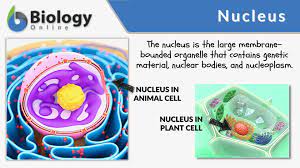
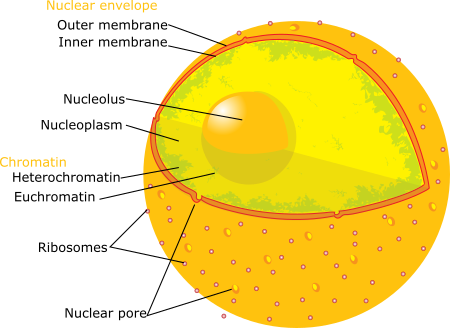
Nucleus | “Brain” of the cell that holds DNA in chromosomes |
| |
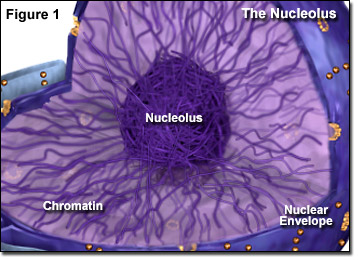
Nucleolus | Creates ribosomal RNA (rRNA) |
| |
Nuclear Membrane | Double membrane w/ pores allows material to enter/leave nucleus | Protects nucleus |
|
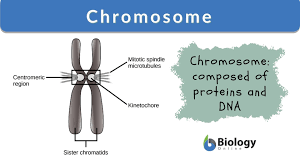
Chromosomes | Carries genetic information |
| |
Ribosome | In all cells (even prokaryotes) indicating that we are all related -Ribosomal RNA (rRNA) + protein | Creates proteins |
|
Smooth Endoplasmic Reticulum | No ribosomes | Synthesizes (makes) lipids, detoxifies the cell, and metabolizes carbohydrates |
|
Rough Endoplasmic Reticulum | Bound ribosomes= attached Free ribosomes = in cytoplasm | Makes proteins and transport them to the golgi via vesicles → Proteins become enzymes to help stomach or lysosomes, or become part of the membrane |
|
Golgi Apparatus | Has transport vesicles Cis face = receives vesicles Trans face = ships | Modifies, sorts, packs, and ships proteins to where they need to go (exocytosis) |
|
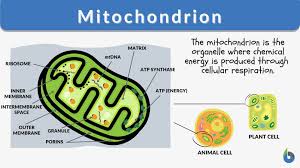
Mitochondria | Double membrane: one smooth, one folded (cristae) | Powerhouse = makes energy as ATP |
|
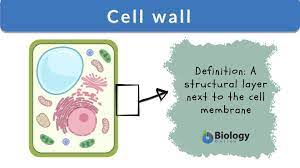
Cell Wall | Tight Junctions = allows movement between cells | Protects plant cells from water pressure (turgor) |
|
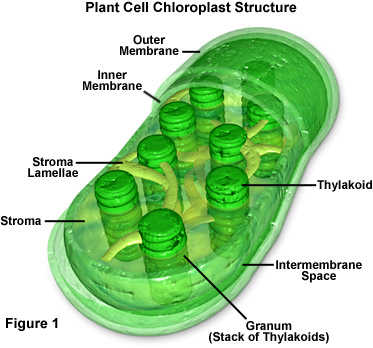
Chloroplast | Double membrane Thylakoids (flattened sacs) Granum (stacks of thylakoids) Stroma (fluid inside) | Photosynthesis = creates sugar (chemical energy) from solar energy (light) and uses it to create energy |
|
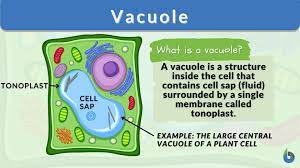
Vacuole | Storage of waste/water/food, water control |
| |
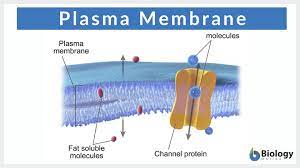
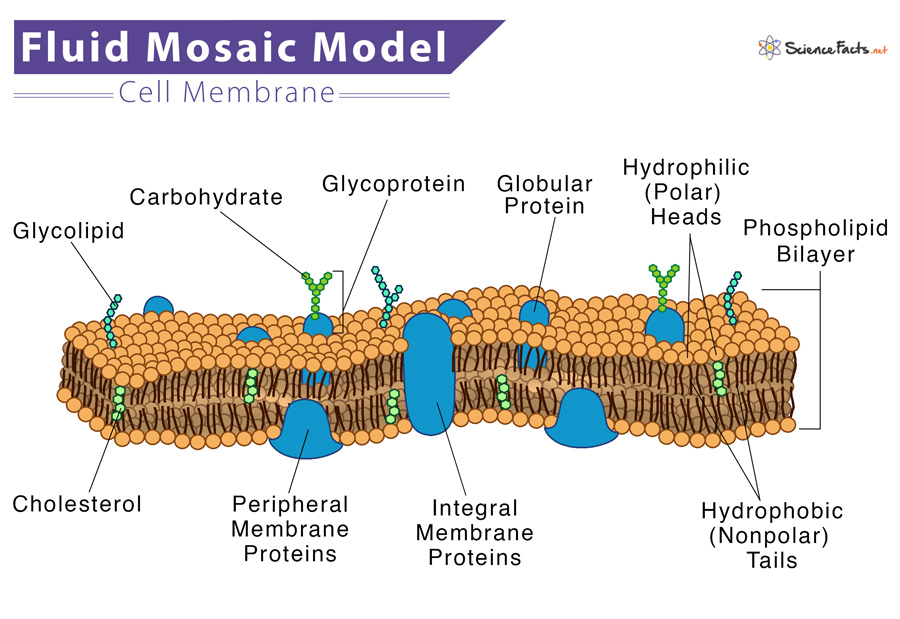
Plasma Membrane | Phospholipid Bilayer = 1 hydrophobic + 1 hydrophilic x 2 layers Semi-permeable = “choosy” on what passes through | Protects cell and controls what goes in/out |
|
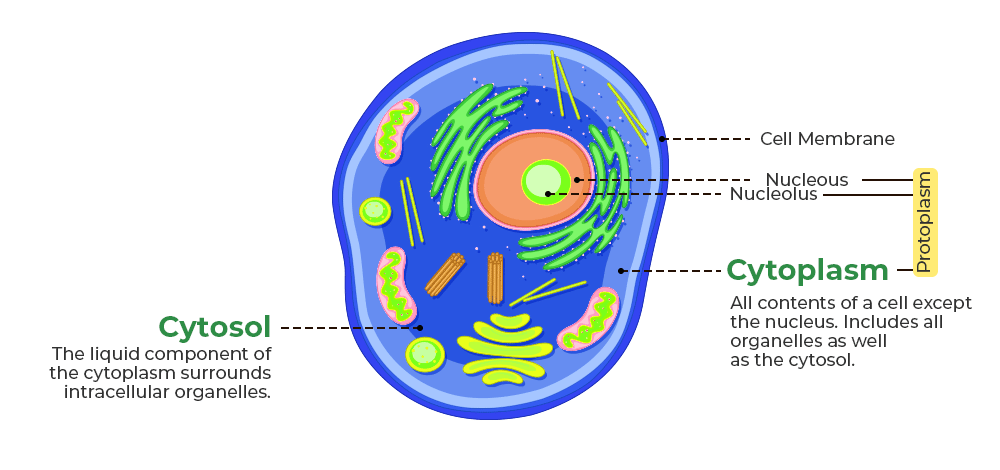
Cytoplasm | Microtubules Microfilaments Intermediate Filaments | Area inside the cell that surrounds the other organelles |
|
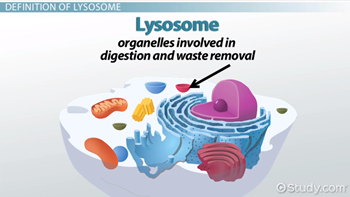
Lysosomes/Peroxisomes | Has hydrolytic enzymes (conduct hydrolysis) | Cleans the cell and breaks down molecules for usage or recycle Apoptosis = programmed cell death |
|
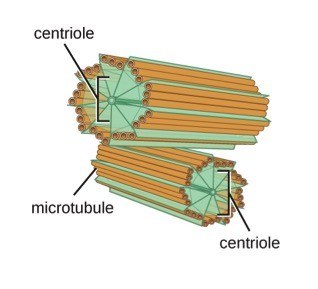
Centrioles | Helps cell split during cell division |
|
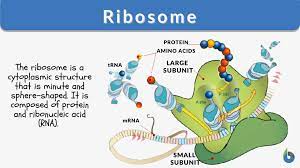
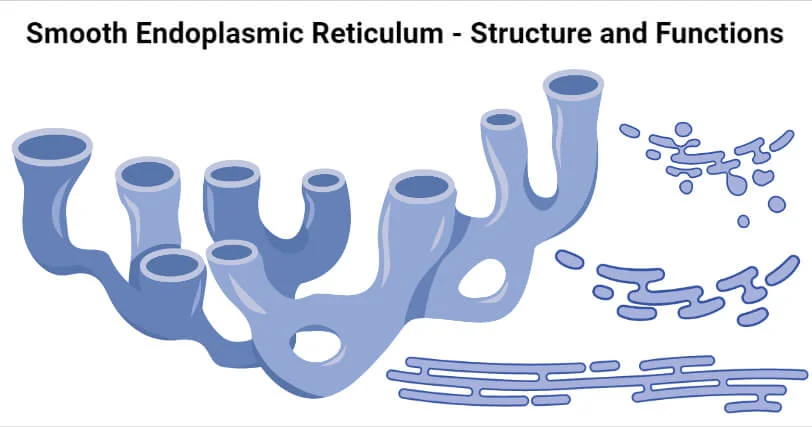
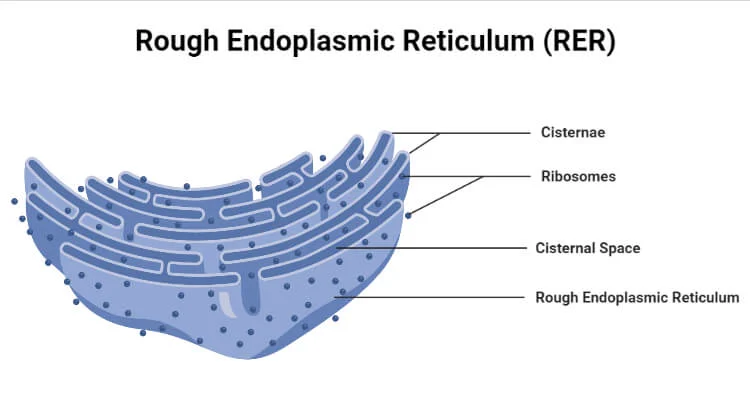
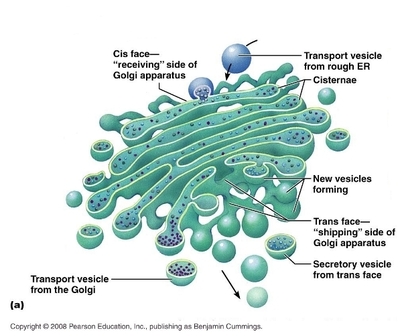
Membrane bound organelles help metabolism by isolating reactions.
Endosymbiotic Theory:
Endosymbiotic Theory | Prokaryotic cell engulfed others. |
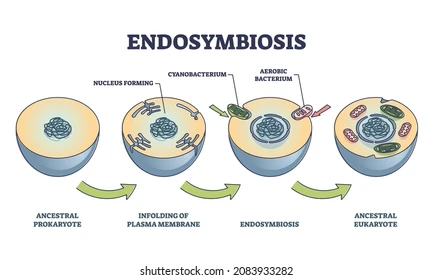 Evidence:
Mitochondria and chloroplast have their own double membrane and DNA
All cells have ribosomes
Surface Area to Volume Ratio:
Large SA/V = better exchange of nutrients and waste with the environment = small cell
Smaller SA/V = worse exchange = bigger cell
**Mitochondria has lots of SA to do exchange and create ATP.
Plasma (cell) Membrane:
Fluid Mosaic Model:
Transport:
Down Concentration Gradient = high → low; natural; no ATP needed
Up Concentration Gradient = low →high; ATP needed
Active Transport | Passive Transport |
Up concentration gradient (to more crowded) | Down concentration gradient (to less crowded) |
|---|---|
Needs ATP | No ATP needed |
Needs channel or carrier proteins | Can use channel or carrier proteins, but not necessary (facilitated diffusion) |
Without ATP, molecules cannot move up the concentration gradient at all | Without proteins, molecules going down the concentration gradient can still move but slowly |
Endocytosis and exocytosis | Small molecules (O2, CO2) move through simple diffusion |
Osmosis:
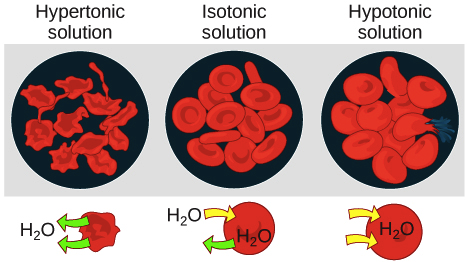
Hypertonic = more solute, less H2O outside
Isotonic = same
Hypertonic = less solute, more H2O outside