VCO-AROMA-LINIMENTS
VIRGIN COCONUT OIL
Botanical origin: Cocos nucifera L.(Arecaeae)
has a distinct aroma and taste of a coconut.
is unspoiled and unaltered coconut oil
NOT been produced from copra; or commercially refined, bleached, or deodorized
Lauric acid (53.70% - 54.06%)
Stearic acid (2.65% - 12.10%)
VCO is generated by mechanical or natural means from the fresh matured kernel of coconut.
three major forms:
Virgin Coconut Oil (VCO)
Refined Coconut Oil (RCO)
Copra Oil (CO)
production can be carried out with or without the use of heat, and chemical refining is not required.
wet process is used to produce VCO
this process involves no heating process
well known techniques in production of VCO: fermentation using a microorganism starter.
several wet processes developed to produce VCO:
fermentation
centrifugation
enzymatically extraction
microwave heating
LAURIC ACID
Medium-chain fatty acid
Metabolite: MONOLAURIN
in human bodies, LA is digested by lipase enzyme into monolaurin, a monoester composed of glycerol and lauric acid.
monolaurin and LA: main components responsible for the miracle antimicrobial properties of coconut oils.
USES:
Antiviral
Anti-protozoan properties
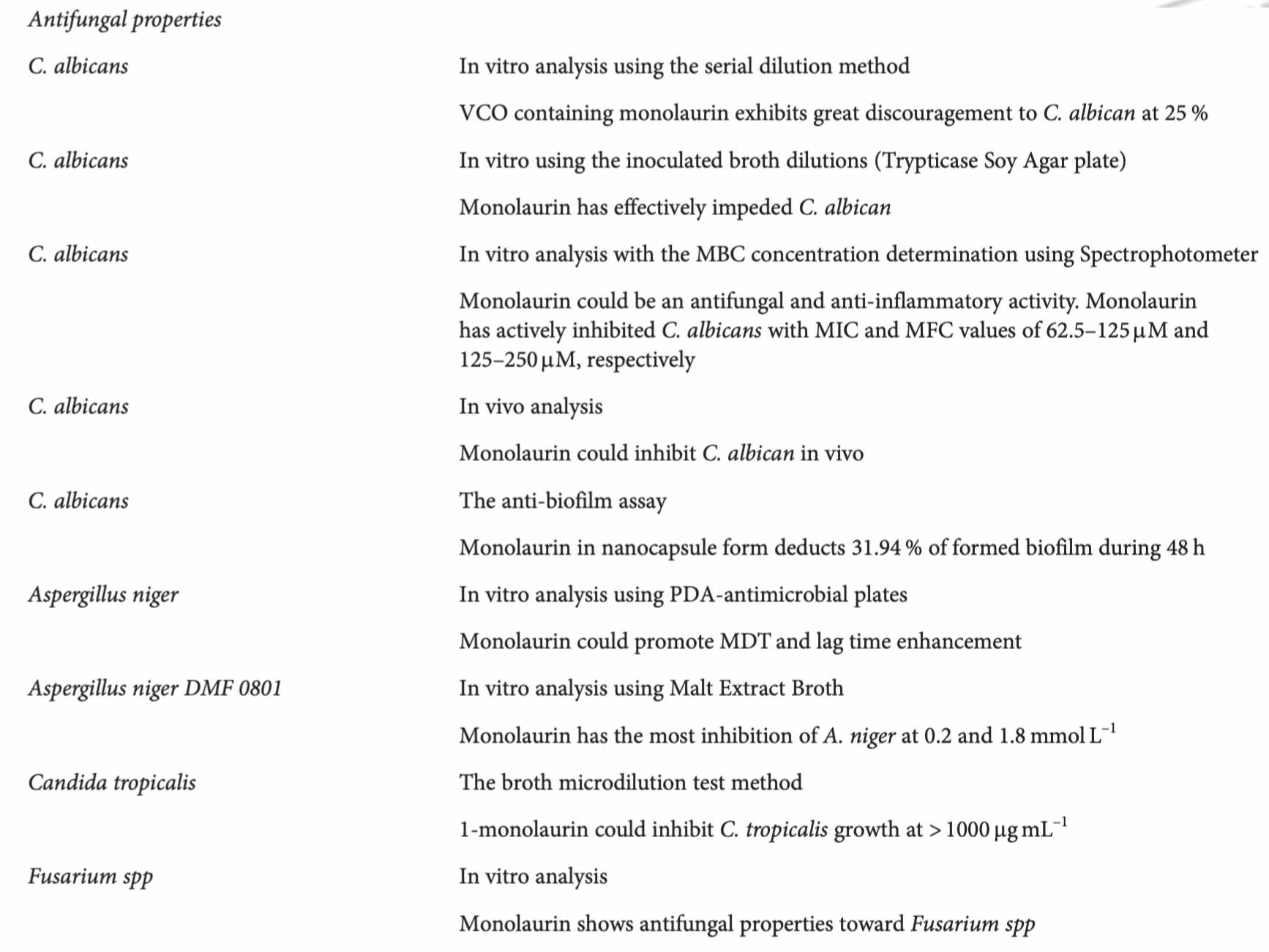
Antifungal properties
VCO OTHER USES
Promotes weight loss
Speeds up metabolism
Stimulated the production of hormones
Strengthen immune system
Improves insulin secretion
Skin moisturizer
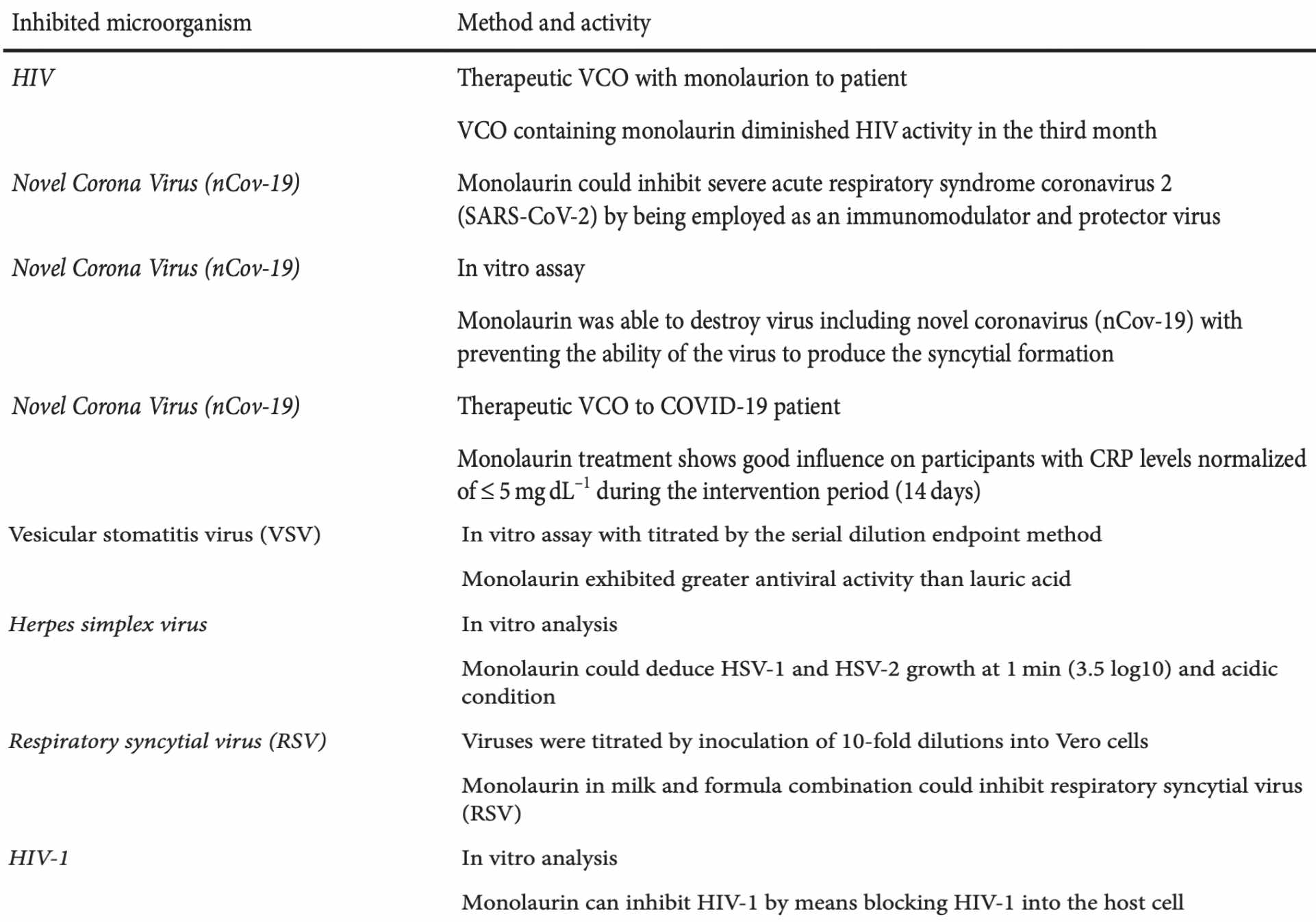
VCO as ANTIVIRAL
Disintegration of the virus membrane
Inhibits virus maturation
Prevents binding of viral proteins to the host cell membrane
VCO as ANTIFUNGAL
AROMETHERAPY and VOLATILE OILS
History of AROMATHERAPY
has been practiced for centuries, with contributions from Ancient Egypt, Greece, Rome, India, and China
Hippocrates
Classical Greece
helped spread knowledge about the beneficial effect of aromatic plants and herbs on health and wellness
René-Maurice Gattefossé
French Chemist
discovered the healing properties of lavender oil;
by applying it to a burn on his hand caused by an explosion in his laboratory.
then analyzed the chemical properties of essential oils and how they were used to;
treat burns
skin infections
gangrene
wounds ; in soldiers during World War I
1928, Gattefossé founded the science of aromatherapy
Jean Valnet
an army physician and surgeon
from 1948 , tried to prove the nature and uses of essential oils in scientific terms;
especially their therapeutic properties and value in everyday medicine.
1950s
these health care providers started using aromatherapy.
message therapists
beauticians
nurses
physiotherapists
doctors
other health care providers
1973 - Dr. Valnet
created the term antibiogramme;
to characterize a particular antibiogram
the result of a laboratory testing for the sensitivity of an isolated bacterial strain to different antibiotics
instead treated with classic antibiotics;
is treated with aromatic gases
Aromatherapy
one of the complementary therapies which use essential oils;
as the major therapeutic agents to treat several diseases.
Essential or Volatile Oils
extracted from; by various methods
flowers
barks
stem
leaves
roots
fruits
and other parts of the plant
came into existence after scientists deciphered the antiseptic and skin permeability properties of essential oils.
Inhalation, Local application, and baths
are major methods used in aromatherapy;
by utilizing these oils to penetrate the human skin surface with a marked aura.
Once in the system, they re-modulate and work a friendly manner at the site of malfunction or the affected area.
this therapy utilizes various permutations and combination to get relief from numerous ailments like:
depression
indigestion
headache
insomnia
muscular pain
respiratory problems
skin ailments
swollen joints
urine-associated complications; and etc.
uses EO that is primarily composed of terpenes
which blend with different organic compounds such as:
alcohols
hydrocarbons
esters
ketones
phenols
and their substituents.
sometimes incorporated into massage therapy for various conditions:
knee pain from osteoarthritis or pain
anxiety
and other symptoms in people with cancer
USES of AROMATHERAPY
To relieve pain, improve mood, and promote a sense of relaxation
essential oils to have been shown to relieve anxiety , stress, and depression.;
lavender
rose
orange
bergamot
lemon
sandalwood
and others
Other conditions for which aromatherapy may be helpful include:
Alopecia areata (hair loss)
Agitation, possibly including agitation related to dementia
Anxiety
Constipation (with abdominal massage using aromatherapy)
Dementia
Insomnia
Pain
studies found that people with rheumatoid arthritis (RA), cancer (using topical chamomile), and headaches (using topical peppermint) require fewer pain medication when they use aromatherapy.
Itching is a common side effect for those receiving dialysis
Wound healing
Herpes infections
Menopausal symptoms
Psoriasis
Aromatherapy in precaution
Pregnant women, people with severe asthma, and people with a history of
allergies should only use essential oils under the guidance of a trained
professional and with the full knowledge of their doctors.
Pregnant women and people with a history of seizures should avoid hyssop oil.
People with high blood pressure should avoid stimulating essential oils, such as rosemary and spike lavender.
People with estrogen-dependent tumors (such as breast or ovarian cancer)should not use oils with estrogen-like compounds such as fennel, aniseed, sage, and clary sage.
People receiving chemotherapy should talk to their doctors before trying
aromatherapy.
LINIMENT
are alcoholic or oleaginous solutions/emulsions of various medicinal substances intended to be rubbed on the skin.