Production and Growth
Public Policies Encouraging Economic Growth
Overview of Economic Growth Measures
Objective: Discuss various public policies that promote economic growth.
Emphasis on the importance of having definitions available online to understand referenced terms better during the lecture.
Encouraging Saving and Investment
Definition:
- Encouraging saving and investment means creating policies that incentivize individuals and businesses to either save money or invest their resources.Impact on Economic Growth:
- Short-term and Long-term Effects:
- Short-term: Reduction in current consumption as households and firms save more.
- Long-term: Increased resources available for investment, leading to economic growth.
- Keynesian Perspective:
- Critics argue that saving can hinder economic growth by reducing current spending, which is vital for demand in a Keynesian framework.Investment Defined:
- In macroeconomics, investment refers not to buying stocks or bonds but to purchasing capital goods such as machinery and equipment.Interdependence of Saving and Investment:
- Mechanism: Saving makes capital available for investment, allowing firms to borrow funds for new ventures.Diminishing Returns:
- Definition: Diminishing returns occur when increasing the quantity of capital yields progressively smaller increases in output.
- Example: Adding workers to a restaurant kitchen may eventually lead to workers getting in each other's way, reducing productivity gains.
- Illustration:
- As firms add more equipment, the benefits of each additional piece of equipment decrease.
Catch-Up Effect
Definition:
- The catch-up effect posits that countries with lower initial levels of income or capital can grow faster than those with higher levels.Example:
- If a wealthier individual (e.g., having $1,000,000) earns an additional $1,000, the percentage increase in wealth is minimal compared to a poorer individual (e.g., having $1), who doubles their wealth with the same amount.
Long-term Implications of Saving
Increased saving can improve income and productivity levels but may lead to slower growth rates over time.
Example of Growth Rates:
- Income might increase without sustaining higher percentage growth: initial growth of 20% could slow to 12% over time, despite higher income levels.
Encouraging Foreign Investment
Types of Foreign Investment:
- Foreign Direct Investment (FDI):
- Definition: Capital investment where a foreign entity owns and operates physical assets in another country, such as factories.
- Example: Toyota’s factory in Nashville, U.S., is owned by Toyota but employs local workers.
- Foreign Portfolio Investment (FPI):
- Definition: Investment financed by foreign money but owned and operated by domestic entities.
- Example: A Mexican citizen purchasing bonds from Ford, allowing Ford to use the funds but maintaining domestic management.
Encouraging Education
Policy Objective:
- Improve overall educational levels to boost future economic productivity and growth.Challenges in Least Developed Countries:
- Many families rely on child labor for agricultural work, preventing children from attending school.
- Solutions implemented include paying parents to send their children to school to break the cycle of poverty and lack of education.Human Capital Importance:
- Education is as crucial as physical capital (machinery, equipment) for promoting productivity and economic growth.
Additional Growth Policies
Encouragement of free trade to increase market accessibility and competition.
Promotion of research and development to foster innovation and enhance productivity.
Conclusion
Summary: Understanding which public policies can steer economic growth is vital.
Future topics will delve deeper into strategies and implications for public policy in fostering economic development.
Invite for continued engagement in future discussions to explore these policies further.
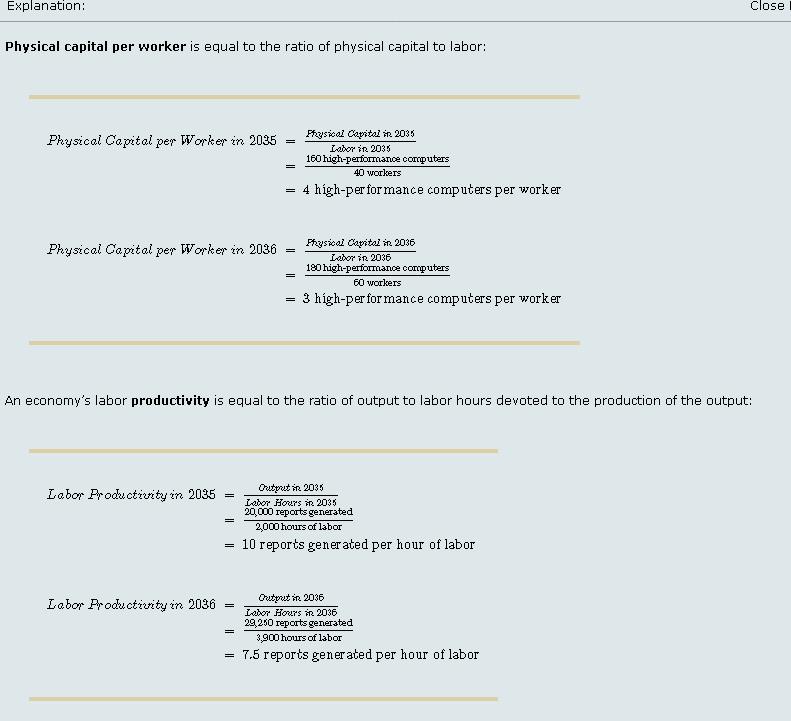
Higher capital per worker increases labor productivity. More tools enable workers to generate more output per hour, while fewer tools result in less output.