22- beaches and dunes B I O M E S : T H E S H O R E
GRADIENTS OR ECOCLINES
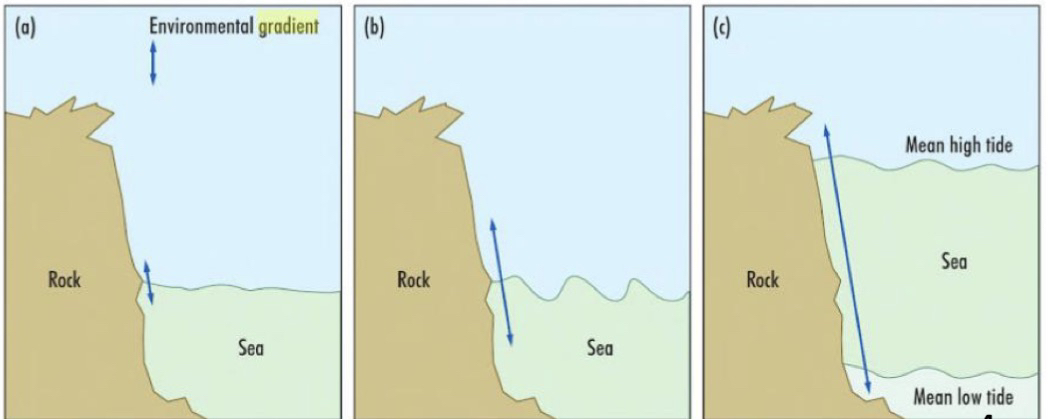
1. WETNESS/DRYNESS
2. EXPOSURE TO WAVE ACTION
3. SALINITY
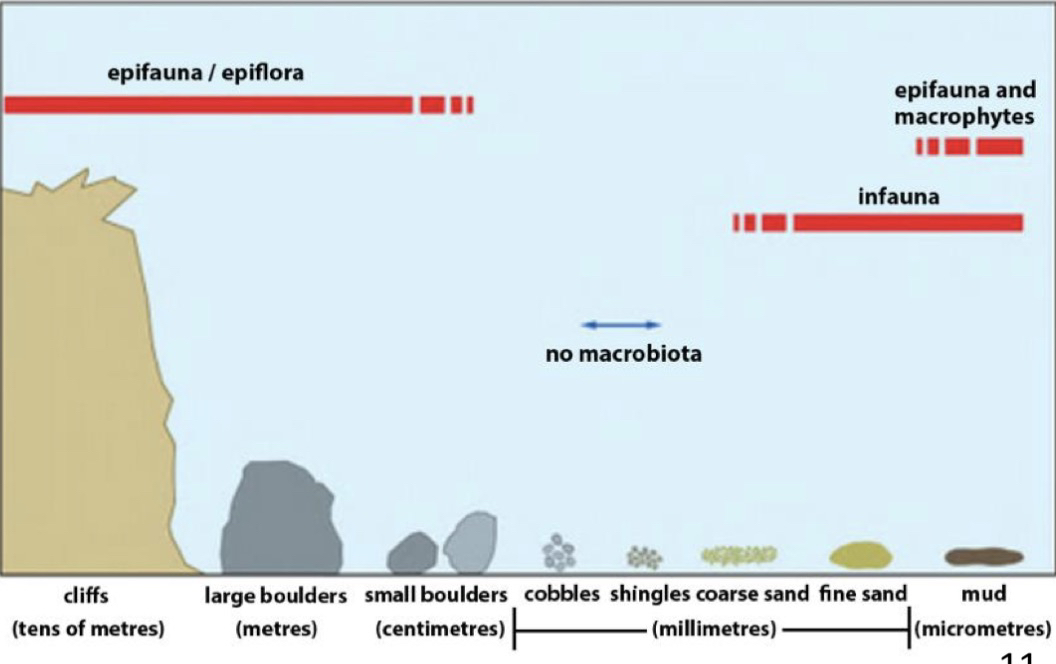
4. PARTICLE SIZE (NOT FOR ROCKY SHORES)
Ecocline:
“a gradual, continuous change in the species composition between two ecosystems or communities of organisms across an environmental gradient.”
1. WETNESS/DRYNESS
Air/water interface
Amplified by waves and tides.
All species rely on sea water for all/some vital functions.
How much they rely on it defines how far from the water they can live.
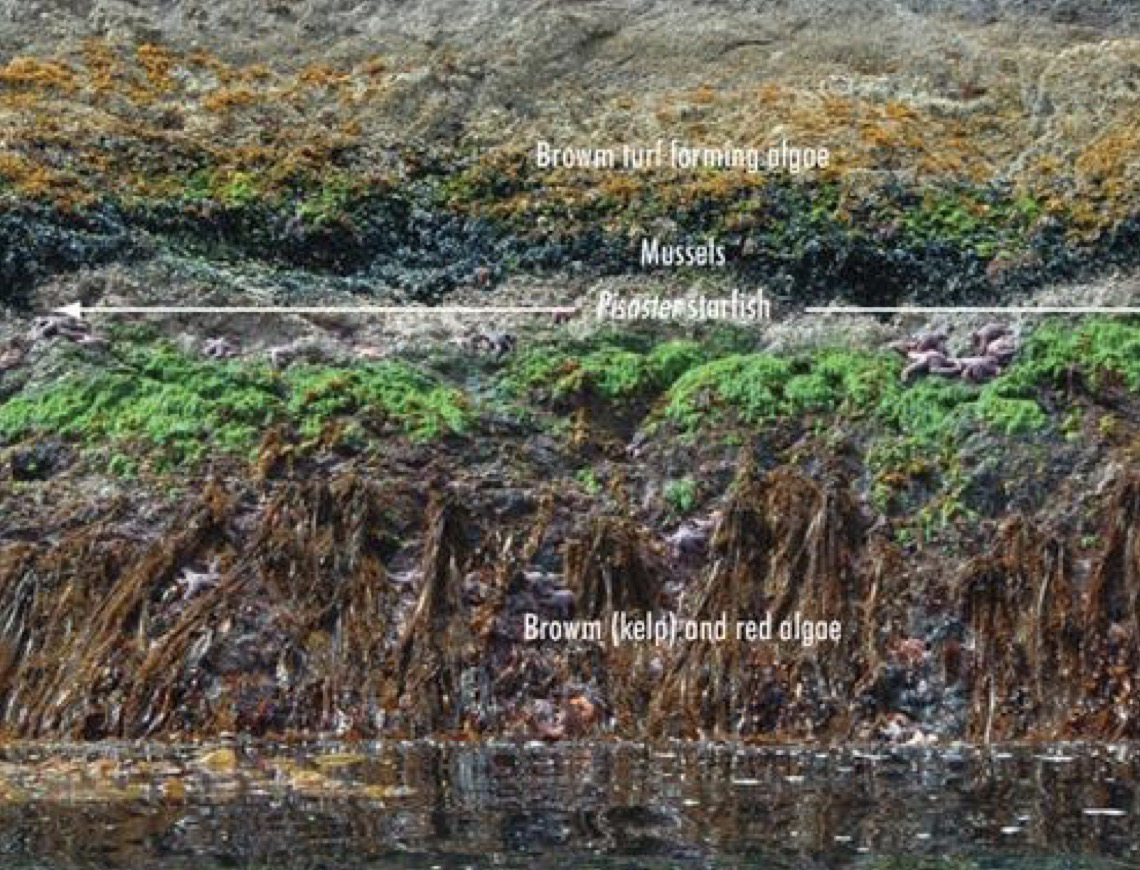
ZONATION
Organisms are distributed along the shore (vertically) following a pattern (zonation pattern) caused by several factors, especially wetness/dryness.
This is a universal pattern, repeated worldwide (although inevitably with lots of site-to-site variation worldwide).
2. EXPOSURE TO WAVE ACTION
• Waves determine both community structure, and shape/morphology of organisms.
• Usually an individual aims at minimizing dislodging action (and physical damage too!)
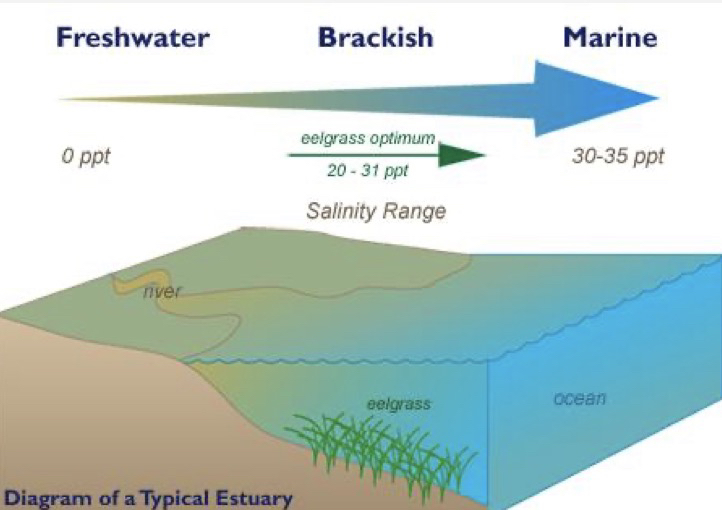
3. SALINITY
This gradient mainly concerns estuaries:
4. PARTICLE SIZE ( NOT ON ROC KY SHORES)
Many adaptations that distinguish sandy-beach animals from those of other marine habitats result from instability of the substratum coupled with heavy wave action.
There are no truly SESSILE (immobile: fixed in one place) animals on sandy shores.
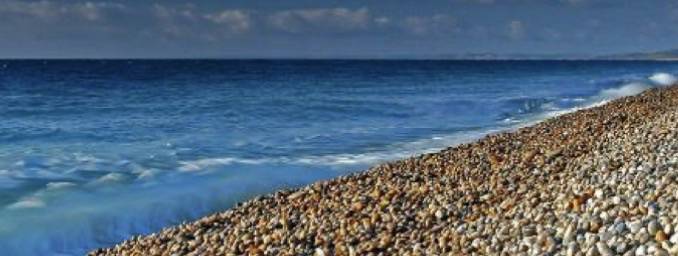
Larger size particles provide a stable surface for attachment:
-epifauna and flora dominate this habitat.
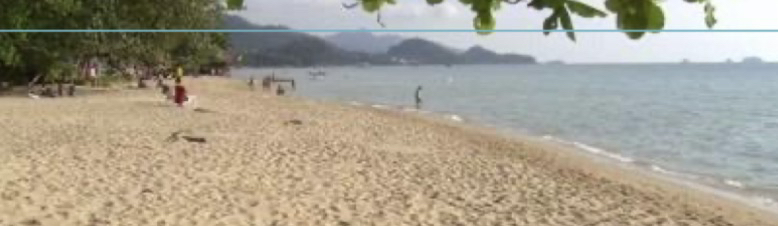
The substratum (very sandy)
is too unstable to allow surface attachments. We find infauna (individuals that burrow, i.e. clams) and meiofauna (organisms that live between and on particles).
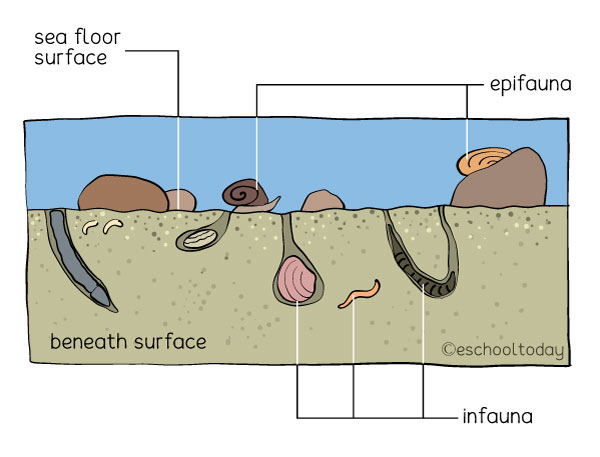
Epifauna and infauna are:
types of benthic organisms defined by their position on the seafloor
RESILIENT SANDY SHORES: THE PHYSICAL ENVIRONMENT
Contact between land and sea, and subject to major forces, such as:
1. Waves 2. Weather 3. Tides
-These forces influence what organisms can colonise such habitats.
Physiological and Ecological tolerance to each factor (gradient) will determine WHERE ALONG THE GRADIENT they can survive.
Sandy beaches constitute one of the most resilient types of dynamic coastline because of their ability to absorb wave energy.
This wave energy is expended in breaking waves and driving surf zone circulation, which carries sand offshore during storms and moves it back onshore during calms.
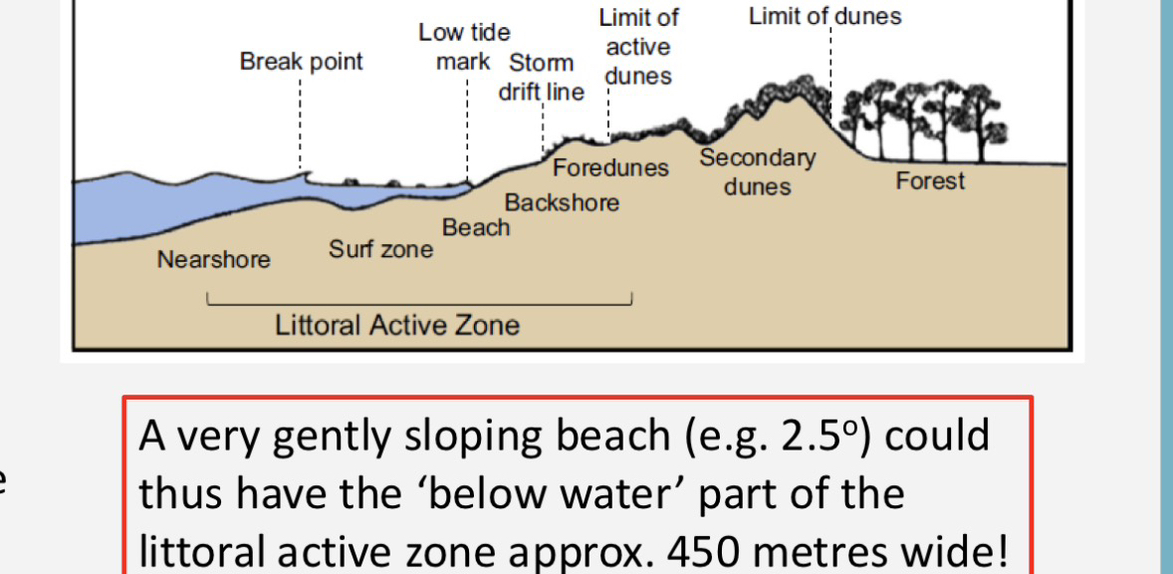
THE LITTORAL ACTIVE ZONE
Consists of two distinct ecological systems:
marine beach/surf zone ecosystem with marine biota & strongly influence of wave energy;
terrestrial dune system with terrestrial plants & animals & strong influence of wind energy.
Zone is characterized by wave- and wind-driven sand transport and lies between the outer limit of wave effects on seabed stability (usually 5 to 20 m depth) and landward limit of aeolian sand transport (i.e. landward edge of active dunes).
SEASHORE TERRAIN TYPES
Exposed cliff
Sheltered cliff
Boulder shore
Shingle beach
Sandy beach
Mangrove
Seagrass bed
PLANT COMMUNITIES: BEACH AND SURF ZONE
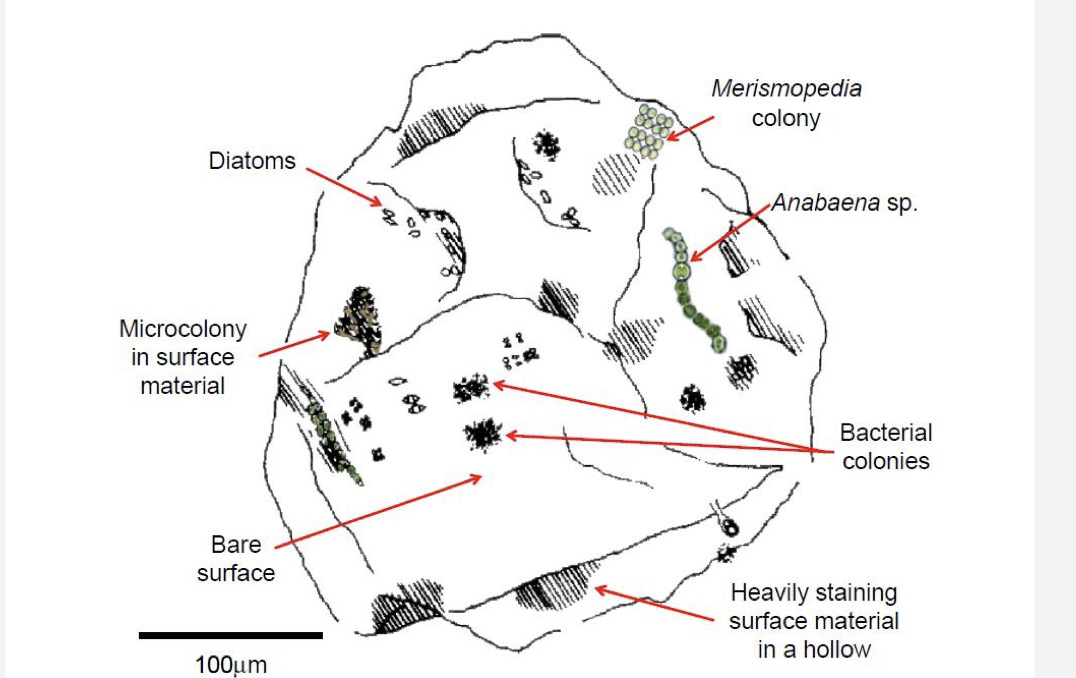
usually no macro-flora (because anchoring on/in sand is so difficult)
seagrasses
microalgae (diatoms)
cyanobacteria
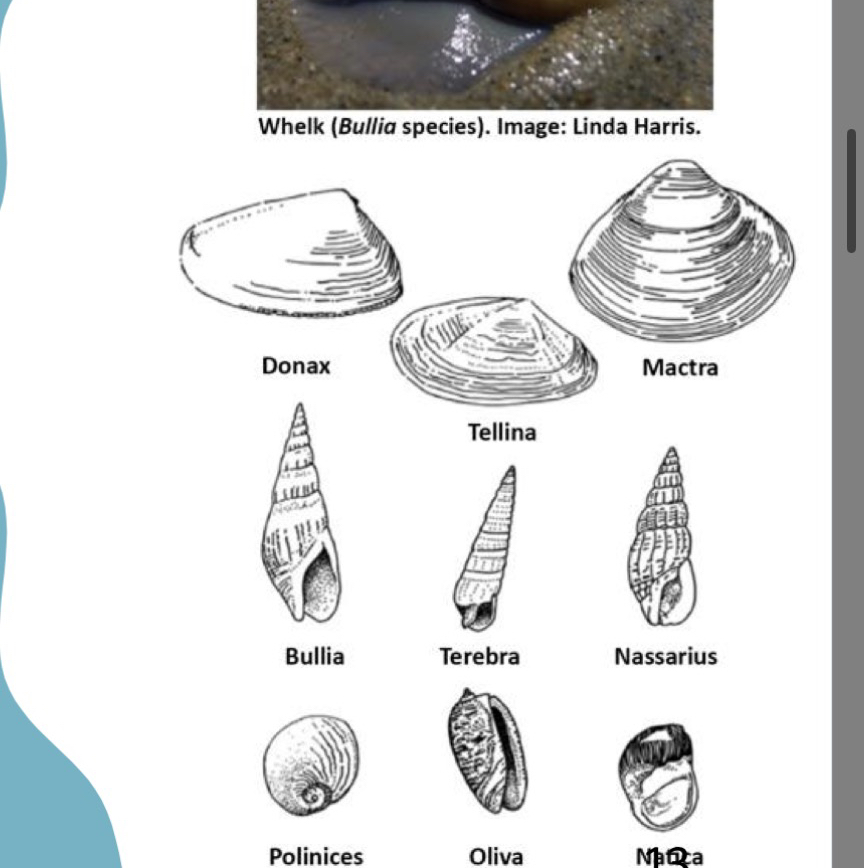
M O L L U S C S
P H Y L U M : M O L L U S C A ,
C L A S S : G A S T R O P O DA
—
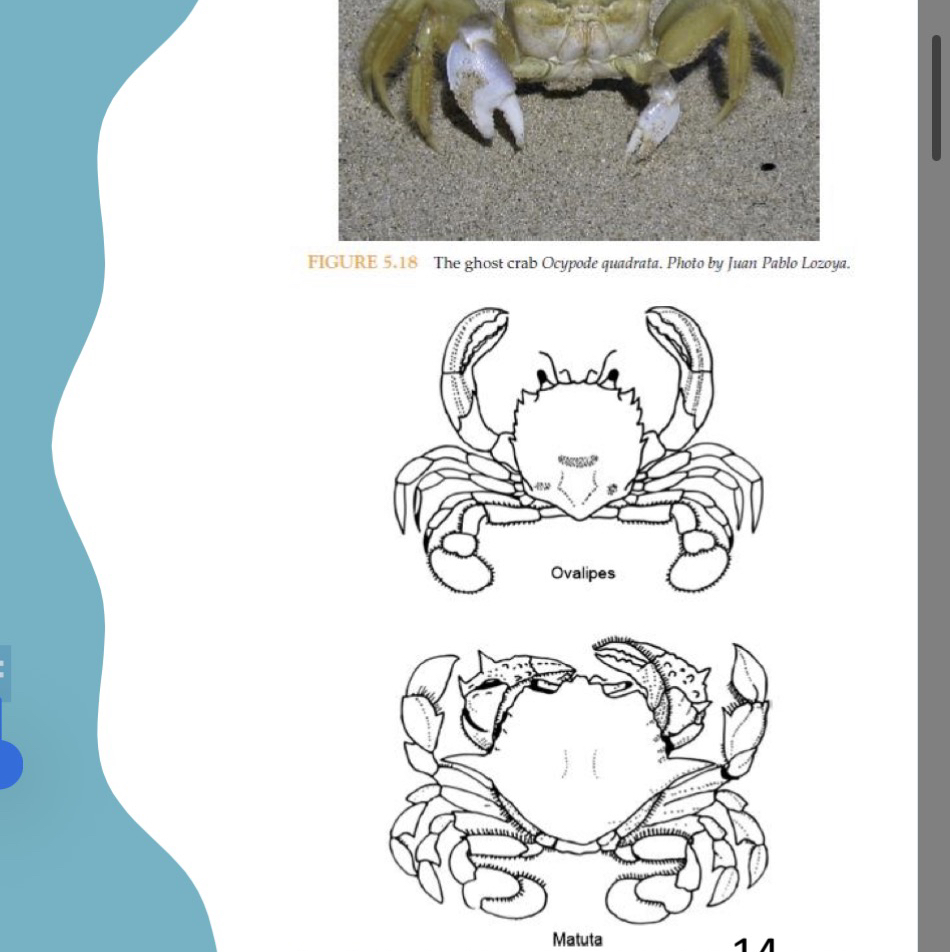
C R U S T A C E A N S
E . G . G H O S T C R A B S , T Y P I C A L O F
T H E T RO P I C S A N D S U B T R O P I C S
—
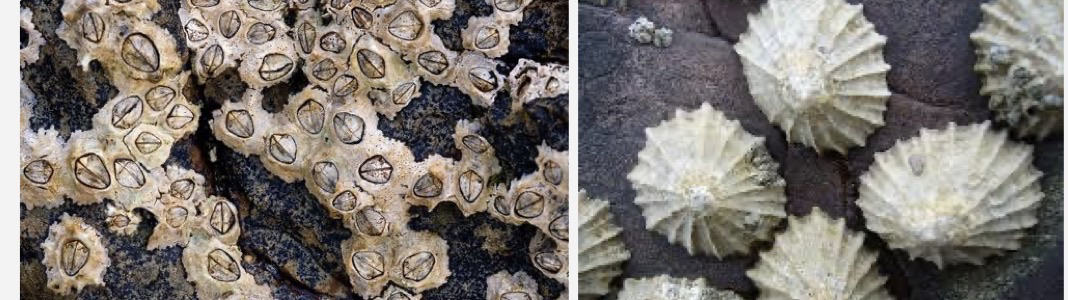
B A R N A C L E S
D A R W I N ’ S O B S E S S I O N
F O R 8 Y E A R S !
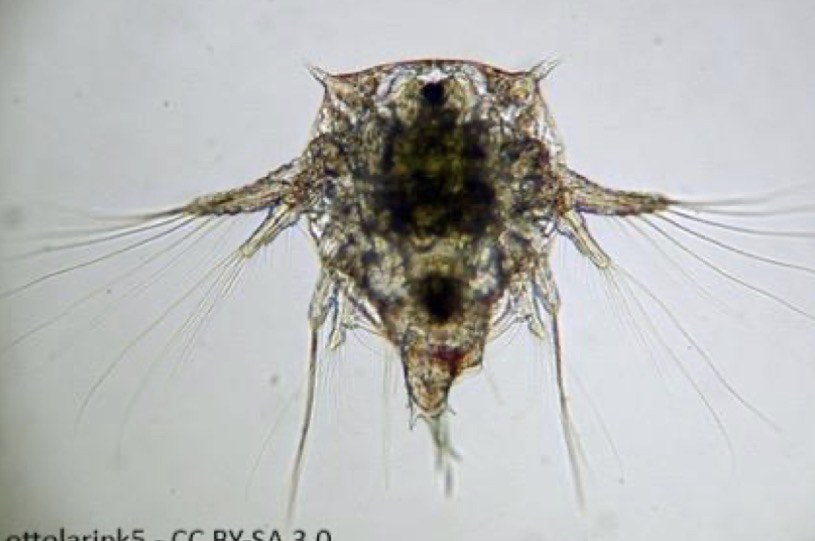
Approx 1000 species. Two distinctive larval stages:
-Nauplius:
one-eyed larva comprising a head and telson (final part of body)
no thorax or abdomen.
Undergoes 6 moults (5 instars) before transforming into:
Cyprid: does not feed:
role is to find suitable site to settle. Lasts from days to weeks. Assesses surfaces with modified antennules measuring texture, chemistry, wettability, colour, and composition /presence of surface biofilm. Attaches head-first using its antennules and a secreted glycoproteinous substance. Can settle on ships and whales, too.
Adults:
develop hard calcareous plates to surround and protect them.
Cemented to substrate, using feathery legs (cirri) to capture plankton.
Adults continue to grow by adding new material to heavily calcified plates. These plates are not moulted.
Like all ecdysozoans, the barnacle itself still moults its cuticle.
Most are hermaphrodites (can produce both sperm and egg), but genetic transfer still requires an extraordinarily long penis or release of sperm into the water.
They often compete for space with limpets (see left).
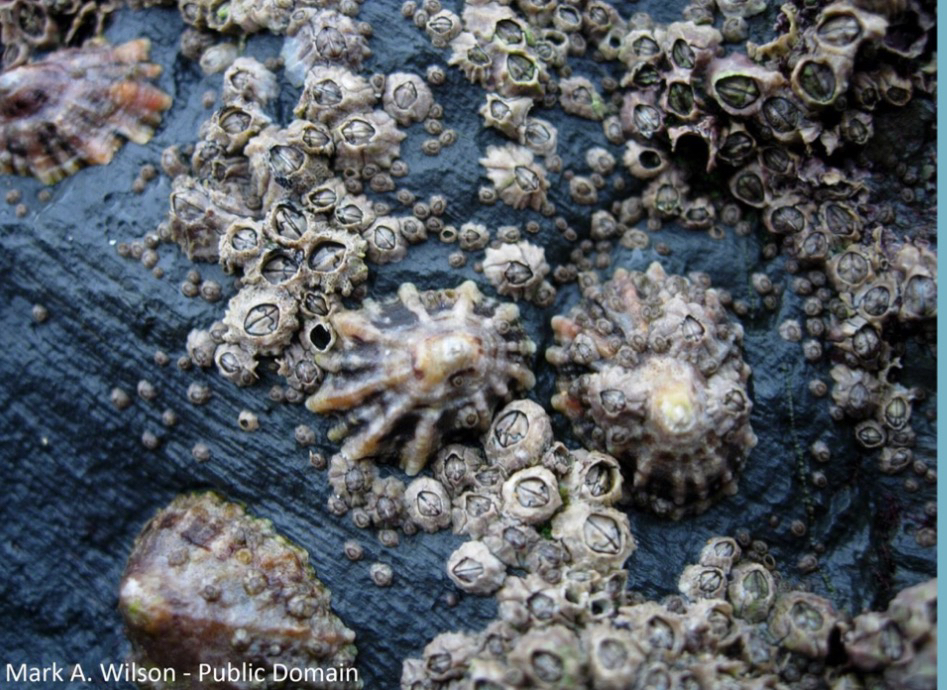
limpets are the big ones that look like shell
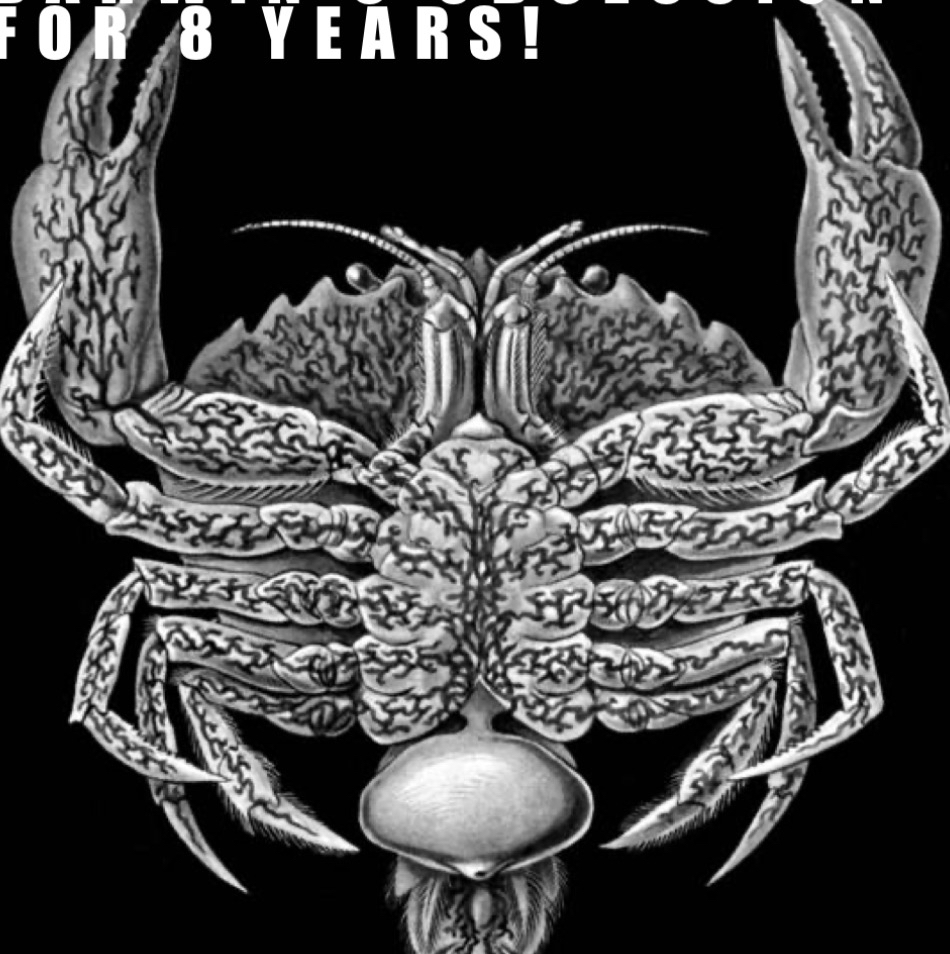
Male Rhizocephala (derived barnacles which parasitise crustaceans) inject themselves directly into the female, then degrade all but their sperm-production cells.
The cyprid of some Rhizocephala attach to crustaceans and inject a cell mass (a “vermigon”) into the host hemolymph.
The vermigon grows into root-like threads throughout the host, especially in the digestive system and hepatopancreas (an organ for absorption and storage of nutrients, and enzyme production) and thus absorbs nutrients from the hemolymph. Haeckel’s drawing shows this.
ADAPTING TO SANDY BEACH LIFE: BURROWING
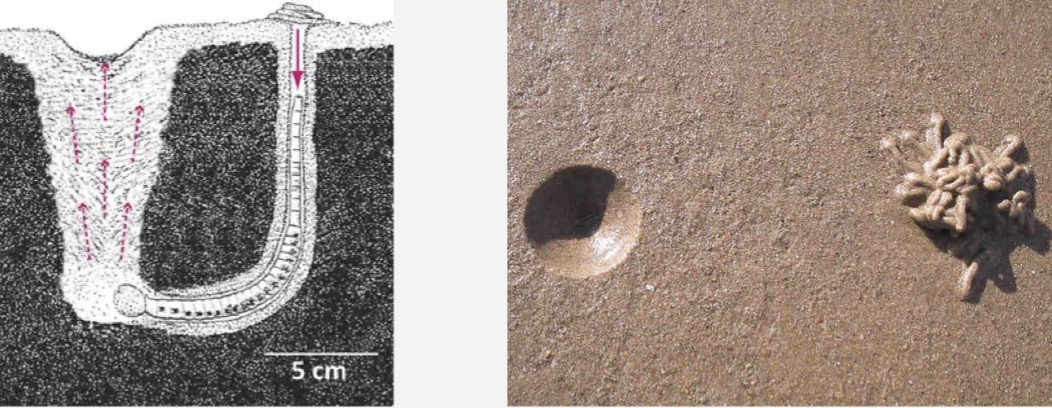
Burrowing behavior is displayed by animals inhabiting all types of soft substrata(soft sand) and on high-energy sandy beaches it must be rapid and powerful if the animal is not to be swept away by incoming waves and swash.
It may take about 20s for the polychaete worm Arenicola marina.
—
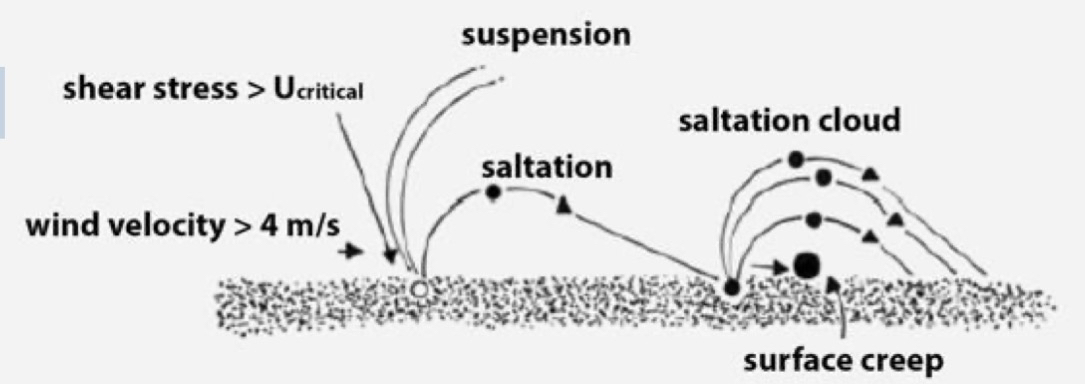
THREE TYPES OF SAND MOVEMENT:
SUSPENSION, SALTATION & SURFACE CREEP
Suspension
when an ejected grain rises into the air, it is moved forward by wind until it reaches the same velocity as the wind. Simultaneously it is acted upon by gravity and starts to lose height while being propelled forward by wind.
Saltation
as a saltating grain impacts the surface it starts a chain reaction: each grain causes the ejection of several other grains into the wind stream, thus accentuating the sand-moving process (the saltation cloud).
Surface creep
particles too large to be ejected are pushed along if enough saltating particles collide with them. The smallest particles are easiest to move so in a dune field the smallest particles are found farthest from the sea.
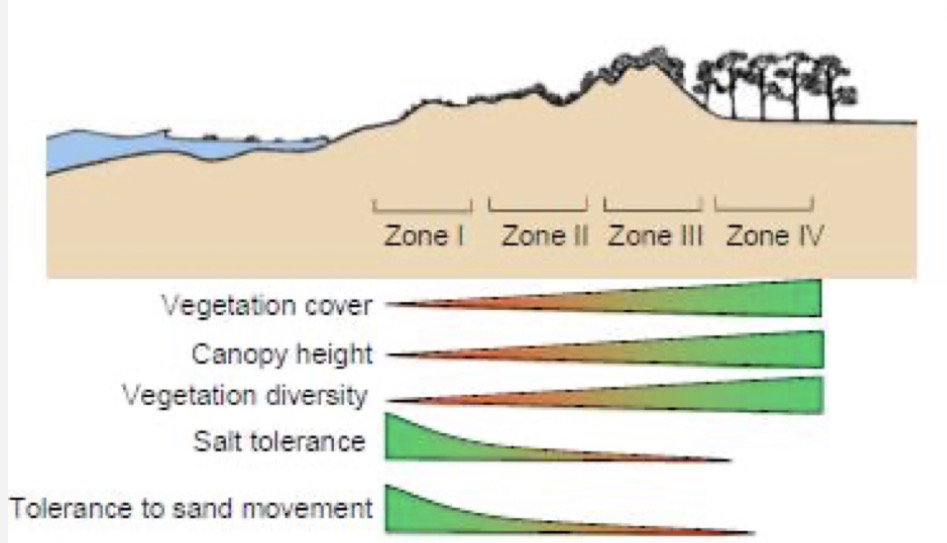
4 VEGETATION ZONES
Zone 1 – Pioneers
Zone 2 - Shrubs
Zone 3 - Thicket
Zone 4 - Forest
PLANT COMMUNITIES: STRAND (SHORE
NEAR SEA)
• Communities are different across the planet, depending on climate, rainfall, etc.
• A harsh environment for plants. A few species of annuals, biennials and perennials are able to establish and complete their life cycles in temperate regions.
• Traits needed: high phenotypic plasticity, good dispersal ability, high fecundity, short life cycle from germination to maturity, seed dormancy and larger seed mass.

PLANT COMMUNITIES: ABOVE SHORE
• Lower disturbance by waves and experiences high winds.
• Dune-forming species
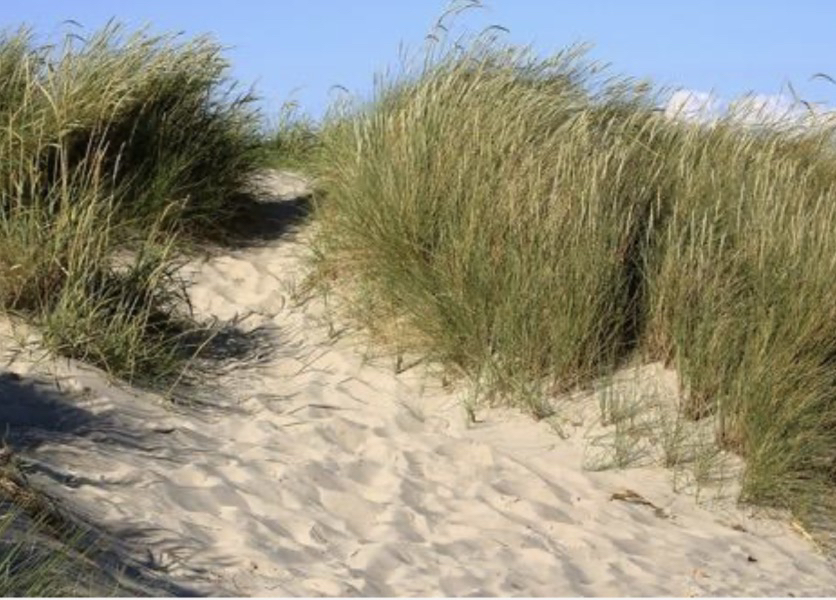
Example: European marram grass (very common indeed at Formby and on many other beaches).
Grows horizontally beneath the sand surface (i.e. has rhizomes).
Adaptations of marram grass include waxy cuticles, rolled leaves and rhizomes.
PROBLEMS FOR PLANTS
Sand is continuously deposited on plants, which have evolved to withstand burial.
They have evolved adaptations: burial stimulates their metabolism and hence growth rate. The plants can grow above the sand again.
These plant species require regular burial to maintain vigorous growth.
High salt concentrations and drying winds are two other problems that dune plants have to deal with.
PSAMMOSERE
This lovely word (☺) means a plant succession originating on sand, so dunes are one of the few habitats where this occurs.
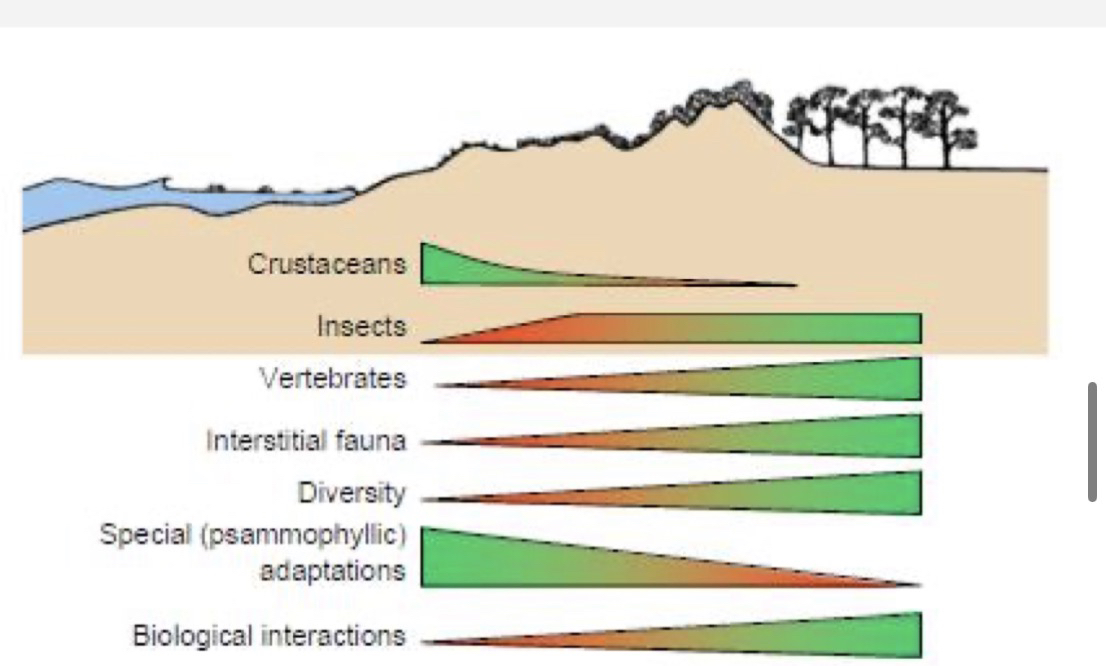
FAUNAL GRADIENT
Dune animals need to be tolerant of flying sand, heavy salt loads, and the absence of protective litter.
Adaptations to extremes of temperature or aridity appear to be less important.
Species associated with plants, rather than the sand surface, show few specializations and differ little from the fauna elsewhere.
AN EXAMPLE: SEFTON & FORMBY DUNES
• Sefton is one of 17 small strongholds of red squirrels in northern England.
The red squirrel used to be widespread in England, but the invasive grey squirrel, introduced in the 1870s has almost eradicated England’s reds, due to competition and greys spreading squirrel pox to the reds: a disease greys are largely immune to.
• The Formby dunes have changed position over time, and the following spectacular species are rare, but present: the sand lizard, northern dune tiger beetle (see bottom right) and dune helleborine
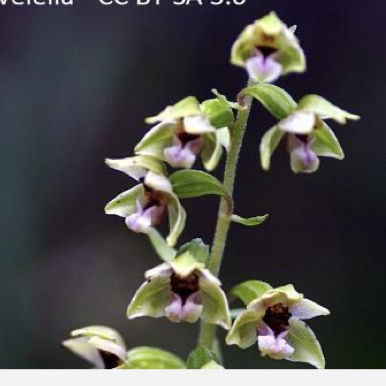
hellobrine ^^^
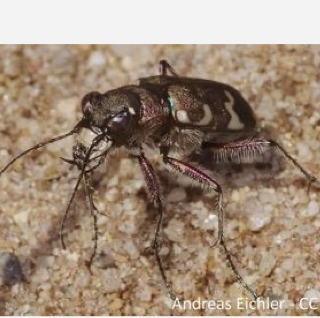
northern dune tiger beetle ^^^