Lesson W6L1 - BETA2 EST Revision_STUDENT - Copy
Revision for End-of-Semester Test (EST)
Date: T2 WK 7 (17 – 21 Feb)Time: TBAVenue: TBATest topics: All highlighted topics in the module schedule format: 10 Multiple Choice Questions (MCQ) + 4 Short Answer Questions Marks: 50
Organizational Structure
Definition:
Defines activities like task allocation, coordination, and supervision toward achieving organizational aims.Facilitates allocation of roles, responsibilities, clear reporting relationships, and resource management.
Key Concepts of Organizational Structure
Chain of Command: Defines reporting relationships.
Span of Control: Refers to the number of employees managed by one manager.
Centralization and Decentralization: Determines decision-making practices within the organization.
Types of Organizational Structures
Simple Structure: Flat, consisting of two levels - workers and owner-manager.
Functional Structure: Consists of owner-manager, managers, and workers.
Product Structure: Divides staff by product lines rather than functions.
Matrix Structure: Combines functional and product components in team-based organization.
Job Descriptions
Definition:
Document stating essential job requirements, duties, responsibilities, and necessary skills.
Purpose:
Helps in selection, performance appraisal, and talent development.
Importance of Job Descriptions
Selection Process: Helps in identifying suitable candidates.
Performance Appraisal: Serves as a benchmark.
Talent Development: Identifies training gaps and developmental needs.
Goal Setting and the Performance Appraisal Process
Performance Appraisal Process
Continuous Process: Year-round performance management for effective results.
Components:
Goal Setting
Performance Monitoring and Feedback
Performance Appraisal
Recognition and Plans for Improvements
Digital Marketing (Part 2)
Social Media Marketing
Definition:
Digital marketing strategy using social networks to achieve marketing goals.
Components:
Profile Optimization: Accurate, complete, and engaging profiles with clear CTAs.
Posting Strategies: Publish useful, entertaining, and relevant posts across platforms.
Engagement Techniques: Interact with customers through likes, shares, and comments.
Advertising: Use paid methods for targeted outreach.
Performance Measurement: Analyze metrics for improvement.
Introduction to Negotiation
Definition
Process involving discussion to reach a mutual agreement.
Importance
Resolving disputes
Securing deals
Career advancement
Building relationships
Power in Negotiation
Types of Power:
Reward Power
Expert Power
Coercive Power
Legitimate Power
Referent Power.Understanding power dynamics is crucial for effective negotiation strategies.
Integrative Strategies in Negotiation
Definition:
Collaborative process focused on mutual benefits, often resulting in win-win outcomes.
Distributive Strategies in Negotiation
Definition:
Competitive, zero-sum approach focusing on maximizing individual gains, resulting in win-lose outcomes.
Leadership and Motivation
Overview:
Discusses how leadership styles influence team motivation and performance.
Covers theories of motivation and how effective leadership fosters an inspiring environment.
Difficult Conversations and Conflict Management
Definition
The practice of identifying and resolving disputes effectively.
Importance
Maintains workplace harmony
Improves team dynamics
Enhances productivity
Promotes problem-solving skills
Key Strategies for Conflict Management
Communication: Encourage open dialogue to discuss issues.
Active Listening: Understand all perspectives before making decisions.
Empathy: Recognize and validate feelings of those involved.
Collaboration: Work together to find mutually satisfactory solutions.
Compromise: Each party gives up something to reach an agreement.
Seeking Mediation: Involve a neutral third party if necessary.
Harvest and Exit Strategies
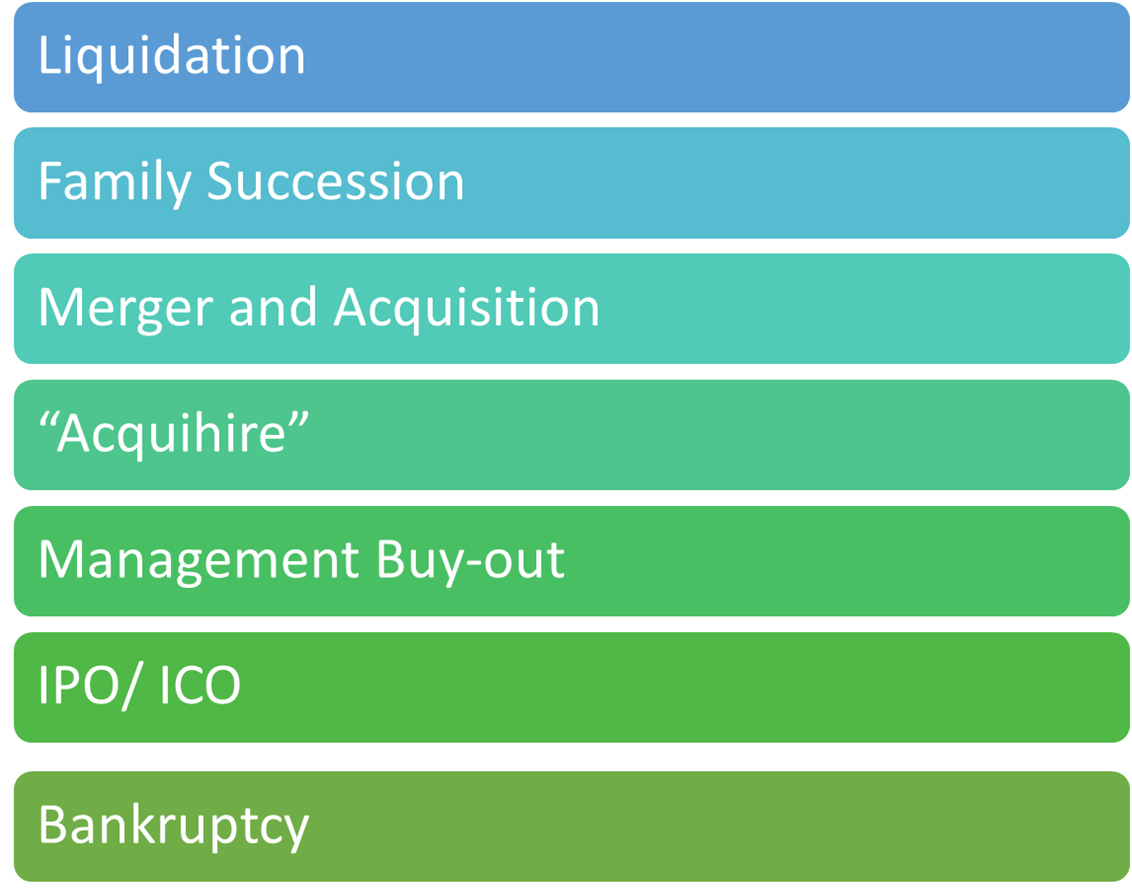
It is a plan executed by business owners, investors, traders, or venture capitalists to liquidate their position in a financial asset upon meeting certain criteria.
Internal Factors
Partners
Management
Family
Employees
External Factors
Finances
Liquidation
IPO(initial public offering)
Strategy
Types of Harvesting/ Exit Strategies