Kim (2021) Ch3: Step 2 Strategic Design Part A (Social_Media_Campaigns_Strategies_for_Public_Relations)
CHAPTER 3 Step 2: Strategic Design Part A
3.1 Developing a Data-Informed Social Media Campaign
Importance of intentionality in social media engagement.
Organizations must develop trusted and authentic relationships.
Step involves mapping overall strategy after foundational research.
Necessity of a social media strategic plan as a guiding framework for campaigns.
3.2 Social Media Strategic Plan
Social Media Goals
Goals defined as broad outcomes of the program.
Example goals:
"Become a thought leader in social media for the technology industry."
"Be recognized as a premier source for information on non-profit philanthropy."
Goals should align with the organization’s mission and vision.
Social Media Vision Statements
Identify beneficial platforms from listening phase research.
Develop vision statements for each platform highlighting its value and purpose.
Use Olsy Sorokina's model:
"We will use (social network) for (purpose) to help (business goal)."
Examples of vision statements:
"We will use Facebook for advertising to target a specific audience to help increase sales."
"We will use Instagram for promoting company culture to aid in recruitment."
3.3 Creating SMART Objectives
Objectives described as specific, measurable, achievable, relevant, and timely (SMART).
Example of SMART objective:
"Have 30 retweets a week from posting on Twitter twice a day."
Importance of measuring outcomes, not just outputs for effective evaluation.
3.4 Social Profile Branding
Ensuring profiles are complete and cohesive across platforms.
Basic Elements to Consider
About Section:
Use keywords and maintain consistency across profiles for SEO.
Profile Photos and Thumbnails:
Regularly update images while maintaining brand recognition.
Vanity URLs:
Create memorable URLs for ease of sharing.
Company Connections:
Ensure easy access to social media channels from the organization’s website.
Rich Media:
Utilize appropriate images and videos to enhance profile presence.
3.5 Content Distribution Strategy
Develop a content topic guide allocating content percentages based on focus areas (Hootsuite model).
Consider the rule of thirds for content distribution:
1/3 brand information, 1/3 shared content, 1/3 individual interactions.
Establish a general content calendar to streamline communication.
3.6 Social Media Voice
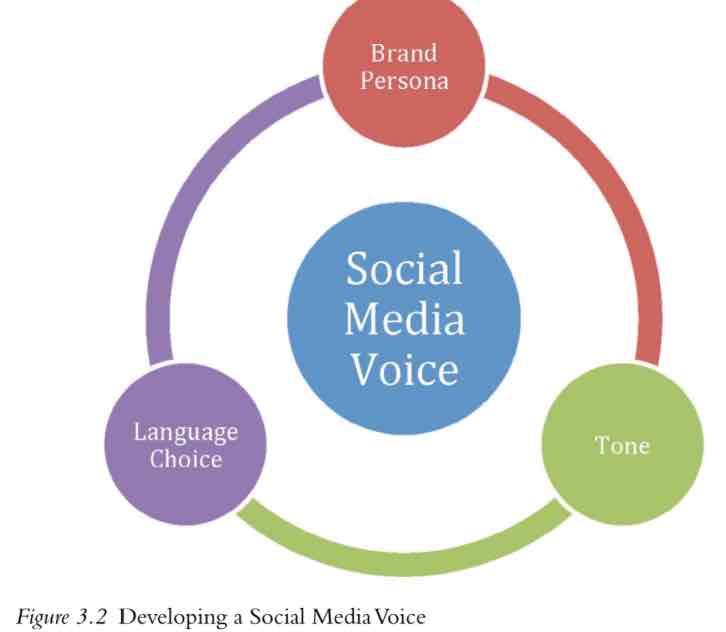
Develop a consistent social media voice aligning with the brand persona and tone.
Emphasize the importance of understanding brand persona and the desired communication tone.
Explore language use to create appropriate messaging for target audiences.
3.7 Social Media Policies and Procedures
Suggested policies:
Community policy for users.
Employee usage policy.
Guidelines for social media teams.
Crisis management plan.
Community Policy Details
Values of the Community:
Define the purpose and behaviors encouraged within the online community.
Inhibiting Behaviors:
Specify behaviors that conflict with community values.
Consequences of Negative Behavior:
Clearly outline actions for violators to maintain a positive environment.
3.8 Crisis Management Plan
Importance of having a crisis communication strategy connected to overall brand crisis plans.
Outline for handling social media-related crises and define roles in crisis management.
Quick responses are necessary for resolving social media crises.
3.9 Campaign Design
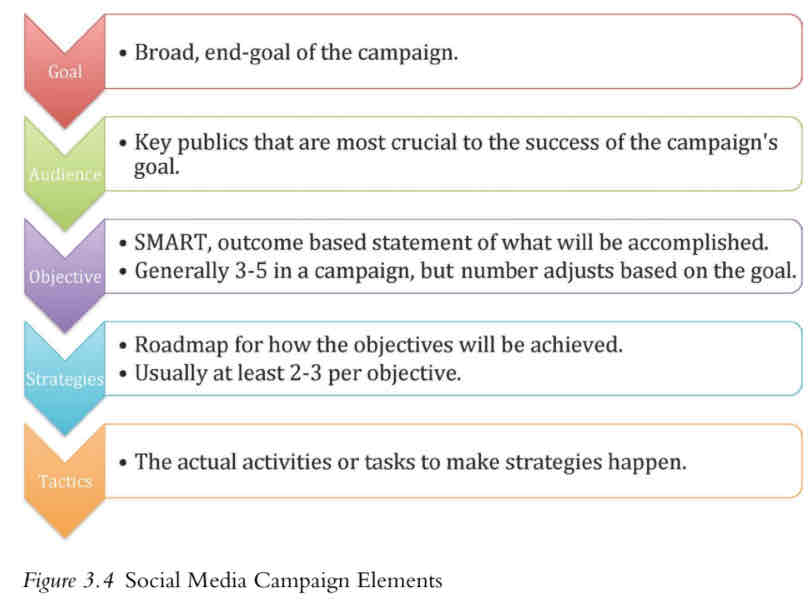
Developing Campaign Goals:
Set clear, shorter-term goals related to the organization's vision.
Audience Identification:
Analyze audience demographics and behaviors relevant to the campaign.
SMART Objectives:
Ensure objectives align with campaign goals and audience insights.
Strategies and Tactics:
Create strategies for achieving objectives and specific actions to accomplish them.
Key Messages and Message Maps:
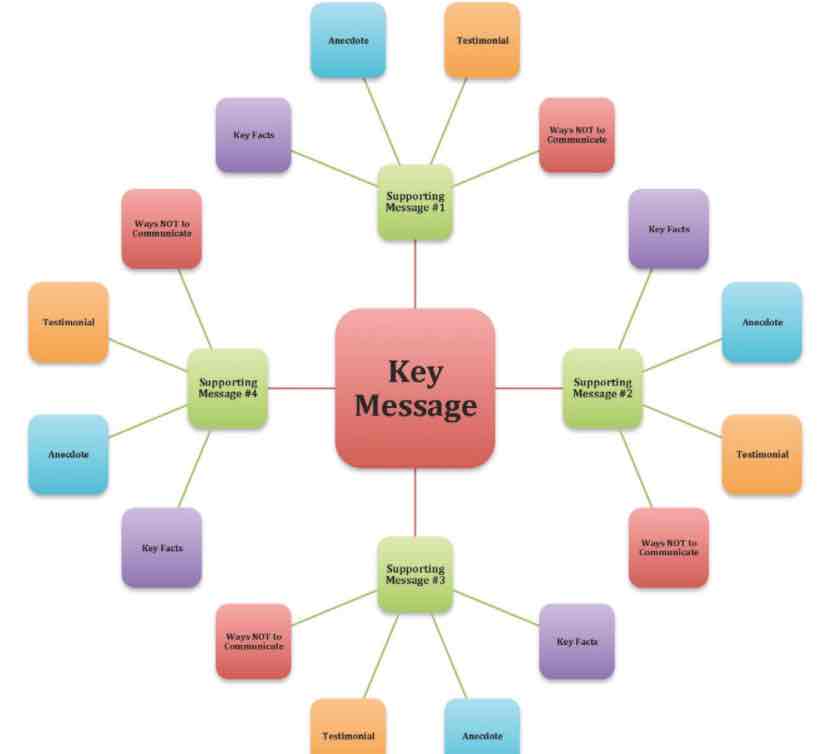
Develop key messages for target audiences and structured communication plans.
3.10 Budget and Resources
Identify resources and costs necessary for campaign success.
Consider social media's contribution to both monetary and intangible benefits.
3.11 Ethical Considerations in Social Media
Develop ethical frameworks that prioritize relationship building over transactions.
TARES model for ethical communication in social media:
Truthfulness: Transparent sharing of accurate information.
Authenticity: Genuine engagement with the online community.
Respect: Acknowledge individuals’ dignity and value.
Equity: Fair treatment in communication.
Social Responsibility: Commitment to the broader societal good.

3.12 Key Concept Snapshot
Develop a strategic social media plan as the foundation for campaigns.
Prioritize ethical considerations in every interaction.
Build trust through transparent and genuine policies.