Filoviridae
Marburg Virus Disease (MVD)
August 1967: 25 workers at an antiserum factory presented with sickness.
Symptoms: fever, headache, nausea/vomiting, malaise, myalgia.
Additional cases:
5 secondary cases from lab accidents or sexual intercourse.
2 further cases reported in Belgrade, Serbia.
Case Severity: 25% of cases resulted in severe haemorrhagic shock.
7 total deaths recorded.
Disease linked to imported African Green Monkeys from Uganda.
First identification of a virus new to science.
No further cases until 1975 (tourist in Rhodesia/Zimbabwe) and 1980 (1 primary and 1 secondary case in Kenya).
Outbreak Data

Historical Context of MVD
MVD Understanding
Until 1976, MVD lacked comprehensible context.
Emergence of Sudan Disease in Zaire (now DRC) and exposure timeline:
June 27, 1976: First case found - a factory storekeeper develops fever, headache, and chest pains.
June 30, 1976: Patient experiences hemorrhagic shock.
July 6, 1976: Patient dies; 48 total cases with 27 deaths linked to the index case.
Eventual toll: 117 deaths, 284 cases (CFR of 42%).
Notable transmission failures: reused 5 syringes at a local hospital without proper sterilization procedures.
August 22, 1976: Second index case in Zaire; traveled after meat purchase.
Overall case count rises to 318 with an 88% CFR.
Infection Transmission and Symptoms
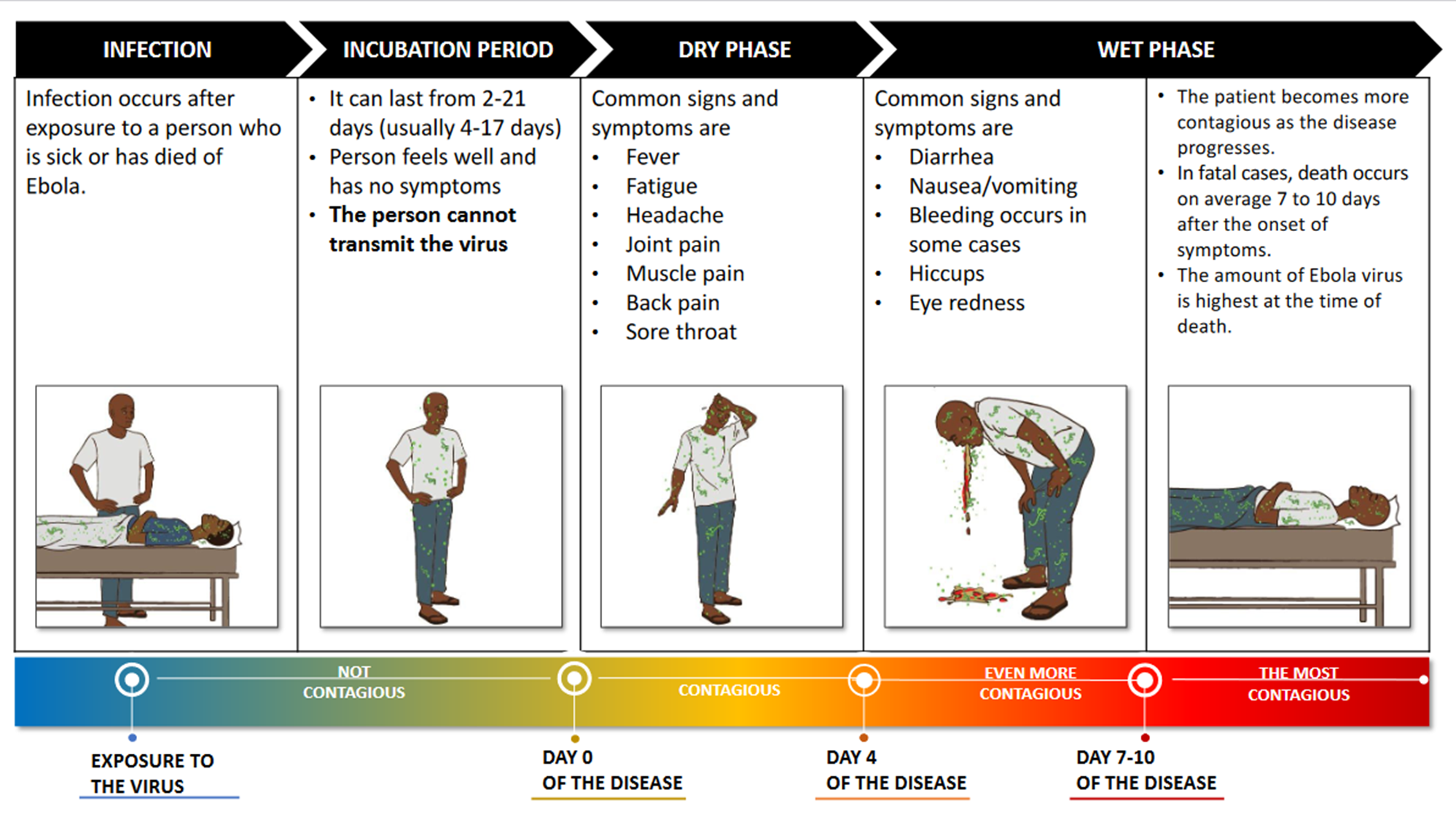
Filovirus Characteristics
Structure of Filoviruses
Components include:
Glycoprotein (GP)
Nucleocapsid (NP and VP35)
Envelope enclosing a negative sense single-stranded RNA genome approximately 19 kb long.
Virus Types
MVD: Caused by Marburg virus (MARV) and Ravn Virus (RAVV).
EVD: Caused by Ebolavirus species (Ebola virus (Zaire), Sudan virus, Tai Forest virus, Bundibugyo virus, Reston virus).
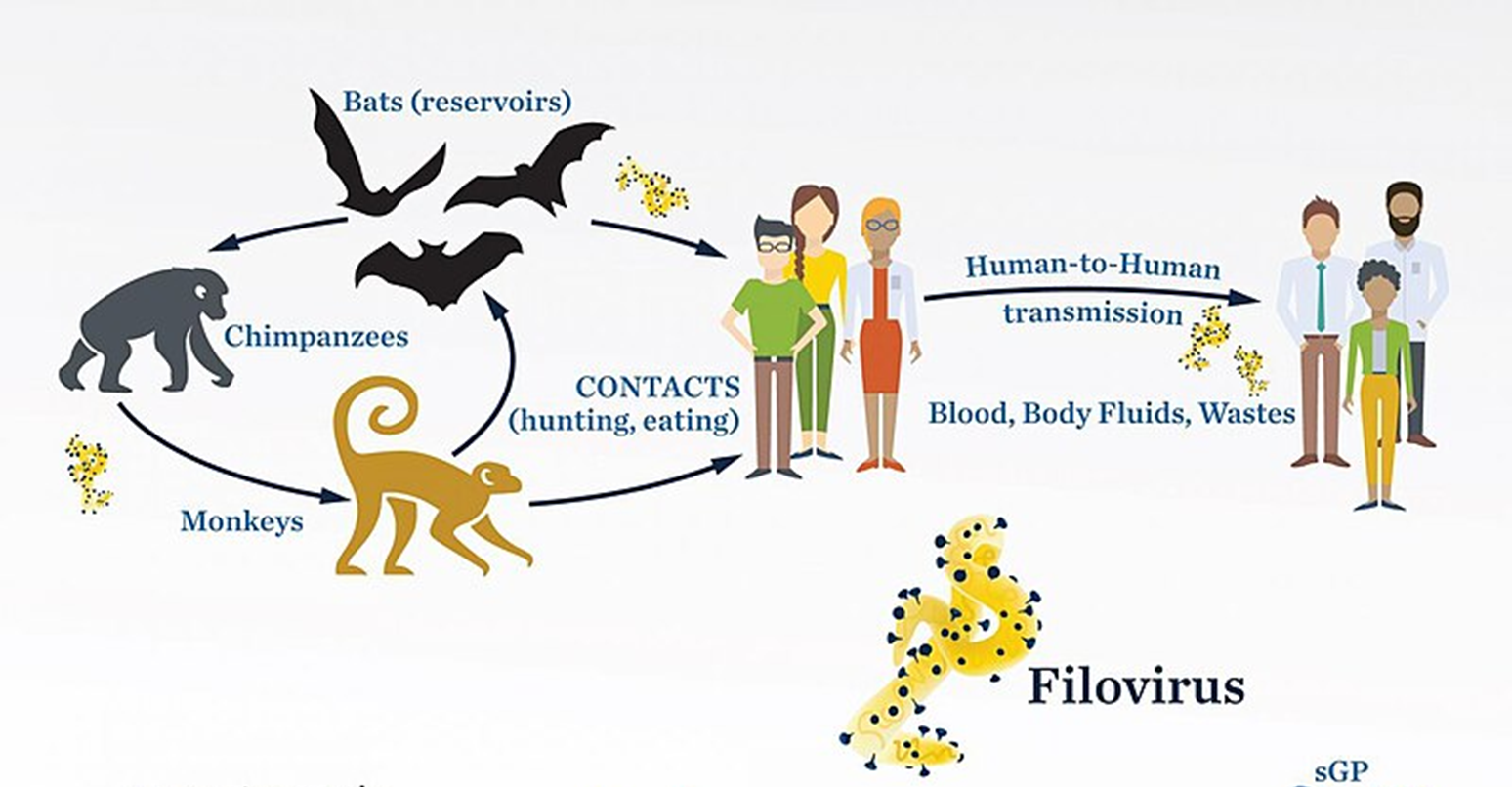
Epidemiology and Reservoirs
Reservoir Hosts
Bats are believed to be the primary reservoirs for various filoviruses, including Lloviu virus, Mengla virus, and Dehong virus.
Transmission Mechanism
Filoviruses enter host cells via the Niemann-Pick type C1 (NPC1) protein.
Variations in NPC1 sequences across bat species dictate host specificity for filoviruses.
Evidence suggests human NPC1 mutations may influence virus entry.
One Health Approach
Correlations
Connection between deforestation, farming, and incidences of Ebola disease.
Global economic factors facilitate rapid movements of contaminated biological agents.
Strategic Recommendations
Emphasize cross-sectoral collaboration for epidemic responses.
Encourage regular inter-sector meetings for proactive teamwork and program ownership.
Ebola Timeline (2013-2016)
Significant Epidemics
Large-scale cases:
More than 100 cases reported in Sudan and DRC (602 cases, 431 deaths).
Over 28,600 cases, exceeding 11,300 deaths reported during the West Africa outbreak with estimation of 17-70% unreported.
Lesser outbreaks noted in various years (with <100 cases): 1976, 1979, 1983-1984, 1995, etc.
Control Measures for Filovirus Outbreaks
Lessons from Ebola Response
Quick response is imperative in controlling outbreaks.
Essential actions include hunting the virus actively, stopping transmission chains, and engaging communities.
Importance of field epidemiology: including diagnostics, contact tracing, and safe management of the sick.
Community Importance
Trust and communication with communities are key for effective intervention.
Risk communication strategies are vital for changing behaviours around safe burial practices and supporting survivors.
Diagnostics and Treatment
Diagnosis of EVD/MVD
Employing RT-PCR for early-stage diagnosis, which is quick and uses inactivated samples.
Supportive Treatment
Crucial elements include rest, hydration, pain management, and coagulation control.
Antiviral Options
Monoclonal antibody therapy: mAb114 or Imazeb for Ebola (Zaire) only.
Development in progress for Sudan virus disease.
Vaccination
Vaccines approved for Ebola (Zaire): Ervebo (a recombinant vaccine) and Zabdeno/Mvabea (adenovirus-based).
Summary of Filoviruses
Pathogenic Nature
filoviruses classified as highly pathogenic negative sense ssRNA viruses.
Disease Association
Responsible for MVD and EVD.
Reservoir Relationship
Linked to bat species, with transmission attributed to exposure to infected animals.
Healthcare Infrastructure
Limited healthcare support is a significant factor in amplifying outbreaks.