Introduction to Cariology - Lecture
Introduction to Cariology
Objective: Understanding dental caries, factors contributing to it, and the importance of evidence-based practice in cariology.
Human Dentition
Types of Teeth:
Incisors (anterior teeth)
Canines
Premolars
Molars (posterior teeth)
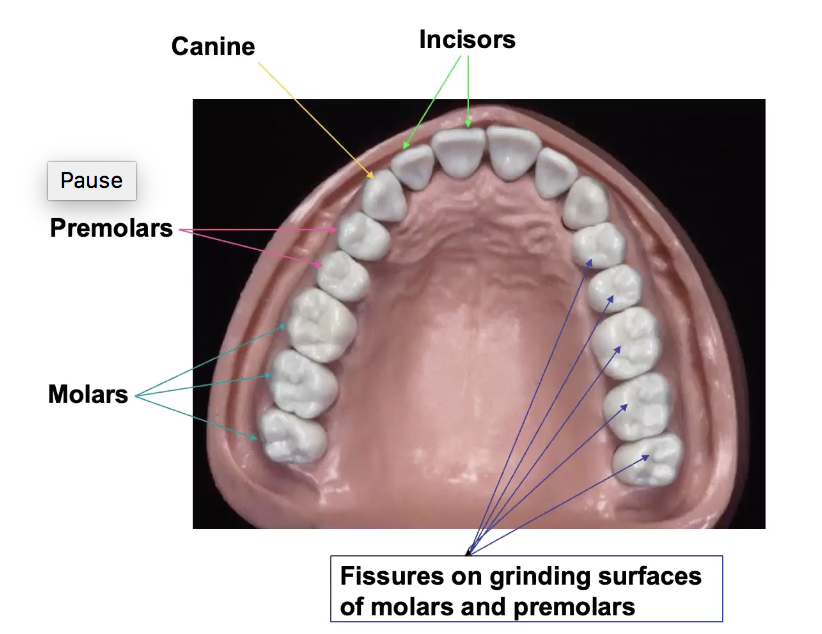
Each type of tooth plays a distinct role in mastication and aesthetics, with incisors primarily used for cutting, canines for tearing, premolars for grinding, and molars for chewing. Additionally, the arrangement and health of these teeth are crucial in maintaining overall oral function and preventing dental issues.
Healthy Dentition Observations:
Staining, calculus, and features indicative of dental health status.
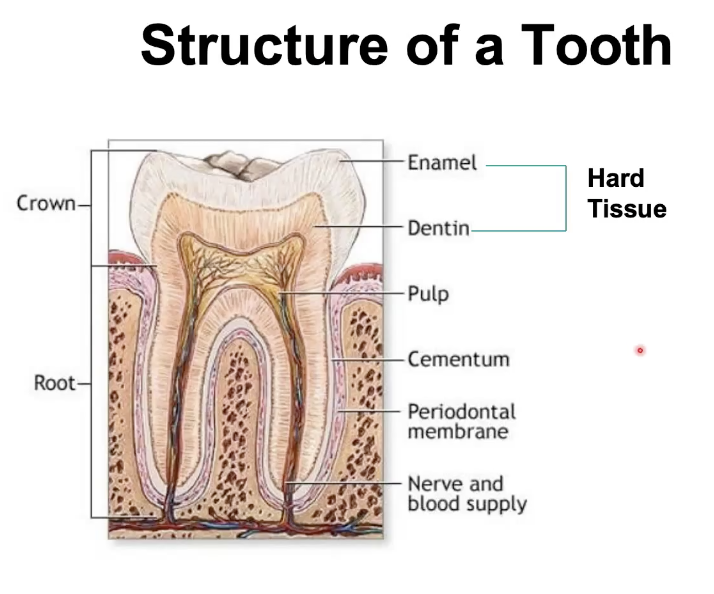
Structure of a Tooth
Parts: Crown (visible portion), root (below gum), enamel (outer layer), dentin (inner layer), cementum (covers roots), pulp (nerve and blood supply).
Caries: Primarily affects enamel and dentin, can be coronal (crown) or root caries (requires gingival recession for occurrence).
Dental Caries
Definition: A plaque-related disease resulting in the destruction of dental hard tissues.
Impacts: Affects aesthetics, function (eating, speech), and can cause pain (may be absent in some cases).
Caries Management Goals:
Relieve pain
Arrest disease progression (non-surgical/surgical management)
Prevent new diseases
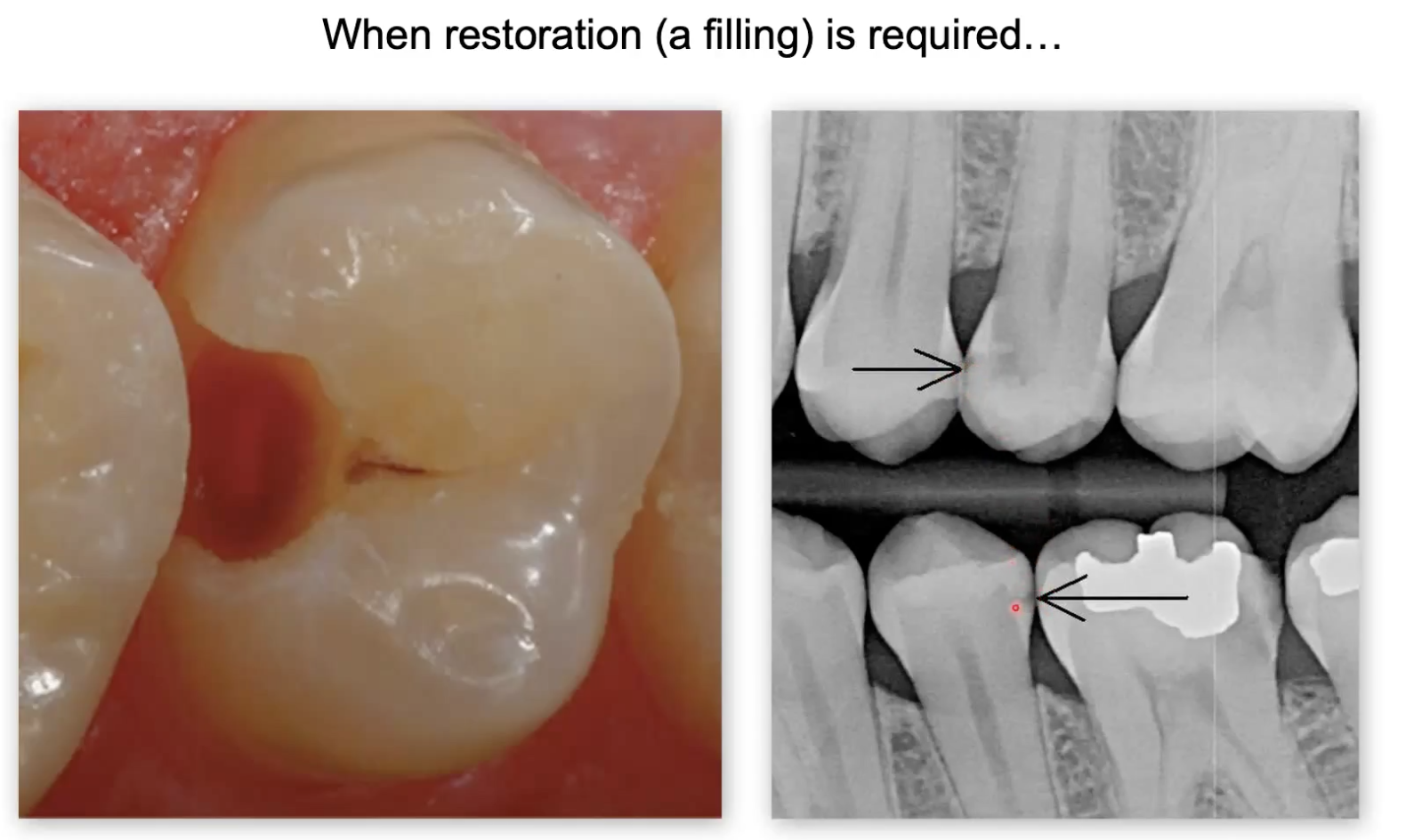
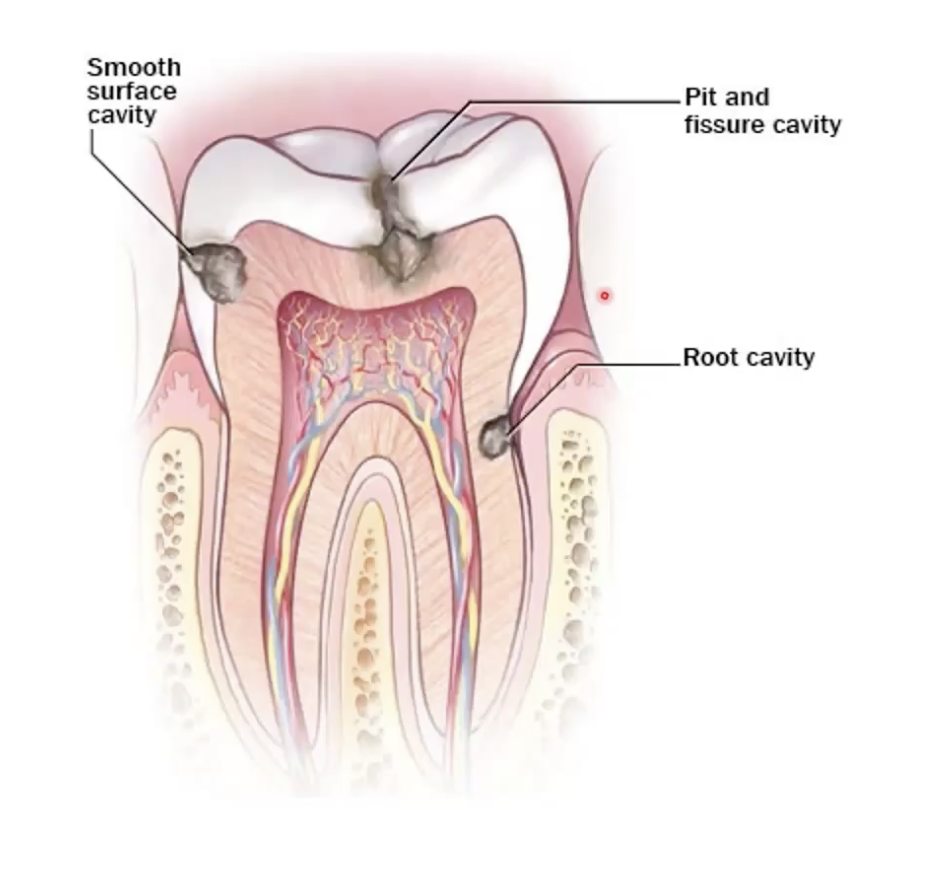
Restore aesthetics and function if necessary. We use this when we cannot control the microflora anymore. Where there is a cavity (hole) it becomes hard to brush that area. see in image below. NOT all carious dentine needs to be removed to preserve the tooth structure.
Sites of Caries Formation
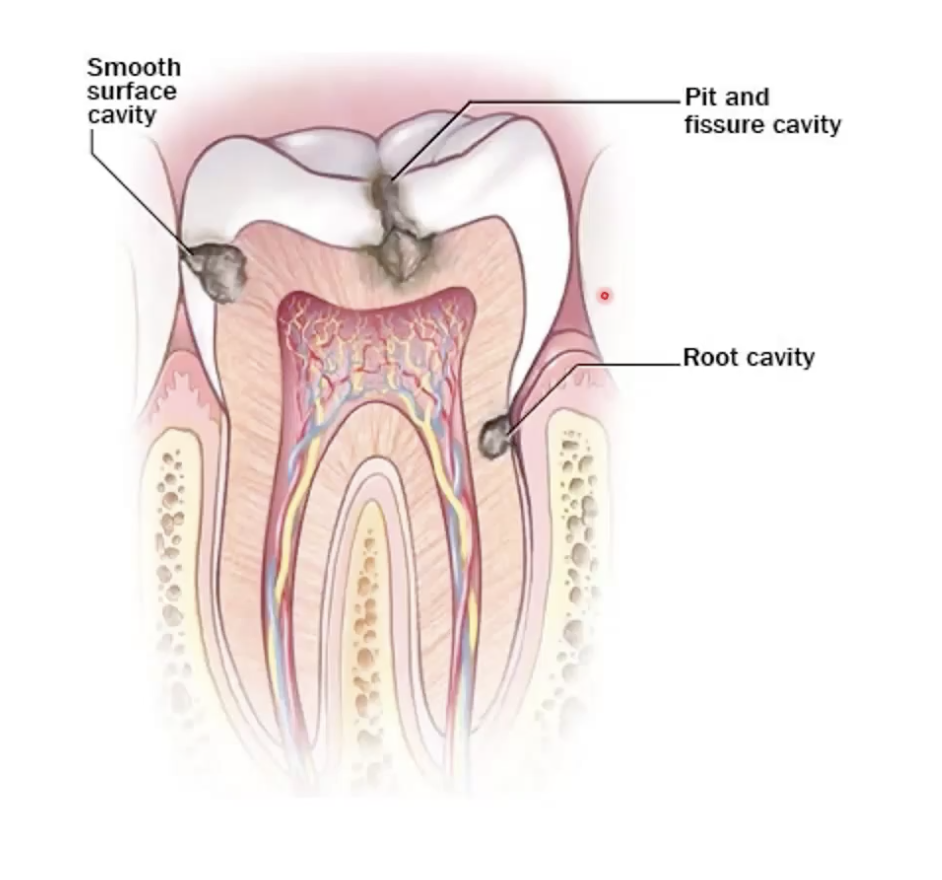
Common Areas:
Smooth surfaces
Pits and fissures
Root surfaces (exposed).
Factors Contributing to Caries Development
Four Main Factors:
Host Factors - susceptibility to dental caries: Salivary factors such as flow rate and buffering capacity, and tooth anatomy (deep fissures) and exposure to fluorides.
Microflora: Bacteria involved in caries, necessitate to have sufficient levels for caries development.
Diet (cariogenic substrate): Specifically carbohydrates that promote bacterial growth - frequency and dose.
Time: Duration required for caries development (not instantaneous). It was demonstrated that in the absence of oral hygiene, there is free accumulation of plaque (sucrose drink 9 times a day produced dental caries in 3 weeks).
Epidemiology of Dental Caries
DMFT Index: Measures dental caries prevalence based on Decayed, Missing, or Filled Teeth.
Decline observed in developed countries, plateau observed in recent decades.
Caries management is crucial despite the preventable nature of the disease.
Conclusion
Next Steps: Further detailed exploration in upcoming lectures; practical sessions to observe and diagnose dental caries will follow.
Inquiries: Students encouraged to reach out with questions for clarification.