7. Human nutrition
Human nutrition
Humans require various nutrients to survive, necessitating a balanced diet that includes all food groups in appropriate proportions.
Carbohydrates are crucial for providing energy during respiration, with rice, pasta, and potatoes serving as prime examples.
Fats and oils function as long-term energy storage and provide insulation; examples include cheese, fatty meats, and butter.
Proteins are essential for growth and tissue repair, typically found in fish, meat, and eggs.
Vitamin C is vital for healthy skin and gums, with its deficiency leading to scurvy; sources include citrus fruits like oranges and lemons.
Vitamin D aids calcium absorption necessary for strong bones; deficiencies can result in rickets; found in dairy products, fish oil, and eggs.
Calcium is essential for bone health and blood clotting, present in milk, cheese, and eggs.
Iron is required for hemoglobin formation in red blood cells to transport oxygen, found in red meat and green vegetables, such as spinach.
Fiber, or roughage, facilitates food movement through the digestive system, sourced from vegetables, fruits, and whole grains.
Water is necessary for chemical reactions, obtainable through beverages and food.
Digestive System
The digestive system's primary function is to break down large insoluble molecules into smaller soluble ones, nourishing the body.
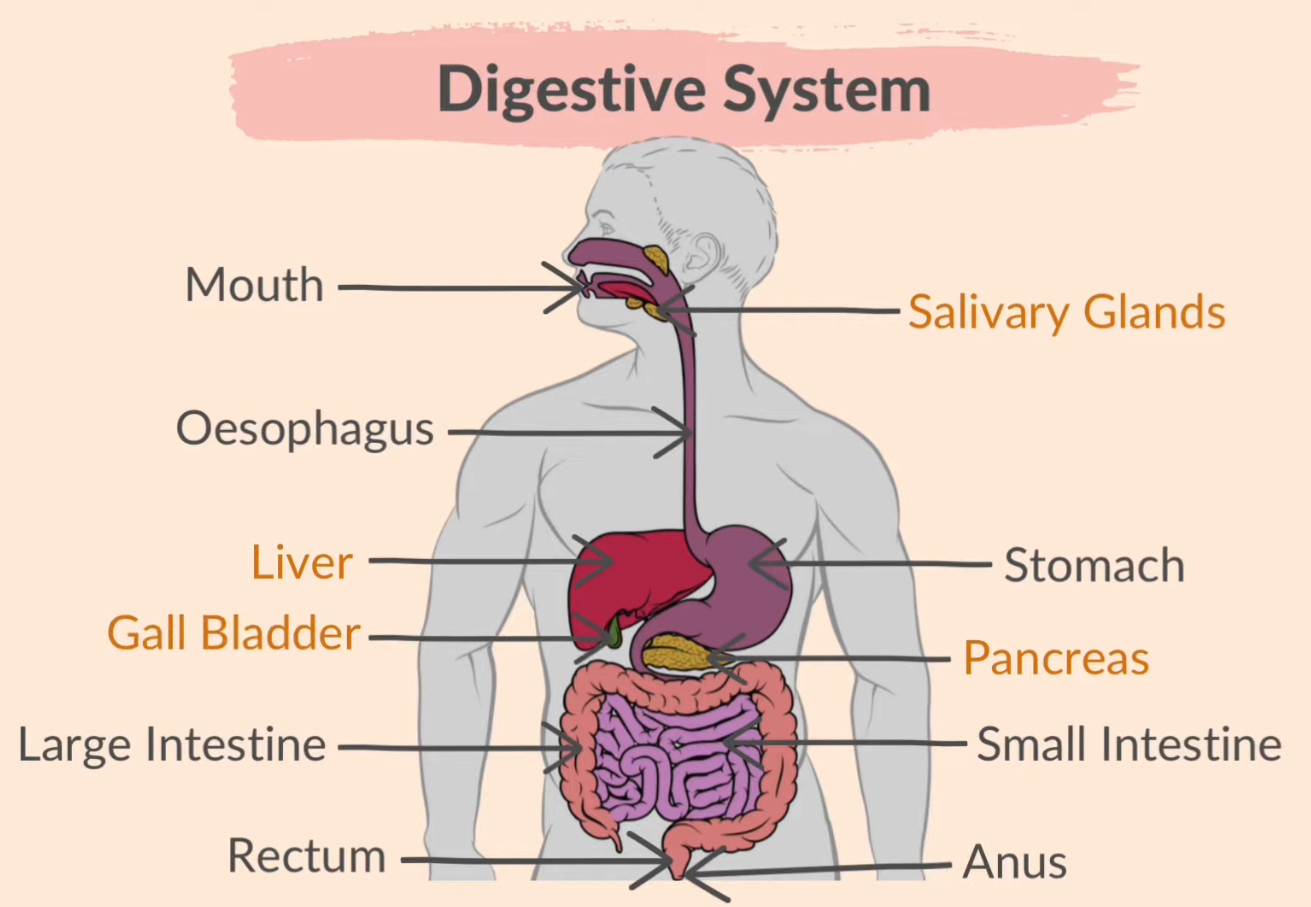
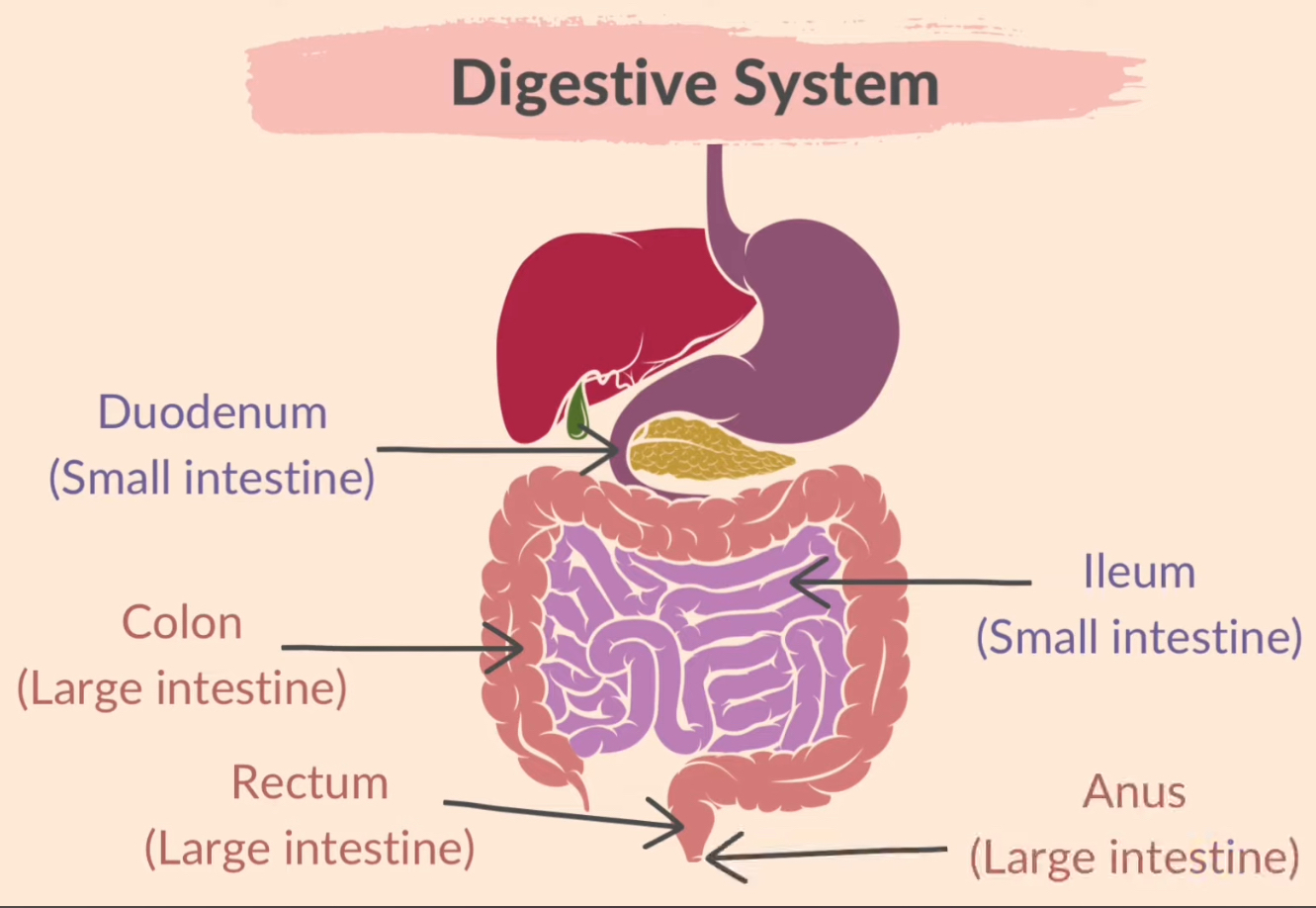
Key parts of the digestive system include the mouth, esophagus, stomach, small intestine (duodenum and ileum), large intestine (colon), rectum, and anus, collectively forming the alimentary canal.
Associated organs include salivary glands, pancreas, liver, and gall bladder, each playing a distinct role in digestion.
The process of digestion includes ingestion (taking in food and drink), digestion (breaking down food), absorption (nutrients into blood), assimilation (nutrient use by cells), and ejection (removal of undigested food).
Digestion can be physical (mechanical breakdown of food into smaller pieces) or chemical (breaking down food molecules with enzymes). Physical digestion increases surface area for enzymatic action.
Teeth and Digestion
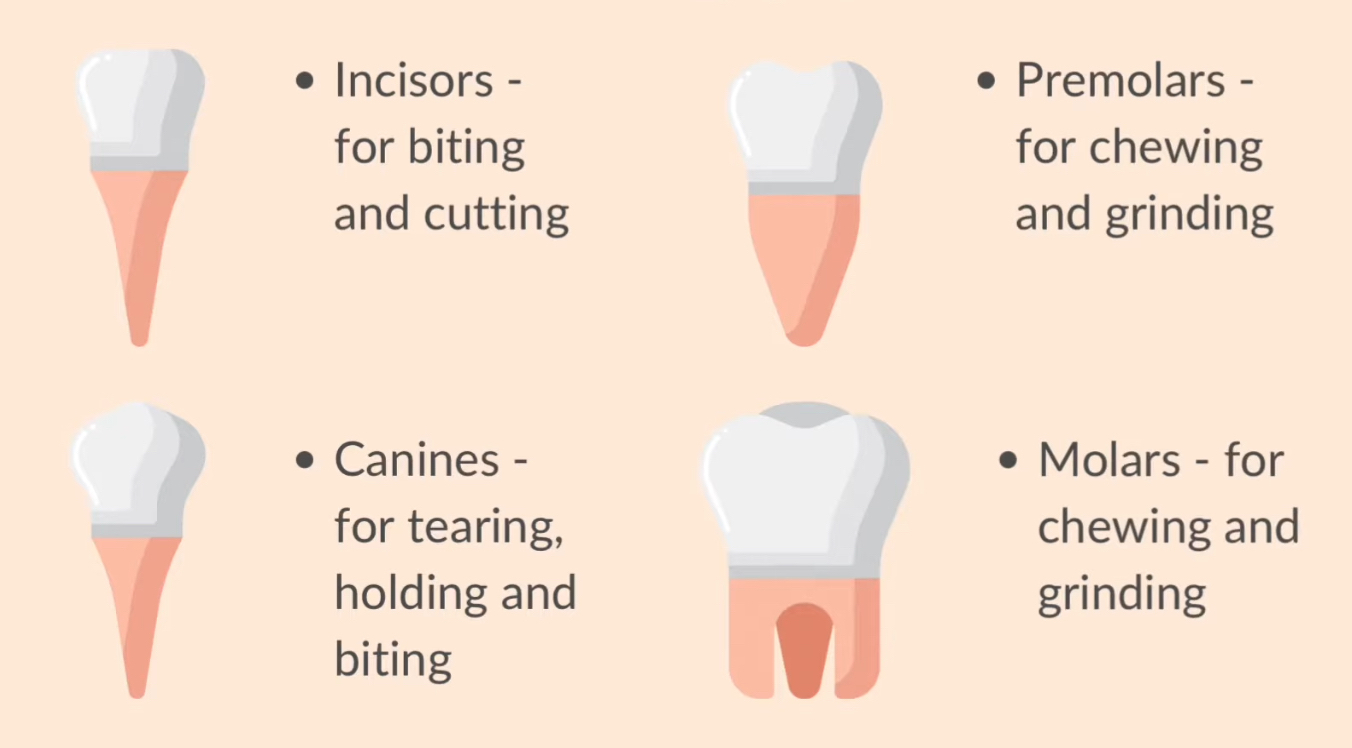
Humans have different types of teeth-incisors, canines, premolars, and molars-each serving specific functions: incisors for cutting, canines for tearing, and molars for grinding.
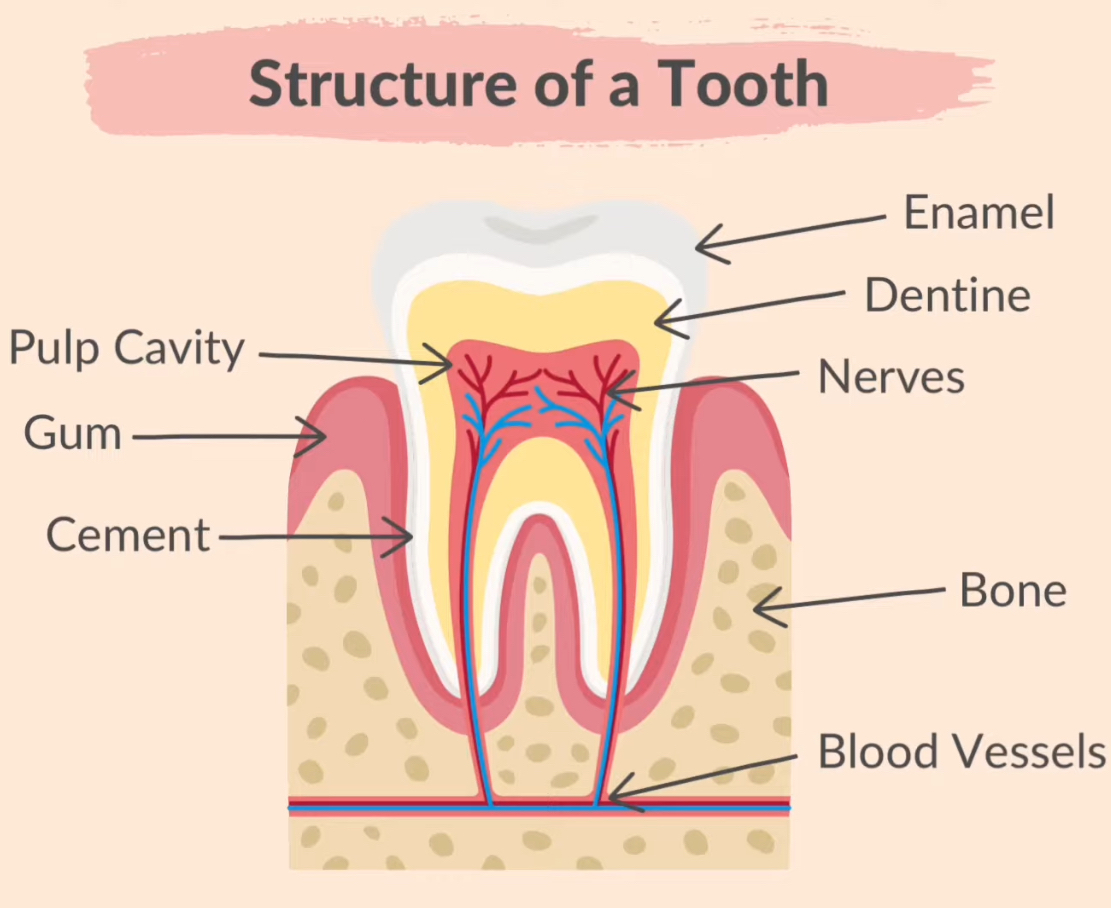
The structure of a tooth includes enamel, dentine, pulp cavity, nerves, blood vessels, and cement. Teeth are embedded in bone and gums.
Physical digestion also occurs in the stomach, where muscular contractions liquefy food and mix it with digestive juices.
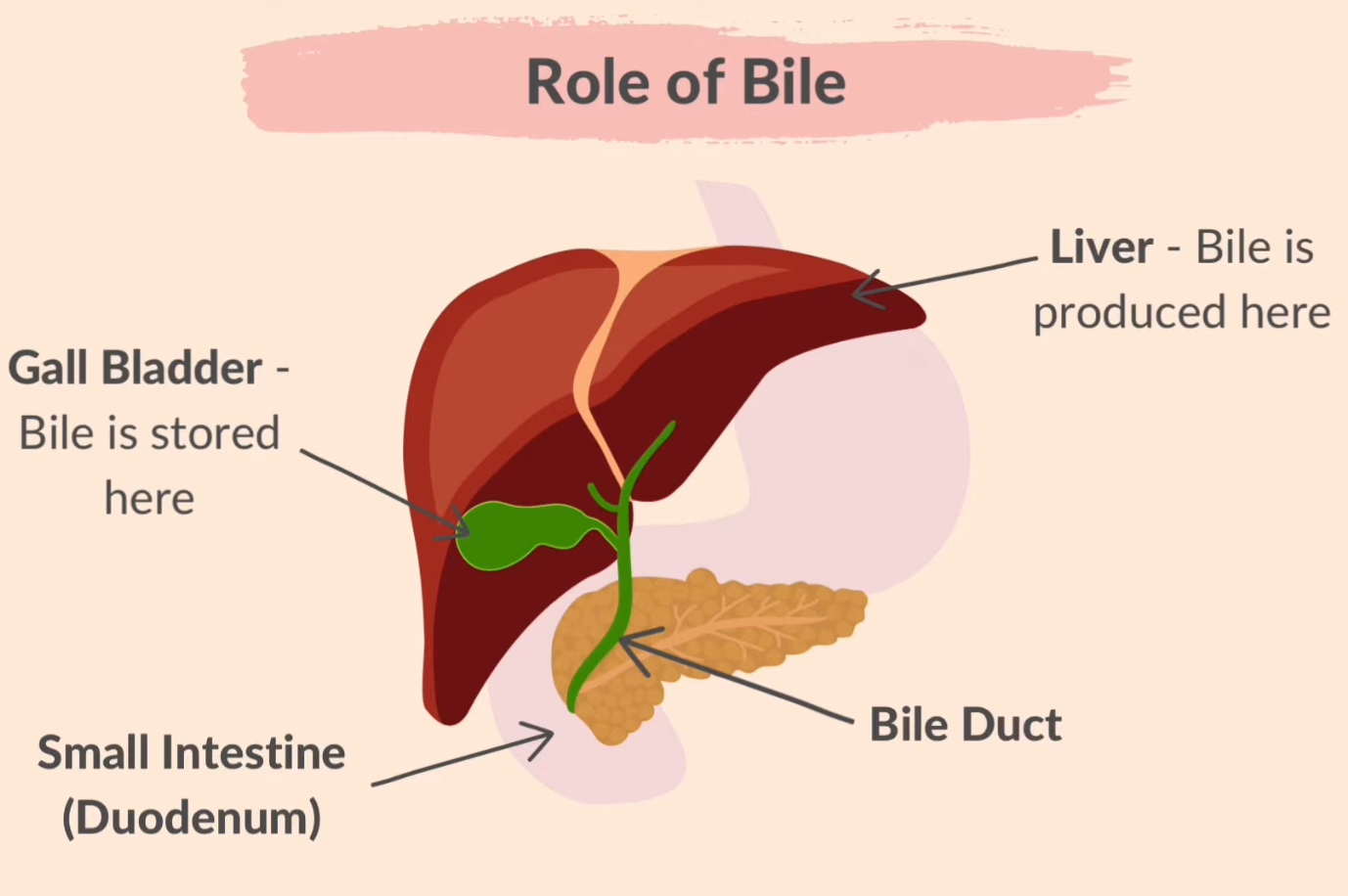
The liver produces bile, stored in the gall bladder, and released into the duodenum; bile is alkaline, neutralizing stomach acid and emulsifying fats for improved digestion by increasing the surface area for enzymes.
Chemical Digestion
Chemical digestion is the process that breaks down large insoluble molecules into small soluble molecules that can be absorbed by the body.
Enzymes play a crucial role in chemical digestion, with each enzyme targeting specific types of molecules.
Role of Enzymes in Digestion
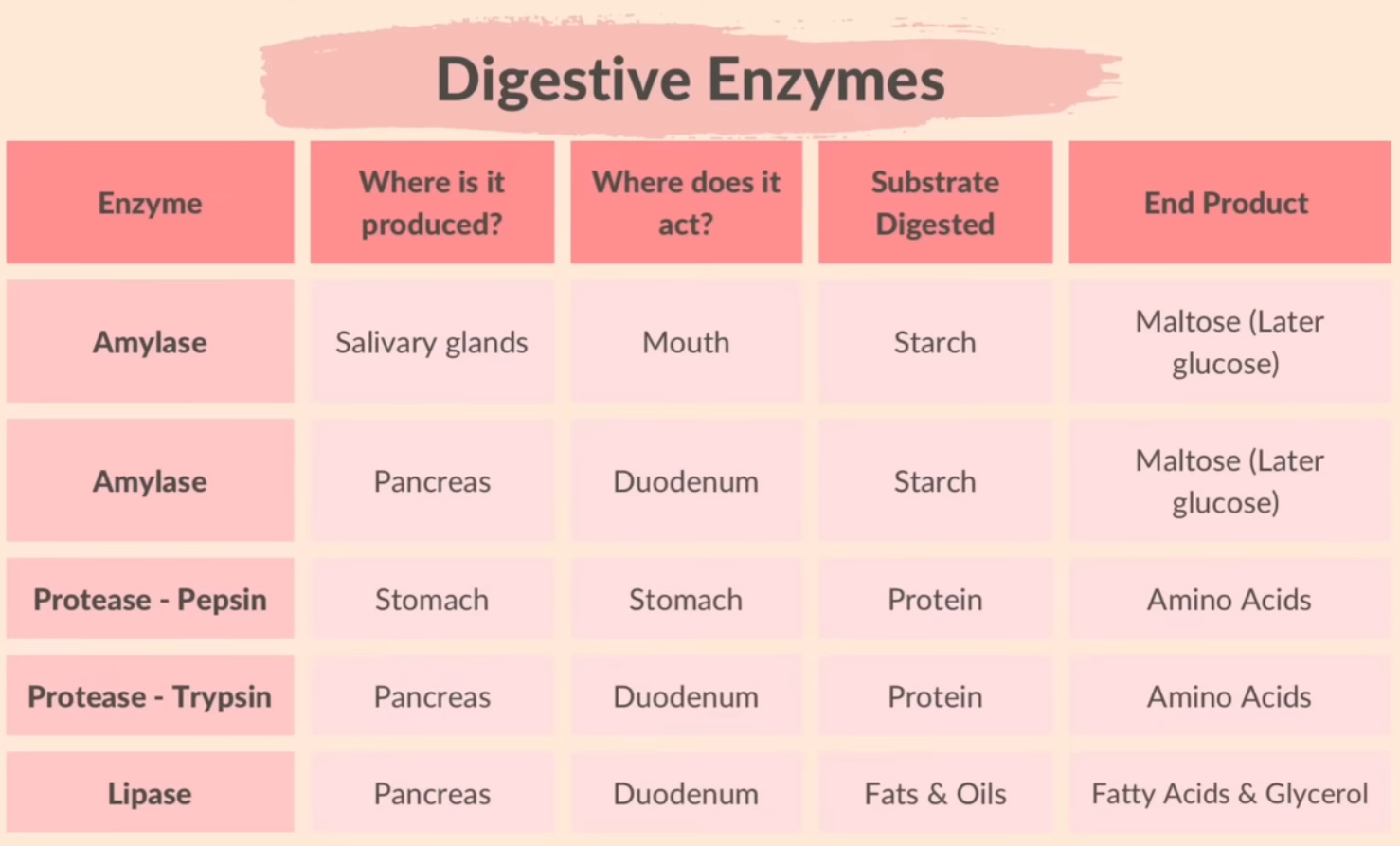
Amylase breaks down starch into simple sugars; it converts starch to maltose in the mouth and then to glucose in the small intestine.
Protease is responsible for breaking down proteins into amino acids; pepsin works in the stomach, while trypsin functions in the alkaline environment of the duodenum.
Lipase digests fats and oils, converting them into fatty acids and glycerol within the duodenum.
Functions of Hydrochloric Acid
Hydrochloric acid is a component of gastric juice produced in the stomach.
It serves multiple functions: killing harmful microorganisms in food and creating an acidic pH, which is ideal for enzymes like pepsin to function efficiently.
Role of Bile in Digestion
Bile, involved in both physical and chemical digestion, emulsifies fats and neutralizes acidic mixtures from the stomach when they enter the duodenum.
It alters the pH of food to provide an optimal environment for the enzymes in the small intestine, which require a higher alkaline pH for effective activity.
Absorption of Nutrients
Absorption is the process through which digested food molecules move from the digestive system into the bloodstream, primarily occurring in the small intestine.
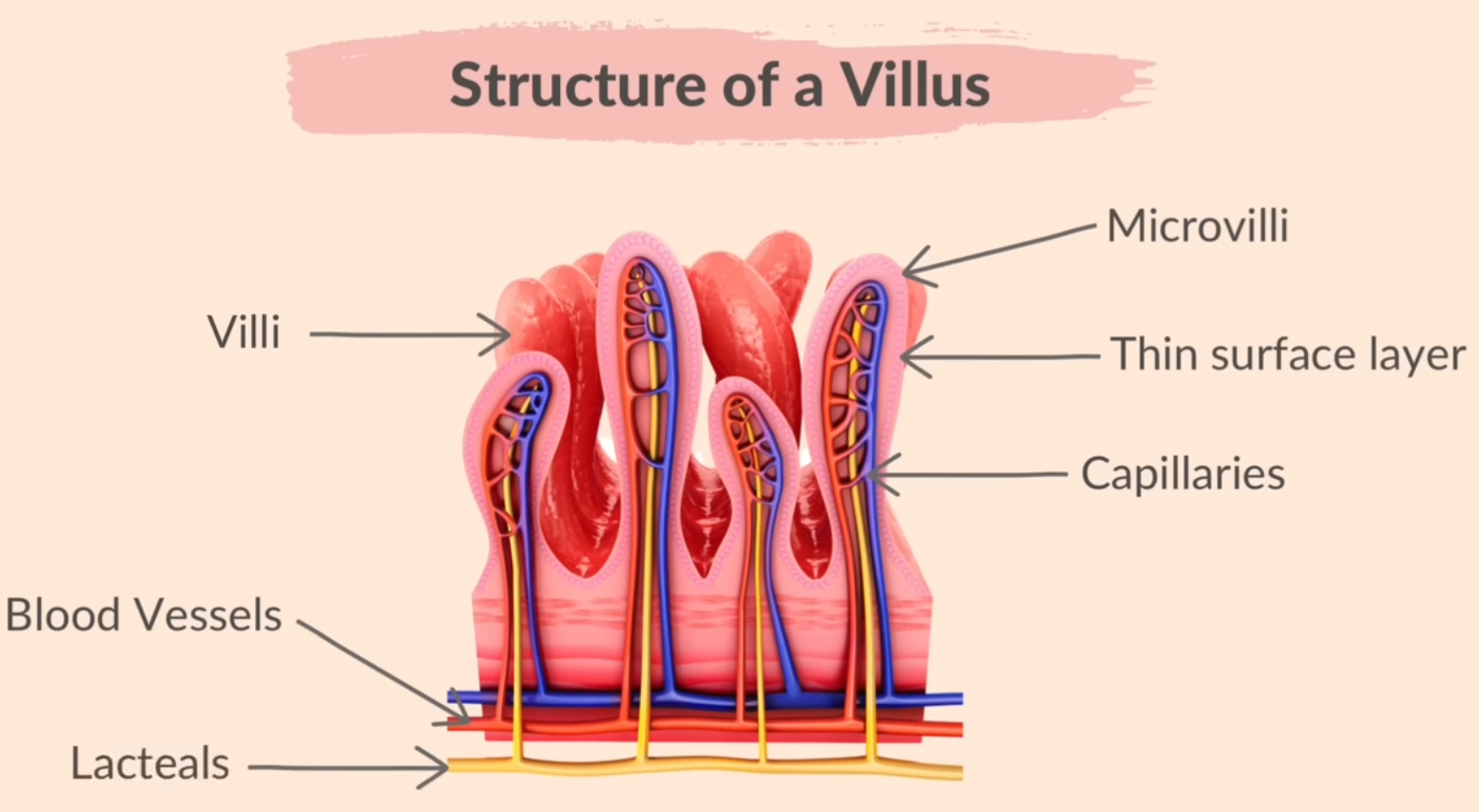
The ileum, part of the small intestine, is adapted for efficient absorption due to its highly folded surface, featuring millions of villi and microvilli that increase the surface area.
Villi contain capillaries that absorb glucose and amino acids, while lacteals transport fatty acids and glycerol into the lymphatic system.
Structure of Villi
Villi are finger-like projections in the ileum that enhance nutrient absorption.
Each villus contains capillaries and a thin surface layer, topped with microvilli, further optimizing absorption.
Capillaries in the villi absorb glucose and amino acids, and lacteals assist in the transport of fatty substances.