Emotional Development
Expression
Conveying to other people
Our use of language plays a crucial role in how we express our feelings and thoughts (happy, sad, mad..)
Expressions are descriptors to our emotions (smiling, frowning…)
History of Emotions
Our experiences in our life can effect our physiology and cognition
Our cultural experiences shape our experiences in emotion
Example: American moms tend to be more bubbly compared to Japanese moms more reserved
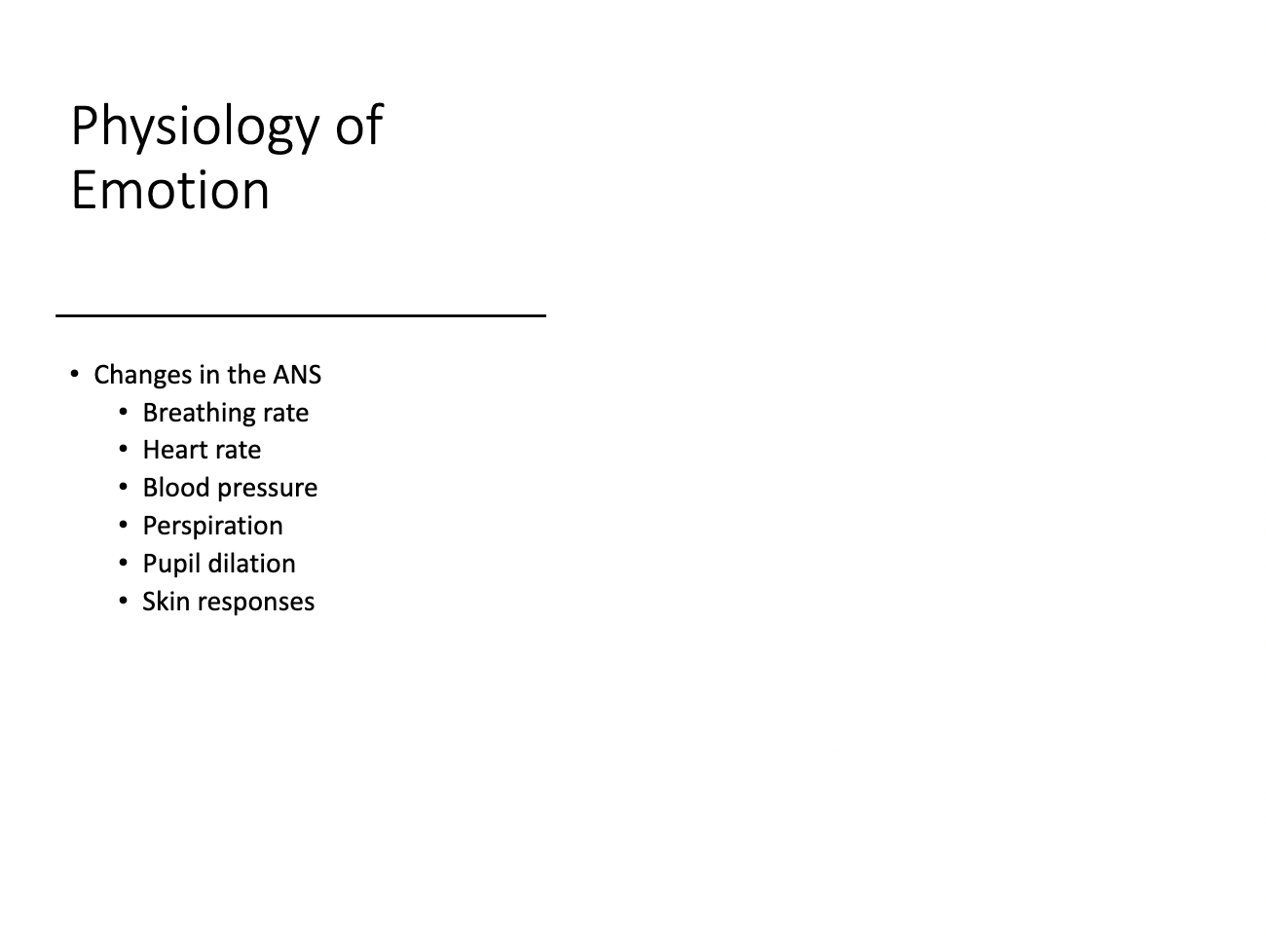
The autonomic nervous system (ANS) is a key player in the body's physical response to emotion. It regulates involuntary functions like heart rate, breathing, and digestion — all of which change when we experience strong emotions.
The ANS has two main branches:
🟠 Sympathetic Nervous System (SNS) – "Fight or Flight"
Activated during intense emotions like fear, anger, excitement, or anxiety.
Physiological changes:
Increased heart rate and blood pressure
Rapid, shallow breathing
Pupil dilation
Sweating
Digestion slows (energy redirected to muscles)
Release of adrenaline (epinephrine) from adrenal glands
These changes prepare the body to react quickly to threats or challenges.
🔵 Parasympathetic Nervous System (PNS) – "Rest and Digest"
Activated during calm or recovery states, such as after stress or during relaxation.
Physiological changes:
Slower heart rate
Deeper, slower breathing
Pupil constriction
Increased digestion and salivation
Body returns to homeostasis
This system helps the body calm down and recover after emotional arousal.
🧠 Bonus: Brain-ANS Connection
The amygdala detects emotional stimuli and signals the hypothalamus.
The hypothalamus activates the ANS to trigger a bodily response.
The insula, prefrontal cortex, and anterior cingulate cortex help interpret emotional significance and regulate responses.
Emotional Expressions
7 basic emotional expressions seem to be universal (biologically determined)
Anger, Fear, Interest, Joy, Sadness, Disgust, and Surprise are recognized across cultures, indicating a shared human experience in emotional responses
Universality of Emotional Expressions
Paul Ekman’s Classic Research
Ekman studied emotional expressions in remote African tribes, such as the Fore people of Papua New Guinea, who had little exposure to Western culture.
Participants were shown photographs of prototypical facial expressions (e.g., happiness, sadness, anger, fear).
They were asked to match the facial expressions with emotional scenarios.
Findings:
Across cultures, people consistently recognized basic emotions.
Suggested that certain emotional expressions are universal and biologically hardwired.
Identified six basic emotions with universal expressions:
😊 Happiness
😠 Anger
😨 Fear
😢 Sadness
😲 Surprise
😐 Disgust
In the last five years, researchers have used machine learning and large datasets from the internet (e.g., YouTube, Flickr, TikTok) to study emotional expressions.
Massive collections of photos and videos were analyzed to explore how people across the world express emotion.
Participants were asked to label or interpret emotional expressions from diverse online content.
Findings:
Replicated Ekman’s original results — many emotional expressions are still recognized across cultures.
However, studies also suggest more than six universal emotions, including:
Pride
Shame
Embarrassment
Awe
Amusement
Cognitive Social Approach
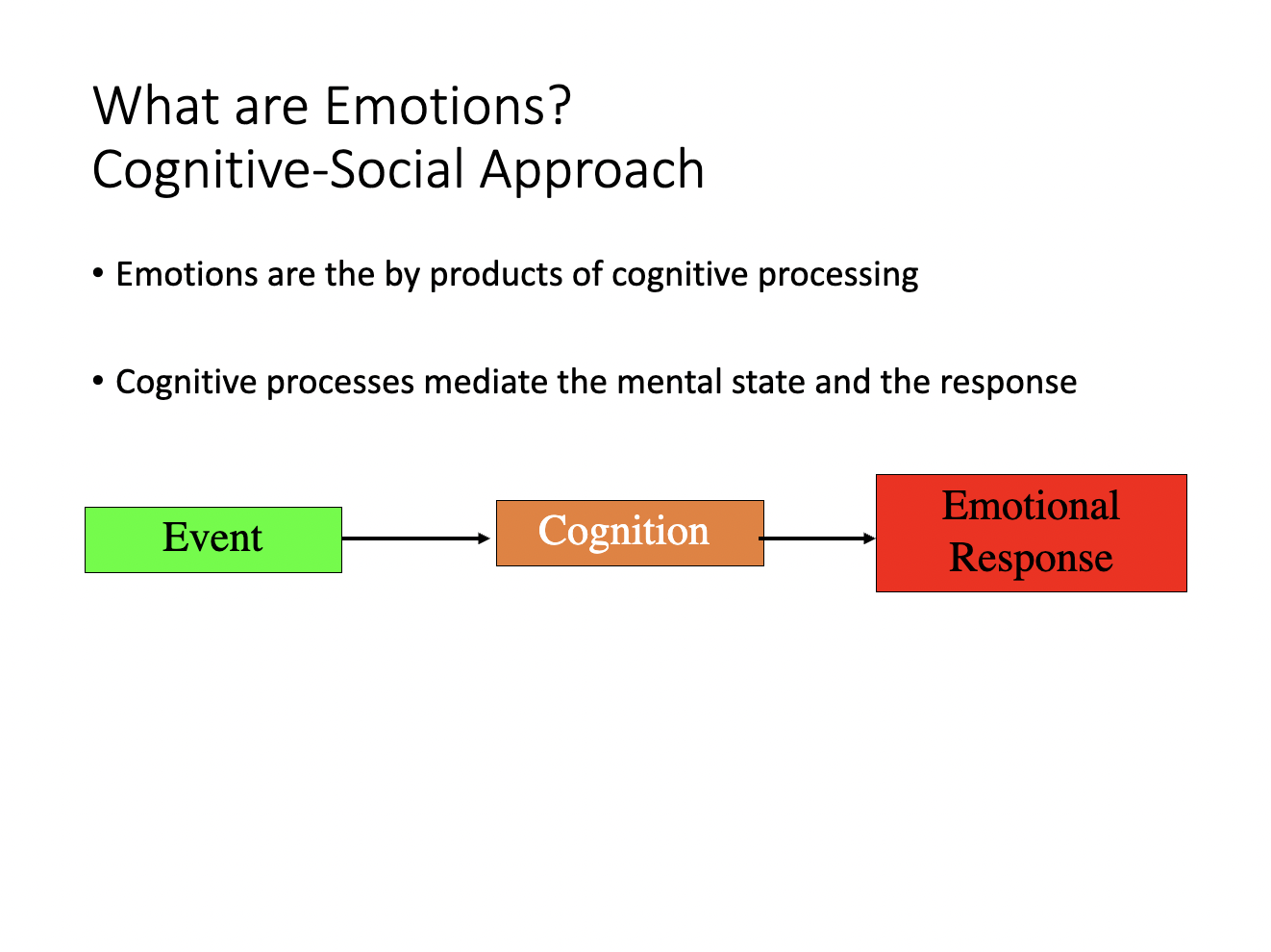
The cognitive-social approach suggests that emotions are shaped by our thoughts — how we interpret and evaluate situations directly influences how we feel
This suggests that by altering our thought patterns, we can influence our emotional responses, highlighting the interplay between cognition and emotion
Individuals cognition of the social world mediate how the person is going to feel about that emotionally
Children are socialized about the rules of emotional expression
This socialization process is crucial as it helps them learn appropriate ways to express their feelings, recognize emotions in others, and develop empathy
Example: Visiting Santa at the mall can evoke a range of emotions, from excitement and joy to anxiety or fear, depending on the child's previous experiences and understanding of social cues
One might feel excited because they associate Santa with gifts and fun.
Another might feel anxious or scared, perhaps because of a past negative experience or fear of strangers in costume.
→ It’s not just the event, but how they perceive itChildren are socialized into understanding "emotional display rules" — when and how it is appropriate to express emotions.
These rules vary across cultures, families, and social contexts
The functional approach to emotion emphasizes how emotions help children adapt to their surroundings. Emotions are not just passive reactions—they serve important purposes by acting as internal signals that guide behavior and decision-making. For example, when a child encounters a new or potentially threatening situation, the emotion of fear may arise. This fear prompts the child to seek comfort or protection from a caregiver, which not only ensures safety but also reinforces the child’s attachment and trust in others.
Rather than seeing emotions as disruptions, this perspective views them as tools that support survival and development. Each emotion has a function that contributes to a child's ability to navigate the world. For instance, fear alerts a child to possible danger and motivates protective behaviors. A toddler who hears a sudden loud thunderclap might run to a parent for reassurance. This response allows the child to feel secure and fosters a deeper emotional bond with the caregiver.
Overall, the functional approach underscores how emotions play a key role in helping children interpret their environment, communicate their needs, and form supportive social connections.
Infants display facial expressions
By 6-7 months we see infants showing all basic emotions
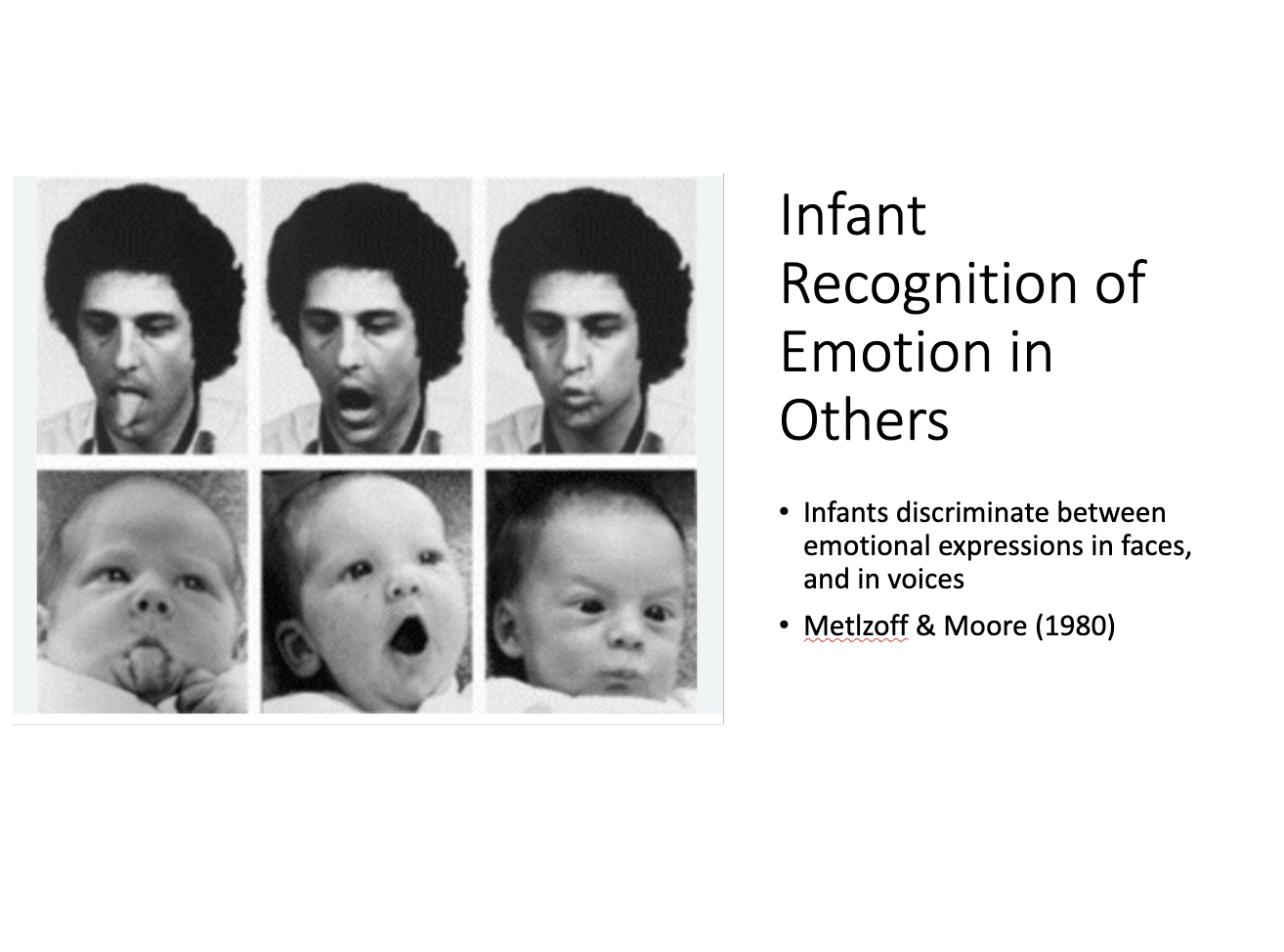
Researchers have observed that even newborns have the ability to perceive and respond to facial expressions. In studies where experimenters went into hospital nurseries and made different facial expressions—like sticking out their tongues or opening their mouths—newborn babies were able to mimic these actions shortly after birth. This suggests that infants are not only able to recognize human facial expressions but may also have an early capacity for emotional and social connection through imitation.
One of the most well-known studies on this topic was conducted by Meltzoff and Moore, who found that infants as young as 2–3 weeks old could imitate adult facial expressions such as mouth opening, tongue protrusion, and lip pursing. Their findings supported the idea that imitation might be an early mechanism for bonding and emotional learning.
However, the validity of these results has been questioned. Some researchers argue that what appeared to be imitation may have actually been random behaviour or reflexes rather than intentional mimicry. Replication of the study has yielded mixed results, leading to ongoing debate in developmental psychology about the extent to which newborns truly understand and replicate emotional expressions.
Still, the general consensus remains that infants are highly responsive to emotional cues, and over time, their ability to recognize, interpret, and imitate emotions becomes more sophisticated through interaction and socialization.
Infants begin to recognize and respond to emotions early in life, especially through interactions with their caregivers. Research shows that infants are more attuned to positively valenced emotions, such as joy and happiness, than to negative emotions like anger or sadness. These positive emotions are not only recognized earlier but also tend to elicit stronger responses from infants. This suggests that infants may have an early sensitivity or preference for emotional cues that signal safety, comfort, and social engagement.
As they grow, infants also begin to engage in social referencing—the act of looking to others, particularly caregivers, for guidance on how to interpret and respond to unfamiliar or ambiguous situations. For example, when a stranger approaches, a 12-month-old may glance at their mother's face to gauge whether the stranger is safe or threatening. This behavior helps infants navigate new experiences and make decisions based on emotional cues provided by trusted adults.
Social referencing typically emerges around 12 months of age and is considered a foundational skill for emotional and social development. It’s also linked to theory of mind, as it involves understanding that others have emotions and using that information to shape one’s own behavior. This ability to read and react to others' emotions plays a crucial role in how children build relationships, learn from their environment, and adapt socially.
Differences in Emotional Expression
The things we post online—like photos and videos—can help researchers better understand emotional behavior in real-world settings. For instance, Fan et al. (2021) analyzed facial expressions in photos uploaded to Flickr using machine learning models that coded expressions based on intensity. The goal was to examine how emotional expressions differ across demographics such as ethnicity, gender, and age.
The study found that adult female faces were generally more expressive than male faces. Interestingly, this finding contrasts with earlier research on infants, which shows that male babies—particularly around six months of age—tend to be more emotionally expressive than female babies, often crying more when frustrated.
Why is there a change in boys and girls expression as they age?
A key factor is socialization. Over time, children learn what's emotionally acceptable or expected based on cultural and social norms. Girls often develop verbal skills earlier and are more likely to be encouraged by parents to talk about their feelings. Boys, on the other hand, may receive less emotional coaching or be discouraged from expressing certain emotions.
Social referencing also plays a role—children learn to interpret situations based on how others (especially caregivers) react. For example, they look to adults to gauge whether it’s okay to cry or show excitement. Media portrayals further reinforce these norms by depicting girls as more emotionally expressive and boys as more stoic.
The takeaway: While biology lays the groundwork, social and cultural influences strongly shape how emotional expression develops. Over time, these influences contribute to the gendered patterns we see in emotional behavior—highlighting that emotional expressiveness is less about genetics and more about the environment and learned behavior.
Emotion Regulation
The interaction between babies and their caregivers
Helpful in assisting children in regulating their emotions
We have conventional behaviours that we deploy in situations
Smiling and Laughing:
Reflexive Smiles appear in newborns (usually during sleep) and are not yet social—they're automatic and not tied to emotion.
Internal contention not external stimuli
Laughter tends to emerge around 3–4 months of age. At first, babies laugh in response to physical stimulation (like tickling), and later, they begin to laugh at more complex social cues like peek-a-boo or funny sounds.
Fear Development:
One of the first signs of fear is stranger anxiety, where babies become wary or upset around people they don’t recognize.
The development of fear is adaptive: it protects infants as they begin to crawl and explore, helping them recognize potential threats.
3 months tends to be the critical period for development of worry in unfamiliar settings
At 9 months babies are capable of showing true fear and apparent distress when confronted by situations that upset them
Smiling and Laughter
Reflexive smiling
Bowlby ideas of signalling (smiling is a type of signalling behaviour)
Infants will smile back at you as it is a reinforcing expression (6 months?)
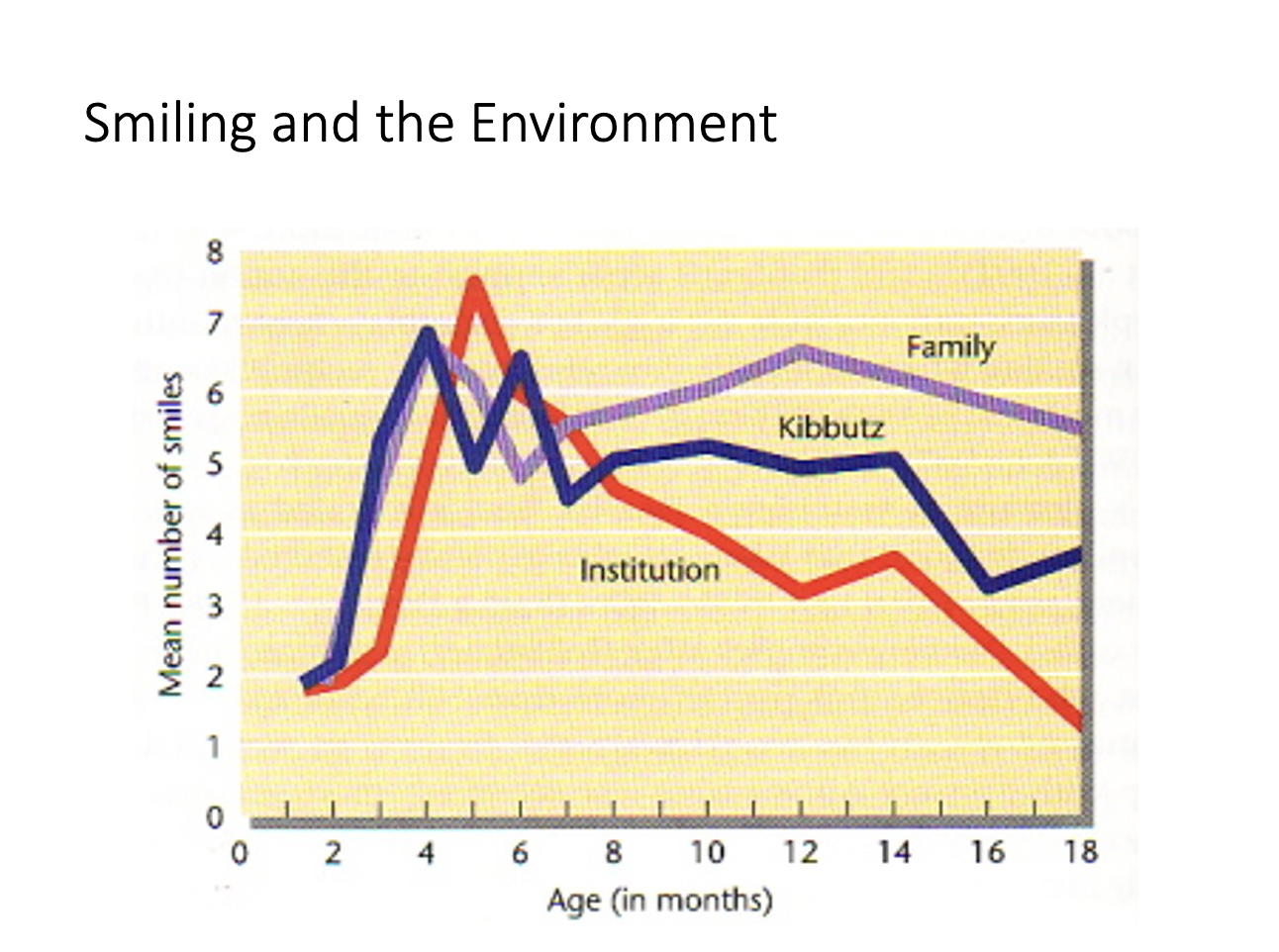
Early in age (6 months) rise in total number of smiles for all groups
Negative Emotions: Fear
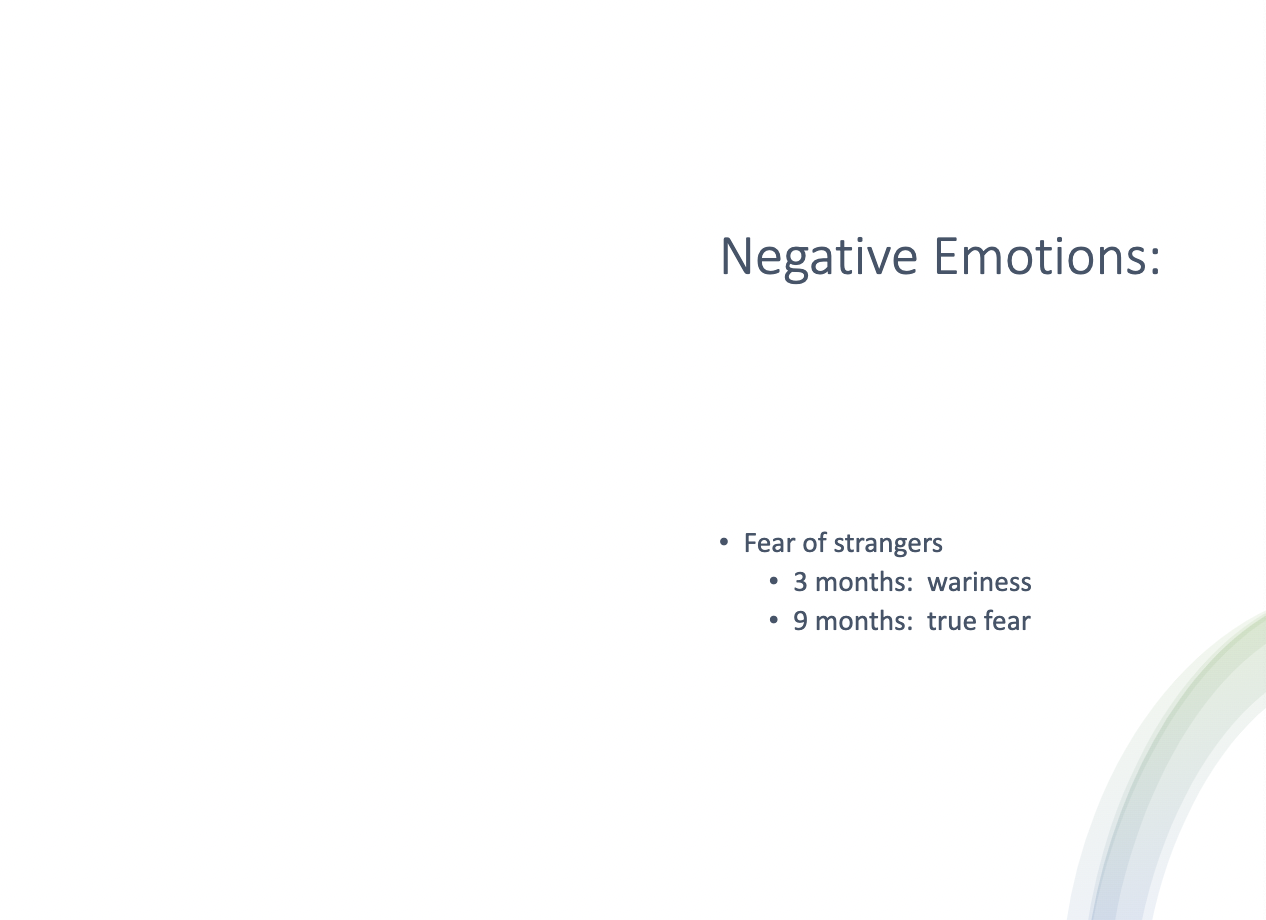
3 months: wariness of strangers
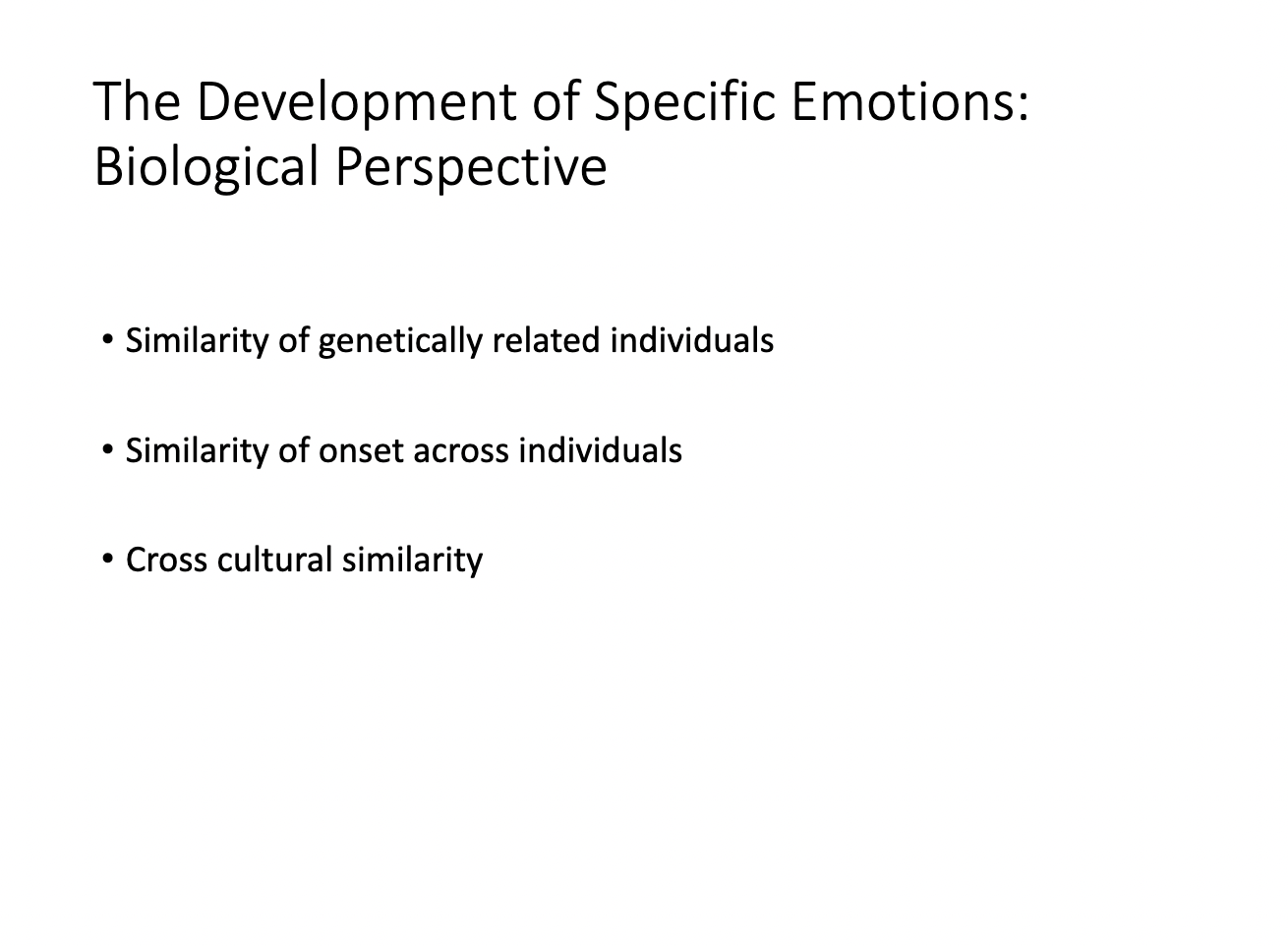
Monoizogotic twins are more likely to be similar to each other in which the timing is the same when social smiling emerges
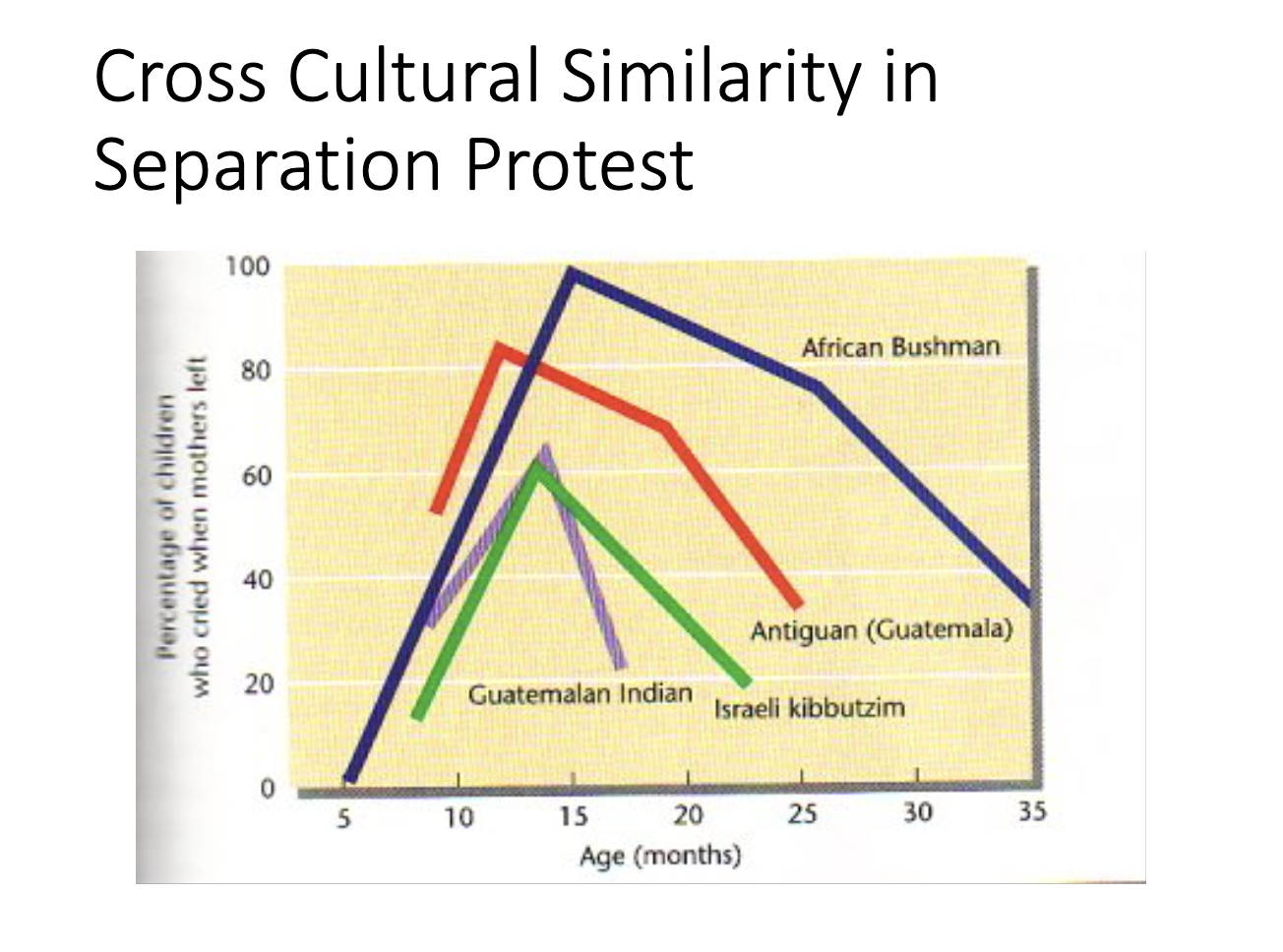
These seperations in the Guatemalan protest peak at 1
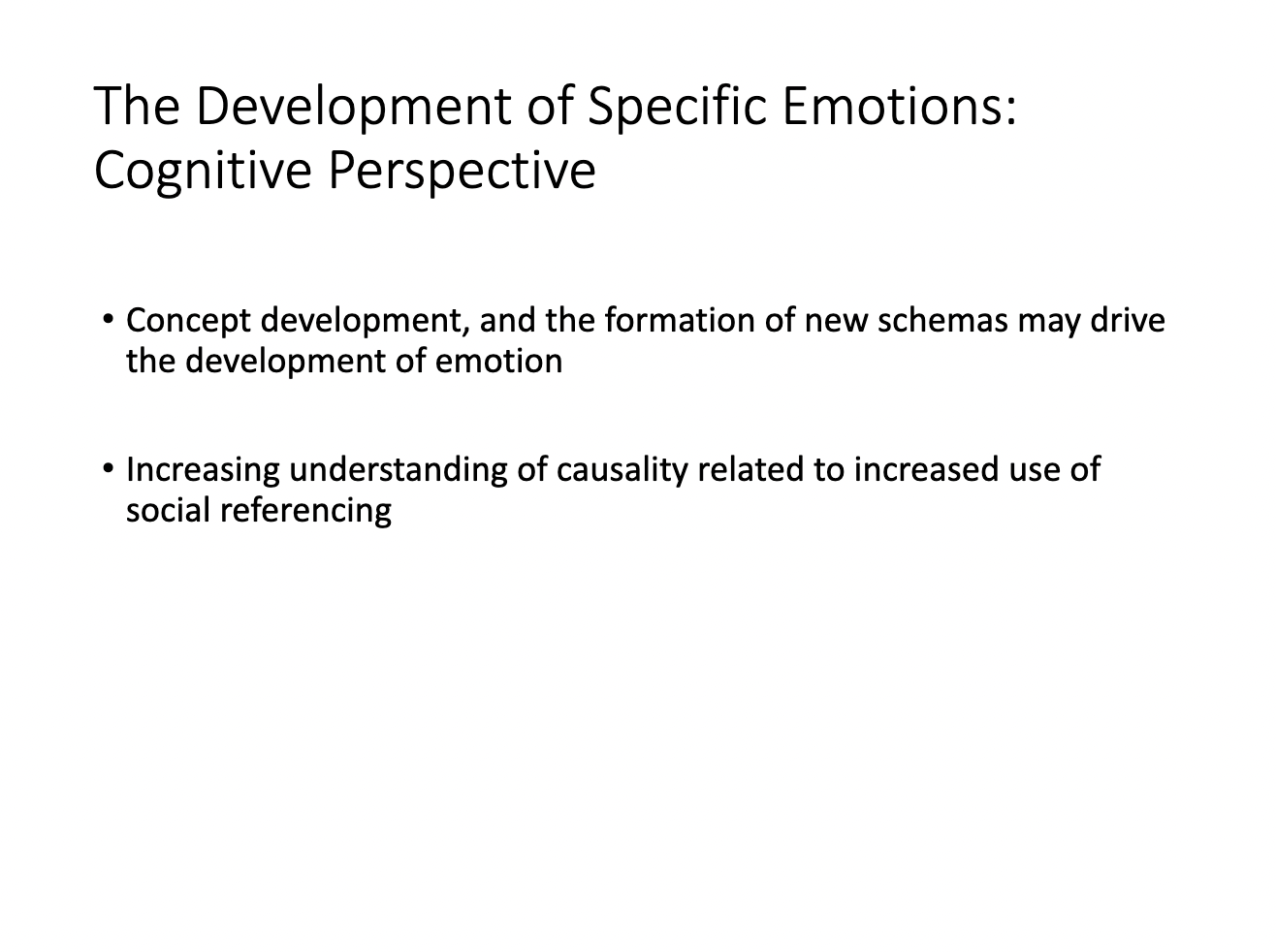
Whats appropriate for girls vs. boys?
We have schemas for these types of contexts
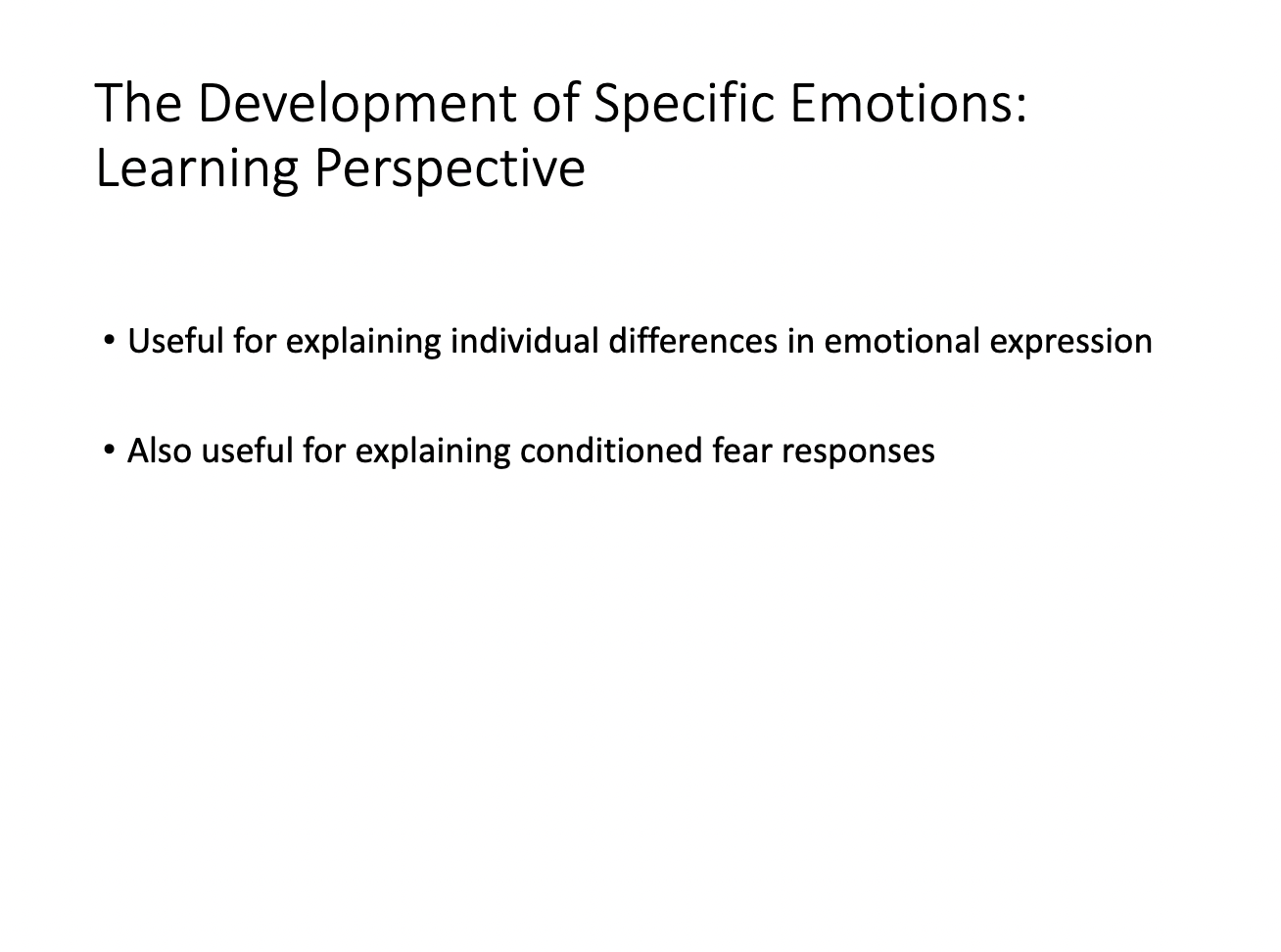
The learning perspective on emotion development emphasizes that emotions are learned through interactions with the environment, including the influence of social experiences, parenting styles, and cultural norms. According to this perspective, emotions like happiness, fear, anger, pride, and guilt are not innate but are shaped by external influences over time. Children learn how to express, regulate, and experience emotions based on the reinforcement and punishment they receive in their environments
Secondary Emotions: Pride, Guilt, Shame
These emotions require a more sophisticated level of self-awareness and an understanding of social rules and expectations. The development of these emotions is closely linked to a child's growing Theory of Mind (ToM), which refers to the ability to understand that others have thoughts, feelings, and perspectives different from their own.
Guilt:
Guilt typically emerges around 2–3 years of age, once children start to understand the concept of right and wrong. This emotion is connected to an understanding that they have violated a moral standard or disappointed someone.
Theory of Mind plays a crucial role in the development of guilt. Children with a more developed ToM understand that their actions can affect others’ feelings. They feel guilty when they hurt someone’s feelings, break something, or act in a way that goes against moral expectations, even if they didn’t intend to cause harm.
Guilt is often related to personal responsibility—the child acknowledges their role in an undesirable outcome and feels remorse.
Example: A child might feel guilty if they accidentally hurt a friend’s feelings or if they break something important to their parent.
Shame:
Shame is a more self-focused emotion that begins to develop around the age of 3–4 years, though it continues to evolve over time. Shame occurs when a child feels they are inherently bad or unworthy in the eyes of others, especially significant people like parents.
Shame is often experienced when a child believes that they have failed to meet social expectations or have been judged negatively by others. Unlike guilt, which is related to specific actions, shame is more about the child’s sense of self.
Example: A child might feel shame if they are reprimanded by a teacher in front of their peers, or if they believe they’ve done something so wrong that others won’t like them anymore.
Pride:
Pride develops later, typically around 4–5 years of age, as children start to develop a stronger sense of self and their own achievements.
Children feel pride when they accomplish something that is valued by others or when they meet or exceed social expectations, like successfully completing a task or receiving praise.
Example: A child might feel pride after winning a game, drawing a picture, or helping a friend.
Theory of Mind (ToM) and Secondary Emotions:
Theory of Mind is foundational for the development of guilt, shame, and pride because it allows children to recognize how their actions are perceived by others. Children begin to understand that their behavior affects how others feel and think, which is crucial for feeling guilt or shame.
By the time a child has a developed ToM (usually around age 4–5 years), they can reflect on their actions and understand that others may have expectations or judgments about those actions, giving rise to these secondary emotions.