Pathogens
Pathogens. Be able to:
define pathogen and parasite
pathogen: microbe that causes disease
parasite: eukaryotic pathogens that cause disease themselves or act as a vector in spreading disease caused by microbial pathogens
include fungi, protozoans, helminths (worms), and animals
identify the example pathogens under the microscope or from an image
recall the information about scientific name, common name, classification, and associated disease from the pathogen chart
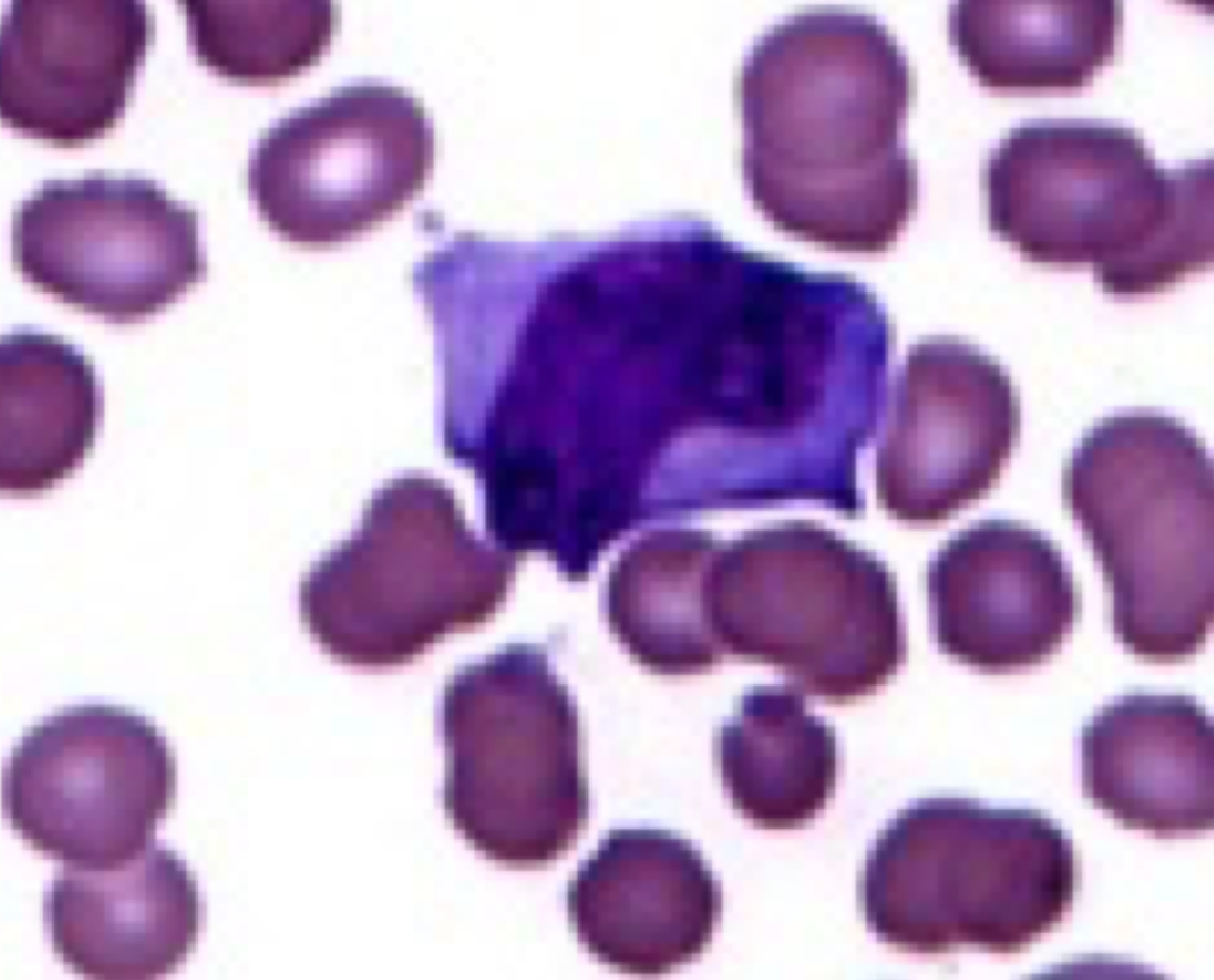
Epstein-Barr Virus
no common name
classification: dsDNA virus
associated disease: infectious mononucleosis (mono)
under microscope: looks like melting lymphocytes, downey WBCs
surrounded by red blood cells
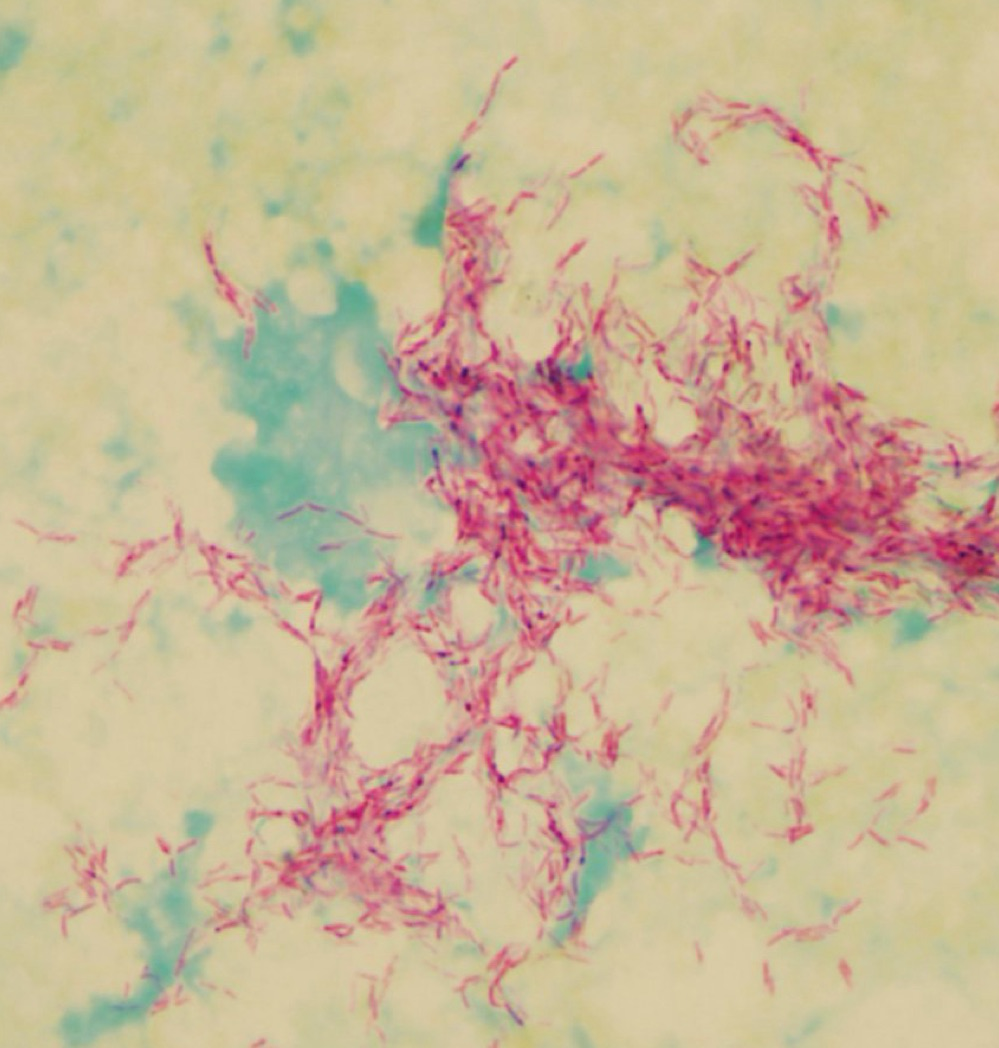
Mycobacterium tuberculosis
No common name
Classification: Acid fast bacillus
Associated disease: tuberculosis
under microscope: looks like pink bacilli (rod) in clusters or in a line
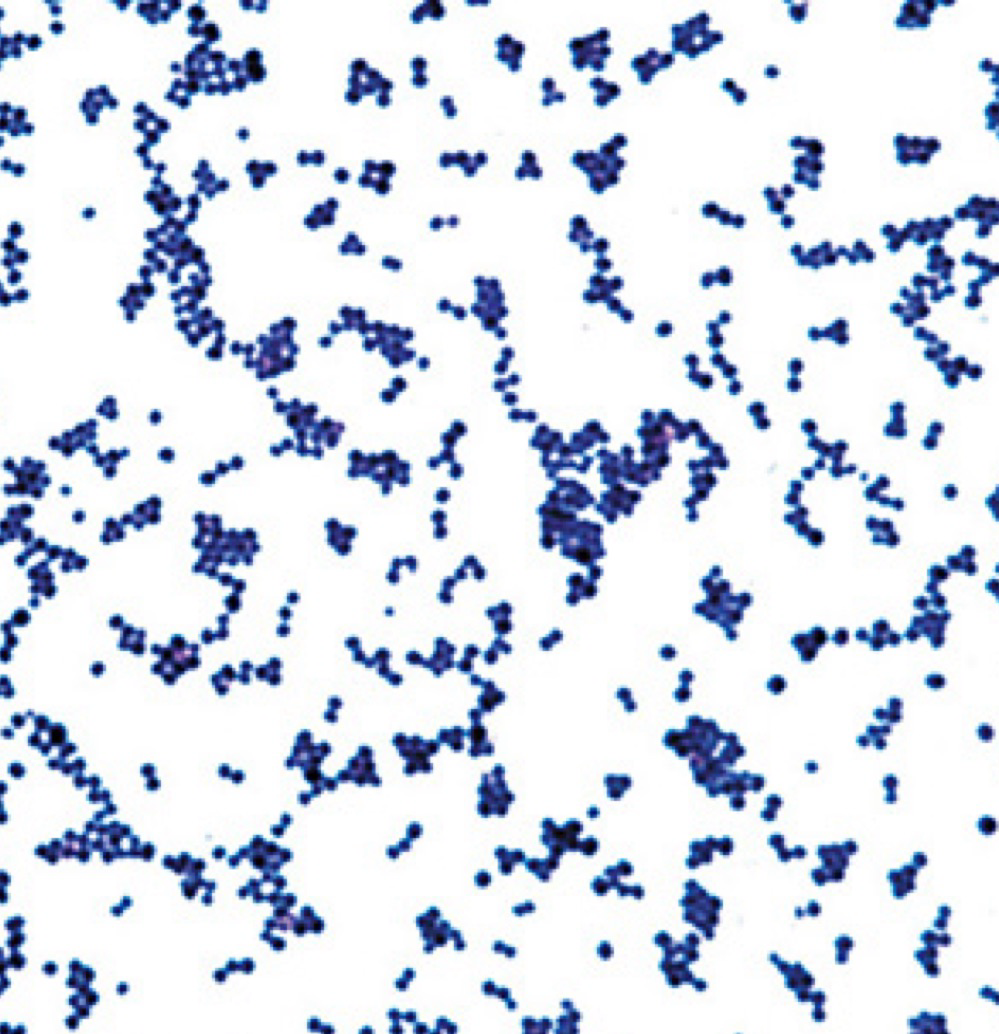
Staphylococcus aureus
no common name
classification: gram positive Staphylococcus bacteria
associated disease: staph infection
under microscope: looks like purple cocci (round) in clusters
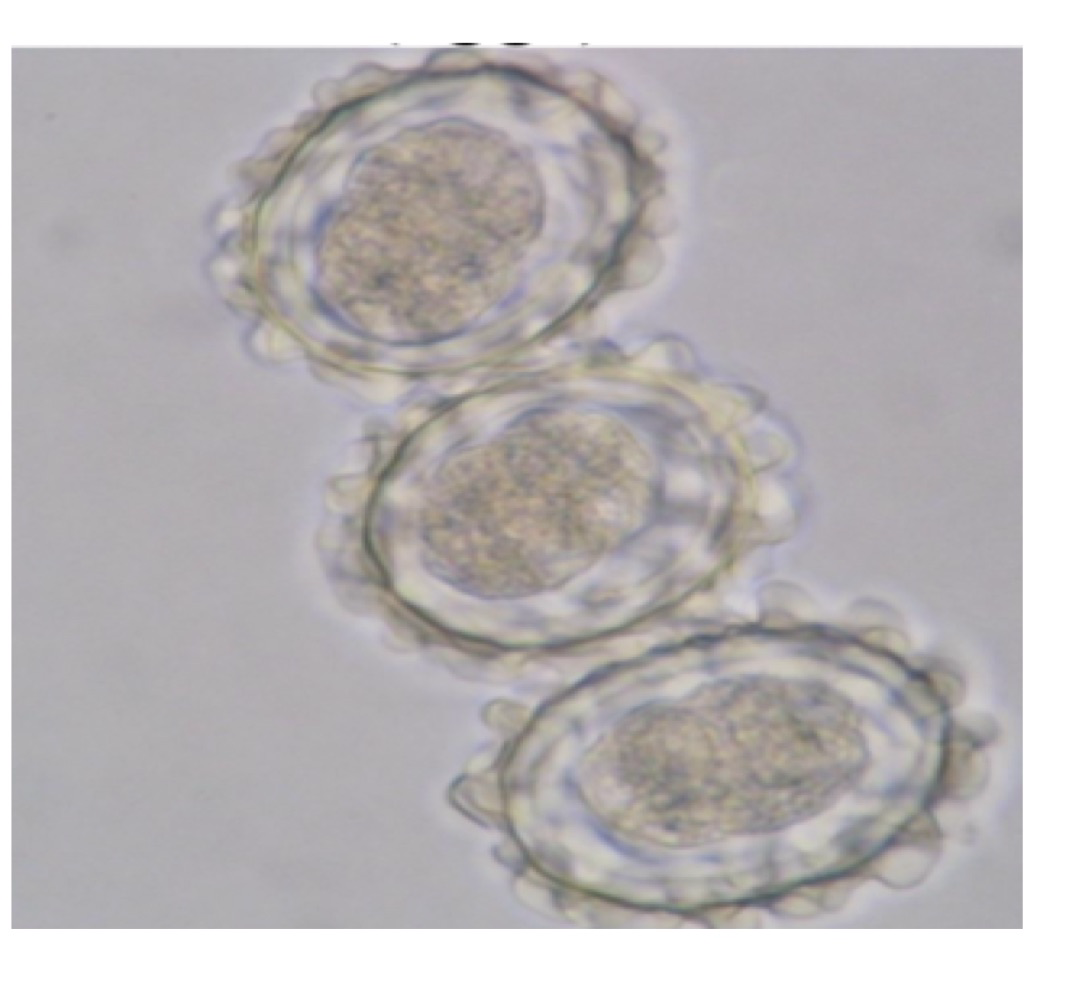
Ascaris lumbricoides
Common name: Round worm
Classification: nematode helminth
Associated disease: ascariasis
under microscope: looks like a big egg with purple ring and dark center, some have bumps on surface
they are eukaryotes so eggs are big
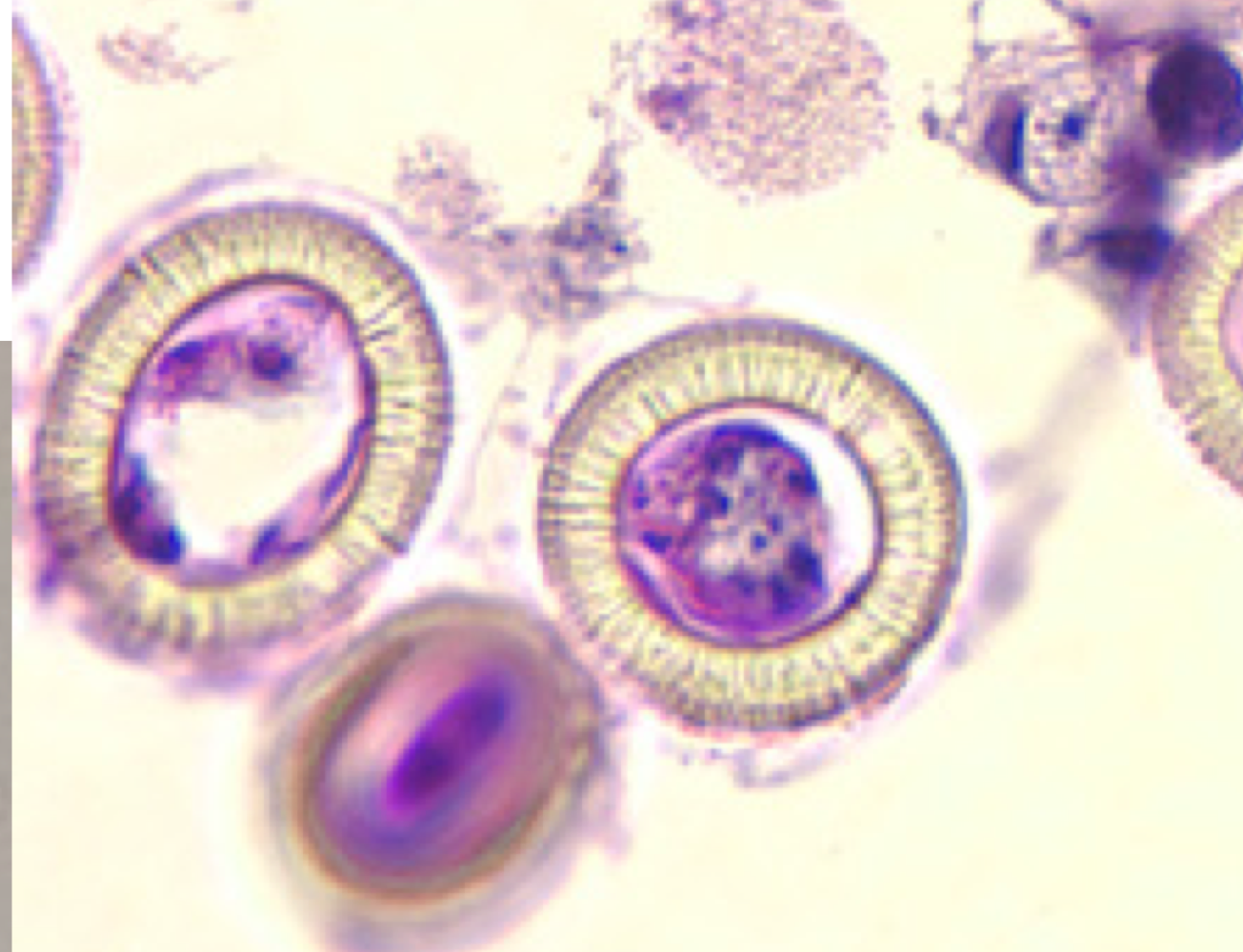
Taenia solium
common name: tapeworm
classification: cestode helminth
Associated disease: taeniasis
under microscope: looks like egg with thick rings, rings contain lines
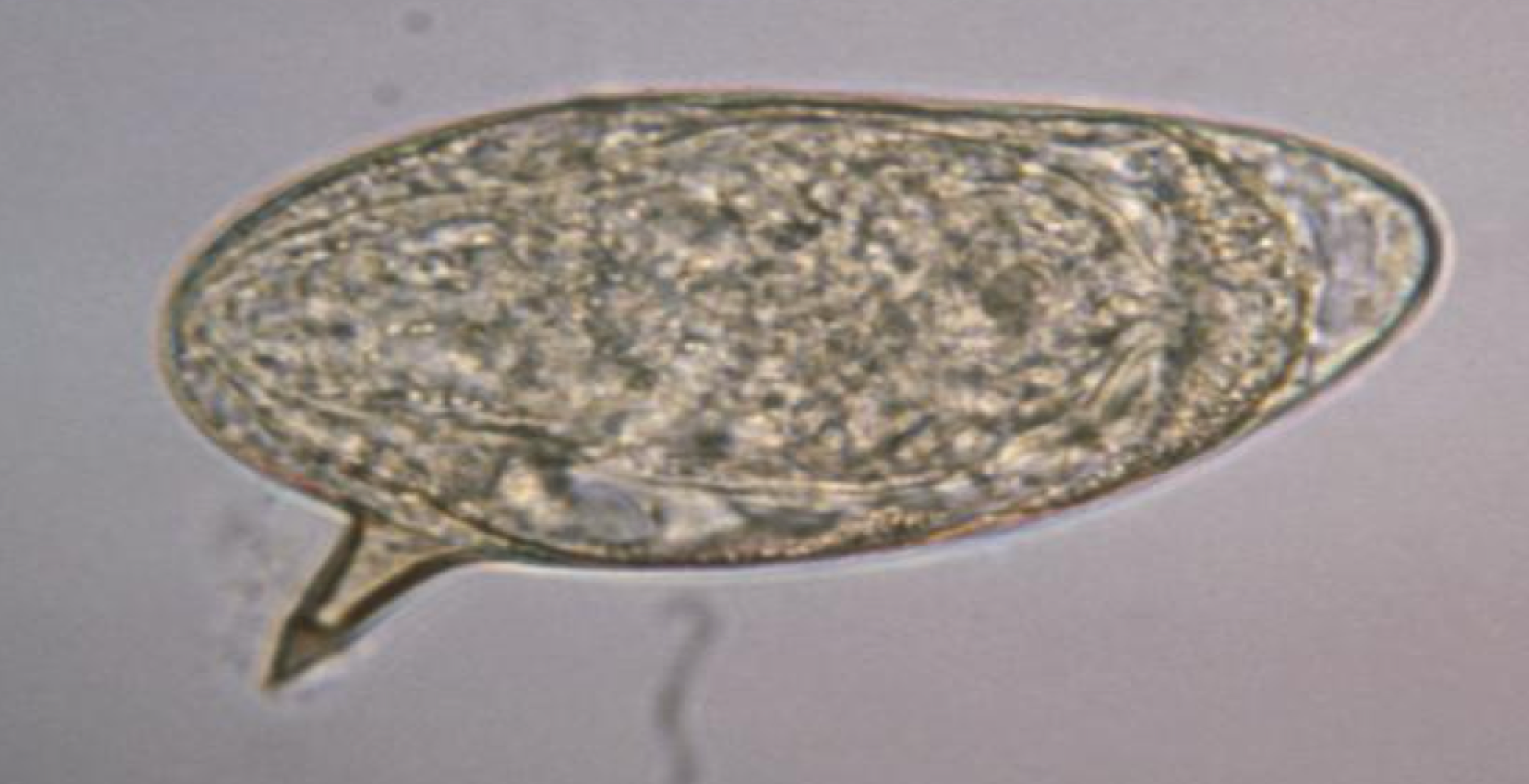
Schistosoma mansoni
no common name
classification: Trematode helminth
associated disease: schistosomiasis
under microscope: looks like oval with spine (sharp edge) coming out of it, looks like a word bubble
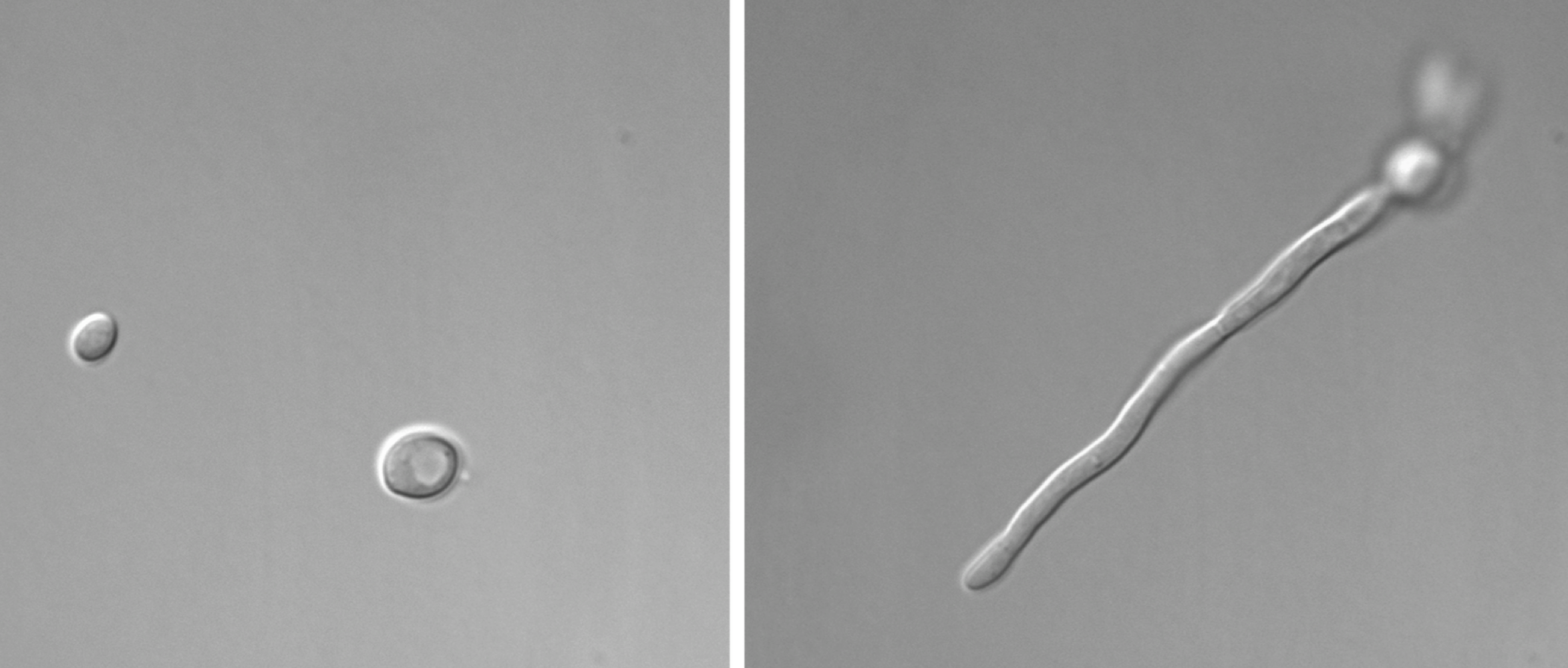
Candida albicans
common name: yeast
classification: Fungus
associated disease: candidiasis (yeast infection)
under microscope: looks like clear dots, others look like clear hyphae
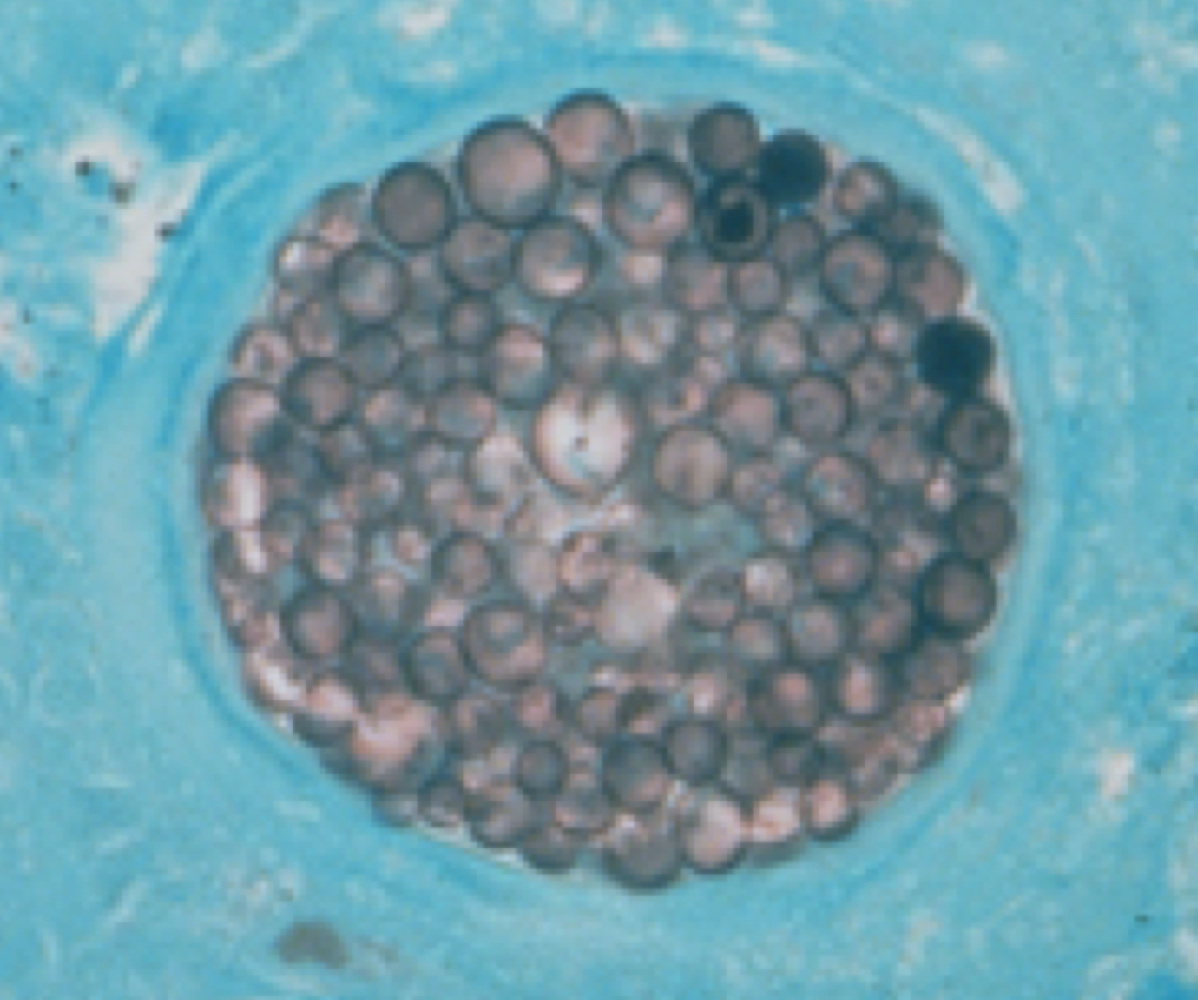
Coccidioides immitis
no common name
classification: fungi
associated disease: valley fever (coccidioidomycosis)
under microscope: looks like eggs clustered together in a circle, blue background
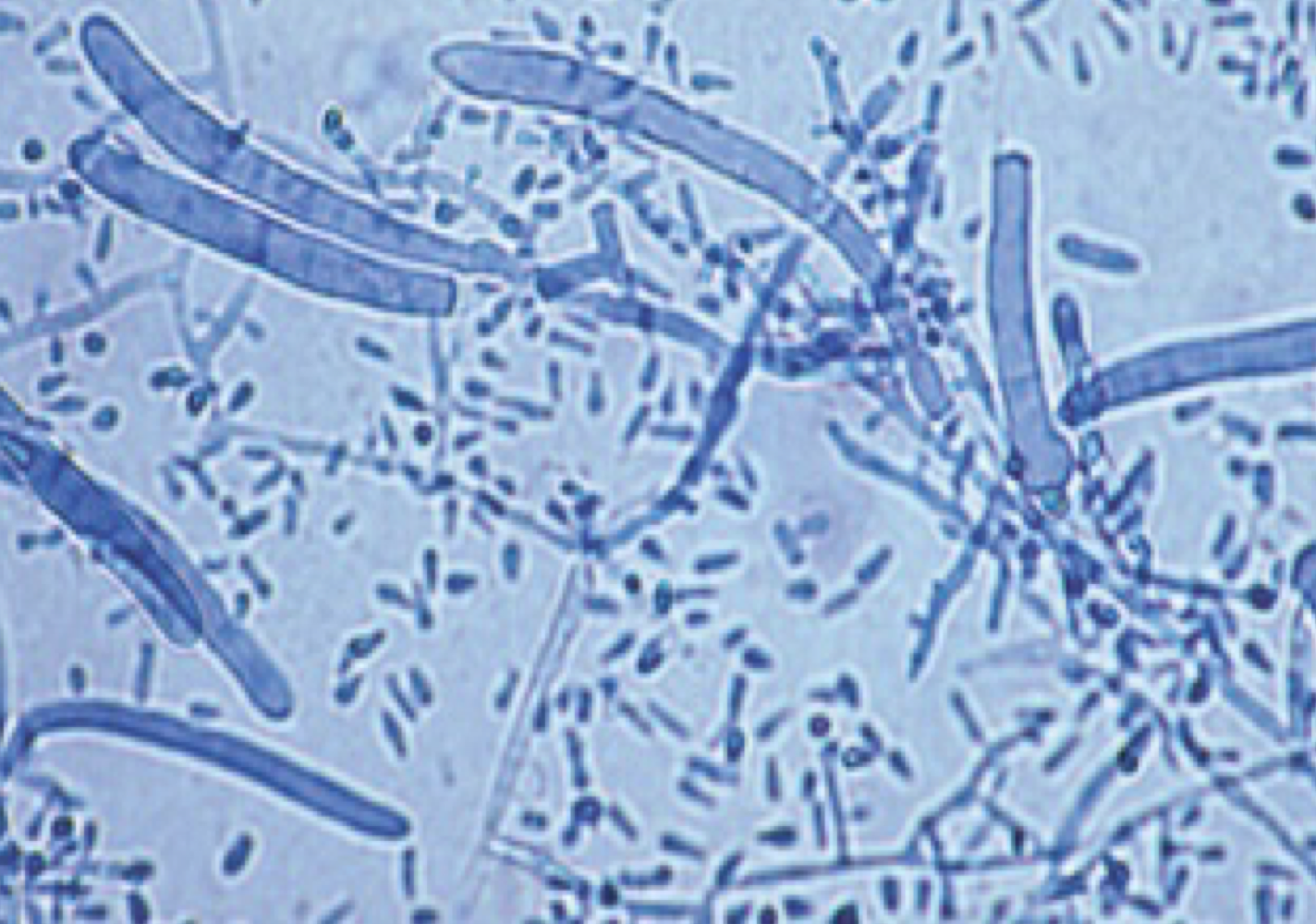
Trichophyton rubrum
no common name
classification: fungi
associated disease: ringworm, athlete’s foot, jock itch (tineas)
under microscope: looks like bacilli (rods) with different sized hyphae
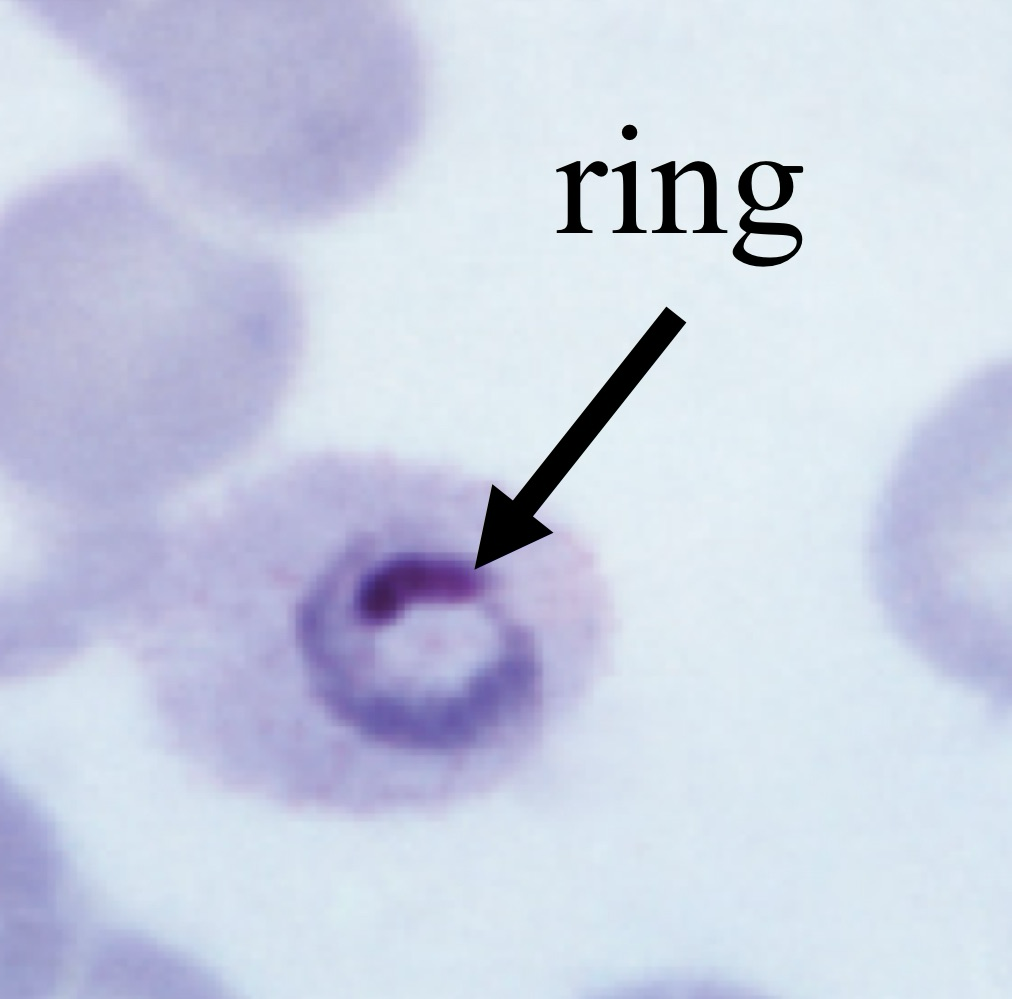
Plasmodium spp.
no common name
classification: protozoan
common disease: malaria
under microscope: looks like red blood cell with a ring in it, surrounded by red blood cells
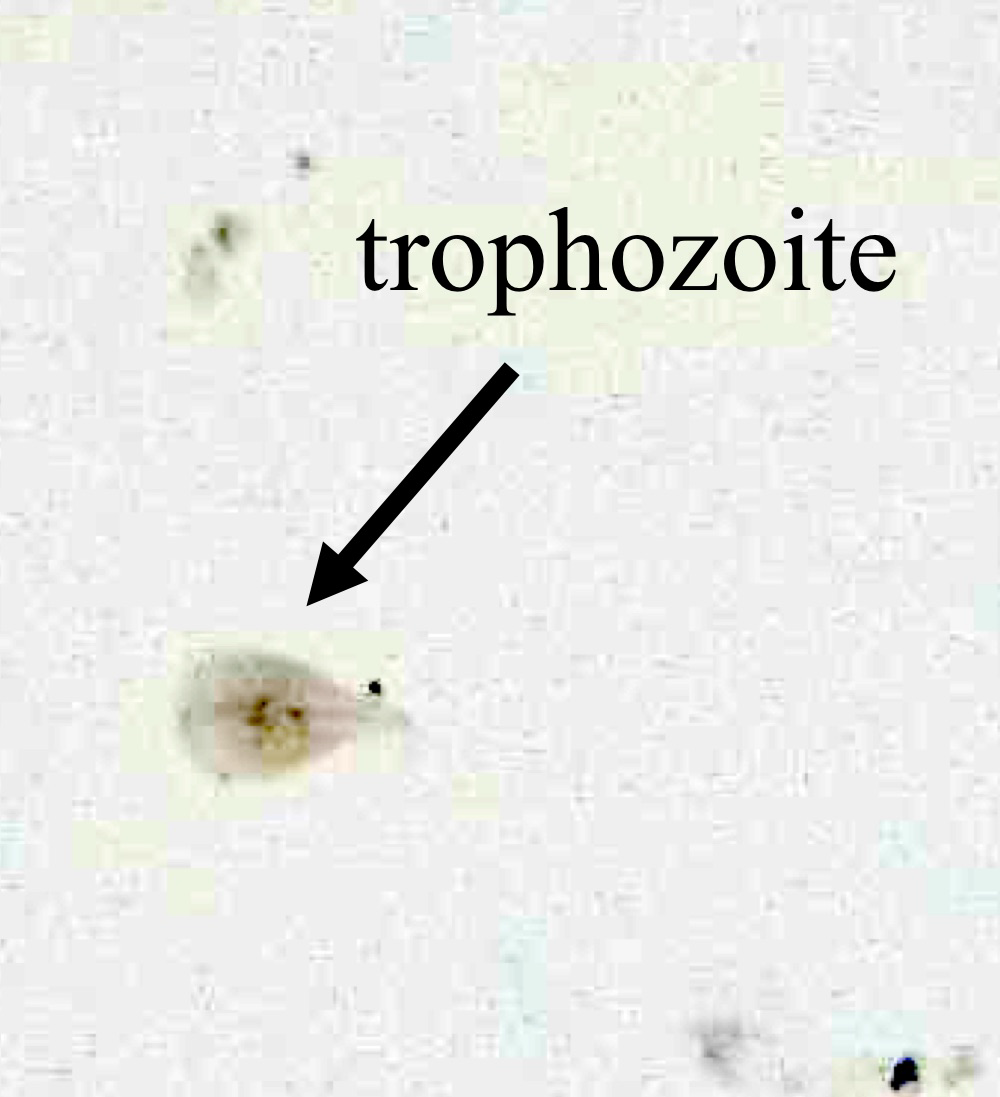
Giardia spp.
no common name
classification: protozoan
common disease: giardiasis
under microscope: looks like pale tear-drop shaped shell
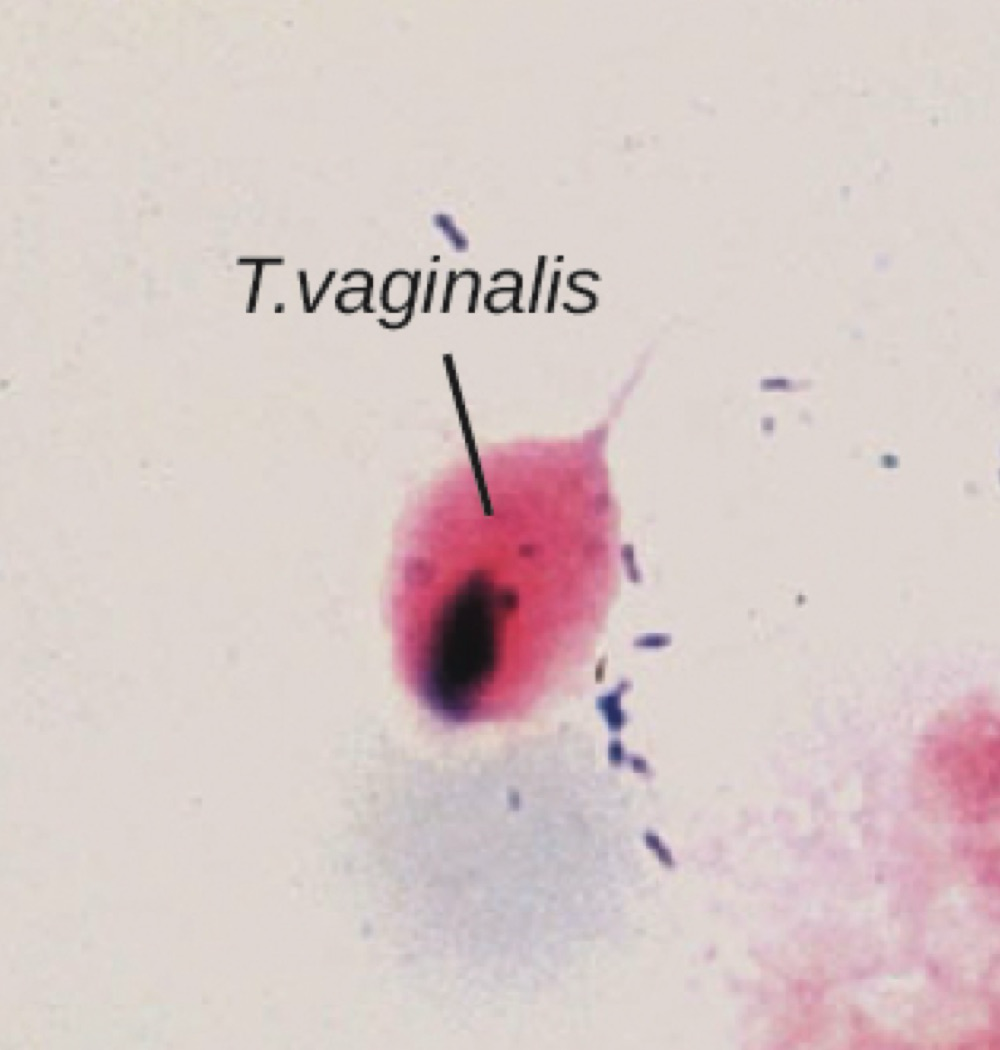
Trichomonas vaginalis
no common name
classification: protozoan
associated disease: trichomoniasis
under microscope: looks like pink and purple ovals with long flagellum coming off of cell
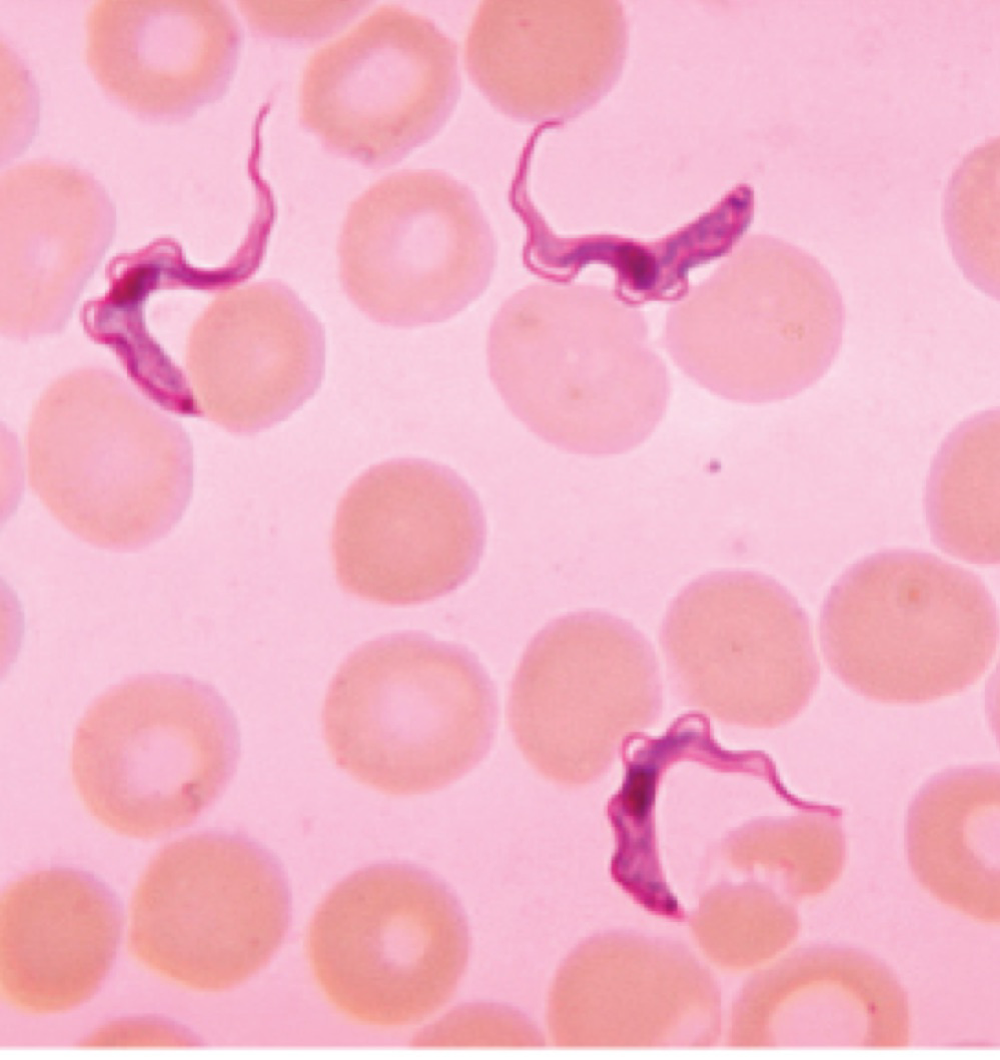
Trypanosoma spp.
No common name
Classification: Protozoan
associated disease: trypanosomiasis, chaga’s disease
under microscope: looks like squiggly looking cells surrounded by red blood cells
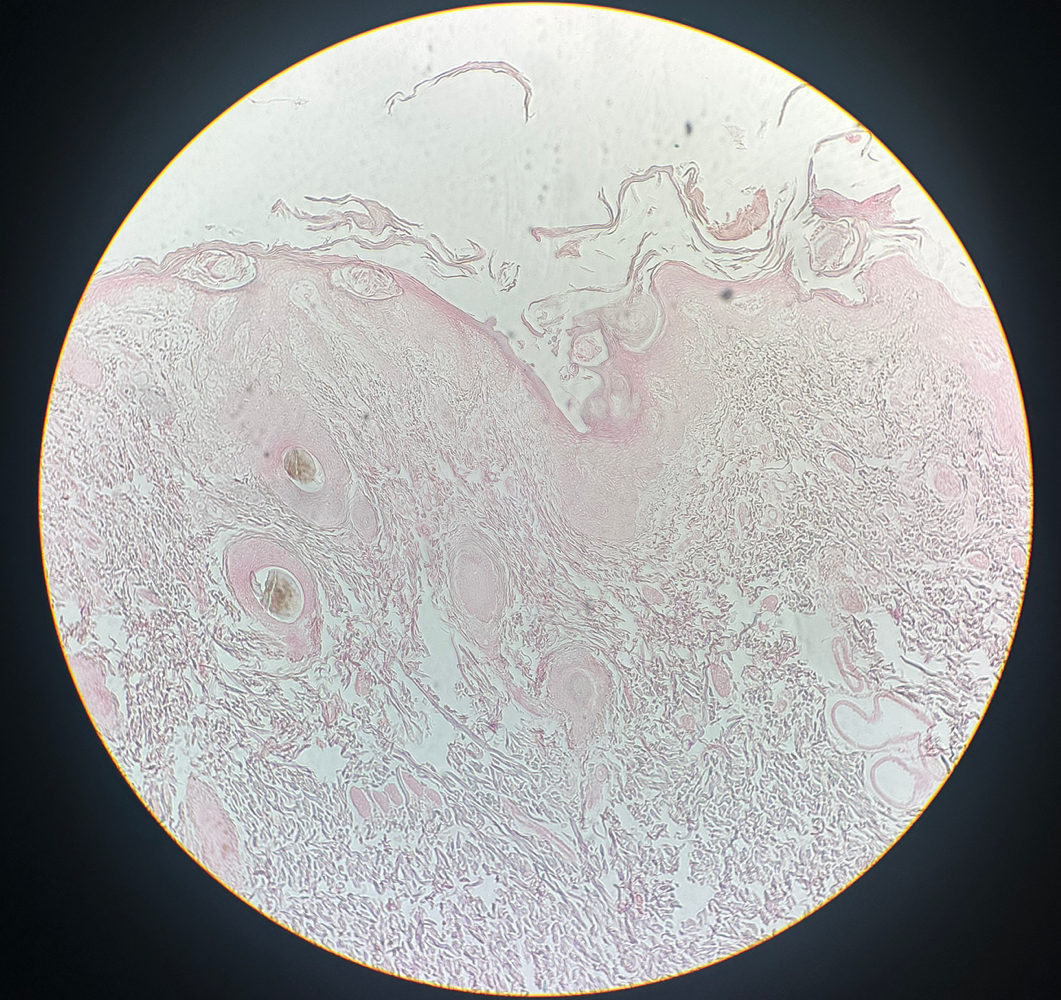
Sarcoptes scabiei var. hominis
common name: mite
classification: animal (pathogen)
associated disease: scabies
under microscope: looks like skin slide with mites and eggs under first layers OR a round, translucent bug
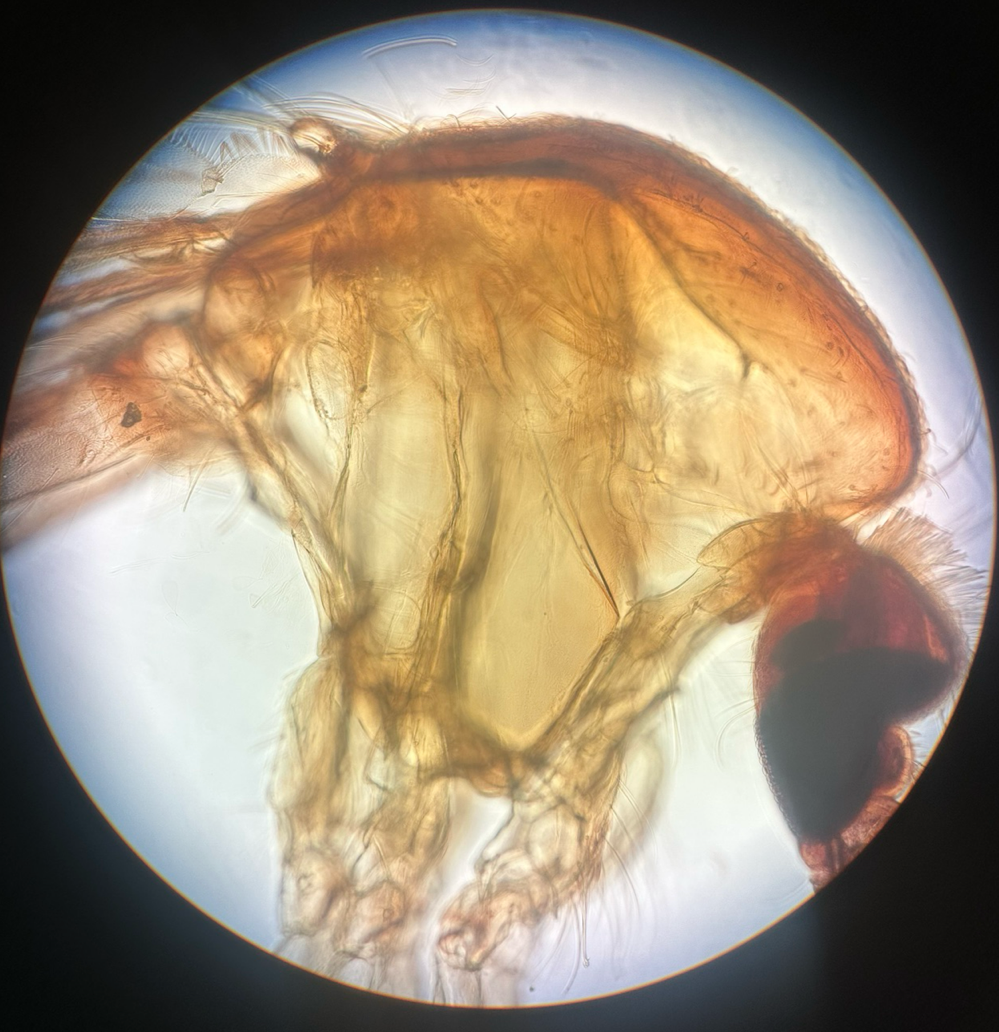
Anopholes spp.
common name: mosquito
classification: animal (biological vector)
associated disease: malaria (and many others)
under microscope: looks like a mosquito with long legs
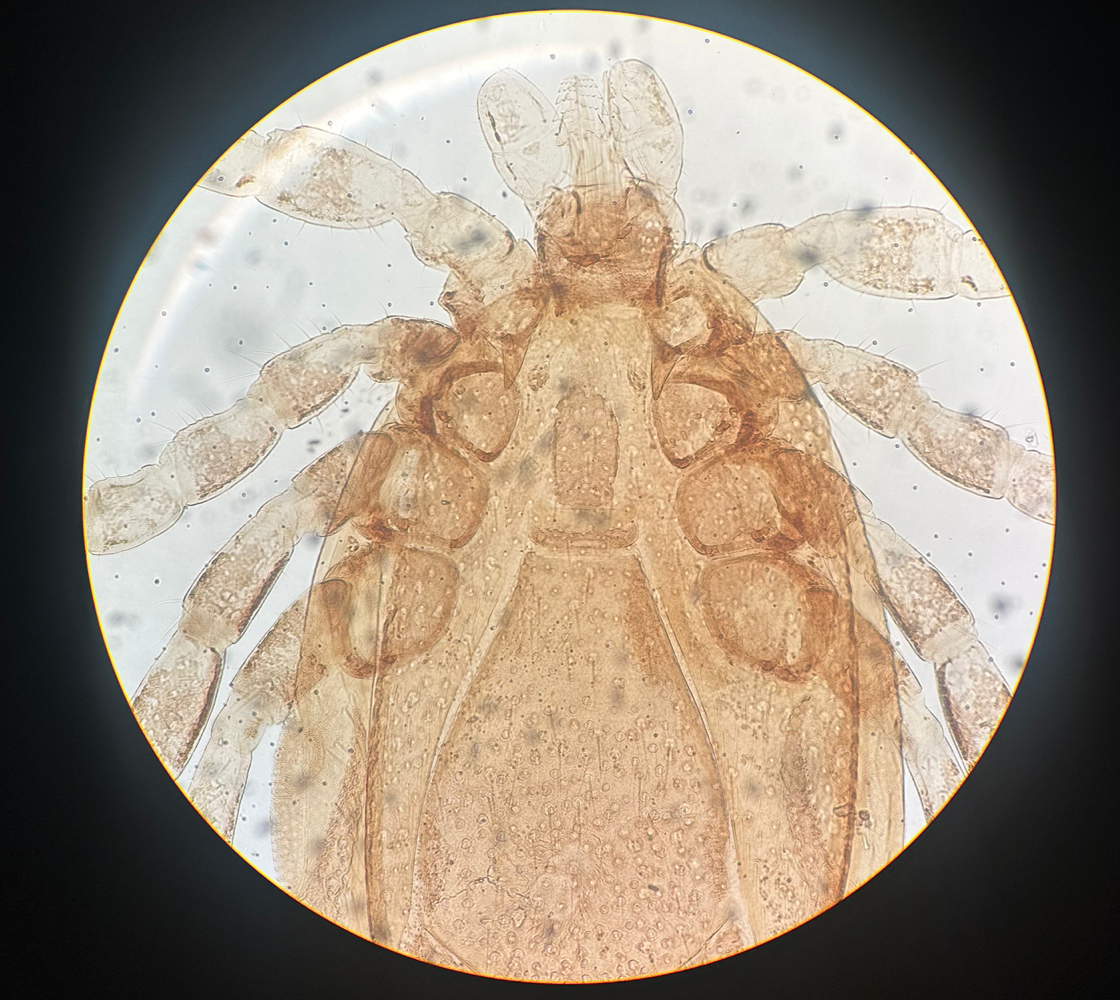
Ixodes spp.
common name: tick
classification: animal (biological vector)
common disease: Lyme disease (any many other)
under microscope: looks like yellow, oval shaped bug