Igneous Rocks
Intrusive vs Extrusive
Intrusive rocks cool very slowly below Earth’s surface, producing mineral crystals that can be seen with the naked eye.
Extrusive rocks cooled either at the surface of the Earth(fast) or in the atmosphere (very nice). Crystals are too small to be seen.
Rock Texture
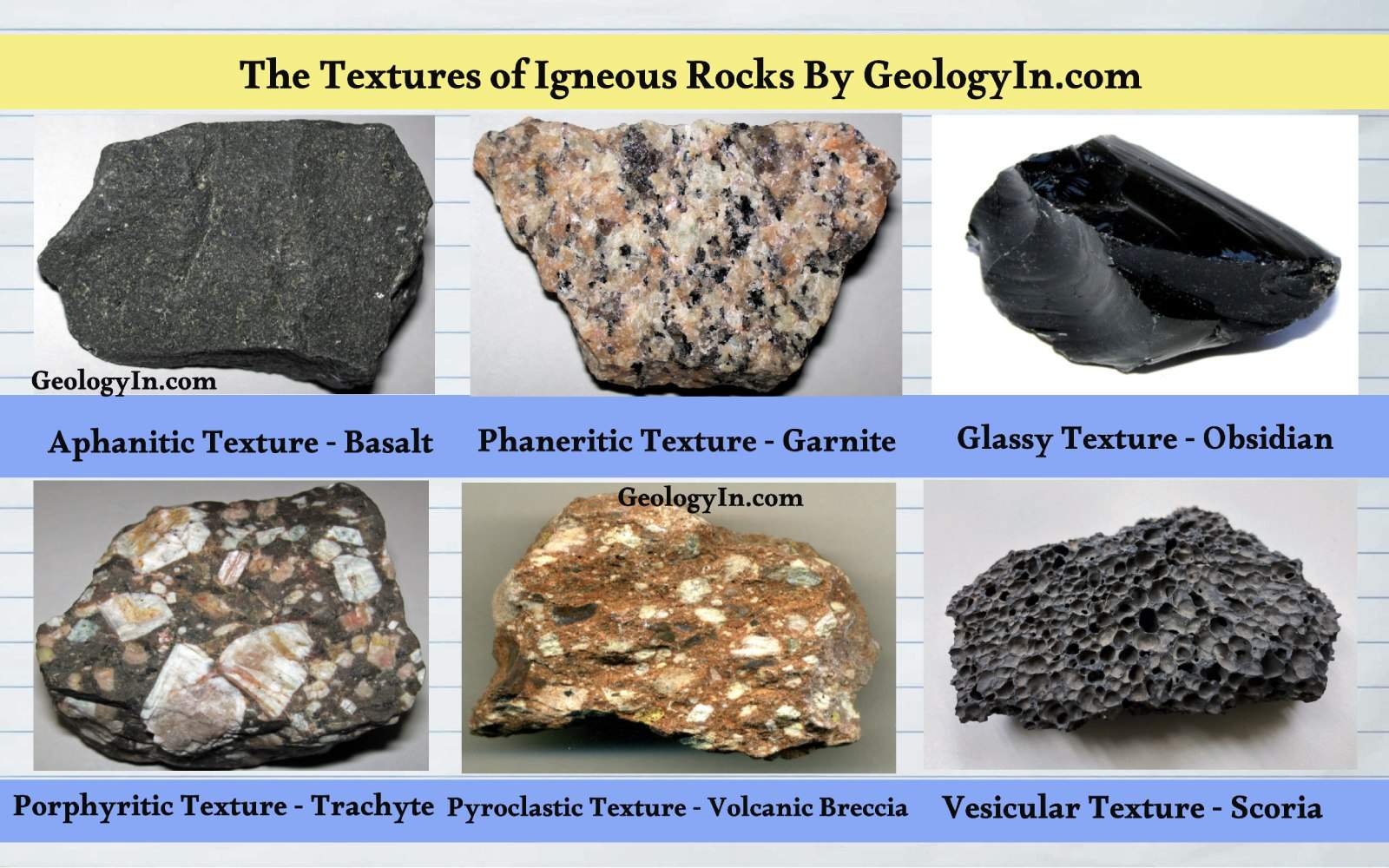
Aphanitic - fine grained, crystals too small to be seen, can exhibit small rounded cavities
Phaneritic - Individual crystals are visible to the naked eye and are typically of roughly uniform size.
Glassy - extreme rapid cooling, no crystals, smooth surface
Porphyritic - visible crystals embedded in fine grains
Pyroclastic - shows a mixture of rock fragments, pumice, and volcanic ash
Vesicular - many cavities on its surface and inside
Rock Names
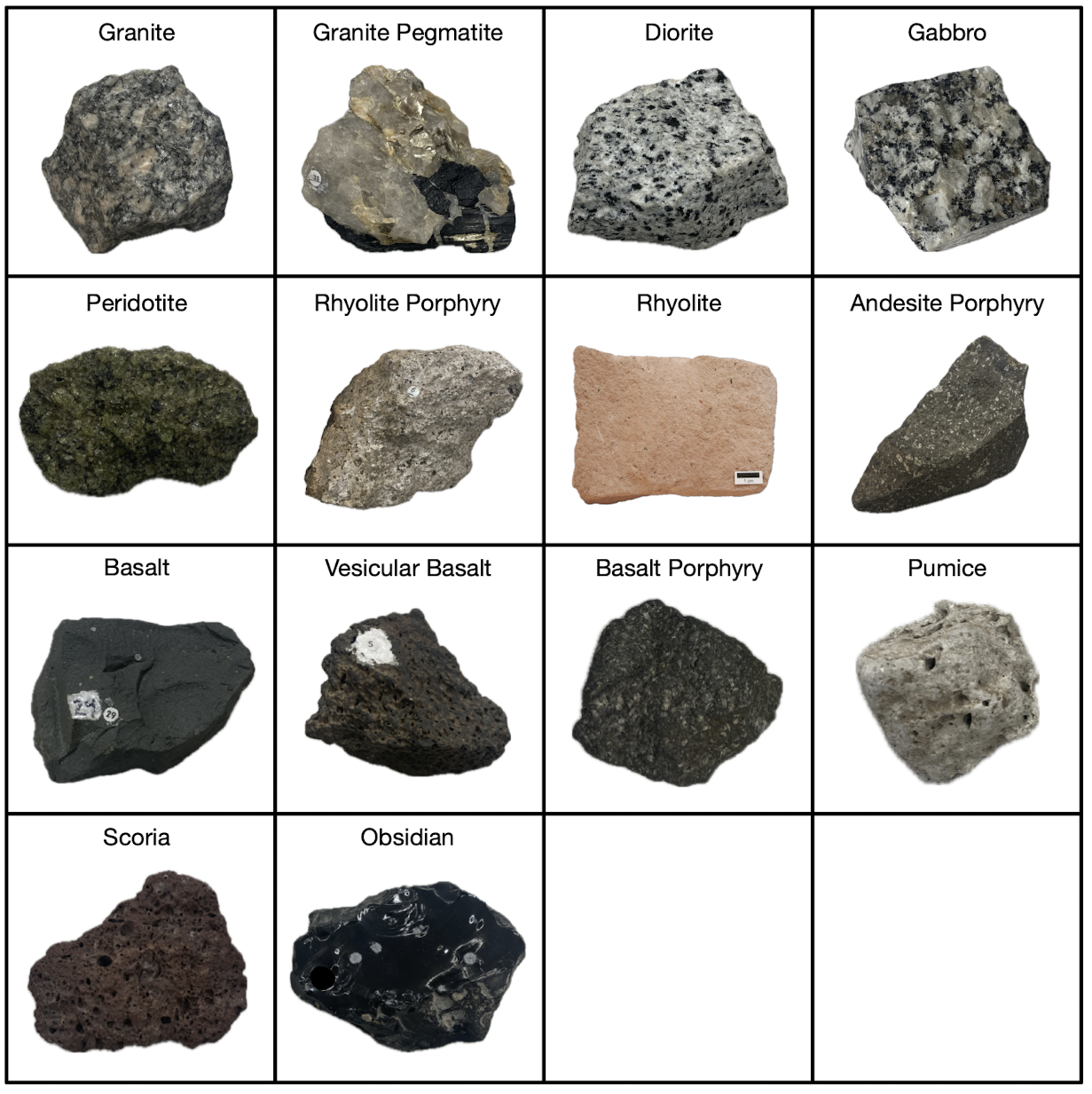
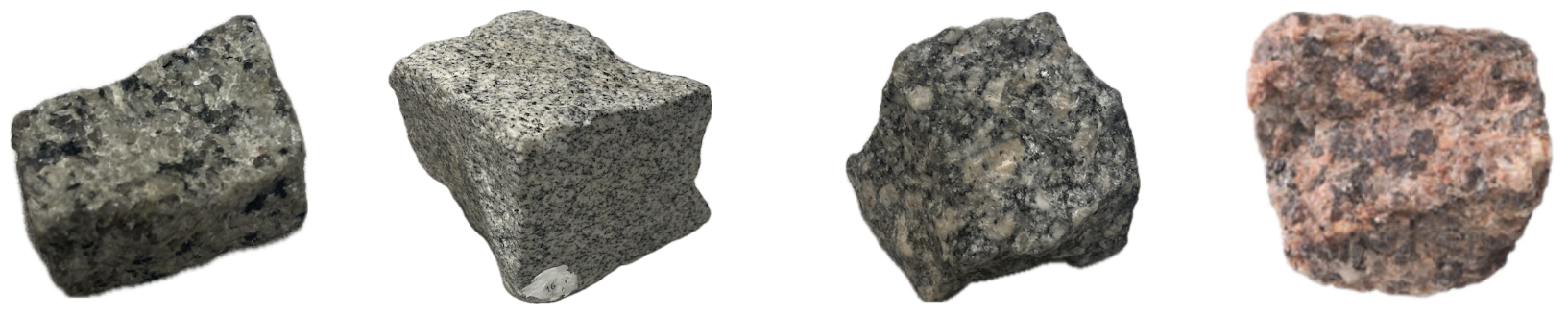
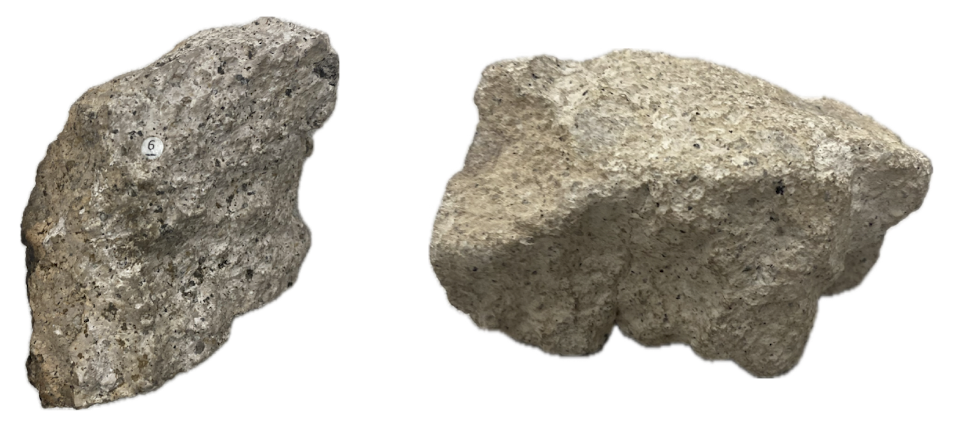
Granite
Intrusive, Phaneritic, Felsic
Can contain feldspar, quartz, biotite
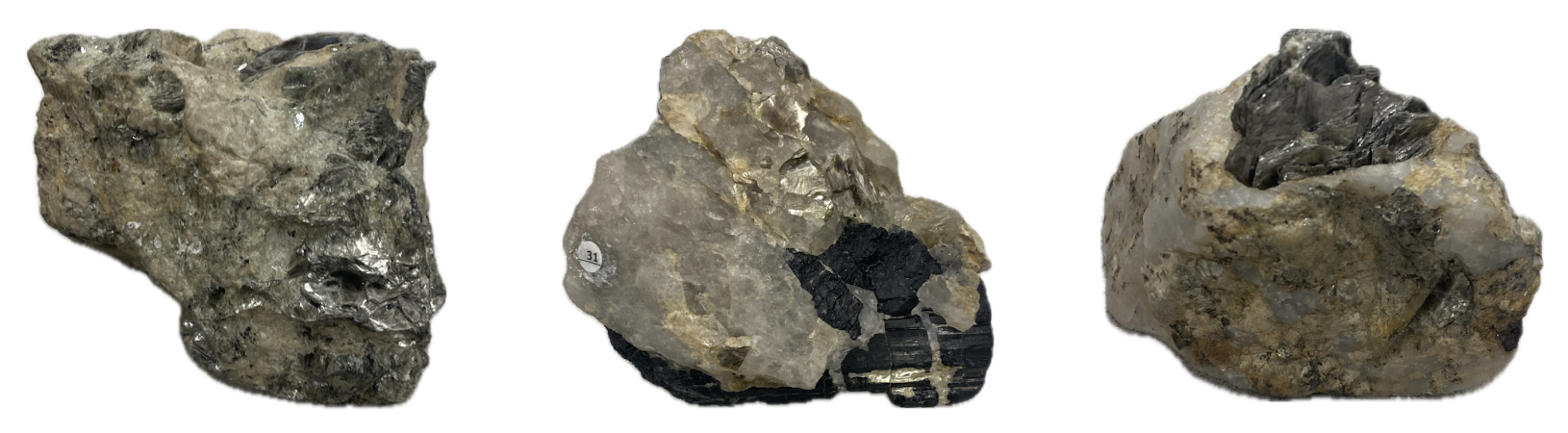
Granite Pegmatite
Intrusive, Phaneritic, Felsic
Can contain quartz, feldspar, muscovite
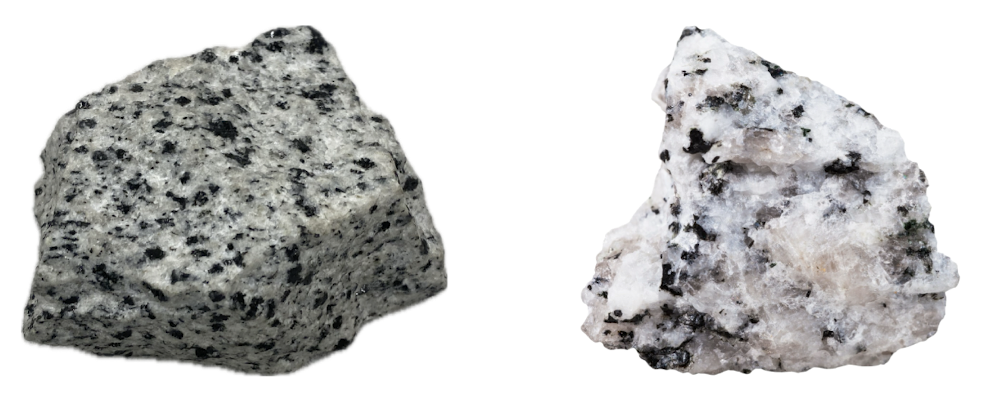
Diorite
Intrusive, Phaneritic, Intermediate
Can contain feldspar, biotite, hornblende
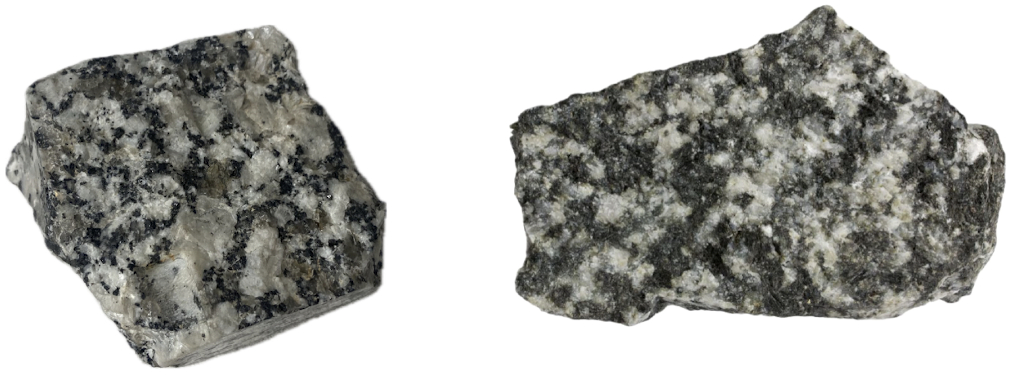
Gabbro
Intrusive, Phaneritic, Mafic
Can contain feldspar, olivine, magnetite, augite
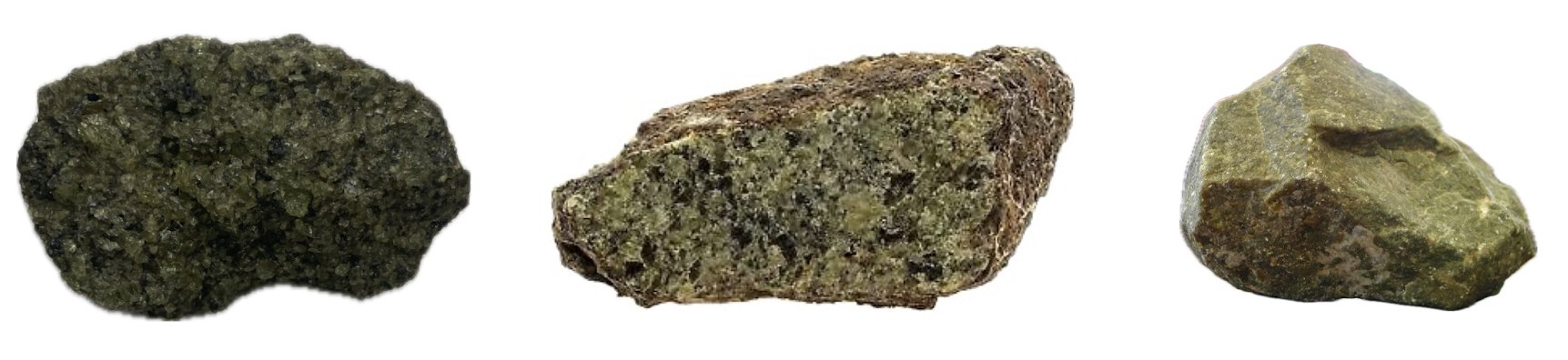
Peridotite
Intrusive, Phaneritic, Ultramafic
Can contain olivine
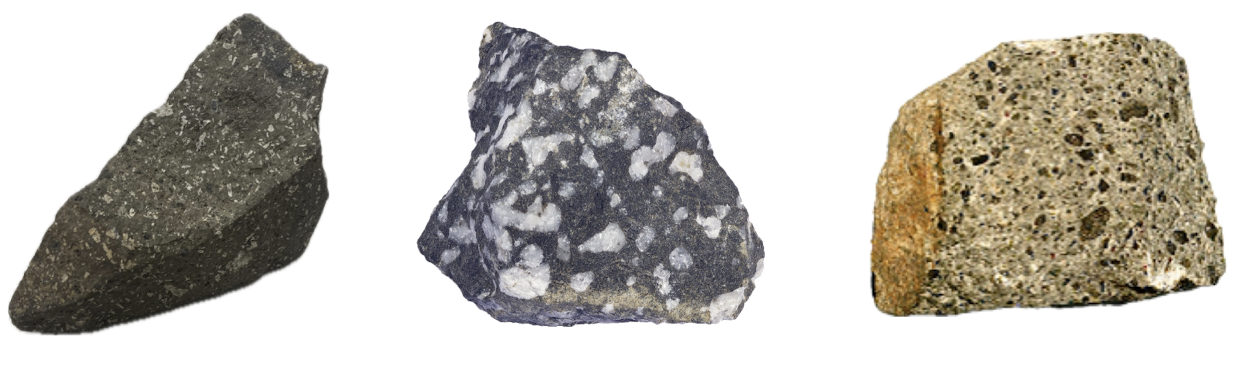
Rhyolite Porphyry
Extrusive, Aphanitic, Felsic
Can contain quartz, plagioclase
Andesite Porphyry
Extrusive, Aphanitic, Intermediate
Can contain plagioclase, hornblende, magnetite, biotite
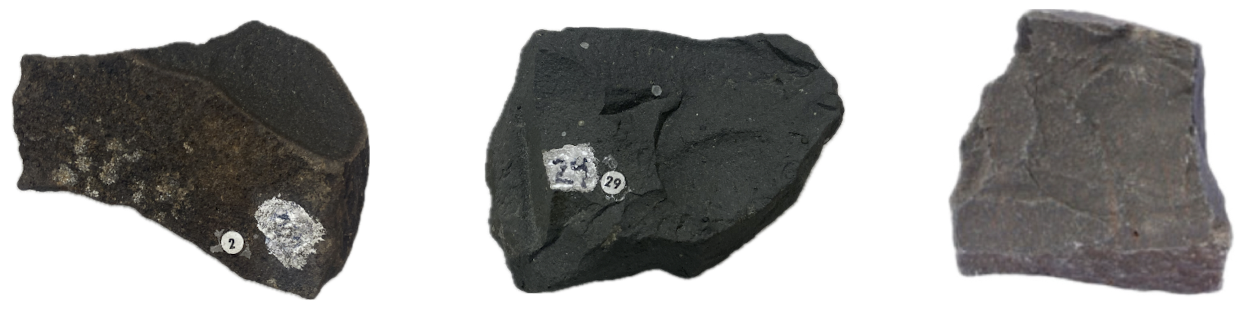
Basalt
Extrusive, Aphanitic, Mafic
Can contain plagioclase feldspar, olivine, hornblende
Basalt Porphyry
Extrusive, Pyroclastic, Mafic
Can contain plagioclase feldspar, olivine
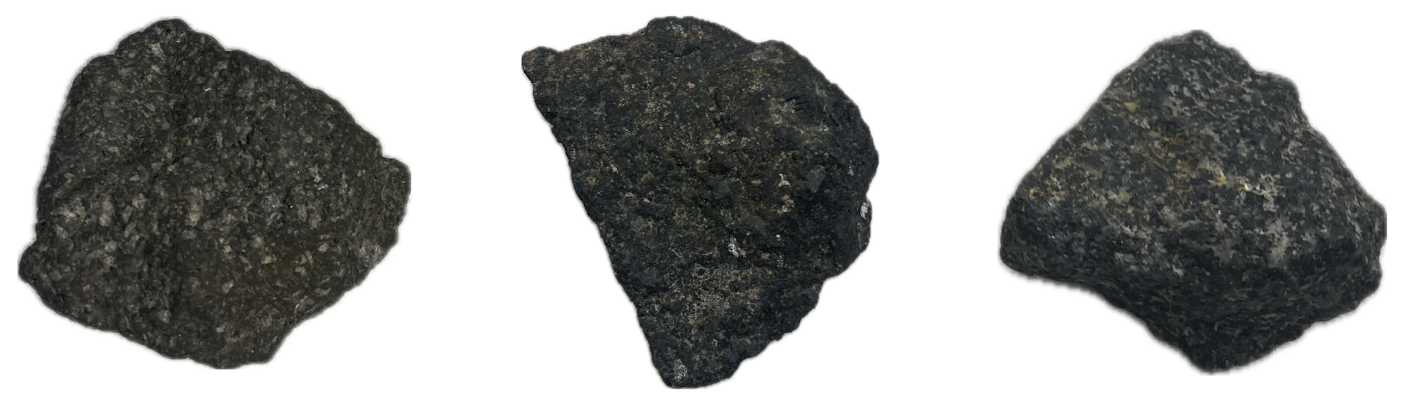
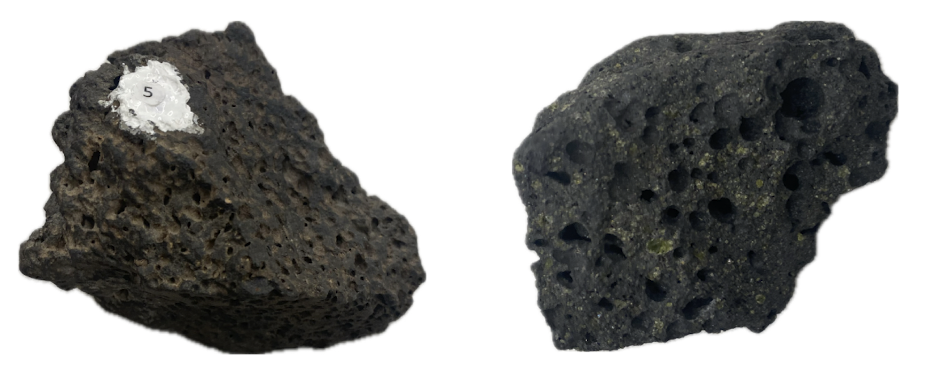
Vesicular Basalt
Extrusive, Aphanitic, Mafic, Vesicles
Can contain hornblende, olivine, biotite
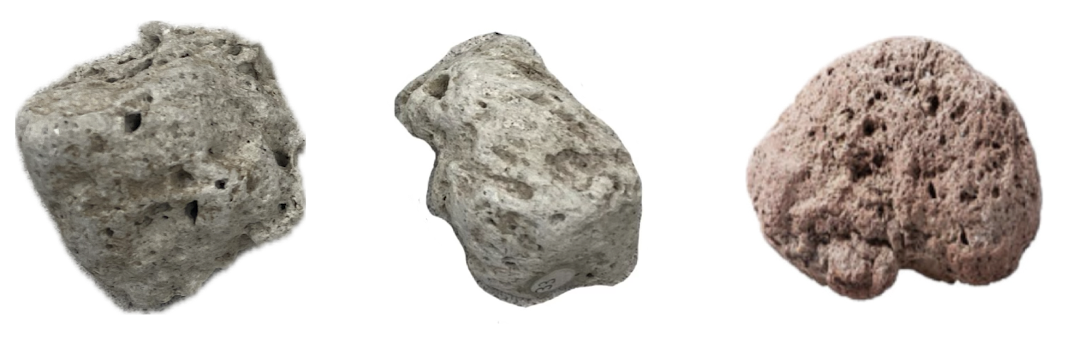
Pumice
Extrusive, Vesicular, Felsic
Can contain hornblende
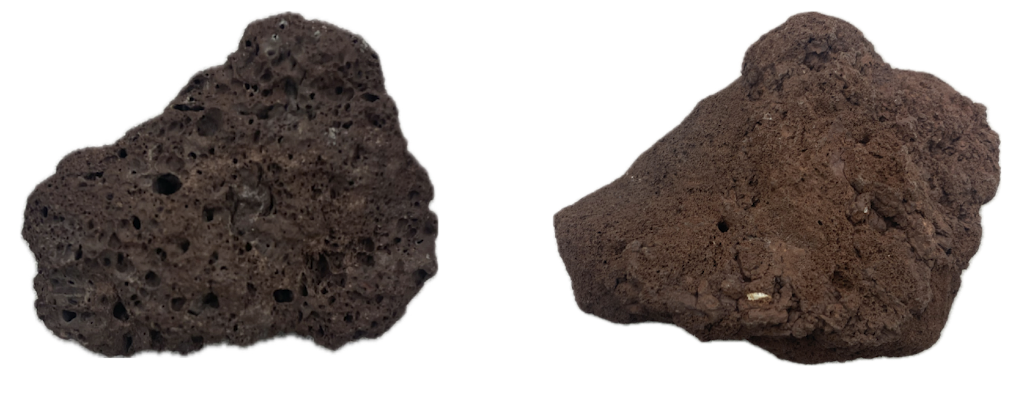
Scoria
Extrusive, Vesicular, Mafic
Can contain olivine, plagioclase
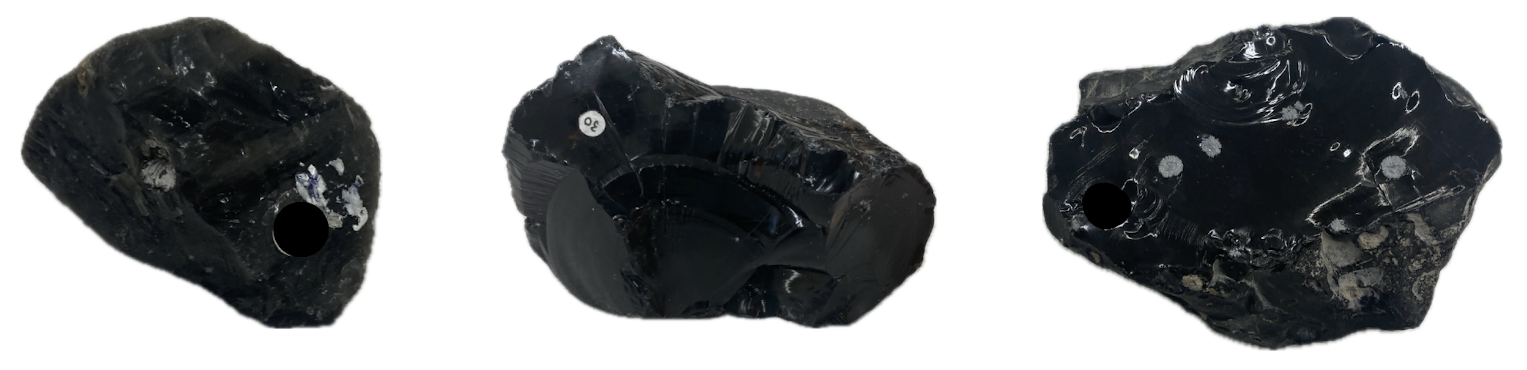
Obsidian
Extrusive, Glassy, Felsic
Can include magnetite, hornblende, biotite, plagioclase