IH Biology Experience 1: Molecules of Life
Lesson 1: The Molecules of Life
Water
Water molecules are polar; the charges are unevenly distributed in the molecule.
Special Properties of Water
cohesion: attraction between molecules of the same substance
adhesion: attraction between molecules of different substances
Solutions and Suspensions
Water’s polarity gives it the ability to dissolve both ionic compounds and other polar molecules.
Acids, Bases, and pH
Low pH = acidic; higher concentration of H+, i.e. hydrochloric acid
High pH = basic; lower concentration of H+, i.e. bleach
7 is neutral → water is neutral
→ ratio of hydrogen ions to hydroxide ions
Carbohydrates and Carbon Chemistry
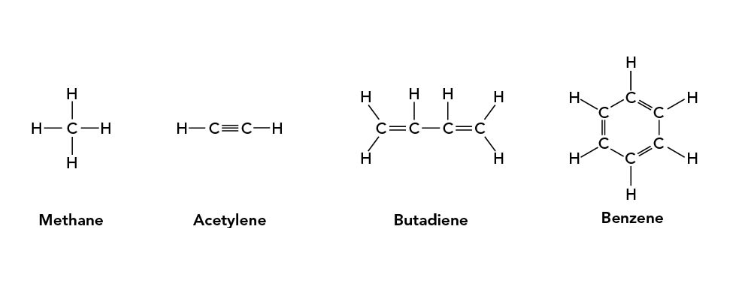
Biomolecules
Biomolecules are large organic molecules/macromolecules found in living things, i.e. carbs, proteins, nucleic acids, and fats/lipids. Monomers build polymers through polymerization
Carbohydrates
Living things use carbohydrates as sources of energy and for structural purposes.
Monomer = monosaccharide
Polymer = polysaccharide
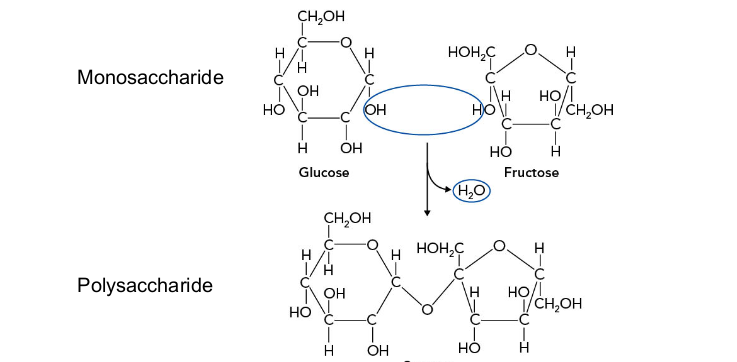
Dehydration reaction combines monosaccharides into a polysaccharide. 4 cal/gram.
Lipids
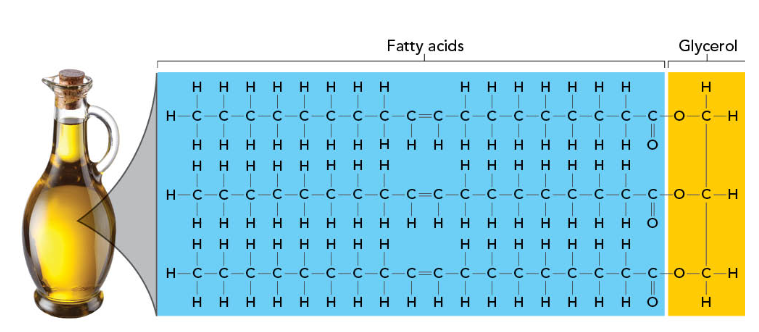
Lipids are a large and varied group of biomolecules that are not generally soluble in water. Different oils have different melting points. 9 cal/gram.
Nucleic Acids
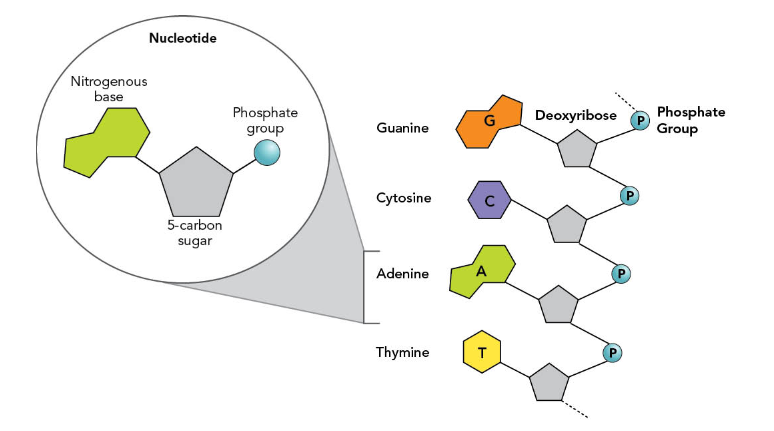
Two types are DNA and RNA. Nucleic acids are polymers made of nucleotide monomers. These two are essential in building protein.
Monomer: nucleotide
Polymer: Nucleic acids, strand of DNA
Instead of thymine, RNA has Uracil.
Phosphate, sugar, and nitrogenous base groups are the three parts.
Proteins
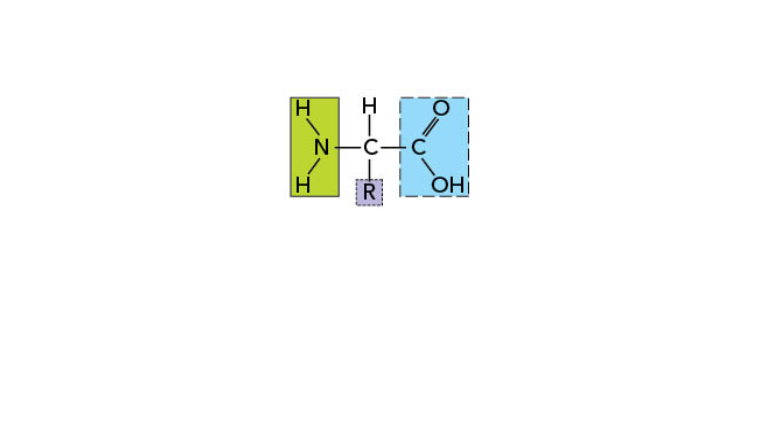
Proteins are polymers made of amino acid monomers. Polymers are peptide chains
Protein Structure
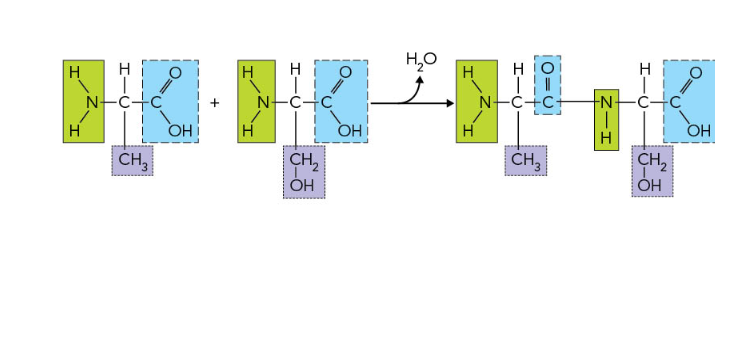
Peptide bonds are formed between the amino group of one amino acid and the carboxyl group of another amino acid during a dehydration reaction.
Protein Folding
A protein is a functional molecule built from one or more polypeptides.
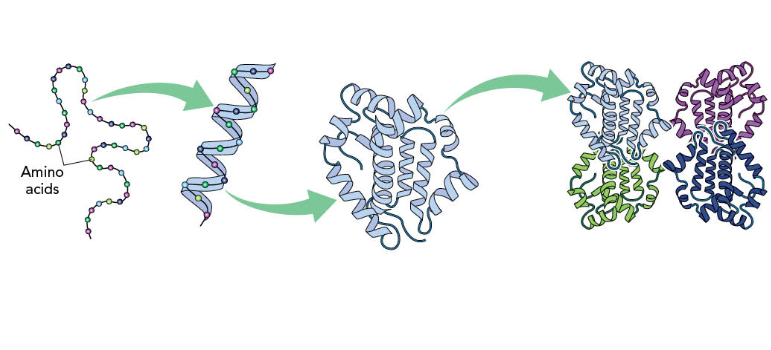
→ It takes four polypeptide chains to make hemoglobin.
Lesson 2: Chemical Reactions and Enzyme
Chemical Reactions
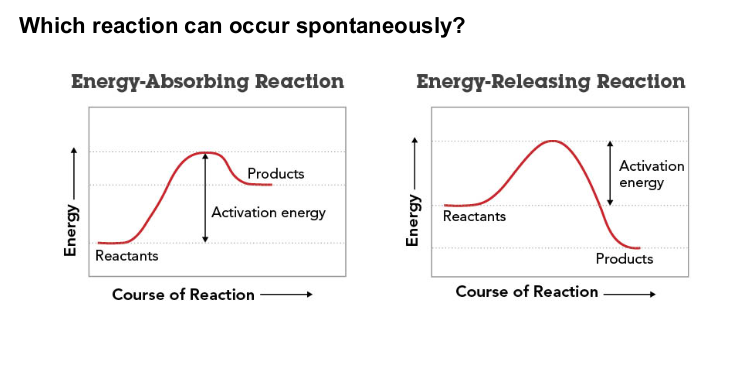
→ Chemical reactions that release energy often occur spontaneously
→ Chemical reactions that absorb energy require a source of energy
Enzymes
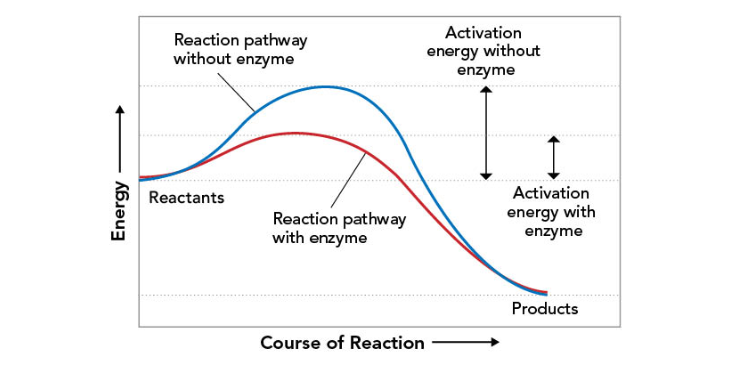
Enzymes lower activation energy and speed up chemical reactions in cells.