Kidney
Excretion: getting rid of metabolic waste products, such as cellular respiration
-repackaged toxic molecules that can be flushed with water
-renal vein: carries filtered blood, less oxygen more, co2, less slat
-renal artery- unfiltered blood
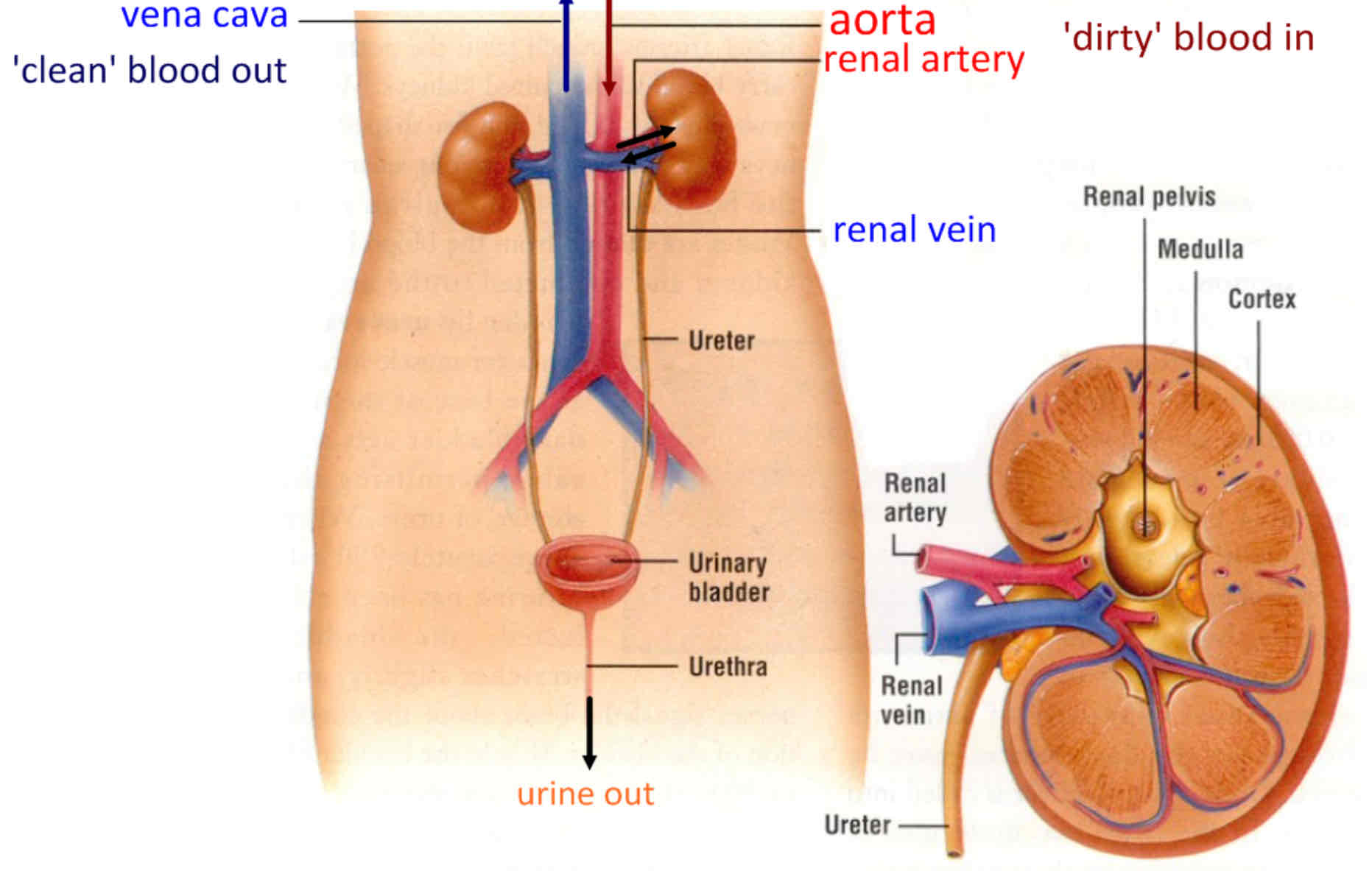
Steps of filtering blood:
Ultrafiltration
Reabsorption
Osmoregulation/excretion
Nephrons are the functional units of the kidneys
Renal capsule- ultrafiltration
Glomerulus- delivers blood
Proximal convoluted tubule- selective reabsorption
Distal convoluted tubule- secretion of toxins into urine
Loop of Henle- osmoregulation
Collecting duct- delivers urine to blood
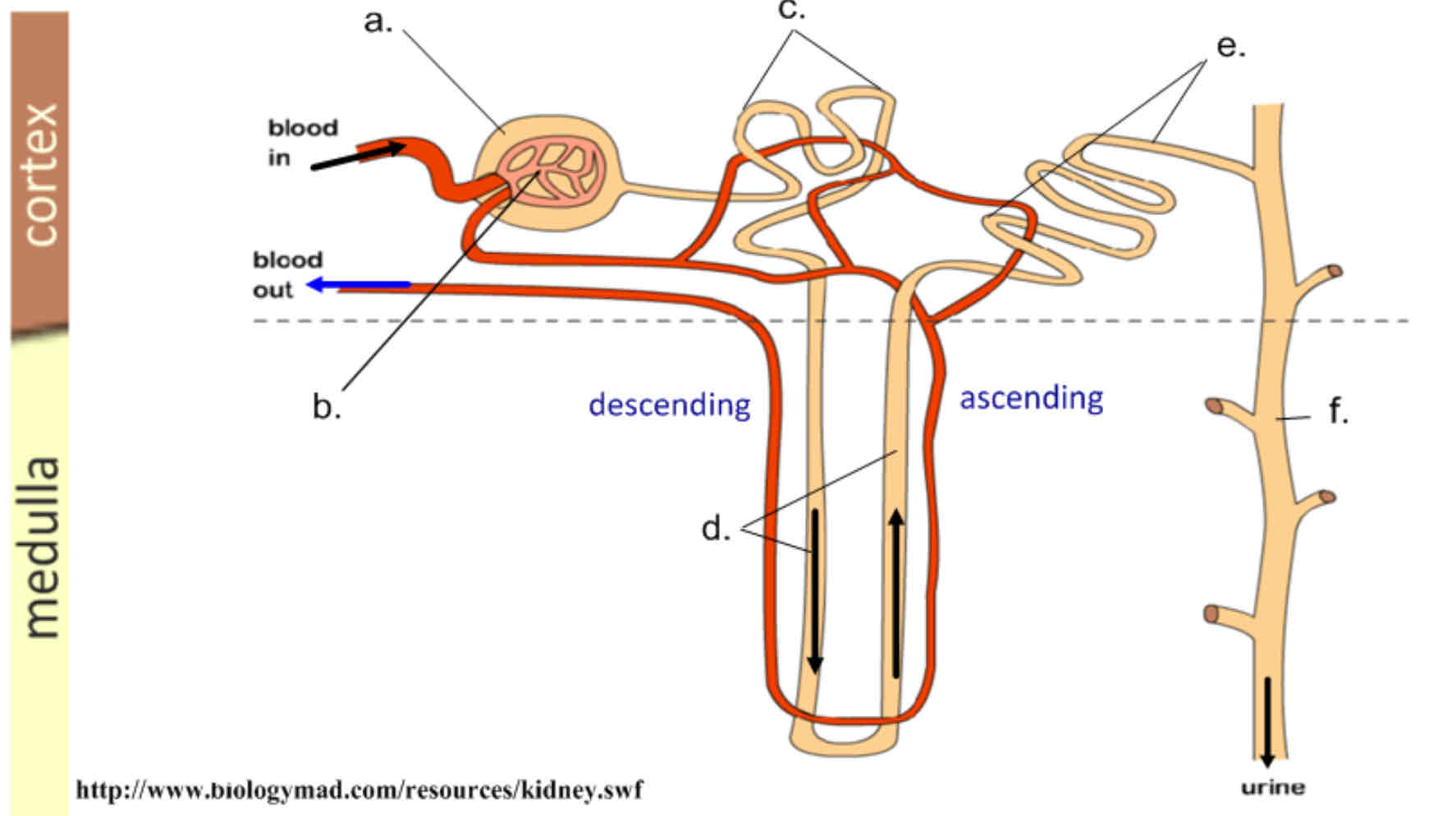
More in depth…
Ultrafiltration
-blood is pushed with high pressure through the glomerulus
-the are surrounding it is called Bowman’s capsule
-small molecules can make it through this step
-salt, glucose, water, etc.
-large molecules are left behind
-proteins
Selective Reabsorption
- in proximal convoluted tubule
-the things we want to stay in blood stay
-active transport
-full of atp
-osmoreceptors in the brain detect blood levels
-ADH
-ADH helps to trigger water reabsorption
Osmoregulation
-only part to occur in the medulla, loop of henle
-controls water and solute levels
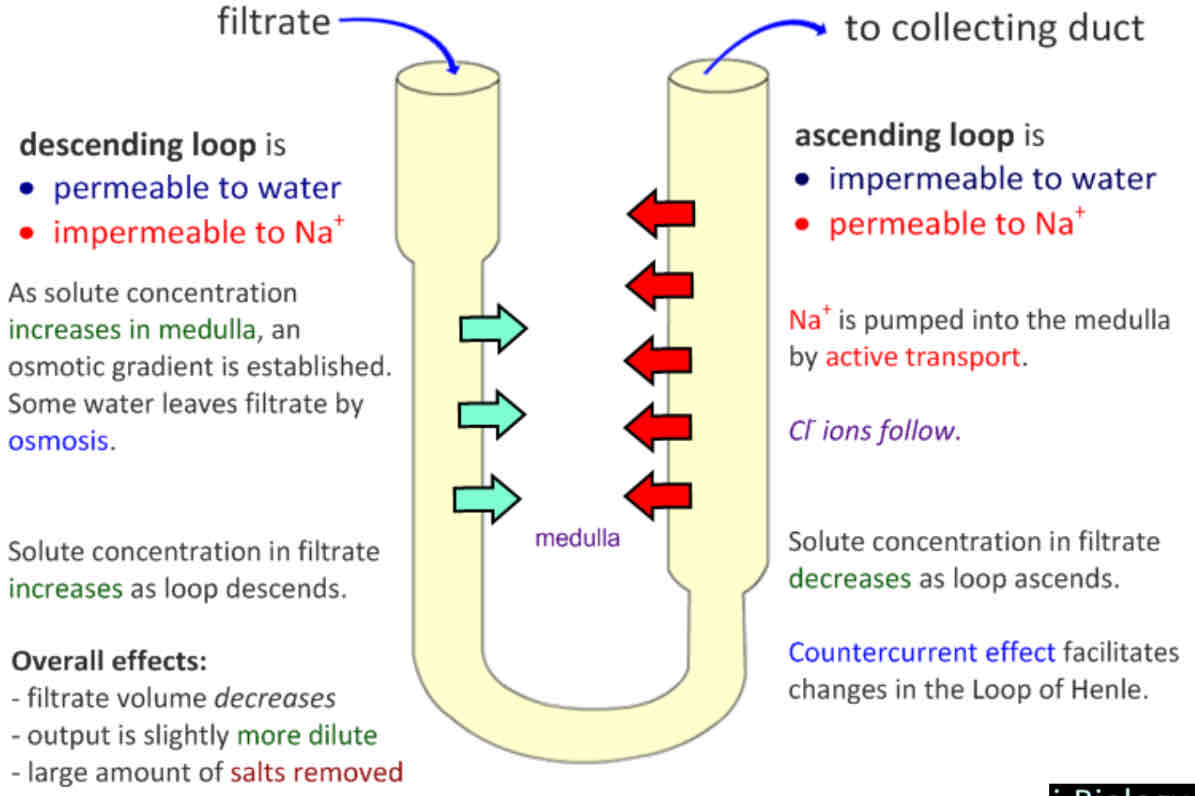
-function of the loop of henle is the generate high concentration of solutes (low concentration of water) in the tissue of the medulla
-ascending and descending loops
-descending loop- permeable to water and impermeable to salt, passive
-ascending loop- impermeable to water, permeable to salt, active
Overall: filtrate volume decreases, output is diluted, large amounts of salt are removed
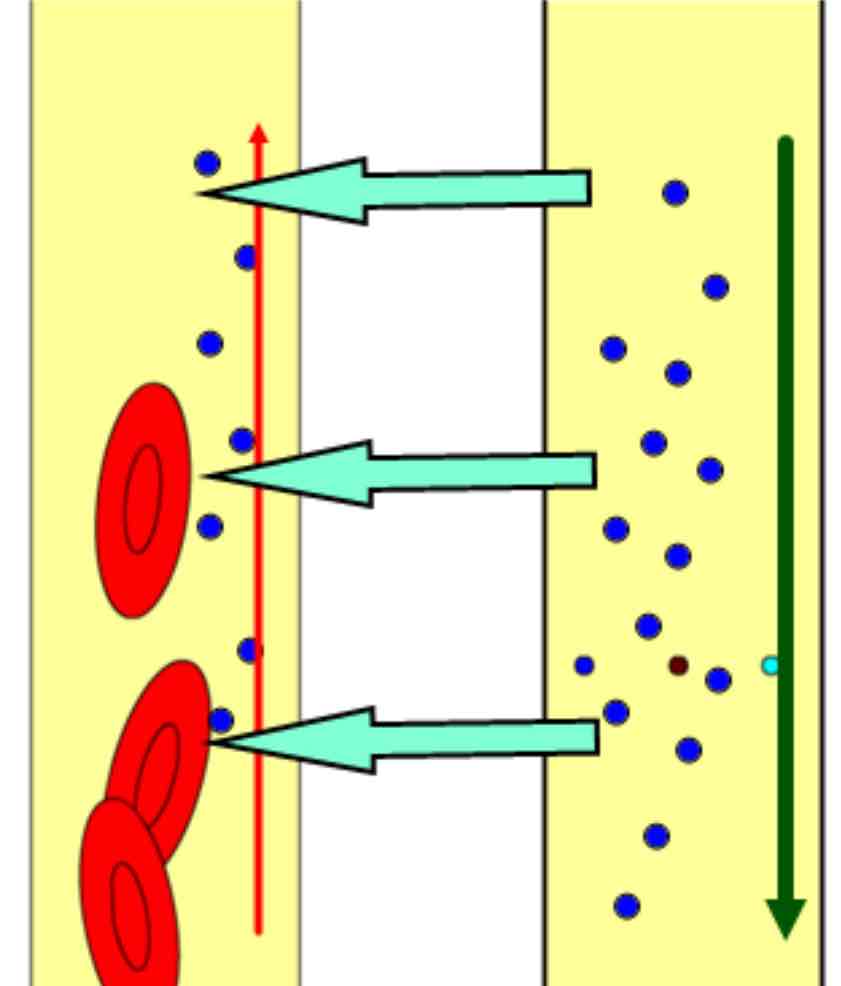
Osmolarity
-descending loop holds salt and water leaves passively
-ascending loop holes water and salt leaves actively
Collecting duct
-filter ate enters through distal convoluted tubular
-water moves to capillaries through osmosis
Kidney disease/failure
-diabetes can cause degeneration of the kidney cells
-two treatments available
-transplant
-dialysis
EXTRA CREDIT
ADH presence allows duct to be extremely permeable to allow water back in
dehydration
without walls are less permeable to allow more frequent urination
hyper hydration