Chapter 7: Painting
Encaustic
made from pigment, wax, and resin
known for rich, saturated colors
popular in antiquity but is not commonly used today
EX:

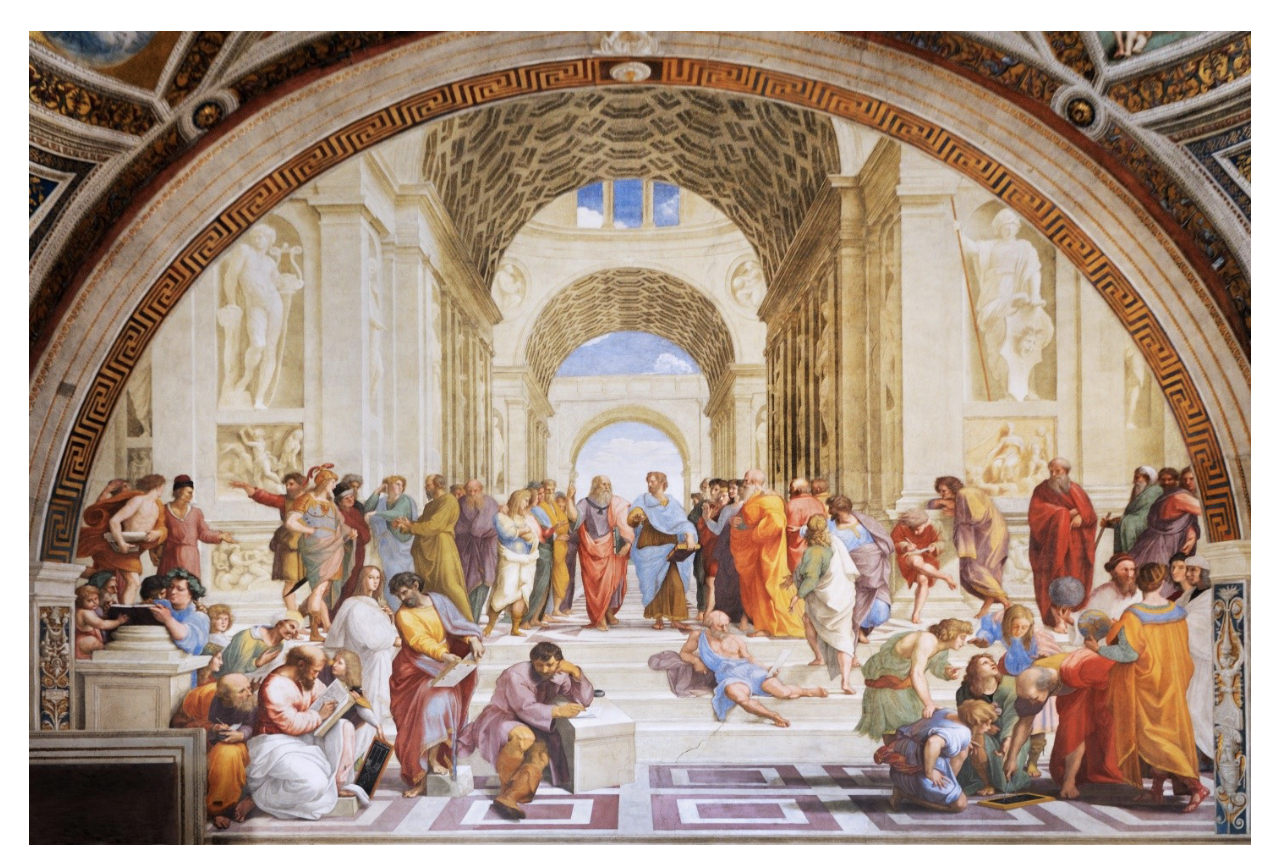
Fresco
mural painting technique made on either wet or dry plaster
highly durable and requires careful planning
used for public art and may reaffirm or challenge the architecture surrounding it
EX:


Tempera
produces bright and clear colors that are built in layers and cannot be blended
most popular binder for tempera is egg yolk
supports for tempera paintings were typically wood panel or vellum
popularity declined after the invention of oil paint
EX:

Oil Paints
Characteristics
mix pigments and oils
dry slowly
Color can be blended
thin glazes create translucent effects
EX:

Applications
be applied with brushes, palette knives, and fingers, but crack over time as the paint dries
made on wood panel or canvas with small details or thick applications
EX:

Pastel
comes in sticks but can be manipulated with a brush or added with water to create a wash.
EX:

Watercolor
consists of pigment, gum Arabic, and water and is painted in thin, translucent washes
EX:

Gouache
uses white pigment to create opaque colors, can be painted in translucent layers, dries quickly, and has flat, saturated colors
EX:

Acrylic
similar to oil paint but dries more quickly and is more durable
uses polymerized acrylic resin as vehicle
can mimic the visual effects of oil, watercolor, gouache, and tempera
EX:

PAINTING:
Painting is most commonly associated with easel painting
Computers can be used to make
paintings.
Mixed media art combines different
artmaking materialsMosaics create images with tesserae,
are highly durable, and rely on optical blending of colors
Tapestry creates woven images using
warp and weft strings and can be functional as wall paintings
for warmthhave explored tapestry beyond
traditional materials, including using digital files and
mechanical looms