The Executive Branch
In the previous lesson, we learned a lot about the powers of the United States president. However, the executive branch is not just about the president. The executive branch includes the vice president, the Cabinet (heads of the executive departments), agencies, boards, and other commissions.
Vice President
The vice president is an advisor to the president. The only official tasks of the vice president are to preside over the Senate and to vote in case of a tie. No one who wishes to become president should assume that becoming vice president is the best way to get there. There have only been four times when a vice president was later able to win the presidency without his president having died in office.
In Case of the Removal of the President from Office, or of his Death, Resignation, or Inability to discharge the Powers and Duties of the said Office, the Same shall devolve on the Vice President, and the Congress may by Law provide for the Case of Removal, Death, Resignation or Inability, both of the President and Vice President, declaring what Officer shall then act as President, and such Officer shall act accordingly, until the Disability be removed, or a President shall be elected.
US Constitution, Article II, Section 1, Clause 6
In Case of the Removal of the President from Office, or of his Death, Resignation, or Inability to discharge the Powers and Duties of the said Office, the Same shall devolve on the Vice President, and the Congress may by Law provide for the Case of Removal, Death, Resignation or Inability, both of the President and Vice President, declaring what Officer shall then act as President, and such Officer shall act accordingly, until the Disability be removed, or a President shall be elected.
US Constitution, Article II, Section 1, Clause 6
Note that the above passage from the Constitution says that in case of the removal or death of the president, "the Powers and Duties of the said Office...shall devolve on the Vice President." It does not say that the vice president will become president, only that the vice president will assume the powers and duties of the president.
This caused a great deal of controversy the first time this scenario occurred. When William Henry Harrison died in office, a debate arose as to whether the vice president becomes president, or if he or she just inherits the powers, thus becoming an acting president. Harrison's vice president, John Tyler, believed that he had the right to become president, and he said so. However, it was not until the ratification of the Twenty-Fifth Amendment in 1967 that the Constitution explicitly stated that when the presidency is vacant, the vice president becomes president as opposed to just acting as president.
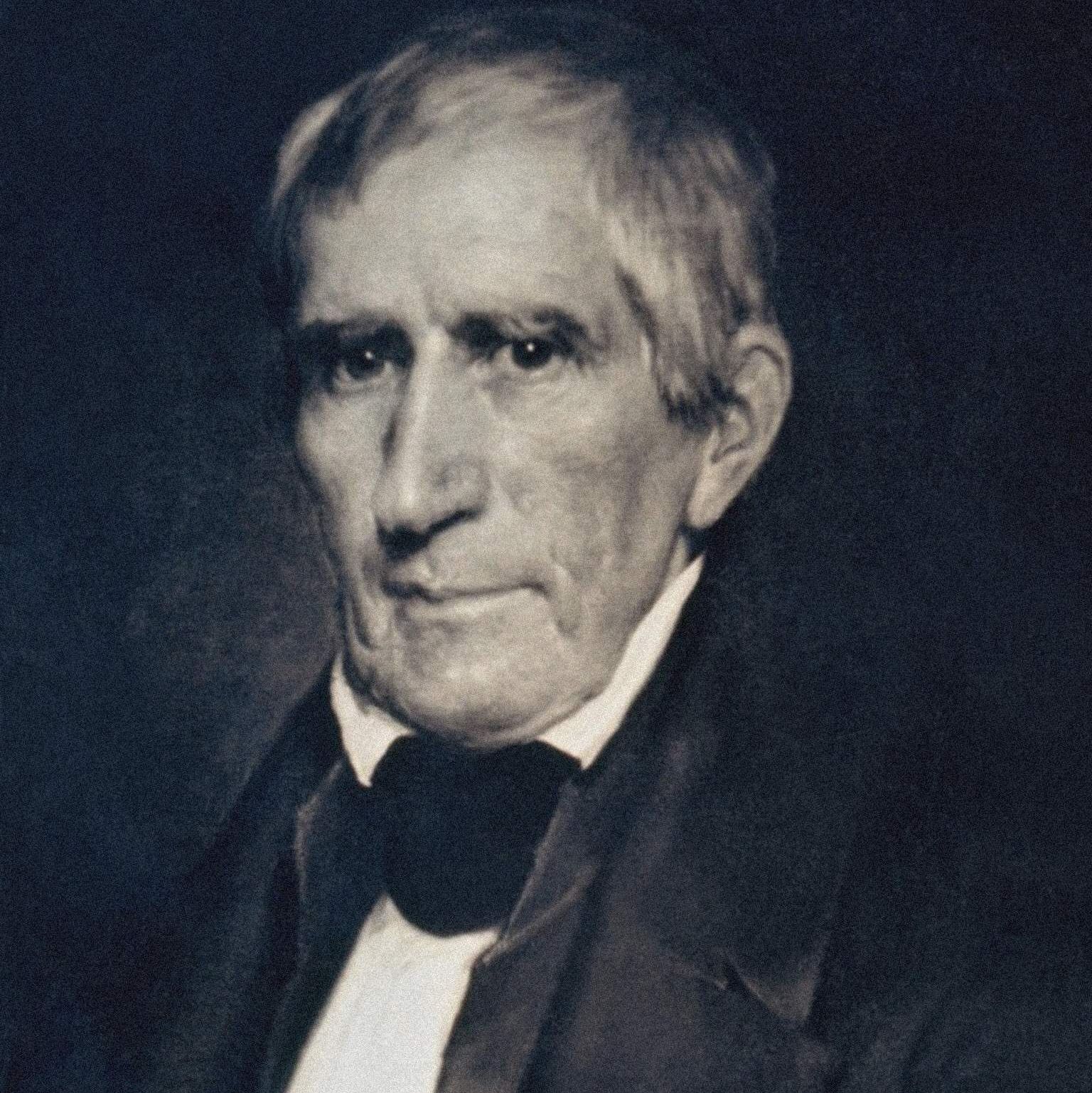
William Henry Harrison
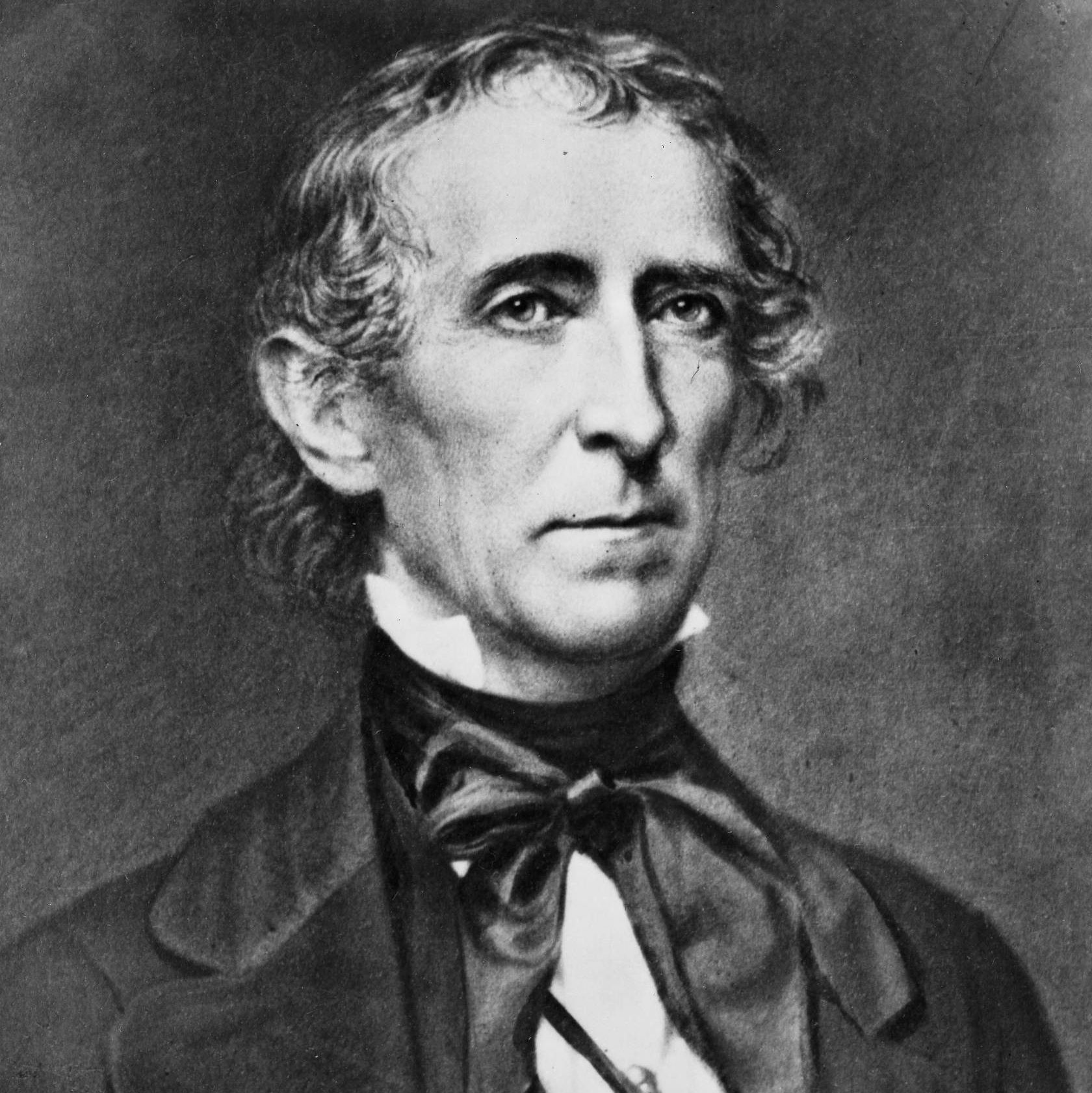
John Tyler
In the case of a vice presidential vacancy, the Twenty-Fifth Amendment permits the president to appoint, with the approval of both houses of Congress, a new vice president. This, too, has caused controversy. The thirty-ninth vice president, Spiro Agnew, resigned in the face of a kickback scandal from practices put into place when he was governor of Maryland. President Nixon then appointed Gerald Ford to replace him, and Congress approved the appointment. Then, following the Watergate scandal, President Nixon resigned, and Vice President Ford became the thirty-eighth president of the United States, despite having never received even one Electoral College vote.
The Cabinet
The second sentence of Article II, Section 2, establishes the idea of a Cabinet. There are numerous executive departments in the federal government, and the president appoints the head of each executive department—these heads are collectively known as the president's Cabinet. The Senate must provide confirmation before appointees can head an executive department. There are fifteen executive departments in the federal government today. They are as follows:
Agriculture
Commerce
Defense
Education
Energy
Health and Human Services
Homeland Security
Housing and Urban Development
Interior
Justice
Labor
State
Transportation
Treasury
Veterans Affairs
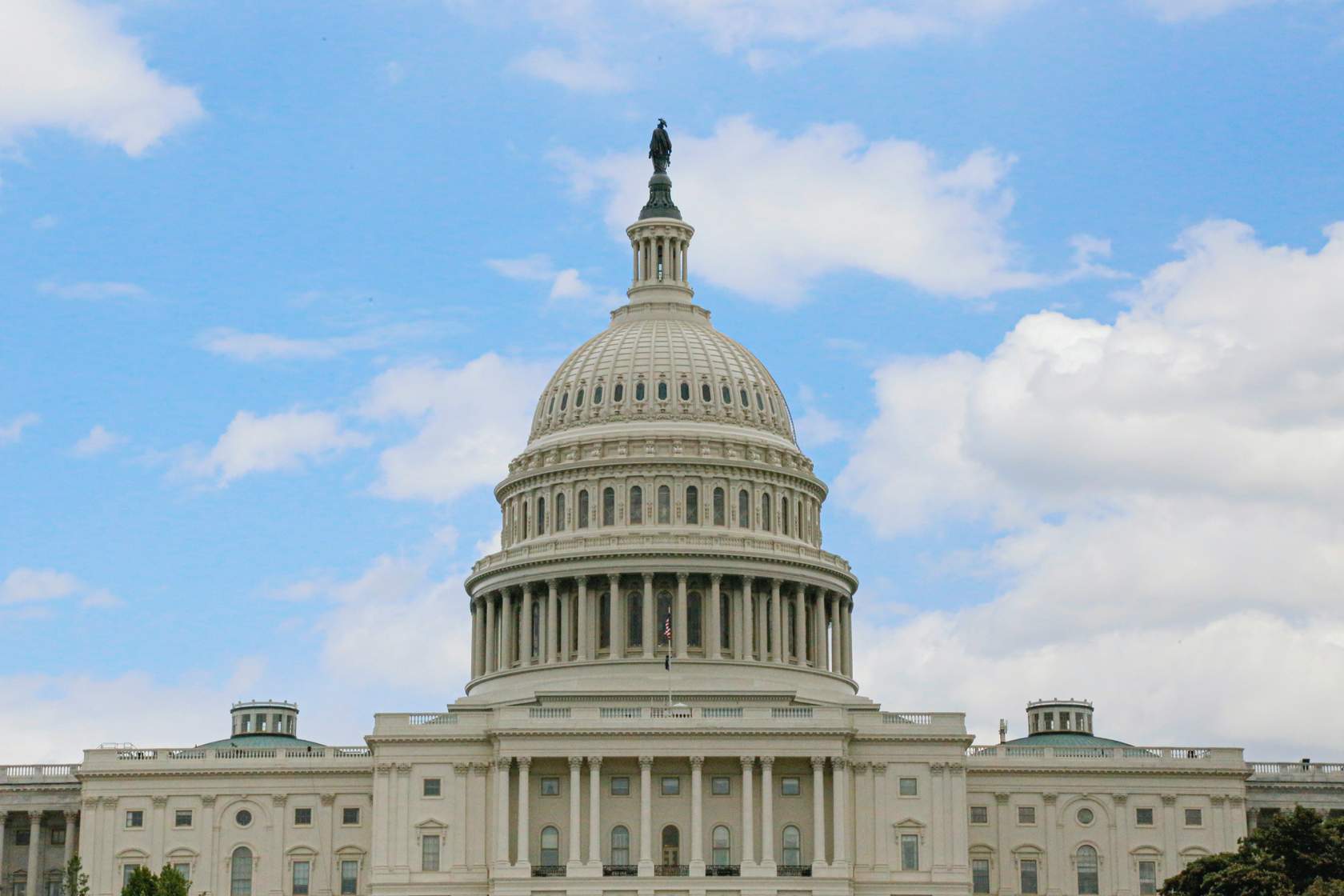
CHECKS ON THE LEGISLATIVE
The vice president presides over the Senate and also votes to break ties.
The president can call special sessions of Congress or adjourn Congress.
The president can veto acts of Congress using a regular veto or a pocket veto.
 CHECKS ON THE JUDICIARY
The president appoints federal judges as well as justices to the Supreme Court, though the Senate must approve them.