Viruses
Role of Viruses in the Environment
Maintains balance in the environment
Controls many ecological processes (nutrient cycling, algal bloom control)
Can help with population control of dominant host species
Can cause death to marine life, and the decomposing bodies provide nutrients to bacteria at the bottom of the ocean
Parts of a Virus
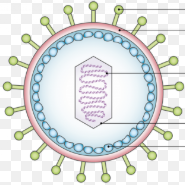
Ligand:
protein that sticks out of surface of virus
acts as key to recognize cell and invade it
Membrane envelope:
layer of fatty acids
usually derived from membrane of host cell
Genetic material:
Usually has DNA or RNA(retroviruses)
Capsid
Made of protein
Bacteriophage - viruses that infect bacterial cells
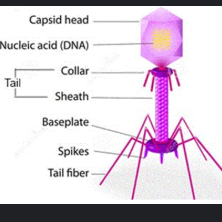
Lyctic cycle (How viruses reproduce)
Virus approaches cell
Viruses attaches to cell and inserts DNA
Virus multiplies
New viruses form around DNA
Cell bursts open and new viruses are released
Viruses are obligate intercellular parasites (have to reproduce within a cell of a different organism)
HIV & AIDS
HIV infects cells of human immune system, which weakens the immune system
Currently is treated with ARVs (Anti retro viral drugs) to deacrease viral load and give immune system a chance to strengthen, however it is not a cure as it cannot destroy the virus
To prevent have safe/no sex, avoid contact with others blood (don’t share needles) and avoid substance abuse