CSI Firearms and Ballistics
Week 11
.22 caliber is cheap (ammunition, gun size) & small & easy to use = criminal’s weapon of choice
pinball machine
unpredictable
bleeding out
.9mm = bigger, more damage
Straight through
Ballistics: study of a projectile in motion
something in flight
Internal: what’s happening inside the gun.
the study relating to the transition of chemical energy to kinetic energy within the barrel of a firearm and the motion of the projectile as it moves through the barrel.
Cartridges (bullets) go in the magazine (upper handle), then the cartridge casings (gold things) are the propellants and they’re what drop when you shoot. Goes up a ramp.
Cartridges go: primer, projectile, propellant
Ex (semi-automatic):
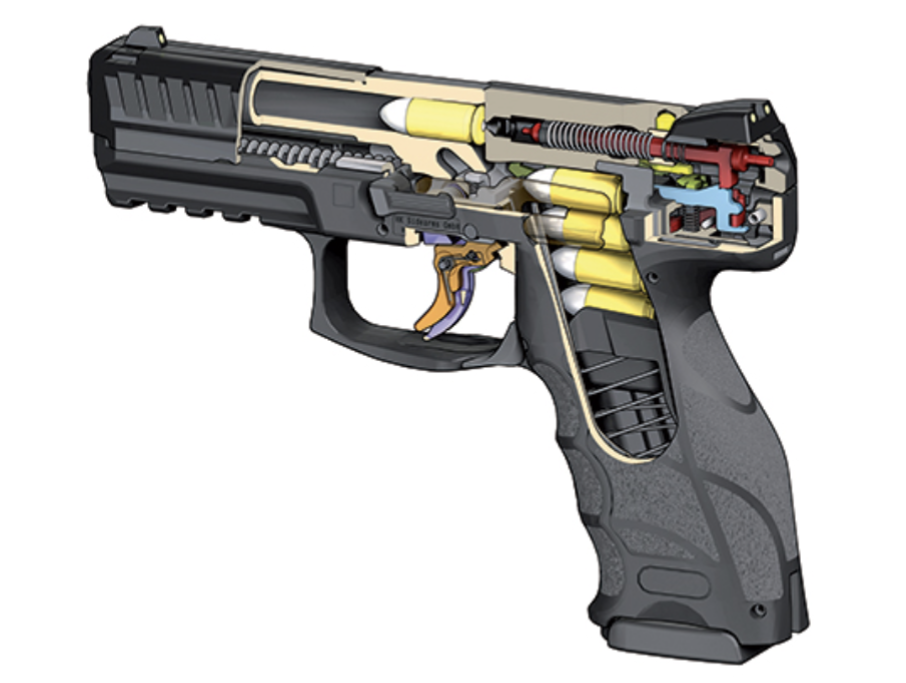
operability of the firearm
External: what’s happening outside the gun/what happens after the bullet leaves the gun.
gunshot residue
Griess Test
Lead, Barium, Antimony
up to 6 hours on hands if not washed
Burn.
IR photography for GSR
Terminal: when it strikes the object.
Projectile deign and its deformations
mass
velocity
KE energy on impact; KE lost on the target
PENETRATED: it hit the thing but didn’t go all the way through
PERFORATED: went through.
Ricochet: has to come in at an acute angle (10 - 15 degrees)
never penetrates or perforates
Pinch Point: when it turns really fast; initial contact with the surface
Inverse Sin (width/length)
Chisum Trails: Elongated ricochet mark on unyielding surfaces.
Cartridge Case Comparison:
Ejector, which is the mechanism in a firearm that throws the cartridge or fired case from the firearm.
Extractor, which is the mechanism in a firearm by which a cartridge of a fired case is withdrawn from the firing chamber.
Firearms Examination: operability testing, GSR distancing and analysis, toolmark analysis
Firearms Identification: through the fired bullets and cartridges (comparison)
Hand guns: pistols, revolvers, etc.
Long arms: rifles, shotguns, etc.
Rifling: the inner surface of the barrel of a gun leaves its markings on a bullet passing through it. Lands and Grooves + the striations on each——-Twisting left or right:
Land = raised (in gun barrel), flat (in projectile)
Groove = flat (in barrel), raised (in projective)
Unique identifiers
THEY ARE NOT REALLY IN METRIC UNITS (except 9mm)
The gauge is responsible for ejecting the spent shell casing after its been fired
Backspatter: In a contact shot to a victim there is often blood found within the barrel of the handgun.
Ammunition
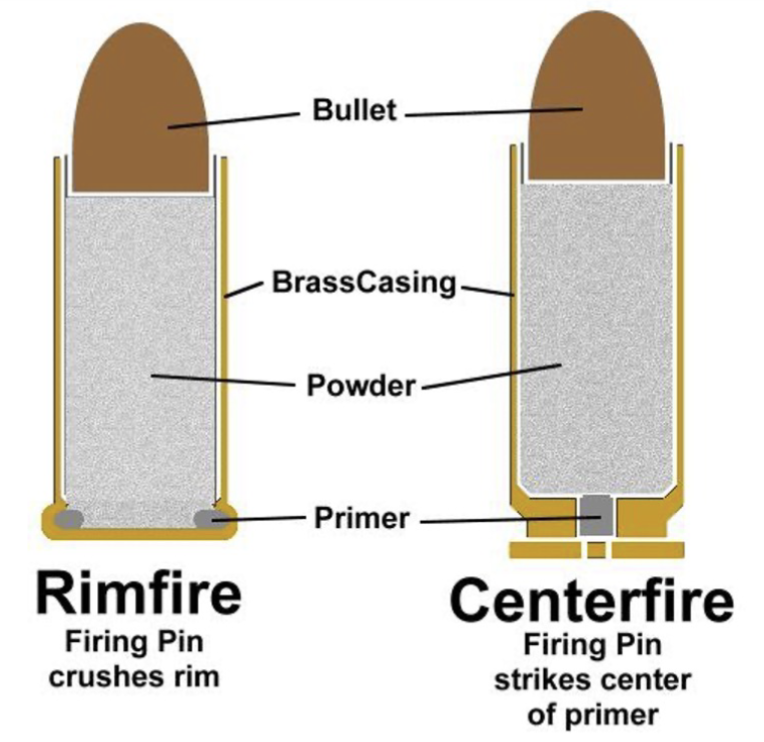
Shotguns: smooth barrel
(Buckshot) 8-9 BALLS
(Buckshot) 8-9 mm
Shotgun Shell:
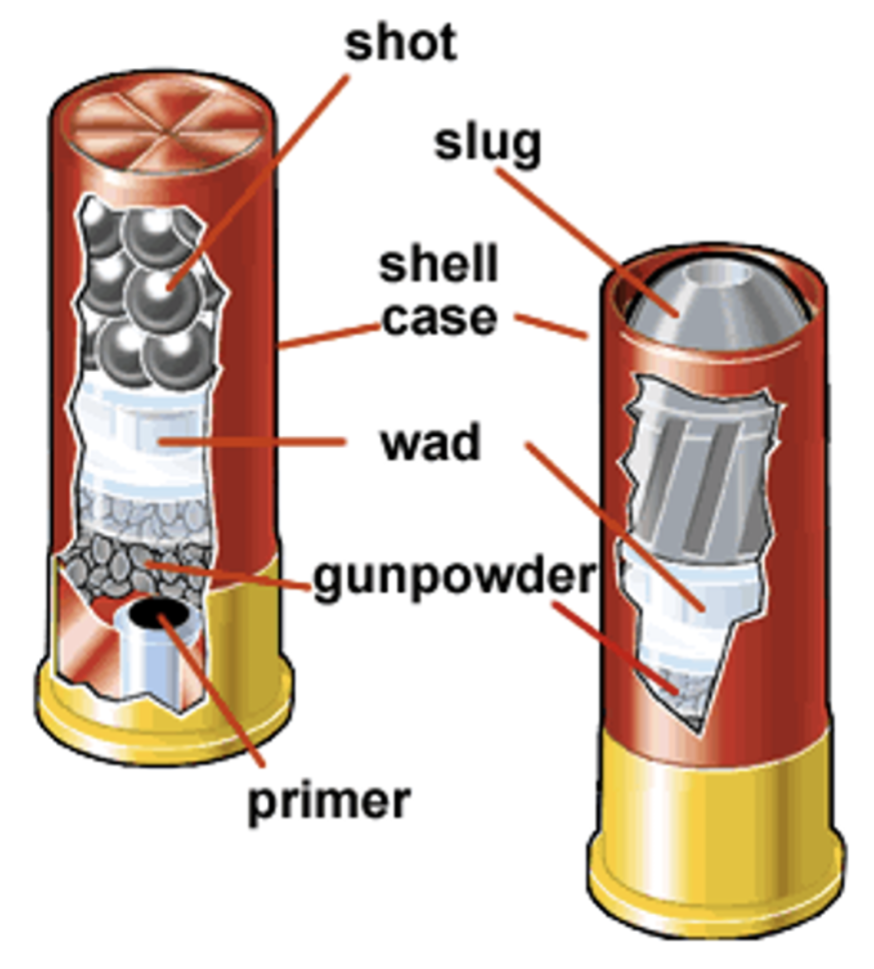
Wadding comes out with the balls; will hit someone or something but without power.
bc it’s plastic/doesn’t have mass to do any damage
“I obtained latent print (RR-1) from the crime scene”
size
what you see
what you’re going to pass onto the detectives
Must have PHOTOS OF THE SNEAKER for examination
All the math has to be done before the trajectory rods go in
road-mapping = mini crimescene
Integrated Ballistic Identification System (IBIS) — owners of guns and bullets and shii
National Integrated Ballistic Information Network (NIBIN) — network used to talk between state and federal, etc.