Midterm
PICO Steps
P: Patient or problem
Describing the specific patient population or problem you are addressing
I: Intervention
Specific diagnostic test, treatment, adjunctive therapy, medication, product, or clinical procedure

C: Comparison
Identifies the alternative therapy you wish to compare to the main intervention
O: Outcome
Identifies outcomes you plan to accomplish, improve, or influence

Duration for Clinical Research
Takes up to 20 years for original research to become a part of clinical practice

Acceptable Irrigating Solutions:
Water
Effective in clinical trials
Readily available, cost-effective, and no side effects
chlorhexidine gluconate
povidone-iodine + water
stannous fluoride rinse
tetracycline dilutions
essential oil rinse

Water Flosser Mechanism
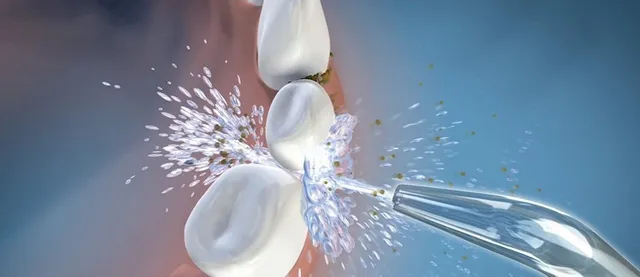
Pulsating fluid uses alternating compression and decompression phases to displace biofilm, bacteria, and debris
creating two zones of fluid movement, termed hydrokinetic activity
delivered above the gingival margin and into pockets or sulcus
combination of pulsation and pressure produces shear hydraulic forces that remove biofilm from treated areas
Flushing Zone Vs. Impact Zone
Flushing zone: depth of fluid penetration within the subgingival sulcus or pocket
Impact zone: area of initial fluid contact near the gingival margin

Indications for Water Flossers
NOTE: water flossing is superior to STRING FLOSS for reducing inflammation
gingivitis and stable periodontitis
noncompliant patients
special needs
dental implants
diabetes
orthodontic appliances

Subgingival Irrigation Before Periodontal Instrumentation
reduce incidence of bacteremia and number of microorganisms present in aerosols during the procedure

Setting of Subgingival Irrigation Tips
Set to the lowest pressure setting

Subgingival Irrigation Tip
Design: soft rubber-tipped end for deeper subgingival placement and pocket penetration
Indications: deep pockets, furcation areas, dental implants, or difficult areas to access with standard tip
Sequence: after full-mouth irrigation with different tip type

Systemic Review
Reduces bias and subjectivity

Topical Delivery Of Chemical Agent
Refers to intraoral placement of a chemical agent or local delivery using controlled-release devices into periodontal pocket, where the chemical agent comes in contact with biofilm
Example: mouth rinse or toothpaste containing a chemical agent that can kill bacteria growing in biofilm

Effective Antibiotics against Specific Perio Disease
Penicillin and amoxicillin
Tetracyclines
Erythromycin
Metronidazole
Clindamycin

Chlorhexidine Side Effects and Concentration
Side effects: allergic reactions, extrinsic staining, discoloration of tongue, alteration of taste, increase in calculus formation, and transient anesthesia
Concentration: 0.12% in mouth rinses

Autograft
source: own body
osteogenic potential: high
mechanism: osteogenesis and osteoconduction
example: intraoral bone chips and extraoral iliac crest

Allograft
source: another person
osteogenic potential: low
mechanisms: osteoinduction and osteo-conduction
example: freeze-dried bone allograft (FDBA)

Xenograft
source: another species
osteogenic potential: minimal
mechanism: osteo-conduction
examples: bovine-derived bone (Bio-Oss)

Periocoronitis
soft-tissue inflammation associated with an abscess
signs and symptoms:
pain
swelling of the operculum
trismus
elevated body temperature
lymphadenopathy

Peri-Implant Tissues
soft and hard tissues that surround and support a dental implant

Substantivity Importance in Mouth Rinses
active ingredient would be retained in the oral cavity following rinsing and would be released over time
important since biofilm grows and matures continuously

Peri-implantitis and Peri-Mucositis (Peri-Gingivitis)
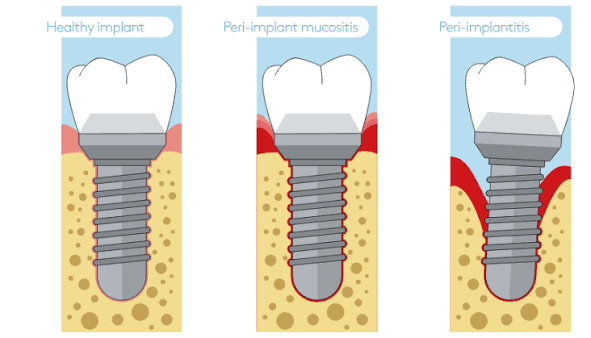
Peri-mucosititis: plaque biofilm-induced inflammation of soft tissues with no loss of supporting bone
REVERISIBLE
bleeding and/or suppuration

Peri-implantitis: characterized by plaque biofilm-induced inflammation and progressive loss of alveolar bone
bleeding and/or suppuration
bone loss> 3 mm and/or PD> 6 mm

3 Classification for Dental Implants and Tissue Conditions
Peri-implant health: absence of erythema, bleeding on probing, swelling, and suppuration
Peri-implant mucositis (peri-implant gingivitis): plaque biofilm-induced inflammation of soft tissues with no loss of supporting bone
Peri-implantitis: characterized by plaque biofilm-induced inflammation (soft and hard tissues) and progressive loss of alveolar bone
Causes of Soft and Hard Tissue Deficiencies
Contributing factors:
loss of periodontal support caused by periodontitis
endodontic infection
thin buccal bone plates
extraction with additional trauma to tissues
traumatic injury
systemic disease impairing bone remodeling
pneumatization of maxillary sinus

Implant Update Radiographically
once a year

Cement on Implant
induces inflammation due to a rough surface providing an environment for bacterial attachment

Indication of Implant Failure
mobility

Operculum
flap of soft tissue covering a portion of the crown or partially erupted tooth

Implication of Furcation Involvement and Periodontal Classification
Furcation involvement: occurs in multirooted teeth when periodontal infection invades the area around the roots
Periodontal Classification: stage refers to severity of a disease, and grading is how rapidly the disease is expected to progress
= furcation involvement class II or III → Stage III (automatically NOT stage I/II)

Implications of Smoking and Grading
Smoking: Grade modifiers
increase risks for periodontal diseases (attachment and tooth loss)
decreased inflammation and blood flow
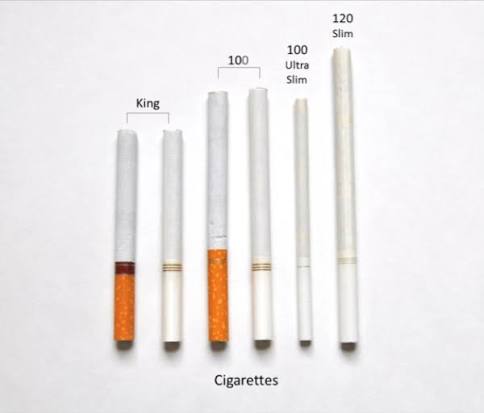
= smoking LESS than 10 cigarettes a day → Grade B OR smoking 10 or MORE cigarettes → Grade C
Clinical Attachment Loss
Clinical attachment loss appearing as migration of the junctional epithelium to a position apical to the level of the CEJ
PD + recession = CAL

Sjögren’s Syndrome
autoimmune disorder in which the immune system attacks body’s own gland (salivary and tear glands)
can cause xerostomia or periodontal disease

Dental Implant parts
implant body (fixture)
acts as a ‘root”
placed into alveolar bone
abutment
metal post that connects the prosthetic crown to implant body and secures it in place
protrudes into oral cavity
prosthetic crown or prosthesis
acts as the “crown” of the dental implant

Oral vs. Non-oral malodor causes
oral causes: dental caries, gingivitis, periodontitis, low salivary flow, and tongue coating (dorsal tongue ideal for bacterial reservoir)

non-oral causes: coffee consumption, nose and throat conditions, uncontrolled diabetes and ketoacidosis, lung disease, GI tract, liver disease, fetor hepaticus, kidney disease, hormonal changes, and metronidazole (antimicrobial drug)
