Transition metals: Cu, Zn and Ni
Copper:
Copper is an essential trace element for humans and animals.
In the body, copper shifts between the cuprous (cu+) and the cupric (Cu2+) forms, though the majority of the body’s copper is in the Cu2+ form.
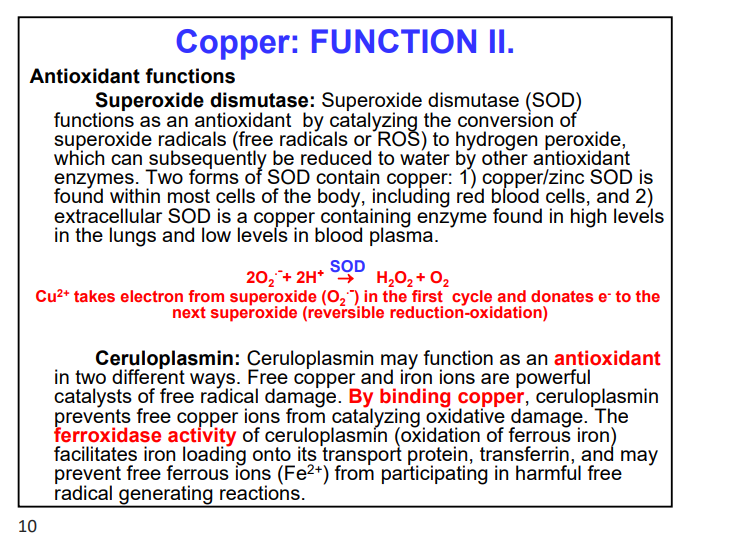
The ability of copper to easily accept and donate electrons explains its important role in oxidation-reduction reactions and the scavenging of free radicals.
Although Hippocrates is said to have prescribed copper compounds to treat diseases as early as 400 B.C., scientists are still uncovering new information regarding the functions of copper in the human body.
Note: Copper is absorbed in the stomach and small intestine. When it is absorbed, it binds to albumin and gets transported to the liver, where it is incorporated into ceruloplasmin (a protein capable of binding 8 copper ions) for transport to tissues.
Excess copper can be excreted by the liver into the bile.
Defects in copper turnover can lead to diseases such as Wilson's and Menkes’ diseases.
Functions of Copper:
Copper is a critical component of several essential enzymes, known as cuproenzymes.
Some of the physiological functions known to be copper-dependent include:
Energy Production:
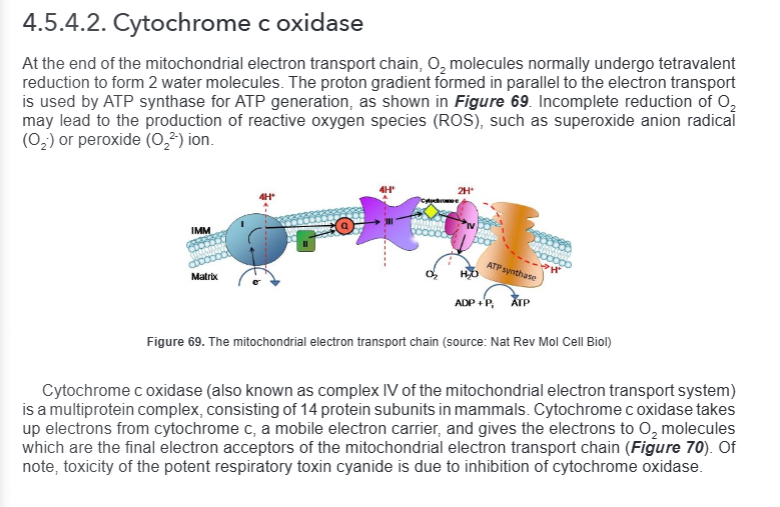
Copper-dependent enzymes, cytochrome c oxidase, play a critical role in cellular energy production. By catalysing the reduction of molecular oxygen to water, cytochrome c oxidase generates an electrical gradient used by mitochondria to create the vital energy-storing molecule ATP.
Connective tissue formation:
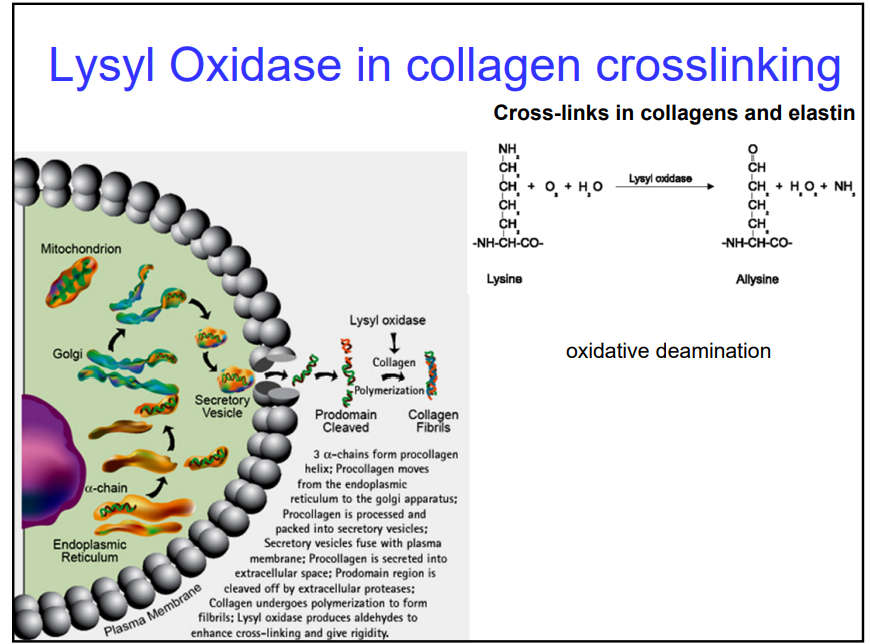
Another cuproenzyme, lysyl oxidase, is required to cross-link collagen and elastin, which are essential for forming strong and flexible connective tissue. The action of lysyl oxidase helps maintain the integrity of connective tissue in the heart and blood vessels and plays a role in bone formation.
Iron metabolism:
Two copper-containing enzymes, ceruloplasmin (ferroxidase I) and ferroxidase II, can oxidise ferrous iron (Fe2+) to ferric iron (Fe3+), the form of iron that can be loaded onto the protein transferrin for transport to the site of red blood formation.
Cytochrome c Oxidase:
Key takeaway:
In the electron transport chain, electrons are transferred through a series of protein complexes (Complex I to IV) embedded in the inner mitochondrial membrane. As electrons move through these complexes, energy is released, which is used to pump H⁺ ions (protons) from the mitochondrial matrix into the intermembrane space, against the concentration gradient.
This creates a proton gradient (also called the proton motive force). The ATP synthase enzyme then uses this gradient to synthesise ATP from ADP and inorganic phosphate (Pi) as protons flow back into the matrix.
At Complex IV (cytochrome c oxidase), oxygen (O₂) acts as the final electron acceptor. It combines with 4 electrons and 4 H⁺ ions to form 2 molecules of water (H₂O):
However, if oxygen is not fully reduced, it can form reactive oxygen species (ROS) such as:
Superoxide anion (O₂⁻)
Hydrogen peroxide (H₂O₂)
Hydroxyl radicals (•OH)
These can damage proteins, DNA, and membranes—hence, the cell uses antioxidants (like superoxide dismutase, catalase, and glutathione peroxidase) to neutralise them.
Ceruloplasmin
Ceruloplasmin is the major copper-containing protein in the plasma.
It is a blue alpha-2 glycoprotein that binds 90 to 95% of blood plasma copper and 6-7 copper atoms per molecule.
The various functions of this protein, although not fully understood, include ferroxidase activity and involvement in Cu transport and homeostasis.
Tyrosinase is a copper-containing enzyme:
Tyrosinase is an enzyme that catalyses the oxidation of phenol and is widespread in plants and animals.
A copper-containing enzyme of plant and animal tissues that catalyses the production of melanin and other pigments from tyrosine oxidation, as in the blackening of peeled or sliced potatoes exposed to air. Melanin is formed in cells called melanocytes and plays a role in the pigmentation of the hair, skin and eyes.
A mutated tyrosinase gene causes albinism, a hereditary disease that affects one in every 17000 people in the United States.
Note: Melanin has a phenol ring and this can be oxidised by the tyrosinase.,
Antioxidant functions of copper:
Wilson’s disease:
KEY NOTES ABOUT WILSON’S DISEASE:
This is a hereditary disease.
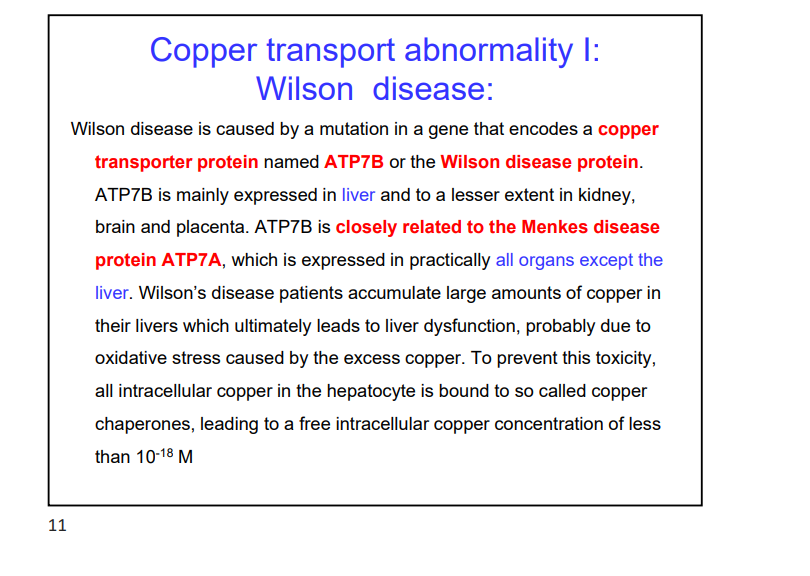
This disease is caused by a mutation in the gene encoding the intracellular copper transport protein named ATP7B.
This protein is normally expressed in the liver, and its main function is to pump out excess copper from the hepatocytes into the bile.
Hepatocytes of Wilson’s disease patients cannot cope with excess copper, which accumulates in the liver.
Accumulating copper damages liver cells through the formation of reactive oxygen species. How?
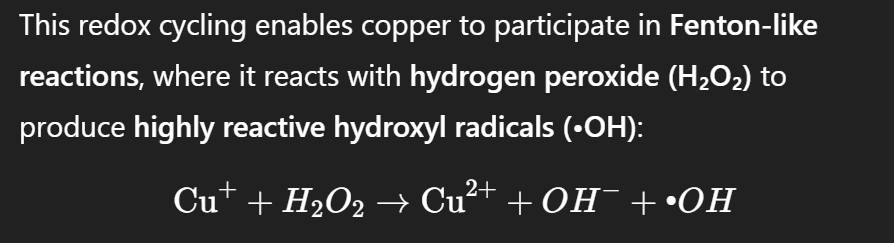
In turn, copper is released from damaged hepatocytes and reaches other organs, causing secondary damage.
Characteristic signs of Wilson’s disease are the Kayser-Fleischer ring (a rusty brown ring around the cornea of the eye).
TREATMENT FOR WILSON’S DISEASE:
The disease is treated with lifelong use of:
D-penicillamine, which helps remove copper from the tissue, or
Zinc acetate, which stops the intestines from absorbing copper and promotes copper excretion.
Menkes disease:
This disease is also known as kinky hair disease.
It is an X-linked neurodegenerative condition characterised by abnormal kinky hair, eyebrows and eyelashes, often with lightly or abnormally pigmented hair.
This disease is caused by Impaired copper transport.
Patients with this disease have an abnormal copper metabolism.
This disease is caused by a mutation in the gene encoding the intracellular copper transport protein ATP7A.
In contrast to the Wilson’s disease protein, which is only expressed in the liver, ATP7A is expressed in most tissues but is absent from the liver.
This copper-transporting ATPase protein normally assists with the absorption of copper from food can also facilitate copper export from cells by shuttling between the Golgi apparatus and the plasma membrane.
Copper is poorly distributed to cells in the body because the activity of the ATP7A protein has been disrupted.
In summary, most symptoms of Menkes’s disease are due to copper deficiency in various organs.
ZINC:
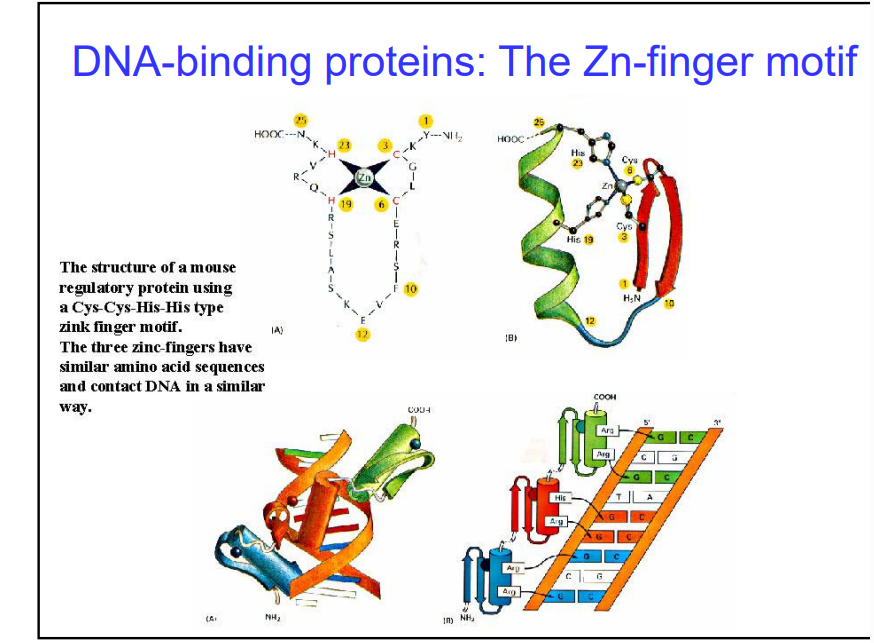
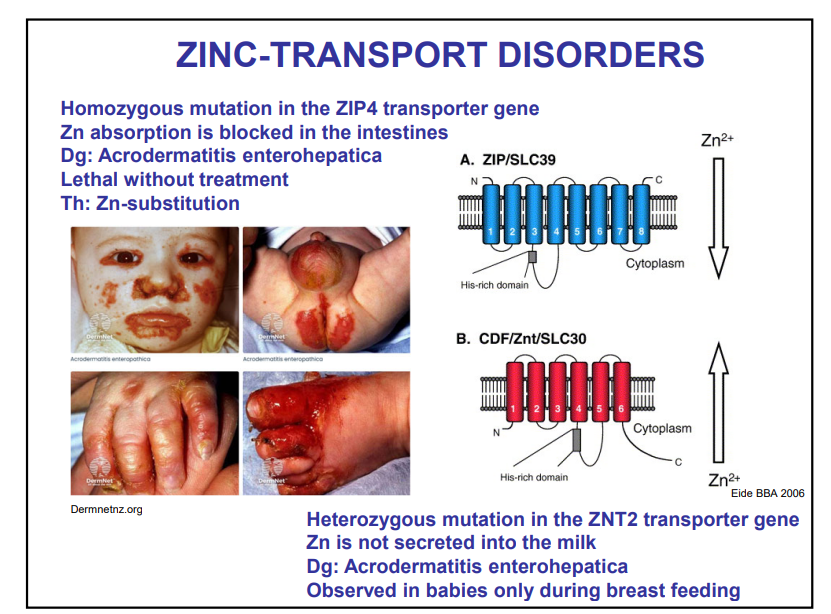
Up to one-tenth of the proteins encoded in the human genome incorporate zinc, making this element indispensable to biological function.
Indeed, most organisms employ a host of specialised transporter proteins to maintain appropriate zinc levels and failures in these pathways can cause serious health issues.
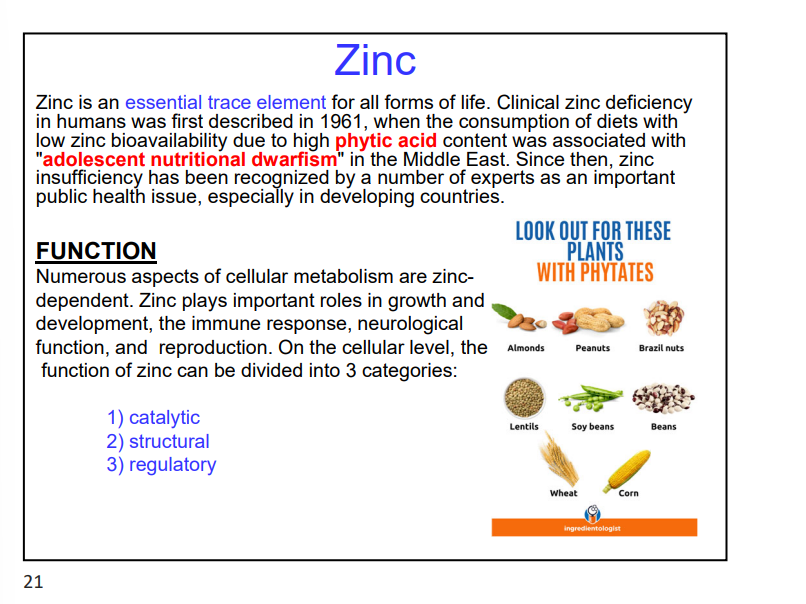
Biological function of zinc:
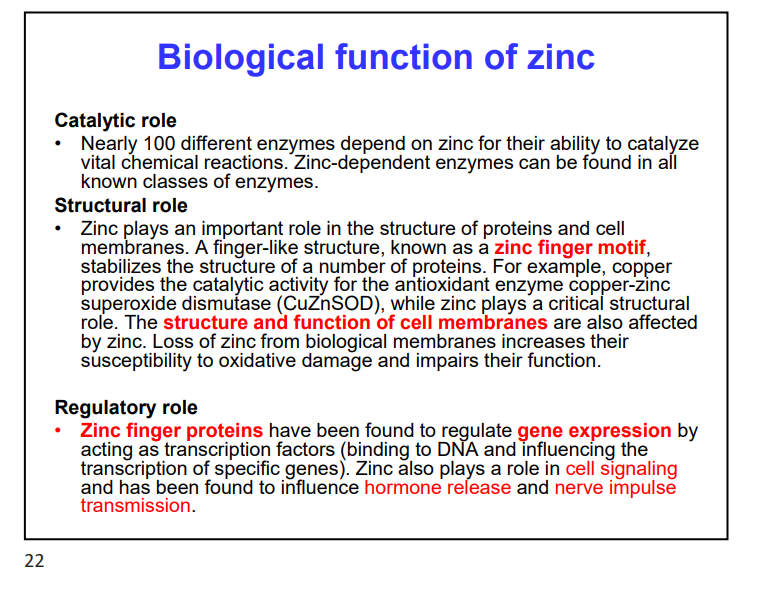
Examples of Zn Proteins
Zn-finger proteins
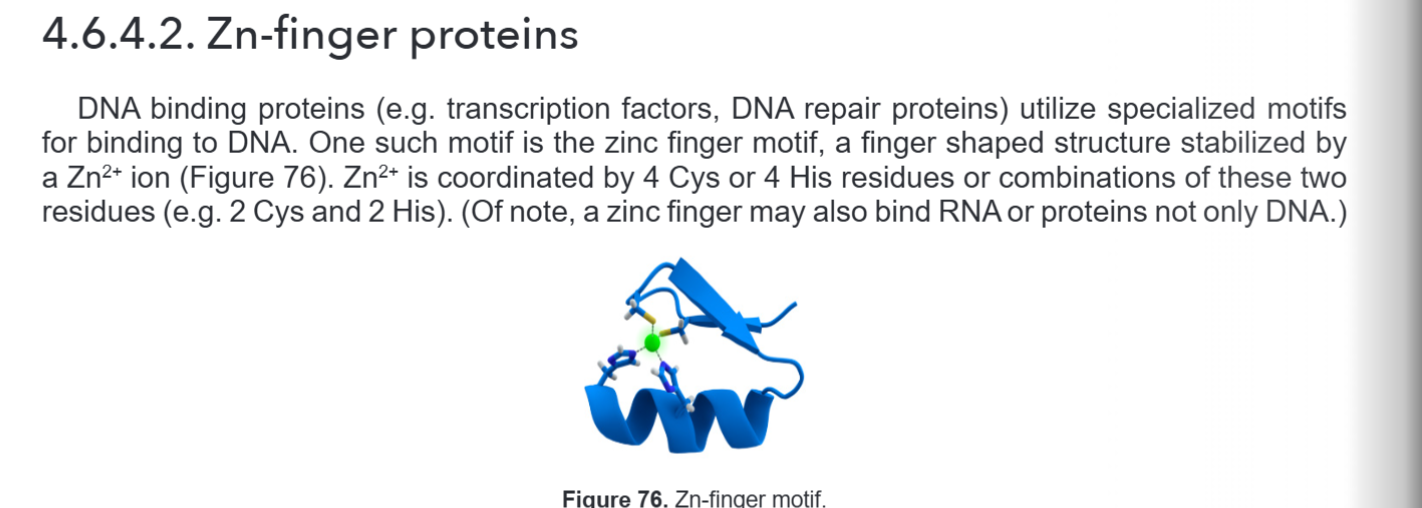
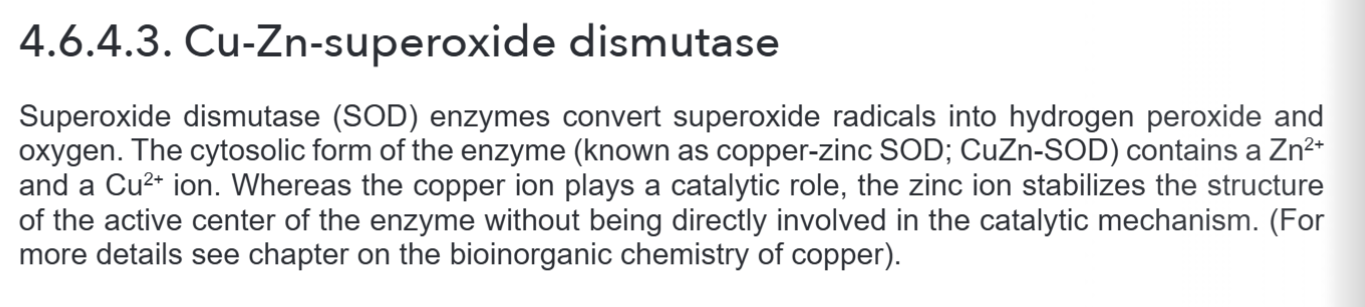
Cu-Zn superoxide dimutase
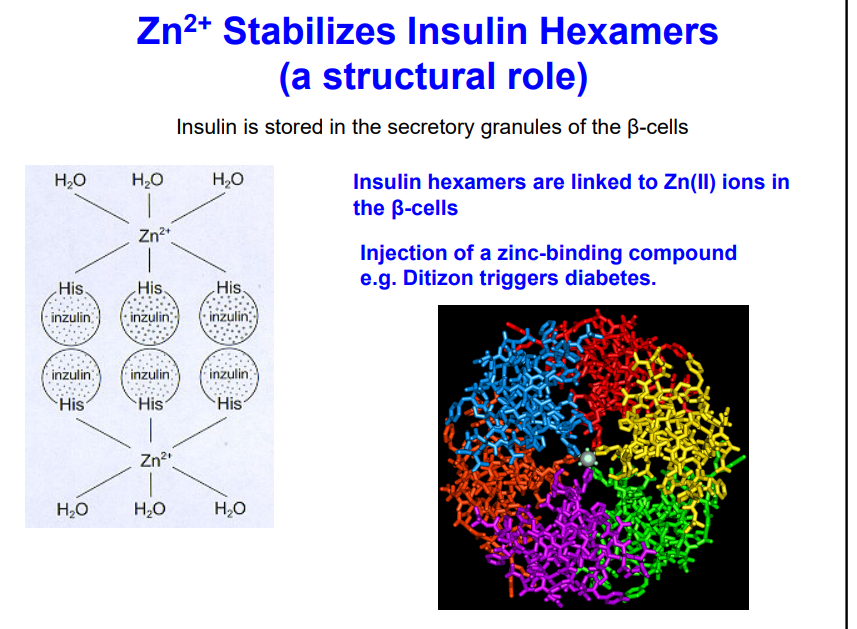
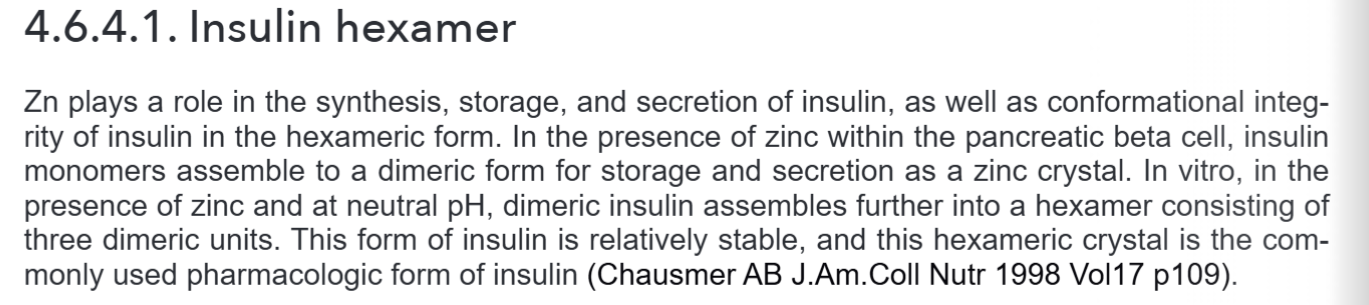
Insulin hexamer
Zinc Enzymes:
Carboxypeptidase A
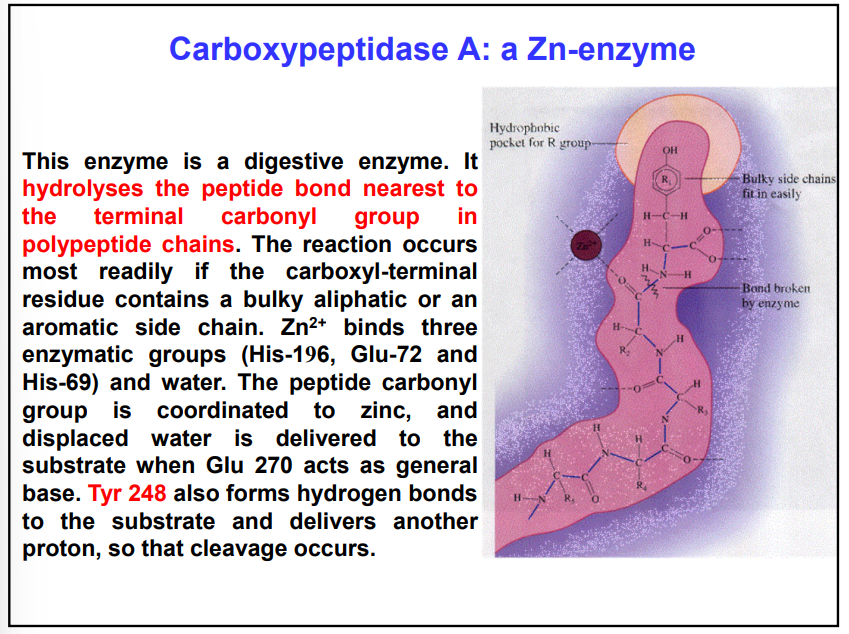
Carboxypeptidase A is a digestive enzyme produced by the pancreas.
This digestive enzyme hydrolyses the peptide bond nearest to the terminal carbonyl group in polypeptide chains.
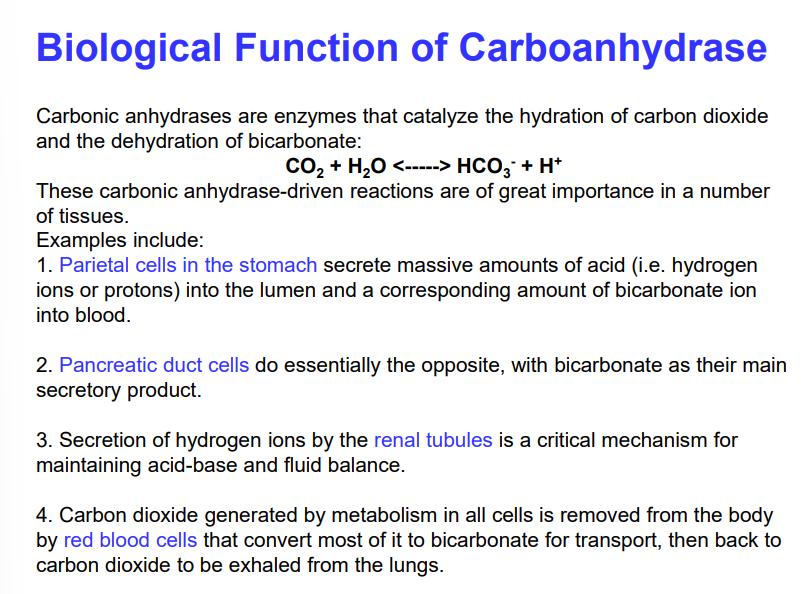
Carboanhydrase:
This is also a zinc enzyme
Nickel
Notes:
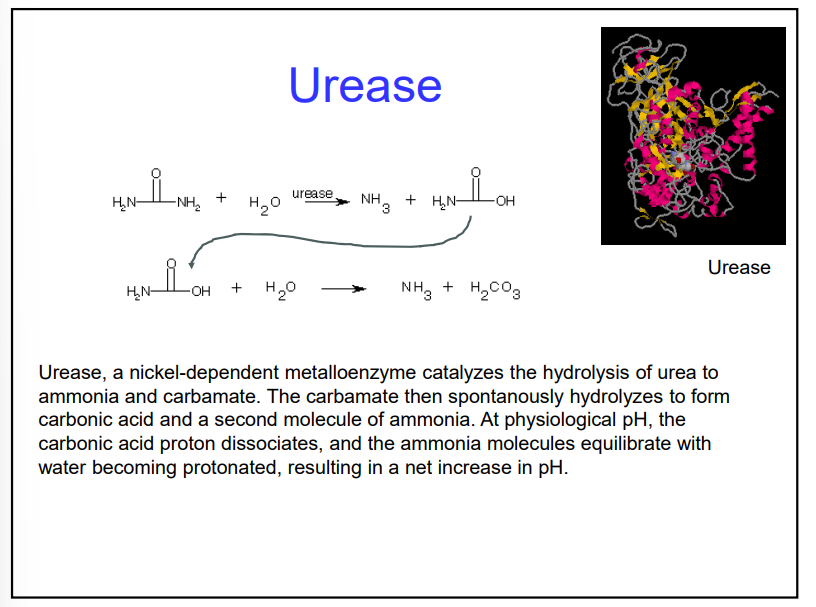
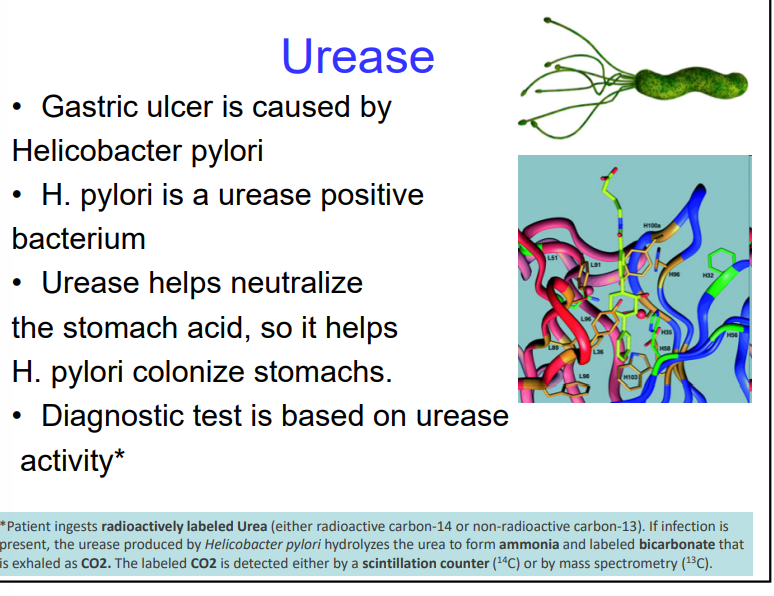
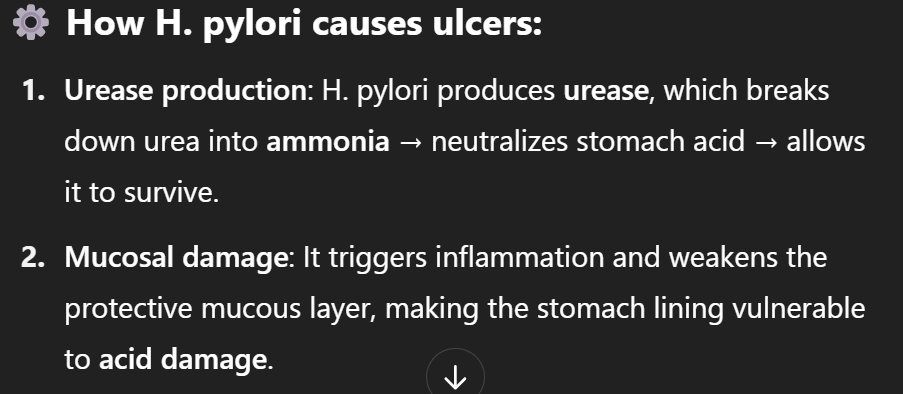
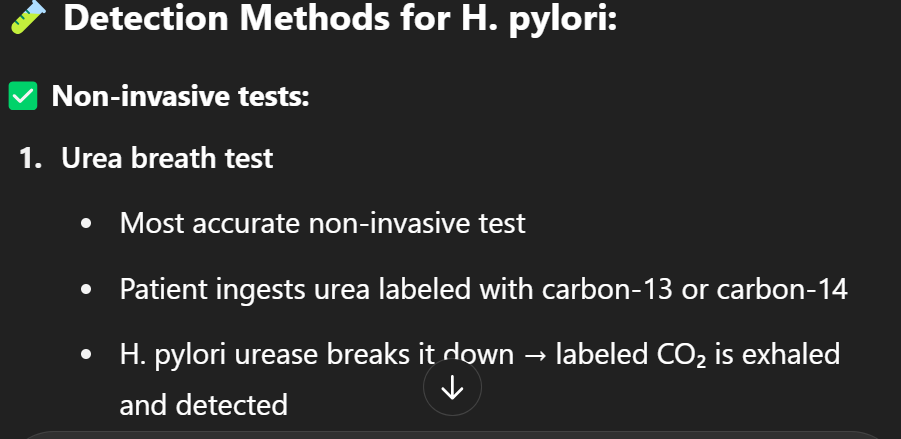
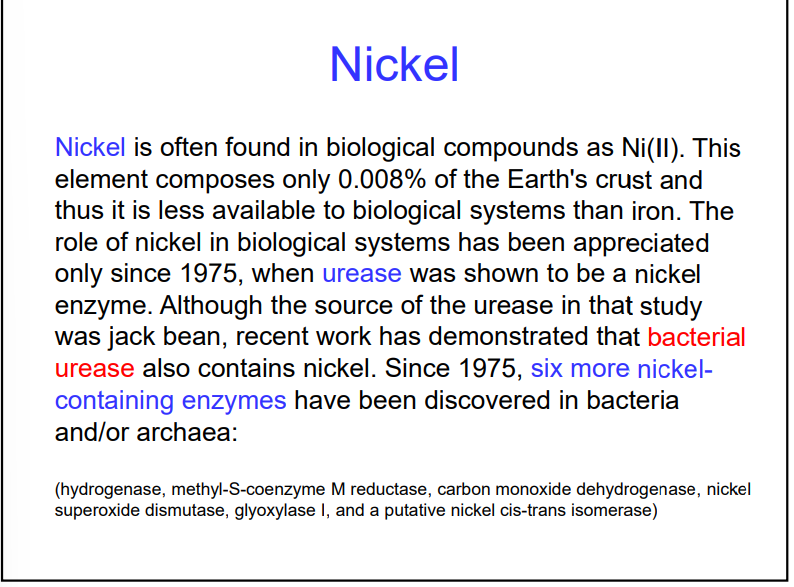
Urease is a nickel enzyme.
It hydrolyses urea to carbamate and ammonia.
The carbamate then spontaneously hydrolyses to form carbonic acid and a second molecule of ammonia.
Note:
Nickel is one of the most important contact allergen,