Kings of Israel and Judah
The Story Retold
In 2 Chronicles 10-16, the story of the revolt against Rehoboam is retold. It is also revealed that Jeroboam cast the Levites out after he seized control over Israel and appointed his priests to worship false gods. These Levites came to Jerusalem and guided Rehoboam for three years, strengthening the kingdom of Judah. Rehoboam took many wives and concubines, but above all, he loved Maacah, the daughter of Absalom. They had a son named Abijah (sometimes referred to as Abijam), and he was chosen to accede to the throne of Judah one day. The story of the Egyptian plunder of Jerusalem is also retold in these passages.
New Kings in Judah
Abijah reigned over Judah from Jerusalem for three years. He was not like David; he was filled with many sins. Abijah continued the war with Jeroboam. When Abijah died, he was laid to rest with his ancestors in the city of David. His son Asa replaced him on the throne of Judah. Jeroboam was still king in Israel when Asa took the throne of Judah. Asa followed God's laws as King David had done. Asa removed the male prostitutes from Judah. He also removed all of the idols that his father had made. He even removed his mother from being queen because she worshipped false gods. Asa brought gifts into the house of the Lord.
For Asa's entire time on the throne, there was a war between him and Baasha, the king of Israel. Zerah, the Ethiopian, came out against Asa with an army of over one million men. When Asa saw this, he prayed to God for help, and God defeated this army. Baasha built the city of Ramah so that no one could enter or leave Judah. As a result, Asa sent gold and silver to Ben-hadad (the son of Tabrimmon, the son of Hezion), king of Syria, to form a covenant between the two. Ben-hadad broke his alliance with Israel, attacked the cities of Israel, and conquered Ijon, Dan, Abel-beth-maacah, and all Chinneroth, with all the land of Naphtali.
When Baasha heard this, he stopped building Ramah and lived in Tirzah. Asa then commanded all of Judah to carry away Ramah's stones and timber, and Asa built Geba of Benjamin and Mizpah. Around this time, Hanani, the seer, came to Asa and said that because Asa had made the alliance with the Syrians and had not relied on God—even after God had defeated the Ethiopians and Libyans for him—he would have wars for the rest of his reign. Asa was angry with Hanani and put him in stocks in prison. Asa inflicted injustice on some of the people at this time. He reigned for forty-one years, died, and was buried with his ancestors in the city of David. Jehoshaphat became king and assumed the throne of Judah.
New Kings in Israel
Nadab, the son of Jeroboam, ruled over Israel during Asa's second year of being in power in Judah. Nadab ruled for two years. He did evil, did not follow God, and made Israel sin against God. Baasha overthrew Nadab and killed him at Gibbethon. When Baasha assumed the throne, Baasha killed all of the descendants of Jeroboam. This was according to the prophecy made by Ahijah. Jehu, another prophet, was given the word of God that Baasha would also be destroyed, along with his house. This would happen just as it had happened to Jeroboam, because of his sin and how he had caused Israel to sin. Baasha ruled Israel for twenty-four years.
Elah and Zimri Overthrown, and Omri Rules
Elah, the son of Baasha, eventually began his reign over Israel. He reigned for two years. Zimri, one of the commanders, conspired against Elah. When Elah was drunk in the house of Arza, Zimri killed him and took the throne. As soon as Zimri took control, he destroyed the house of Baasha.
Zimri was only king for seven days, however, when the troops found out about the conspiracy to kill the king. In response, they overthrew Zimri and made the army commander, Omri, king of Israel. Israel was divided. Half of the people followed a man named Tibni, and the other half followed Omri. Omri's people overcame Tibni's, and that is when Omri became king of Israel. Omri reigned for twelve years. For six years of that time, he reigned in Tirzah, and during the other half, he reigned from a hill that he had bought and named Samaria, after Shemer, the man he had purchased it from. Omri also did evil deeds, even worse than the leaders that came before him did. Omri died and was buried with his father in Samaria.
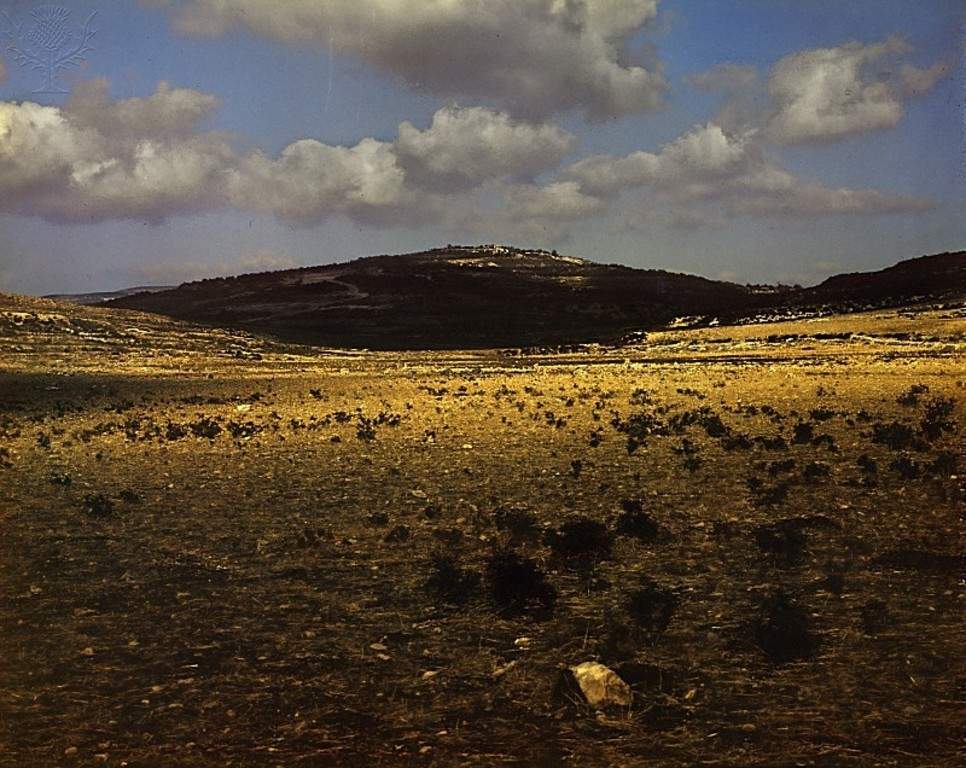
This picture shows the hill bought by Omri from Shemer. Here, King Omri and his son, King Ahab, built Samaria, the northern kingdom's capital.
Ahab Rules Israel
Omri's son Ahab eventually began to rule Israel. He ruled over Israel for twenty-two years. He did great evil before God, more than the rulers that preceded him. He took a woman named Jezebel for his wife. She was the daughter of Ethbaal, king of the Sidonians. Ahab worshipped Baal and erected an altar for him. Ahab did more to make God angry than all the kings before him.
Jehoshaphat Rules Judah
Jehoshaphat, the son of Asa, became the king of Judah. Jehoshaphat built up the defenses of Judah. He built forts and set garrisons for soldiers in the land of Judah. Jehoshaphat walked with God and did not seek out false gods like the Baals. God established the kingdom in Jehoshaphat's hand. He had great wealth and was honored, and he destroyed the pagan high places of worship and removed them from Judah.
During the third year of his reign, Jehoshaphat sent out his officials—Ben-hail, Obadiah, Zechariah, Nethanel, and Micaiah—to teach in the cities of Judah. He sent the Levites—Shemaiah, Nethaniah, Zebadiah, Asahel, Shemiramoth, Jehonathan, Adonijah, Tobijah, and Tobadonijah—and the priests Elishama and Jehoram. They taught the law to the people in the cities of Judah. God made all who were around fearful, and they did not make war against Judah.
Some brought presents and silver for tribute. Jehoshaphat had mighty men of valor in Judah. He had hundreds of thousands of men at his command.
Summary
The story of the revolt against Rehoboam is retold. Jeroboam cast out the Levites. They went to Jerusalem and served as priests there. The Egyptians plundered Jerusalem. Abijah reigned in Judah after the death of Rehoboam. Asa reigned after Abijah's death. Asa was a good king and followed God's commandments. Baasha ruled Israel and built Ramah. Ramah was then destroyed. God helped Asa defeat the Ethiopians, but Asa called on Syria to help fight Israel. A seer named Hanani came to Asa and said that since Asa had relied on the Syrians instead of God, he would have wars to deal with for the rest of his reign.
Around this time, Nadab ruled Israel. Nadab did evil things and caused Israel to sin against God. Baasha killed Nadab as well as all of the descendants of Jeroboam. Elah then ruled over Israel. Zimri killed Elah and took control of Israel; he destroyed the house of Baasha. Zimri only ruled for seven days, however, before the army and Omri overthrew him. Omri's son Ahab ruled Israel next. Ahab worshipped Baal and erected an altar for him.
Jehoshaphat, the son of Asa, eventually became the king of Judah. Jehoshaphat walked with God and did not seek out false gods like the Baals. Jehoshaphat restored religious education and commanded obedience to God's laws and commandments.

Application and Reflection
Application
We can see with the changing of the kings of Israel and Judah how much leadership matters. When an evil king ruled, the people suffered, and God was not pleased. When Jehoshaphat ruled and followed God's laws, the kingdom did well. Leadership that is obedient to God matters.
Reflection
Asa was a good king who followed God but made the mistake of having the Syrians help him, even after God showed that He was faithful and defeated the Ethiopians. Hanani, the seer, told Asa that he had done wrong, and Asa put him in prison stocks because of this. Some people do not like to be called out when they make mistakes. Do you accept just criticism, or do you react in retaliation as Asa did?