|GENBIO.| CELL CYCLE & RESPIRATION
CELL RESPIRATION
life is at work.
work needs energy (ATP).
Photosynthesis generates molecules.
cellular respiration uses energy to store organic molecules of to make ATP, powers work.
*Three stages*
Stages & locations are
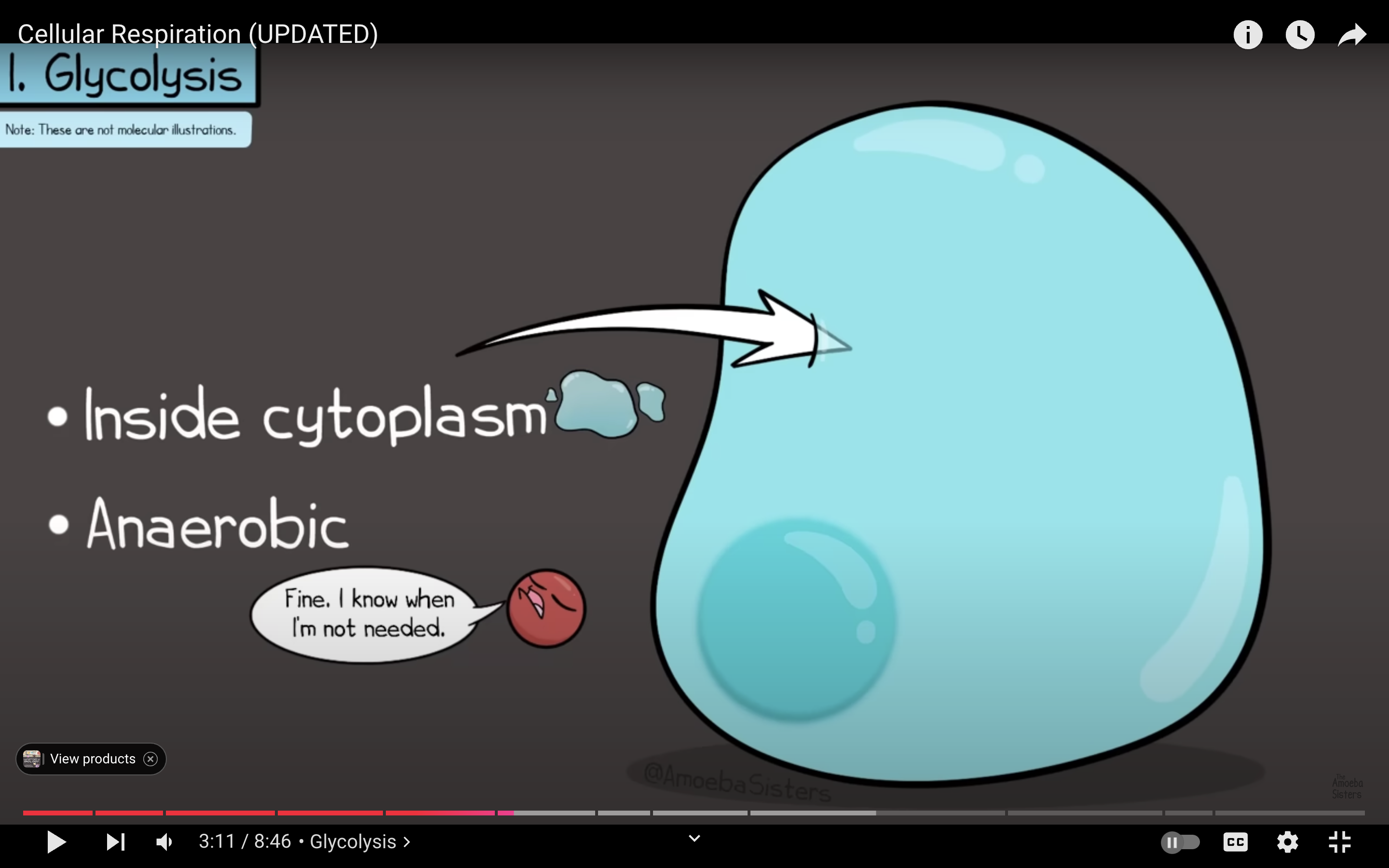
1. GLYCOLYSIS in the cytosol
2. CITRIC ACID CYCLE in the mitochondrial matrix
3. ETC AND CHEMIOSMOSIS in the inner membrane
GLYCOLYSIS
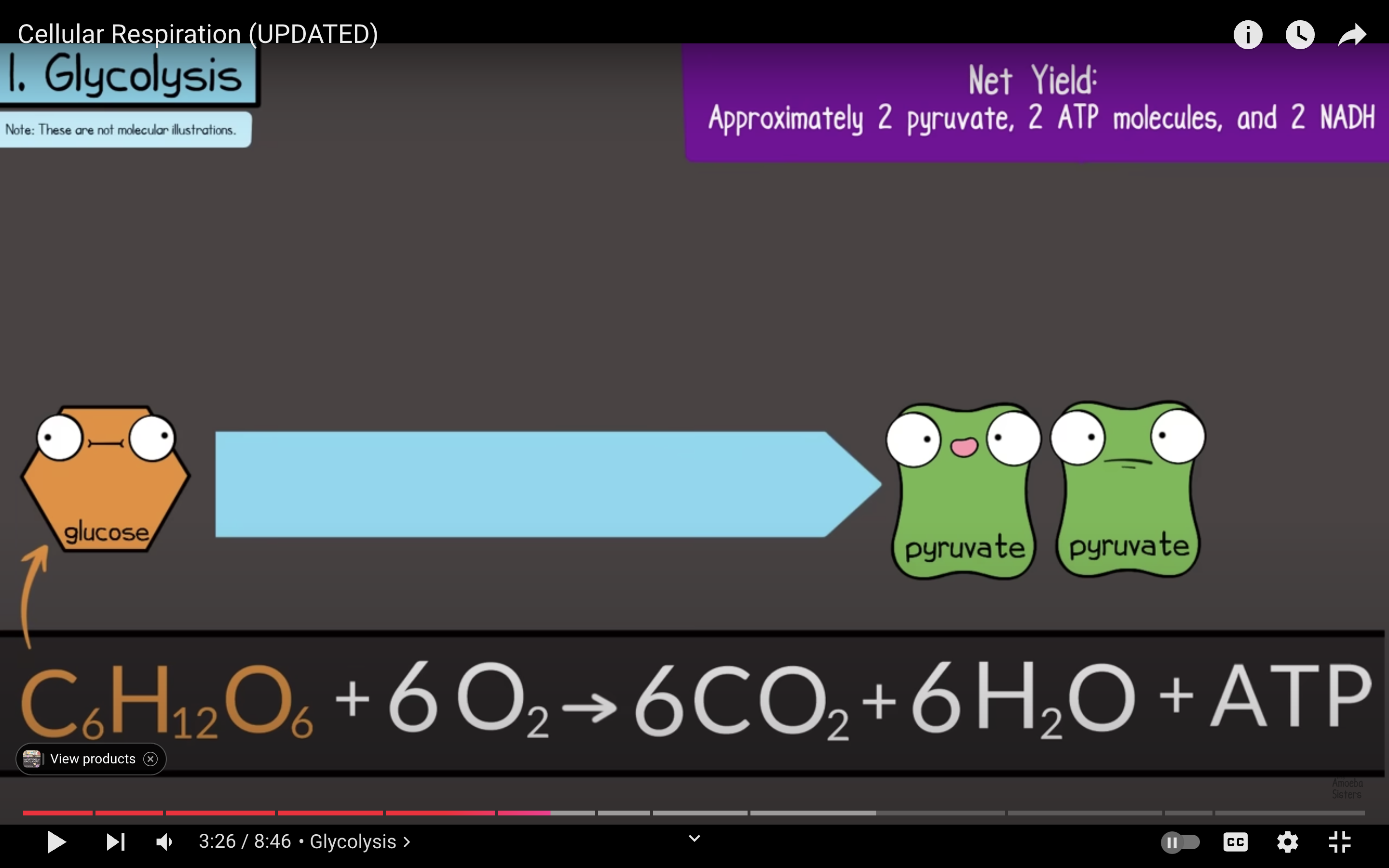
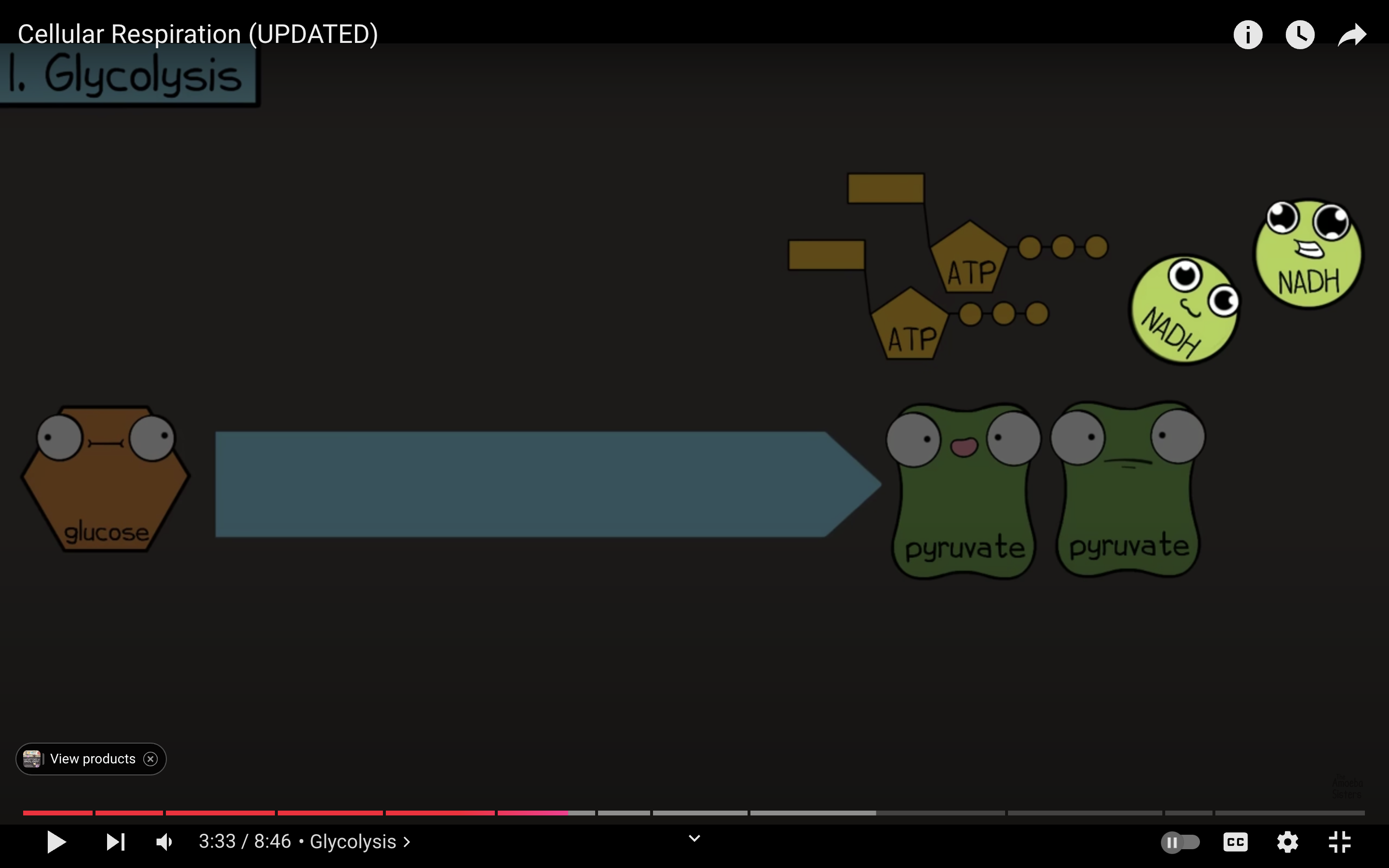
Breaks glucose into 2 molecules of PYRUVATE
Two major phases
1. ENERGY INVESTMENT
2. ENERGY PAYOFF
Occurs whether or not O2 is presentPYRUVATE OXIDATION
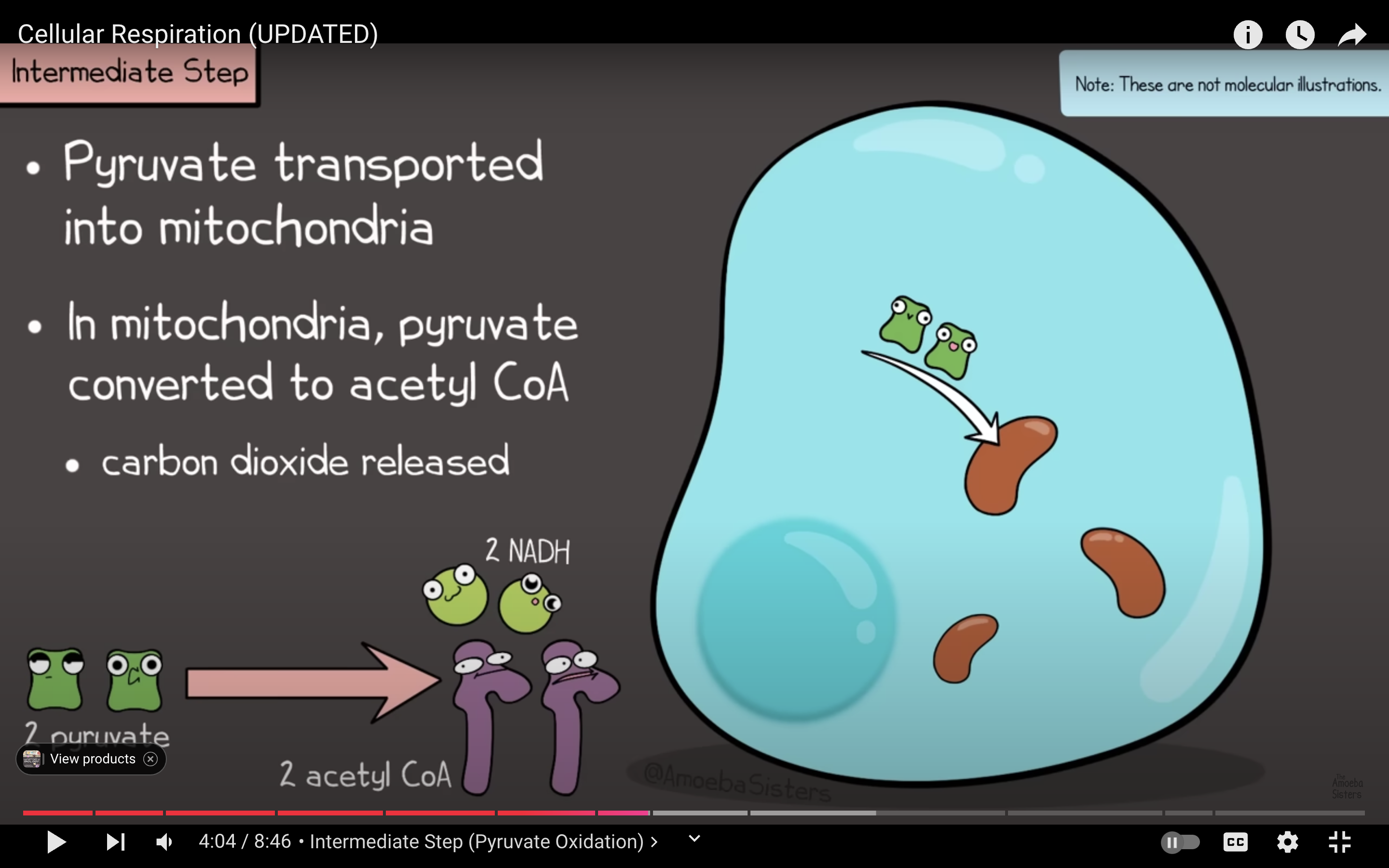
In presence of O2,
* Pyruvate enters mitochondria
converted to acetyl CoA
Links glycolysis to the citric acid cycle
CITRIC ACID CYCLE
Completes the breakdown of pyruvate to CO2
Turns 2X, each turn uses a molecule of
Generates, per Acetyl CoA
* 1 ATP
* 3 NADH
* 1 FADH2
NADH, FADH2 relay electrons to ETC
ELECTRON TRANSPORT CHAIN
Occurs on the inner membrane
Composed of a series of protein complexes
Electrons fall to lower state of energy
ultimately passed to O2
* Combine with H ions, forming H2O
CHEMIOSMOSIS
As electrons pass along the ETC, H ions are pumped into the inner membrane space
Creates a gradient called the PROTON MOTIVE FORCE
H ions eventually pass back into the mitochondrial matrix through ATP synthase
(membrane enzyme)
PM Force drives work....ATP production
ENERGY EFFICIENCY
Only 34% of energy stored in glucose is used to make ATP... remainder is lost asheat
CELL CYCLE
INTRODUCTION
Life is based on the production of cells through a process called CELL DIVISION
Significance
1. growth & development
2. tissue repair
3. repoduction
CELL CYCLE
A series of events occurring with a cell, leading to it's growth & ultimate division
Has two phases
1. INTERPHASE
2. MITOTIC (M) PHASE
* mitosis
* cytokinesis
INTERPHASE
A cell spends majority (over 90%) of it's life in this phase
subdivided into three stages
1. G1 phase
2. S phase
3. G2 phase
INTERPHASE - nucleus is intact; DNA molecules replicate themeselves
MITOSIS
Prophase - Nuclear envelope breaks apart; chromatin condenses into chromosomes
Metaphase - Chromosomes line up along the eqautorial plane
Anaphase - shortest one, chromosomes seperate & move toward opposite poles
END RESULT OF MITOSIS:
1. makes 2 same cells
2. each one is a diploid (2n)
3. process accounts for all somatic (body cells)
4. EXCEPT: gametes/sex cells are made by another type of cell division called meiosis
Telophase - nuclear envoleopes reform, chromosomes de-condense back intochromatin network
CYTOKINESIS
cystoplasm divides, separates, daughter cells occurs
Animal cells = cleavage furrow forms; cells “pinched” into daughter cells
Plant cells (- cell plate (wall) froms with b/w daughter
CELL CYCLE REGULATION
Regulated by a cell cycle control system, factors include internal & external signs
1. G1 phase - checks if DNA is damaged, suffiecent cell size & proper enviromental conditions
2. G2 - makes sure that DNA is copied correctly
3.M phase - makes sure chromosomes are aligned & attached to spindle apparatus before anaphase
EXTERNAL FACTORS
* can be physical
Factors are:
1. Ancho.rage depend.ence - cell has to be together to a solid surface to grow and seperate
2. Density depend.ent inhibition - cells STOP dividing when they reach a limit density (crowding)
CANCER
uncontrolled growth. 7 divison of abnormal cells
cells can’t respond to normal cell cycle controls
abnormal mass of cells is a tumor
metastasis - spreads to other locations
* benign - mass is NOT cancer
* malignant - mass is CANCER
CANCER PREDICTION
1. US, cancer will effect
2. 1 in 2 men
3. 1 in 3 women
4. cases will double by 2050