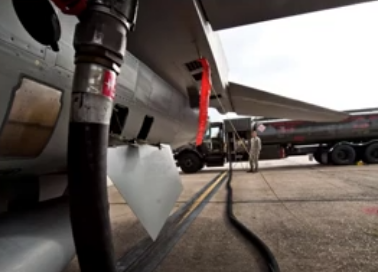
Fuel Servicing
AVGAS
Aviation gasoline (AVGAS) is used in reciprocating engines
AVGAS is identified by red, blue, green, and purple colors according to fuel grade
Tetra-ethyl lead is a common additive used as anti-knock agent
Other additives include gum deposits, and corrosion and ice inhibitors
Jet Fuel
JET A fuel is used in turbine engines
Turbine fuels are a yellow or straw color
Prist is a common anti-icing additive, but a biocide may also be mixed in to prevent microbial growth
-NEVER mix AVGAS and turbine fuel
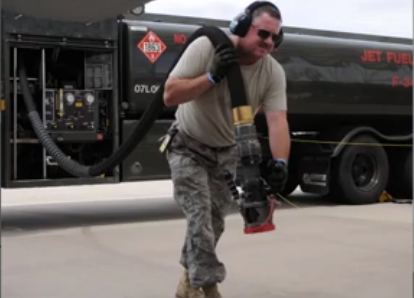
Fuel contaminants
-Contamination in aviation fuel is anything in the fuel that is not supposed to be there
Controlling contamination is extremely important to prevent engine failure and loss of life
Best method = prevent introduction to fuel system
Keep fuel dry; use filters, screens, and separators
Other fueling concerns: Static electricity buildup, breathing fuel vapors, fuel spill on clothing or skin
Types of Contaminants
-The most common contamination is servicing with the wrong type of fuel
AVGAS in turbines leave lead deposits on blades
Reciprocating engines will not run on turbine fuel
-Other contaminants include water, solids, and microbial growth
Fueling Procedures
-Two types of fueling procedures:
Smaller aircraft use over-the-wing method
Larger aircraft use single point fueling method
Utilizes a receptacle to fill all tanks from one point
-Prior to refueling, turn off all electrical systems and devices, connect static ground wires, ensure correct fuel type, and equip PPE.
Do not fuel if lightning is near (5 mi or 500ft from operating radar)
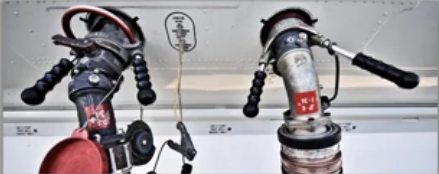
Defueling Methods and Precautions
Gravity defueling or pumping
Always follow safety precautions when defueling
Make sure aircraft and defueling equipment are grounded with correct fire extinguisher on hand
Use caution not to empty the forward tanks first when defueling