Unit 2
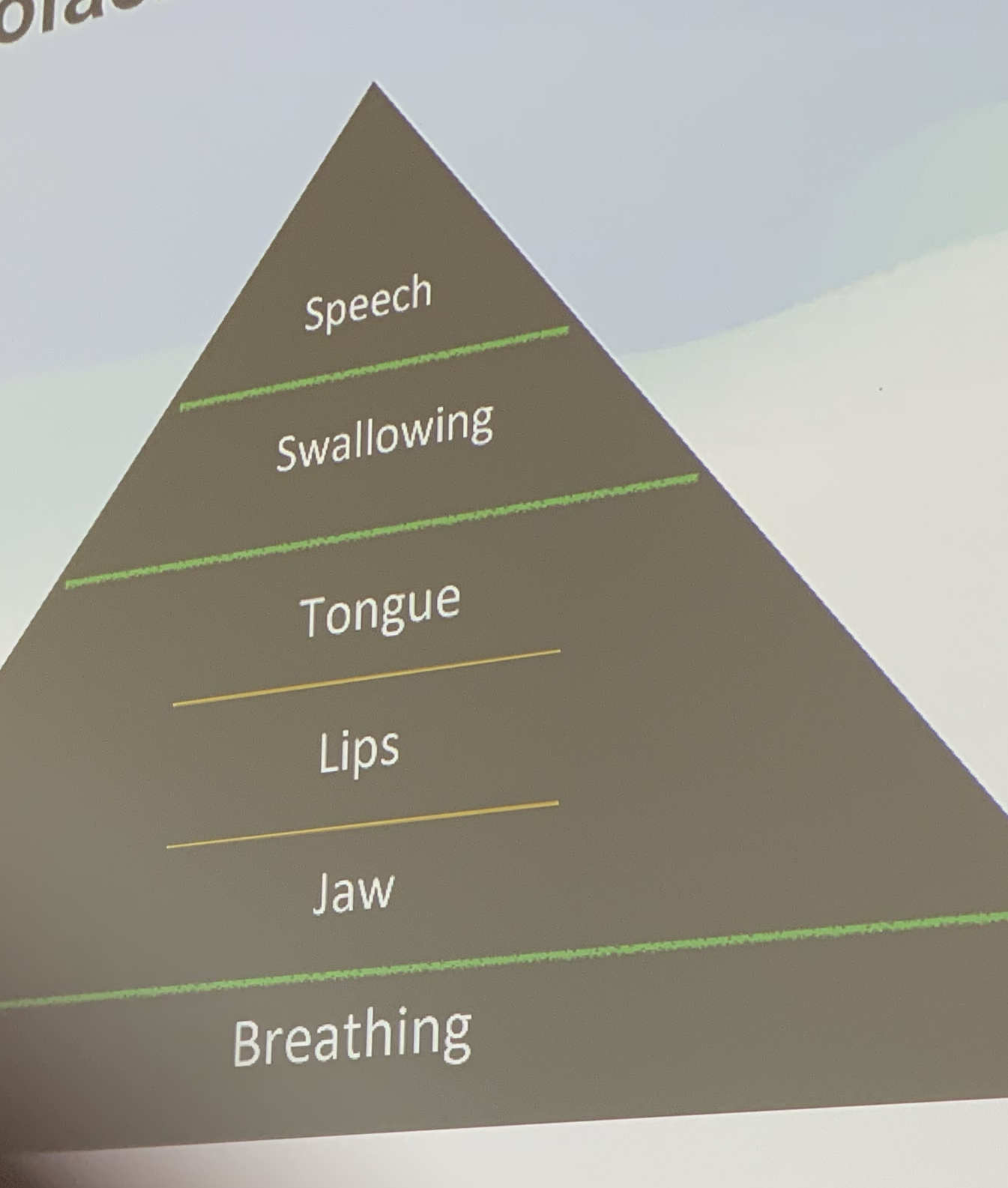 Hierarchy of quality for speech
Jaw disassociation: your ability to move your tongue independently of your jaw
difficulties with OMD: /s/ and /z/ due to open dentition (open gap in top and bottom teeth), abnormal lingual dental articulatory placement for /t/ /d/ /l/ /n/ /ch/ /dj/ /sh/ /zh/
-know your why, never do an exercise or movement it’s out knowing why you are doing it.
If a client is struggling with /r/, assess them with the Arizona-4, it tests /r/ in many positions
Focused on assessment and NOT treatment, no chapter 9
Goals of assessment process:
Does the client need services? Do they qualify for services?
If so, what?
How much or often should they be seen?
What are the goal areas?
What b/x need to be addressed? What speech sound targets should be addressed first?
2-8
Percent consonants correct→ associated with severity rankings
Idiosyncratic process = pattern unique to the child or doesn’t fit into a typical category
EX: initial consonant deletion, vowel error patterns
Exam 2:
½ on blackboard
½ in class written
-advantages and disadvantages of artic assessments
-determining eligibility
-selecting sounds for treatments
-neutralization of phonemic contrast
-figure pic (percent consonants correct)
-phonetic/phonemic inventory from sample. Phonetic=what sounds they are using, phonemic=what are they using correctly
-collapse of phonemic contrasts
-chronological age…show work
-intelligibility rating at different ages (a 3 year old should be what percent intelligible?)
-sounds for stimulability testing: target sounds that are errors. Look through sample, identify errors, list errors
-phonological processes from sample
Terms: intelligibility,macroglossia, microglossia, ankyloglossia, myofunctional disorder, contextual testing-look at sounds in different context(what arrangement or grouping of sounds and how they affect the target sound…/r/ is issue so what do they do in r blends vs beginning or word vs end of word, coarticulation- one sound influences the other, perceptual testing-clients ability to listen and identify correct/incorrect sounds(auditory discrimination), facilitative context-sounds that make other sounds easier to produce..facilitate production of target sounds /r/ is better quality in /ear/ sound, stimulability, PCC
Transcription of squirrel know what is correct-skwɪrəl or skwərəl
Hearing: otitis media, how to use speech banana-compare to audio gram and see what sounds they cannot hear, what sounds are affected-, what problems occur if sounds are not accessed during developmental age?-speech lang issues, lack discrimination, dont know if producing correctly, speech/language development will be delayed
Cleft lip/palate: types(sub mucous al cleft- blueish tint, roof of mouth gives, bifid uvula, difficulties SLPs could address:, VP insufficiency:dont have enough tissue and cannot close off, VP incompetence: have enough tissue but not functioning correctly. Velar sounds
SLPs can help with incompetence of VP