Sampling
Sampling animals
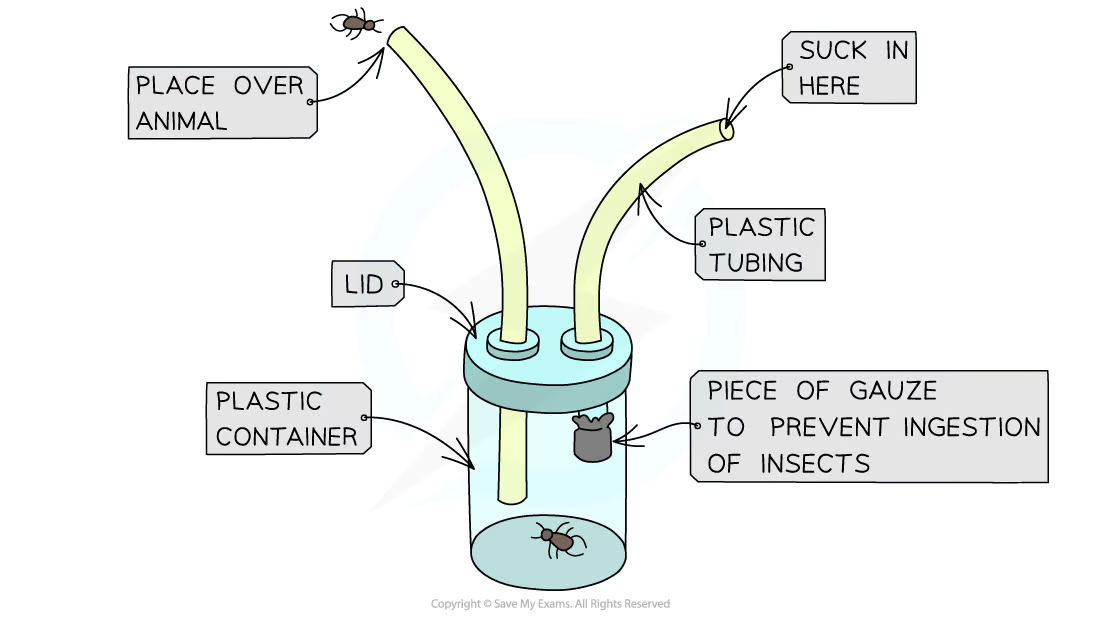
Pooters
small invertebrates
first tube is placed over the organism and the second tube is used by the scientist to create suction
once inside the organisms can be easily viewed and identified
Sweep nets
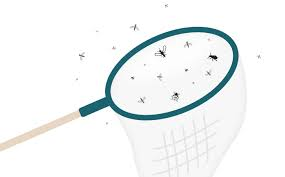
flying insects and insects that live on leaves
swept across vegetation
large strong nets made from a material with very small holes
Pitfall traps
ground dwelling invertebrates
cans or jars sunk into the ground
invertebrates fall in and cannot climb out
lid ensures it does not fill with rainwater

Tree beating
animals that live on the leaves/branches of trees
large white cloth stretched out under the tree
shake/beat tree to make animals fall

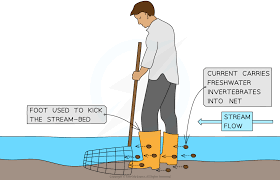
kick sampling
aquatic invertebrates
disturbs material on the bed of river
catch organisms in a net that were freed by the disruption
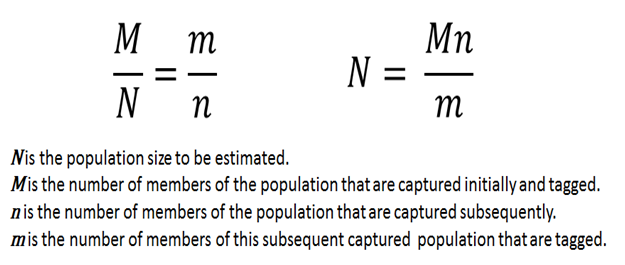
Mark and recapture
Sampling plants
two quadrat types
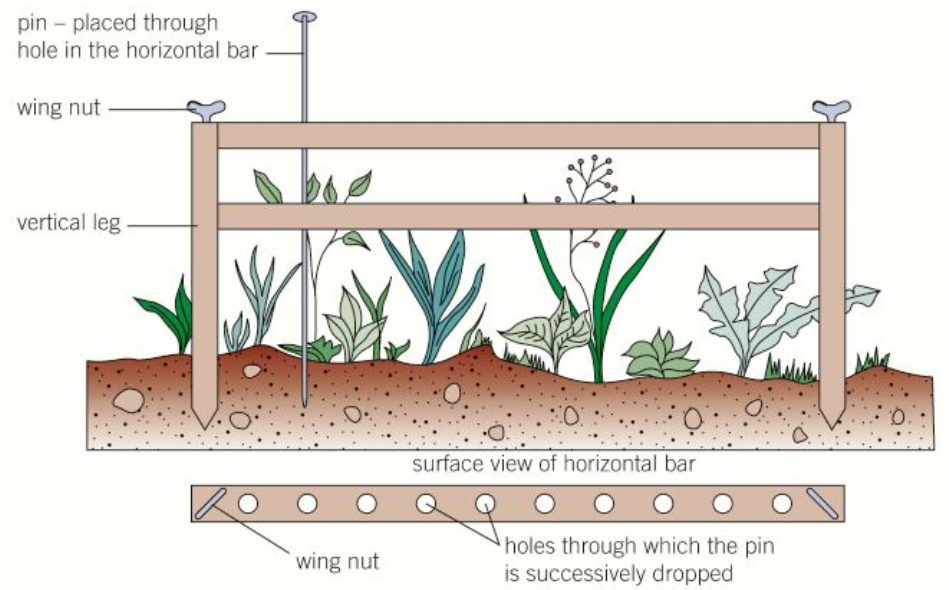
point quadrat
frame containing horizontal bar
at set intervals long pins pushed through to reach the ground
each species of the plant the pin touches is recorded
Frame quadrat
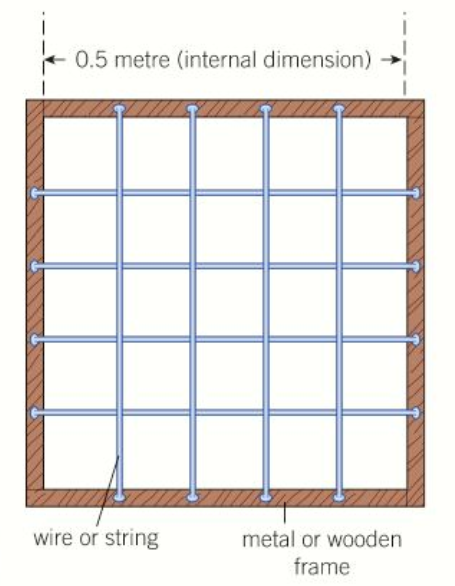
square frame divided into a grid of equal sections
type and number of species within each section of the quadrat is recorded
Random sampling
avoids bias
ensures samples are representative of whole area
randomly generated coordinates
Non random sampling
opportunistic sampling
carried out on the basis of opportunity
stratified sampling
the number of random samples taken within each habitat type is proportional to the area covered by each habitat type
systematic sampling
samples are taken across a habitat with reference to the changes in habitat conditions
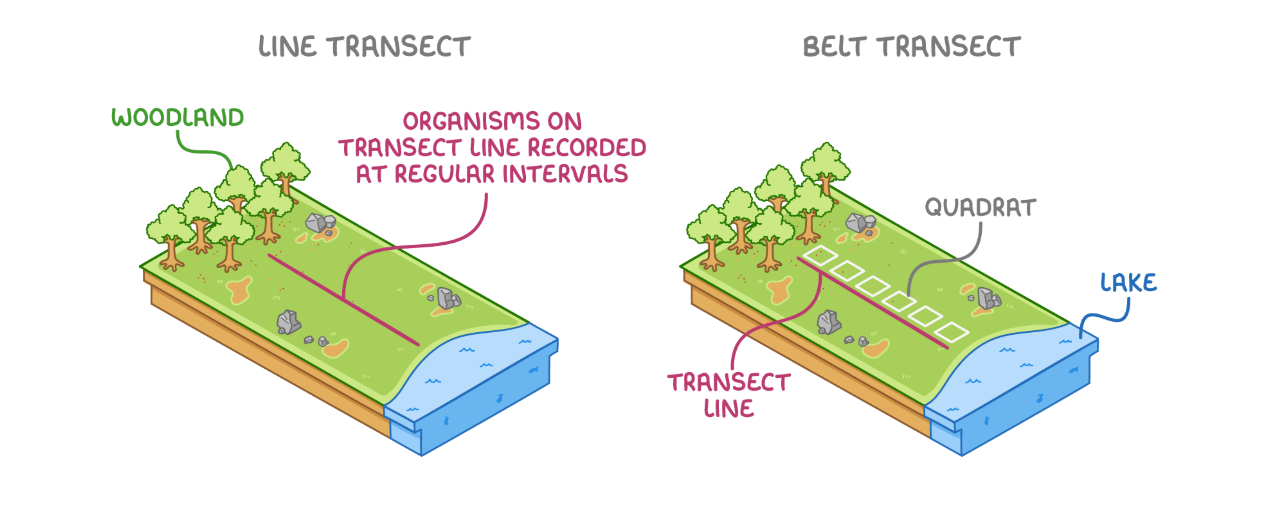
Transect sampling
line
samples are taken at regular intervals along a line between two points
belt
samples are taken in an area along a line or between two parallel lines by using quadrats placed either side by side (continuous) or at regular intervals (interrupted)