Solutions
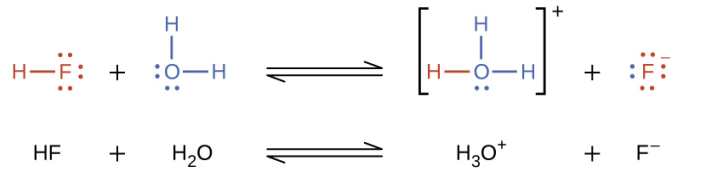
Acid
compound that dissolves in water to yield hydronium ions
Brønsted-Lowry acid: compound that donates a proton to another compound
conjugate acid: accepts H+, was base
acidic: greater concentration of hydronium ions than hydroxide (H3O+ > OH-)
pH > 7
acid-base reaction: the transfer of a proton from a donor (acid) to an acceptor (base).
conjugate pairs
amphoteric: species that can donate and accept protons
neutral: equal concentration of hydronium and hydroxide ions

Base
compound that dissolves in water to yield hydroxide anions
Brønsted-Lowry base: compound that accepts a proton
conjugate base: remaining after acid donates H+ (was the acid)
basic: less concentration of hydronium ions than hydroxide (H3O+ < OH-)
pH < 7
autoionization: process where molecules react to yield ions
Kw: ion-product constant for water, equilibrium constant, the extent of the water autoionization process = 10^(-14)



Expressing quantities
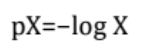
pH: -log (molarity of hydronium)

hydronium ion molarity (molarity = molar concentration)

pOH

hydroxide molarity

14 = pH + pOH


a) given value
b) 10^(-14)/0.00045
c) -log(0.00045)
d) 14 - pH
Dilutations
molarity M = number of moles of solute n (mols) / volume of solution V (Liters)

Balanced equation —> molar ratio

Solution Stoichiometry
finding limiter:
balance equation
calculate moles of the reactants
divide by coefficient from equation
reactant with lowest resulting ratio = limiting reactant/limiter
cases:
solution with ___ mass that is ___ % this is reacted with ____, how many grams/what is molarity/ how many mililiters of, molecules ______/the precipitate form
steps:
balance equation
convert to desired unit (M = n/v = = number of moles/volume = mass/molar mass/volume (mol / L)
molar ratio
convert to desired unit
Titration
use molarity equation to find mols given final and initial buret reading (subtract initial from final) and given molarity to find the desired unit of the other element
Enthalpy Change from Calorimetry (kg/mol)
Use Mcat , calculate the heat of H2O using given values
Heat of reaction (qrxn) is the negative of that
find moles of desired thing (usually has its values given, or is the thing being added). molar mass and mass.
Equation: lost energy/exothermic —> add to right side/product side
Treat solution (specific heat and mass adding) as water
ion added to water —> some difference (synthesis, decomposition… H2O not in equation, just vessel)
applying heat to ice —> heat of fusion formula, with KJ converted to J
grams, liters, moles, enthalpy change relationship (molarity formula, molar mass formula)
Enthalpy Change from Heats of Formation
product - reaction
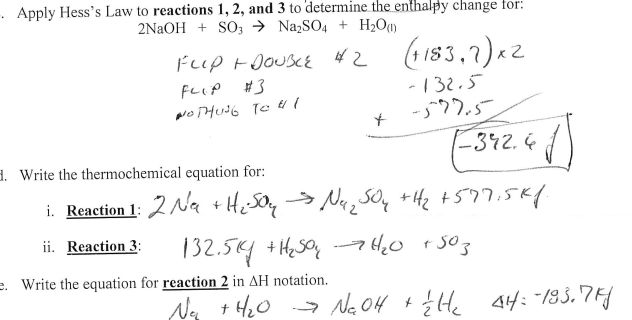
Hess’s Law
flip, double…
might need to separate through reactions
Separating a molecular equation
Balance the molecular equation
Seperate all soluble ions (remember the + - signs)
Cancel out cancellables
types: aqueous (aq) for thing dissolving, solid (s) for precipitate, liquid, gas