Portable Check-Off
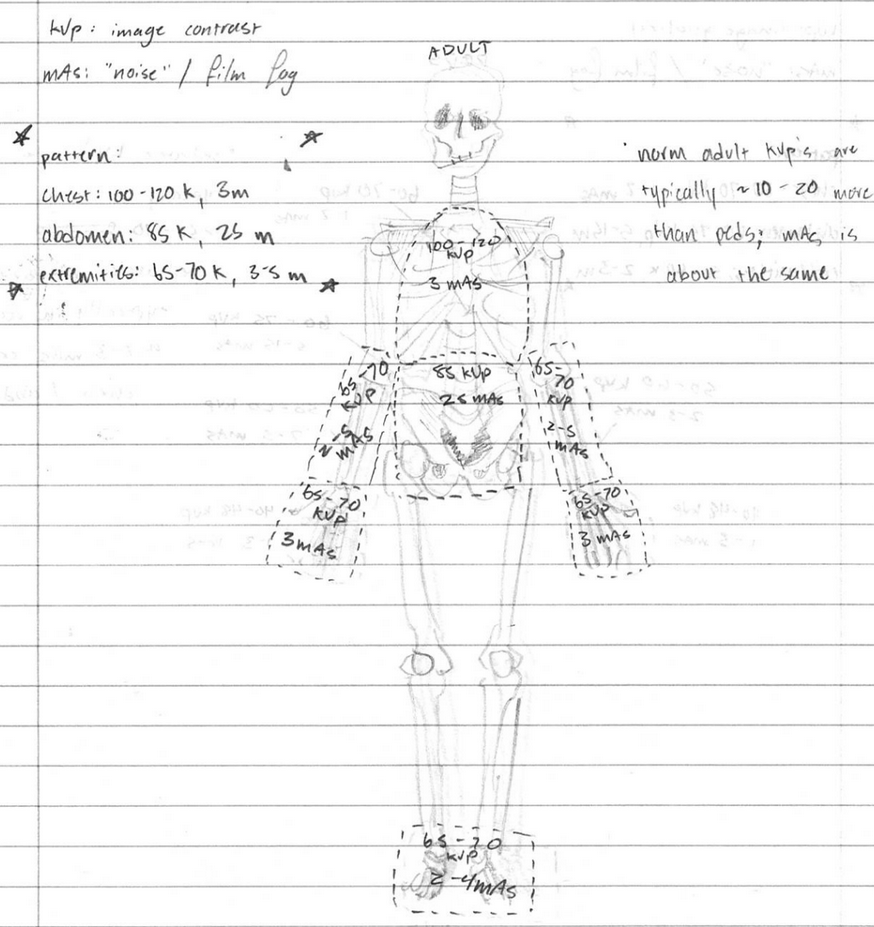
CHEST:
Norm:
100 - 120 kVp
3 mAs
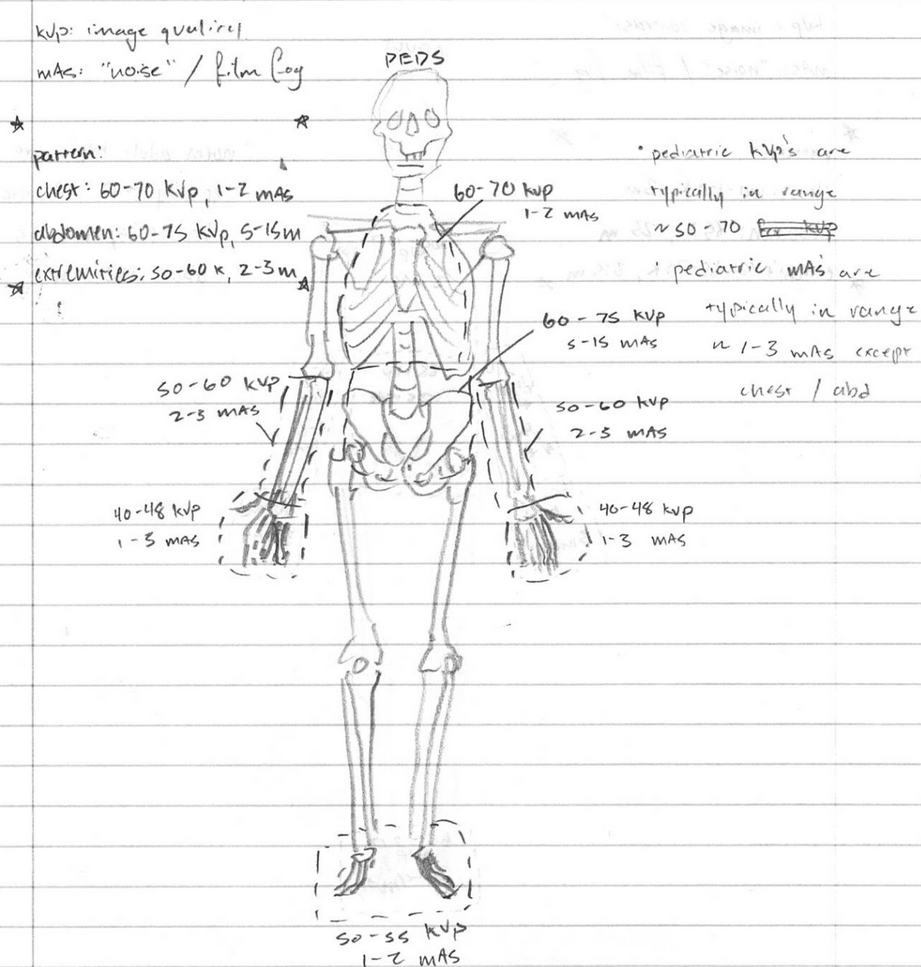
Pediatric:
60 - 80 kVp
1 - 2 mAs
ABDOMEN:
Norm:
85 kVp
25 mAs
Pediatric:
60 - 75 kVp
5 - 15 mAs
FINGER, HAND, WRIST:
Norm:
65 - 70 kVp
3 mAs
Pediatric:
40 - 48 kVp
1 - 3 mAs
FOREARM AND ELBOW:
Norm:
65 - 70 kVp
2 - 5 mAs
Pediatric:
50 - 60 kVp
2 - 3 mAs
TOE, FOOT, ANKLE:
Norm:
65 - 70 kVp
2 - 4 mAs
Pediatric:
50 - 55 kVp
1 - 2 mAs
POSITIONING
positioning for portable exams are typically simple (PA/AP, Lateral, Obliques, etc.) given the state of the patient being unable to be transported to the exam room
step out of room or wear lead gown when shooting
portable position typically best when corner of portable aligns with corner of bed
all SID for projections is around 40, except chest
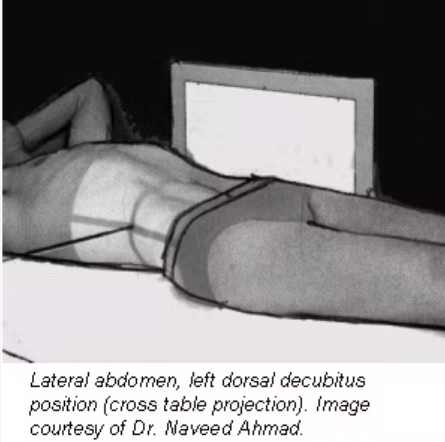
dorsal decubitis - patient supine, CR aimed thru side
side stated in projection name against IR
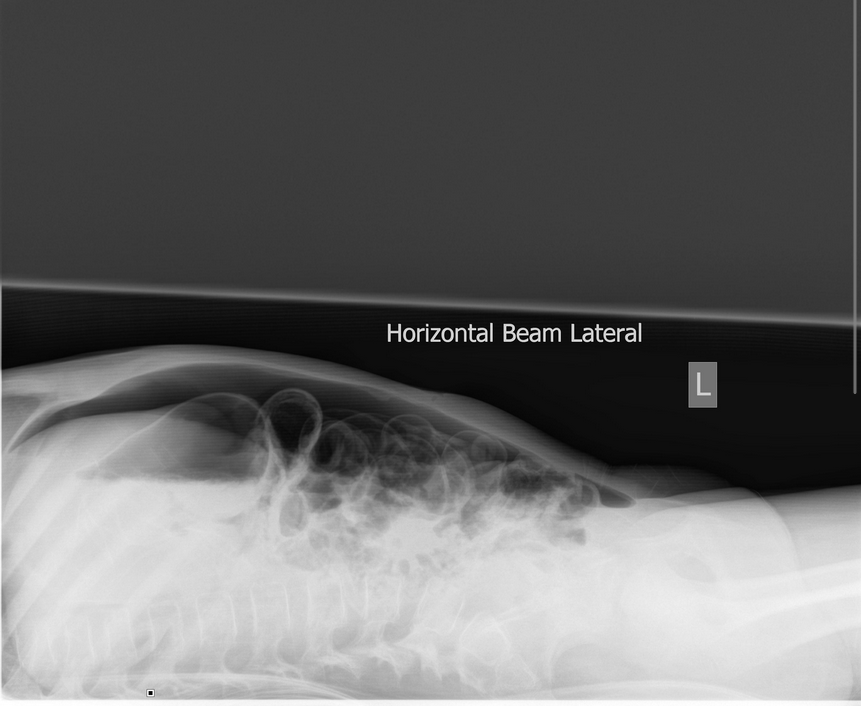
R or L lateral decubitis - patient supine and on side, CR through MSP
side stated in projection is side down
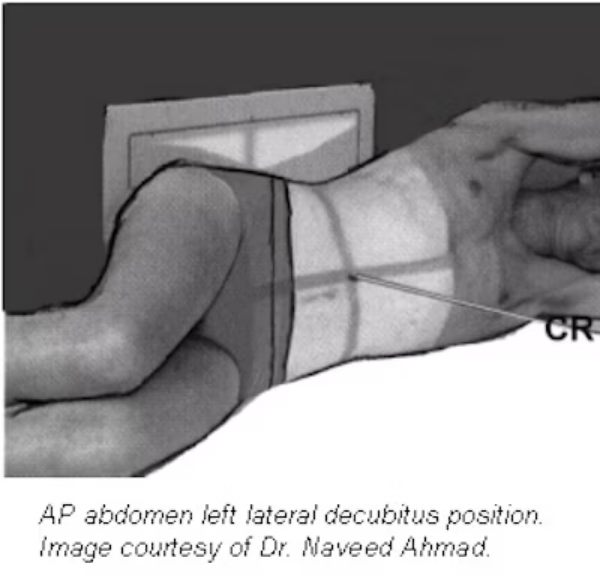 ⁸
⁸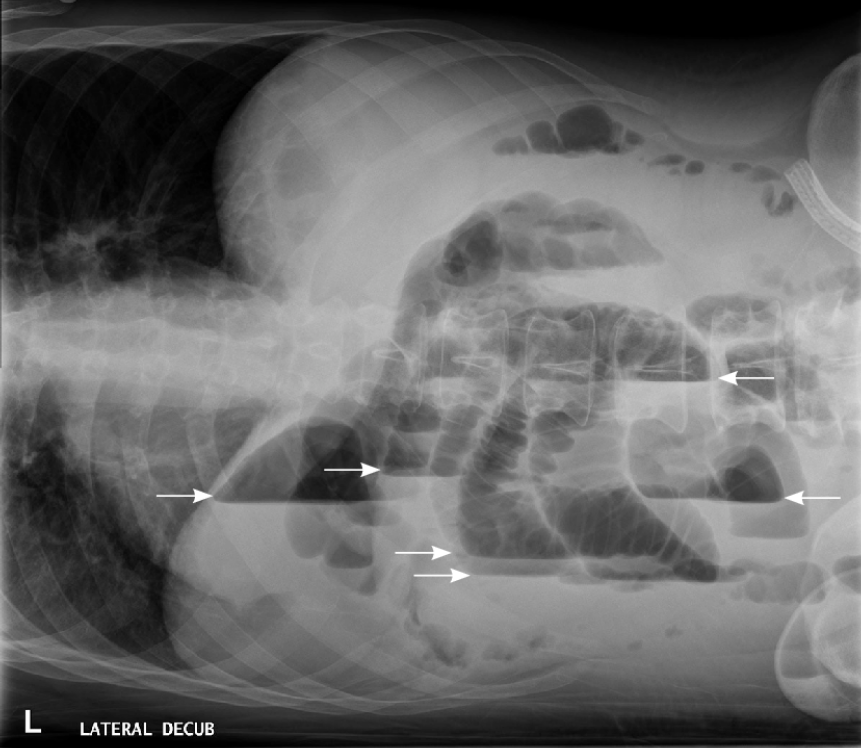
CHEST: AP
main purpose is air/fluid levels so, have the patient sitting up to demonstrate that pathology
center 3 inches below jugular notch
make sure there’s light over shoulder
top of lengthwise board close to shoulder and angle down to throw clavicles out of apices
have the angle of the CR match the angle of the CHEST
get a good distance between patient and CR: about 50 to 72 SID
ABDOMEN: KUB
main purpose is abdominal pathologies or bowel obstructions
center at iliac crests
CR perpendicular to IR
EXTREMITIES: AP, OBLIQUE, LATERALS, NEUTRALS
main purpose is bone injury
straightforward projections
neutral projections if cannot perform other projections
keep everything on same plane if possible